Picture this: You’re snuggled on the couch, watching your favorite show, and suddenly realize the house is freezing. Instead of scrambling to find the thermostat, what if you could adjust the temperature with a simple tap on your phone? That’s the promise of smart thermostat technology. This guide will help you sort through the options and make an informed decision for your home. We’ll explore the best smart thermostat reviews, features, and benefits, so you can choose the perfect fit for your lifestyle and budget. You’ll gain valuable insights into different models, understand key features, and learn how to maximize energy savings. This will help you choose the best system and create a cozier, more energy-efficient home.
Key Takeaways
- Understand the benefits of smart thermostats, including energy savings and convenience.
- Learn about the key features to look for when shopping for a smart thermostat.
- Discover the top smart thermostat brands and models currently on the market.
- Find out how to install and set up your new smart thermostat.
- Explore how smart thermostats integrate with other smart home devices.
- Get tips on troubleshooting common smart thermostat issues.
Unveiling Smart Thermostats and Their Advantages
A smart thermostat is a Wi-Fi-enabled device that
The core concept is to provide greater comfort and control while reducing energy consumption. They aim to achieve this by learning your routines and optimizing heating and cooling based on your presence, environmental conditions, and pre-set schedules. This automated process means you don’t have to manually adjust the thermostat, saving you time and energy. It is an investment to create a more efficient and comfortable home.
The Core Functions of a Smart Thermostat
The fundamental role of a smart thermostat is to regulate your home’s temperature. It achieves this by communicating with your HVAC (Heating, Ventilation, and Air Conditioning) system to turn the heating or cooling on and off. They have sensors to monitor the ambient temperature, which allows it to compare the actual temperature with your desired setting. It then makes adjustments to match your desired climate settings. Most models have intuitive interfaces, either physical dials or digital screens, to help you customize the settings.
- Temperature Sensing: Accurate sensors continuously monitor the ambient temperature to inform heating and cooling decisions.
- HVAC System Communication: Smart thermostats send signals to your HVAC system to start, stop, or adjust heating and cooling processes.
- Scheduling and Automation: Offers customized schedules to help you maintain a comfortable climate while reducing energy consumption.
- Remote Control: Allows homeowners to adjust their home climate remotely from their smartphone or other devices.
Smart thermostats also provide advanced features, like learning your preferences and automatically adjusting the temperature. They can use geofencing, which detects when you’re approaching or leaving home, adjusting the temperature accordingly. Some models integrate with smart home ecosystems like Amazon Alexa, Google Assistant, and Apple HomeKit, enabling voice control and creating a more integrated smart home.
Why Choose a Smart Thermostat? Benefits Explained
The benefits of using a smart thermostat extend beyond mere temperature regulation. They offer a blend of convenience, energy savings, and enhanced home comfort. They can lead to significant cost reductions by optimizing your heating and cooling cycles. The energy-saving potential comes from their ability to learn your habits and automatically adjust your home’s temperature when you are away or asleep. This ability translates into lower utility bills and reduced environmental impact.
- Energy Savings: Smart thermostats can significantly reduce energy consumption by optimizing heating and cooling schedules.
- Convenience: Remote access and control via a smartphone app let you adjust the temperature from anywhere.
- Comfort: They learn your temperature preferences and automate adjustments.
- Smart Home Integration: Many models connect with smart home ecosystems for added functionality.
- Environmental Impact: Reducing energy consumption helps minimize your carbon footprint.
They provide detailed reports on your energy usage, giving you insights into your consumption patterns. By analyzing your data, you can identify areas where you can further reduce energy usage. Many models also send alerts if your HVAC system is performing poorly, allowing for timely maintenance and preventing costly repairs. This helps you maintain a comfortable environment while potentially extending the life of your HVAC system.
What to Look For in Smart Thermostat Reviews
When you begin to explore smart thermostat reviews, it is helpful to have a clear idea of what features you need. This will help you narrow down your options and select the right model. Start by considering your home’s heating and cooling setup, your comfort preferences, and your budget. Think about whether you prefer a minimalist design or one with more advanced features. Look closely at key specifications, connectivity options, and ease of use. This will help you choose a device that meets your needs.
The right model for you depends on several factors. Does it work with your existing HVAC system? Do you want a model that integrates with your other smart home devices? How important are energy-saving features to you? Considering these factors before you start can streamline your decision-making. Make a list of your must-have features. Consider the reviews and ratings of different models to get an idea of their reliability and performance.
Key Features to Consider
The most important factors to keep in mind are the connectivity and compatibility of the device. Look for models that are compatible with your existing HVAC system. Also, think about which other smart home devices you use, and consider thermostat models that integrate with them. Also, think about additional features like geofencing, learning algorithms, and energy usage reports.
- Compatibility: Ensure the thermostat is compatible with your HVAC system (e.g., forced air, heat pump).
- Connectivity: Look for Wi-Fi connectivity and compatibility with smart home platforms like Apple HomeKit, Google Assistant, or Amazon Alexa.
- Energy Efficiency: Check for ENERGY STAR certification and features like smart scheduling and geofencing.
- Ease of Use: Choose a model with an intuitive interface, easy installation, and user-friendly app.
- Advanced Features: Consider features like learning algorithms, remote access, and energy usage reports.
- Design: Pick a thermostat that complements your home decor.
Many models offer geofencing, which uses your phone’s location to automatically adjust the temperature when you are away from home. Some devices learn your temperature preferences and adjust the settings automatically. Energy usage reports provide valuable data on your heating and cooling consumption. Check if the thermostat is certified by ENERGY STAR, an indication of its energy-saving capabilities.
Understanding the Tech Specs: What Matters Most
When exploring the technical specifications, focus on what will directly impact your experience. First, verify the compatibility with your HVAC system. Also, determine the Wi-Fi compatibility and how reliable the connection is. Assess the screen size and resolution for easy readability. Look into the type of sensors the device has, such as temperature and humidity sensors. Knowing these factors is essential to see whether a model meets your needs.
- HVAC System Compatibility: Check for compatibility with your HVAC system type (e.g., gas, electric, heat pump).
- Wi-Fi Connectivity: Consider the strength and reliability of the Wi-Fi connection.
- Display: Assess the screen size, resolution, and readability.
- Sensors: Note the types of sensors used (temperature, humidity, etc.) and their accuracy.
- Power Requirements: Verify the power requirements (e.g., C-wire) to ensure compatibility.
- Smart Home Integration: Assess compatibility with your preferred smart home platforms.
Assess the thermostat’s power requirements. Many models require a C-wire to function correctly. If your system doesn’t have one, you might need to install an adapter or hire an electrician. Smart home integration lets you control your thermostat through other smart devices. This is important if you want to integrate the thermostat into your existing setup. Consider any of the device’s unique specifications to create a better experience.
Top Smart Thermostat Brands and Models in the Spotlight
Several brands and models have gained popularity because of their features and performance. Nest, Ecobee, and Honeywell are some of the leaders in the market. Each brand offers a range of devices, from basic models to those with advanced features. You will want to research several of these brands to see which models fit your needs.
Before you begin shopping, look at the features and reviews for some of the best-selling models. Reading smart thermostat reviews can help you get more information about a product before purchasing. Check out the key features, ease of use, and energy-saving capabilities to select the model that fits your home. Many models, such as the Nest Learning Thermostat and the Ecobee SmartThermostat, offer unique features to help you save energy and improve your comfort.
Nest Learning Thermostat: A Closer Look
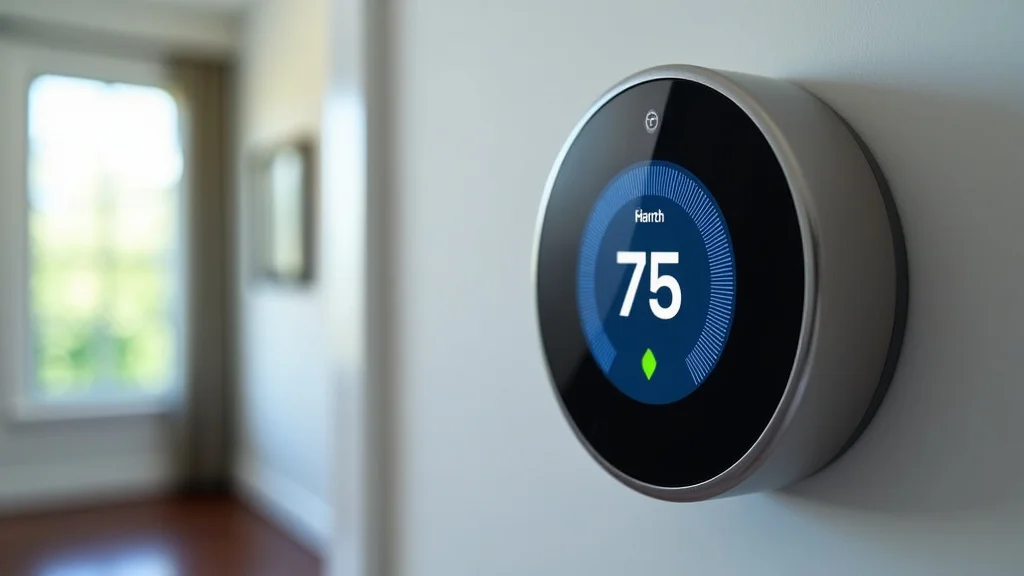
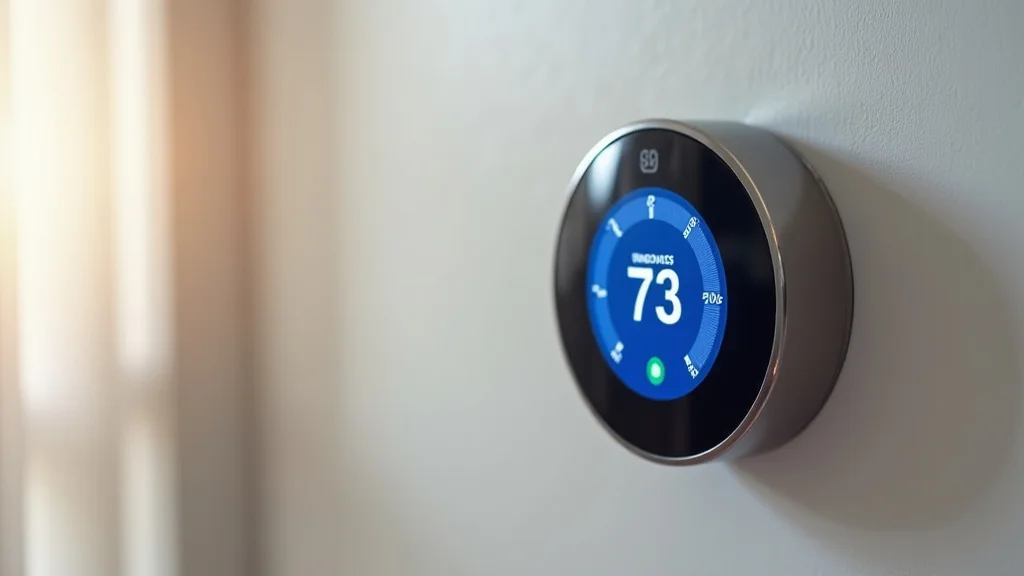
The Nest Learning Thermostat is known for its stylish design and learning capabilities. It learns your temperature preferences and automatically adjusts the temperature to your schedule. The device has a simple interface that is easy to use. The Nest app lets you control the thermostat from your phone. It integrates with other smart home devices like Google Assistant and Alexa. The Nest Learning Thermostat also tracks your energy usage and provides reports. This helps you monitor and manage your energy consumption.
- Learning Capabilities: Learns your temperature preferences and creates a schedule.
- Design and Interface: Stylish design with a user-friendly interface.
- Smart Home Integration: Compatible with Google Assistant and Amazon Alexa.
- Energy Tracking: Provides reports on your energy usage to help you conserve energy.
- Remote Control: Control your thermostat from anywhere using the Nest app.
The Nest Learning Thermostat has geofencing. It knows when you are away from home and adjusts the temperature. The device will automatically lower the temperature when you are away. This can save energy and reduce utility costs. Its popularity is reflected in its high ratings and user satisfaction. It is a solid choice for those seeking a balance of functionality and style.
Ecobee SmartThermostat with Voice Control: Key Features
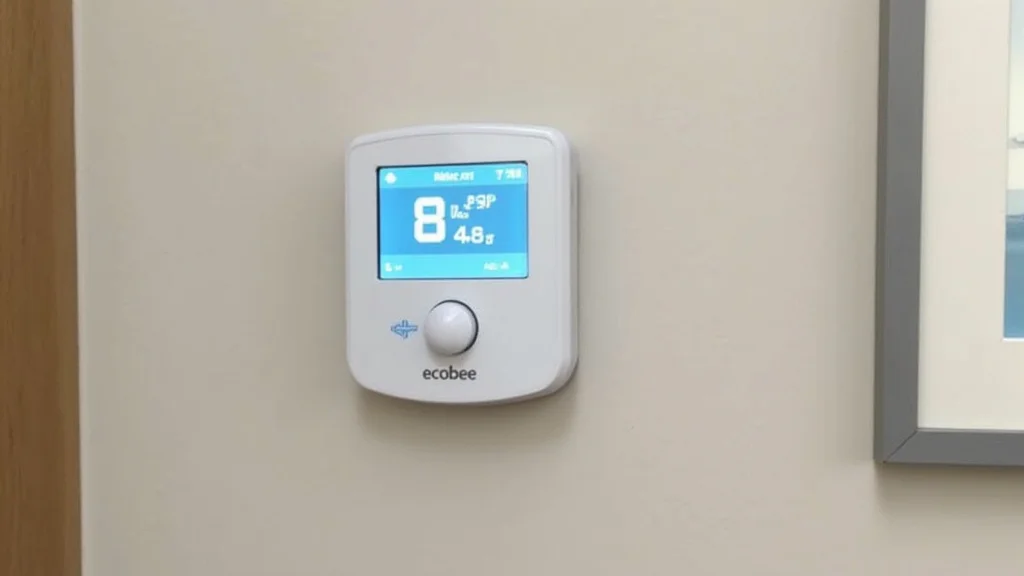
The Ecobee SmartThermostat with Voice Control stands out for its remote sensor capabilities. This lets you place sensors in different rooms to ensure consistent temperatures throughout your home. The Ecobee model also integrates with smart home systems like Apple HomeKit, Google Assistant, and Amazon Alexa. It includes an embedded speaker and microphone. This allows you to control the thermostat with your voice. It also has features to help you save energy and reduce utility costs.
- Remote Sensors: Includes remote sensors for consistent temperatures throughout your home.
- Smart Home Integration: Compatible with Apple HomeKit, Google Assistant, and Amazon Alexa.
- Voice Control: Built-in speaker and microphone for voice control.
- Energy Savings: Offers features to help you save energy and reduce utility costs.
- User Interface: Simple to use user interface.
The Ecobee provides detailed energy reports to track your consumption. The built-in Alexa voice control allows for convenient temperature adjustments. The remote sensors are a valuable addition. They ensure comfortable temperatures throughout your home. The Ecobee SmartThermostat is a well-rounded option that will meet the requirements of most users.
Other Notable Contenders
Besides the Nest and Ecobee models, other smart thermostats offer high performance and value. Honeywell Home, for example, is a long-standing brand that has many models to meet different needs. These offer reliable performance and feature-rich options. Many of them can work with your existing setup and smart home ecosystems.
- Honeywell Home: Known for reliable performance and various models.
- Emerson Sensi: A budget-friendly option with essential features and ease of use.
- Google Nest Thermostat: A more affordable option.
- Bosch Connected Control: Known for its ease of installation and intuitive operation.
Emerson Sensi is another option. It stands out as a budget-friendly option. It offers essential features and an easy setup. The Google Nest Thermostat is a more affordable option that still offers many smart features. Bosch offers a product known for ease of installation. It is a good option if you want a reliable and user-friendly thermostat.
Installation and Setup Made Easy
Installing a smart thermostat can seem complicated, but with careful steps, it is generally straightforward. Installation will vary depending on your existing HVAC system and the specific model. Generally, the process involves removing your old thermostat, wiring the new device, and connecting it to your home’s Wi-Fi network. Reading the instructions provided with your new thermostat is important. Consulting a professional is wise if you aren’t comfortable with the wiring.
Before you start, turn off the power to your HVAC system at the circuit breaker for safety. Then, remove your old thermostat faceplate and take a photo of the wiring. This will serve as a reference. You can then label each wire. Follow the installation guide to connect the wires to the new thermostat. Power up the system. Connect the thermostat to your home Wi-Fi and use the manufacturer’s app. This completes the setup process.
Step-by-Step Installation Guide
Installation varies slightly depending on the thermostat. The process involves identifying and labeling the wires, connecting them to the new device, and mounting the thermostat on the wall. Carefully review the instructions provided with your smart thermostat. This will help you identify the wiring. The process includes removing the old thermostat, labeling wires, connecting the new thermostat, and powering it on. Following the process, you can create a reliable smart home setup.
- Turn Off Power: Switch off the power to your HVAC system at the circuit breaker.
- Remove Old Thermostat: Remove the faceplate and take a photo of the wiring.
- Label Wires: Label each wire with the corresponding letter from the old thermostat.
- Wire the New Thermostat: Connect the wires to the new thermostat according to the instructions.
- Mount and Power On: Mount the new thermostat on the wall and turn the power back on.
- Connect to Wi-Fi: Connect the thermostat to your home Wi-Fi network.
- Configure the App: Use the manufacturer’s app to set up schedules and preferences.
Once the wiring is complete, you can mount the new thermostat on the wall. Turn the power back on at the circuit breaker and connect it to your Wi-Fi network. Use the manufacturer’s app to set up schedules and preferences. This may include scheduling for times when you are home and times when you are away. Following these steps, you can set up your smart thermostat. If you have any doubts about the wiring, it is wise to consult a professional.
Troubleshooting Common Installation Issues
During the installation, you may encounter issues. Common problems include incorrect wiring, connection problems, and Wi-Fi connectivity problems. If your thermostat doesn’t power on, double-check the wiring. Make sure you have the correct wires connected to the right terminals. Check if the breakers are on, providing power to the system. Consult the instructions. If the problem persists, reach out to customer support. You may also need to reset the device to its factory settings.
- No Power: Double-check the wiring and ensure the breakers are on.
- Incorrect Wiring: Review the wiring diagram and ensure wires are correctly connected.
- Wi-Fi Connection Issues: Ensure your Wi-Fi network is active and the thermostat is within range.
- Device Not Responding: Try resetting the thermostat to factory settings.
- Compatibility Problems: Verify that the thermostat is compatible with your HVAC system.
Wi-Fi connectivity issues can also prevent the thermostat from working. Make sure your Wi-Fi network is active and the thermostat is within range. If the thermostat is not responding, try resetting it to its factory settings. If you still have trouble, reach out to customer support. You may also want to verify the device’s compatibility with your HVAC system. By troubleshooting these issues, you can ensure a successful installation.
Smart Home Integration and Beyond
Smart thermostats are designed to work with other devices in your home. They can integrate with voice assistants like Amazon Alexa, Google Assistant, and Apple HomeKit. This means you can control your thermostat using voice commands. You can connect it to smart lighting, security systems, and other smart home devices. This creates a more connected, streamlined experience, offering increased convenience and control.
Smart home integration gives you an ecosystem of interconnected devices. This allows you to manage your home from a single app. This is more convenient. It also lets you create automated routines. The automation features can adjust the thermostat when a door opens. You may even adjust it when you are watching your favorite show. Consider which smart home platforms you use to get the most from your thermostat.
Connecting Your Thermostat to Other Devices
Integrating your smart thermostat with other devices enhances its utility. You can connect the thermostat to smart speakers like Amazon Echo or Google Nest. This will allow you to control your home’s temperature with voice commands. Smart lighting systems can adjust lighting to match the thermostat’s settings. Smart security systems can monitor your home’s climate. The process involves linking your devices with each other. This often means using the manufacturer’s app to connect devices to the same network.
- Voice Assistants: Connect to Amazon Alexa, Google Assistant, or Apple HomeKit for voice control.
- Smart Lighting: Integrate with smart lighting systems to adjust lights based on temperature.
- Smart Security: Connect to smart security systems for enhanced monitoring and automation.
- Smart Home Hubs: Integrate with smart home hubs like Samsung SmartThings or Hubitat.
- Multi-Device Control: Control multiple devices through a single app.
You can also connect to smart home hubs like Samsung SmartThings or Hubitat. Smart home hubs work as a central control point. They let you control all your connected devices from one app. It is worth exploring your options to see how your thermostat can work in your home. By integrating your thermostat, you can create a seamless smart home experience.
Maximizing Energy Savings and Efficiency
Smart thermostats are built to optimize your energy consumption. To maximize energy savings, set up a custom schedule. This is done based on your daily routine. Take advantage of geofencing to let the thermostat adjust when you are away from home. Review your energy usage reports regularly to find ways to reduce your consumption. Make sure to monitor these reports so you can adapt.
- Create a Schedule: Set up a custom schedule that suits your lifestyle.
- Use Geofencing: Enable geofencing to adjust temperatures automatically when you’re away.
- Monitor Energy Usage: Regularly review energy reports to identify energy waste.
- Optimize Settings: Experiment with different settings to find the optimal balance between comfort and savings.
- Regular Maintenance: Ensure your HVAC system is properly maintained for optimal efficiency.
To further enhance efficiency, maintain your HVAC system. A well-maintained system operates more efficiently, increasing your savings. Changing air filters regularly is also crucial for performance. This will improve your home’s air quality. Check and adjust the settings to balance the balance between comfort and energy efficiency. By following these steps, you can get the best possible energy savings and make your home more environmentally friendly.
Common Myths Debunked
Myth 1: Smart thermostats are too difficult to install.
In reality, installing most smart thermostats is designed to be simple, with step-by-step instructions. While the process may seem complex, most models come with detailed guides and helpful videos. In most cases, the process involves removing your old thermostat, wiring the new device, and connecting it to your Wi-Fi network. While some advanced features may require more technical knowledge, most people can install a smart thermostat with minimal effort. If you are not comfortable with wiring, it is recommended to consult a professional.
Myth 2: Smart thermostats are only for tech-savvy people.
While smart thermostats incorporate advanced technology, they are designed to be user-friendly for people of all technical backgrounds. Most models have intuitive interfaces, easy-to-use apps, and straightforward setup processes. The goal is to provide convenience and control, regardless of your tech experience. Many thermostats have touchscreens and simple controls. The apps provide easy management options.
Myth 3: Smart thermostats don’t actually save money.
This is generally untrue. Smart thermostats can significantly reduce energy consumption, leading to lower utility bills. They achieve this by learning your routines, automatically adjusting the temperature when you are away or asleep, and providing energy-saving recommendations. Many studies show that using a smart thermostat will decrease your energy usage. Although the savings may vary depending on your usage habits and location, the potential to reduce energy costs is considerable.
Myth 4: Smart thermostats require expensive professional installation.
Most smart thermostats can be installed by homeowners with basic DIY skills. The installation process usually only involves replacing your existing thermostat and connecting a few wires. Most models come with easy-to-follow instructions. You don’t always need to hire a professional. If you are not comfortable with the electrical work, you should hire an electrician to install your device. This will help with the process, which will ensure safety and proper installation.
Myth 5: Smart thermostats are not secure and can be easily hacked.
Modern smart thermostats have security features to protect your data. While no system is entirely impenetrable, manufacturers take steps to protect your data. This includes secure encryption, regular software updates, and secure connections. Choose a well-known brand that is committed to improving security. The features help keep your network secure. Following the best practices can help secure your device from unauthorized access. Make sure your home network is secure.
Frequently Asked Questions
Question: What is a C-wire, and do I need it?
Answer: A C-wire, or common wire, provides continuous power to the smart thermostat. Many smart thermostats require a C-wire for consistent power. If your existing wiring does not have a C-wire, you might need an adapter or have an electrician install one.
Question: How do smart thermostats save energy?
Answer: Smart thermostats save energy by learning your habits, automatically adjusting the temperature when you’re away or asleep, and providing energy-saving recommendations. They optimize your heating and cooling cycles.
Question: Can I control my smart thermostat with my voice?
Answer: Yes, many smart thermostats integrate with voice assistants like Amazon Alexa, Google Assistant, and Apple HomeKit, allowing you to control your thermostat with voice commands.
Question: How do smart thermostats learn my preferences?
Answer: Many smart thermostats use machine learning algorithms to analyze your temperature adjustments and create a custom schedule. They will learn your habits over time and adjust the settings automatically.
Question: Are smart thermostats compatible with all HVAC systems?
Answer: Most smart thermostats are compatible with the majority of HVAC systems, including forced air, heat pumps, and furnaces. It is essential to check the product specifications to ensure compatibility before purchasing.
Final Thoughts
Choosing a smart thermostat is a smart step towards a more comfortable and energy-efficient home. When exploring smart thermostat reviews, remember to consider your home’s layout, your lifestyle, and your budget. Smart thermostats have many benefits. They offer convenience, energy savings, and the ability to integrate with other smart home devices. Selecting the right model can make a significant difference in your daily living. Your comfort and your pocketbook are both rewarded.
Take the time to assess your needs, explore available models, and choose a thermostat that matches your needs. Once you have chosen your model, the installation is a straightforward process. Enjoy the benefits of a more comfortable and efficient home. By doing this, you’ll be well on your way to a more efficient and comfortable living space. You’ll be able to relax and save money.