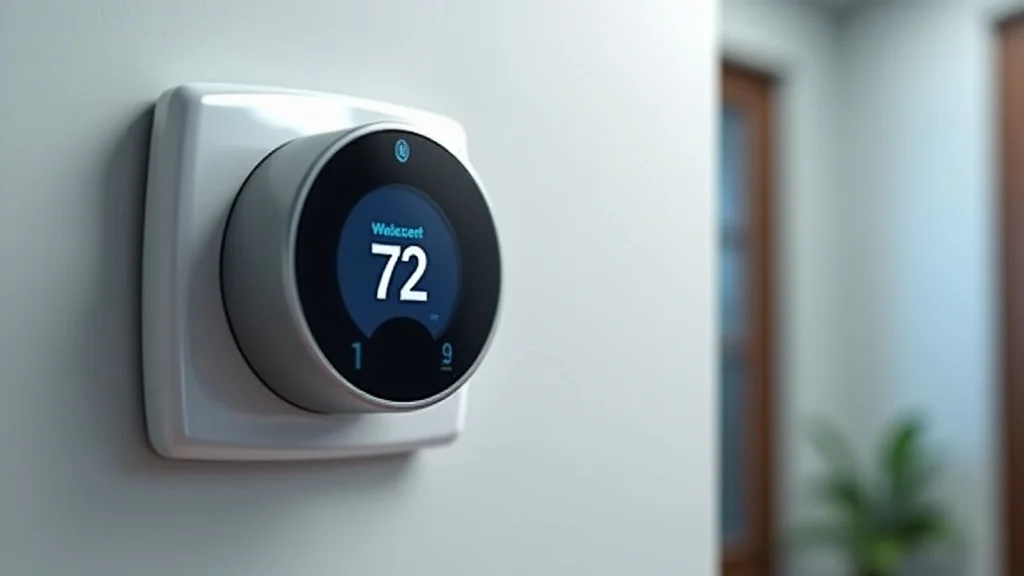
Picture this: It’s a sweltering summer day, and you’re sweating buckets even though your AC is supposedly blasting. You fiddle with the thermostat, but the temperature never seems to cooperate. Sound familiar? Frustrating, right? This is where a smart thermostat mini split system steps in to save the day. This post will explore how these systems work, what benefits they offer, and how they can improve your home’s comfort and energy efficiency. By the end, you’ll know how to manage your home’s climate effectively and what makes these systems a smart choice.
Key Takeaways
- Smart thermostat mini split systems provide precise temperature control.
- These systems can help you save on your energy bills.
- They offer features like remote access and scheduling.
- Installation is often straightforward and less intrusive than central AC.
- Mini split systems are great for individual zones in your home.
- You can make your home comfortable while lowering your carbon footprint.
Controlling Your Climate with a Smart Thermostat Mini Split
The core function of a smart thermostat mini split system is to maintain your home’s temperature at a level you find comfortable. It goes beyond the simple on-off functionality of older systems by offering precise control, allowing you to fine-tune your comfort settings. You can set specific temperatures for different zones in your home, ensuring that each area is perfectly suited to your needs. Instead of the one-size-fits-all approach of traditional HVAC systems, these offer customized climate control. This personalized approach makes them ideal for homeowners wanting to create an optimal living environment.
How Mini Split Systems Operate
Mini split systems are different from central AC systems. They consist of two main components: an indoor unit (or multiple indoor units) and an outdoor unit. These units are connected by refrigerant lines and a power cable. The outdoor unit contains the compressor, which is the heart of the system. The indoor unit houses the evaporator coil and fan, which blow cooled or heated air into the room. A thermostat controls all of this.
-
Refrigerant Cycle: The process starts with a refrigerant absorbing heat from the indoor air. This cooled air is then circulated back into the room. The refrigerant then travels to the outdoor unit, where it releases the heat and is cooled again, restarting the cycle. This cycle is what makes the system capable of both cooling and heating.
This cycle is incredibly efficient, allowing mini split systems to provide both heating and cooling from a single unit. The refrigerant is the key to this efficiency, as it can transfer heat very effectively. Modern systems use environmentally friendly refrigerants that have a lower impact on the environment.
-
Indoor Unit Options: The indoor units are available in a variety of styles, including wall-mounted, ceiling-cassette, and floor-mounted units. These diverse options make it easier to find a unit that suits the aesthetic and structural requirements of any room.
These varied styles make the system adaptable to different room layouts and designs. Wall-mounted units are popular for their simplicity, while ceiling-cassette units offer a more discreet approach. Floor-mounted units can be useful in spaces where wall and ceiling options are limited, further expanding the versatility of mini split systems.
-
Outdoor Unit Placement: The outdoor unit needs to be placed where it can efficiently dissipate heat. This is often on a wall, roof, or the ground. The location should also provide good airflow.
The placement of the outdoor unit is essential for optimal performance. The unit should be accessible for maintenance, but positioned to minimize noise and visual impact. Proper airflow will ensure the system runs efficiently, prolonging its lifespan and reducing energy costs.
Smart Features of Smart Thermostats
The “smart” part of a smart thermostat mini split system comes with its advanced features. These include remote access, programmable schedules, and energy monitoring. Remote access allows you to control your system from anywhere using a smartphone or tablet. Programmable schedules let you set the temperature for different times of the day and week, helping you save energy by avoiding unnecessary heating or cooling.
-
Remote Control Capabilities: You can adjust your home’s temperature from your office, the beach, or anywhere with an internet connection. This lets you make changes on the fly.
Remote access is extremely convenient and can improve energy efficiency. You can pre-cool or pre-heat your home before you arrive, ensuring immediate comfort. You can also adjust settings if you unexpectedly come home early or stay out later than expected.
-
Customizable Scheduling: Set different temperatures for weekdays, weekends, daytime, or nighttime. This feature makes it easy to match your system’s operation with your daily life.
The ability to create personalized schedules ensures that the system is only operating when needed. For instance, you could set the temperature higher when you’re at work and lower it before you return home. This level of customization dramatically reduces energy waste.
-
Energy Usage Tracking: Most smart thermostats track energy consumption and provide insights into your usage patterns. You can review your historical use and identify ways to reduce your energy costs.
Energy tracking provides valuable insights into how you use your HVAC system. You can see how much energy you consume in different periods, allowing you to adjust your usage and find more efficient settings. Some thermostats even provide personalized recommendations to reduce energy consumption, adding another layer of smart control.
Saving Money and Energy with a Smart Thermostat Mini Split
One of the primary advantages of a smart thermostat mini split system is its capacity to save you money on your energy bills. This is achieved through its efficient design and advanced control features. Unlike older, less efficient systems, these systems provide precise temperature control, reducing energy waste and lowering your carbon footprint. Moreover, their ability to be programmed and controlled remotely provides increased efficiency by eliminating the need to heat or cool empty spaces.
Energy Efficiency of Mini Split Systems
Mini split systems are known for their high energy efficiency. They often have high Seasonal Energy Efficiency Ratio (SEER) ratings. This rating tells you how efficiently the system uses electricity. A higher SEER rating means that the system is more efficient. These systems also use inverter technology, which allows the system to adjust its output to match the heating or cooling demand. This avoids the wasteful on-off cycling of older systems.
-
High SEER Ratings: Mini split systems often boast SEER ratings higher than 20, demonstrating their ability to provide significant energy savings. This is a crucial metric for evaluating the efficiency of air conditioning systems.
A higher SEER rating translates to lower energy bills and reduced environmental impact. Systems with high SEER ratings are designed to consume less electricity while providing the same level of comfort. This energy efficiency makes these systems a smart investment for the long term.
-
Inverter Technology: Inverter technology allows these systems to vary their output according to the needs of the room. This modulation is far more efficient than the standard on-off cycle.
Inverter technology allows the system to maintain a consistent temperature with minimal energy use. The system is able to adjust its compressor speed to precisely match the cooling or heating demand. This prevents drastic temperature swings and significantly reduces energy waste.
-
Zoning Capabilities: Zoning enables you to only heat or cool the rooms that you are using. This approach maximizes efficiency by preventing energy from being wasted in unused areas.
The ability to control the temperature in each zone separately ensures that you only pay for the energy you need. This is particularly advantageous for large homes or those with diverse usage patterns. By setting different temperatures for various zones, homeowners can optimize both comfort and savings.
Cost Savings Over Time
The initial cost of a smart thermostat mini split system can be higher than that of a window AC unit. However, the long-term cost savings make them a great option. The energy efficiency and reduced maintenance requirements result in lower utility bills and fewer repair costs. Over time, these savings can easily offset the initial investment, making it a sound financial choice for homeowners.
-
Lower Utility Bills: The high efficiency of the system, coupled with zoning capabilities and smart controls, can significantly reduce your monthly energy bills. The cost savings add up over time.
Reduced energy consumption directly translates to lower utility bills. Homeowners will see immediate savings on their monthly costs. Long-term energy savings make this an attractive option for those looking to manage their household expenses and lower their carbon footprint.
-
Reduced Maintenance Costs: Mini split systems are relatively easy to maintain. Regular maintenance includes cleaning the air filters and inspecting the outdoor unit. This translates to fewer repairs.
Regular maintenance is easier and less expensive than dealing with the issues of central HVAC systems. The simpler design, reduced number of moving parts, and ease of access contribute to lower maintenance costs and a longer lifespan for the system.
-
Increased Home Value: The installation of a smart thermostat mini split system can increase your home’s value. Modern buyers value energy-efficient and technologically advanced features, making your home more attractive on the market.
The inclusion of energy-efficient systems can add significant value to a home. Potential buyers are more inclined to pay a premium for properties that come with modern, smart-home features. This advantage makes the system an excellent investment for homeowners seeking long-term financial and property benefits.
Installation and Setup
Compared to central air conditioning, the installation of a smart thermostat mini split is relatively straightforward, especially when used for a single room. It doesn’t require ductwork, which means there’s less disruption and hassle. The process typically involves mounting the indoor unit on a wall, connecting it to the outdoor unit, and setting up the smart thermostat. Professional installation is often recommended to ensure correct setup and optimal performance.
The Installation Process
The installation process for a mini split is typically more accessible than that of a central AC system. It involves mounting the indoor and outdoor units, running refrigerant lines and power cables between them, and connecting the smart thermostat. While DIY installation is possible, professional installation ensures proper operation and compliance with local building codes, offering you peace of mind.
-
Professional vs. DIY: While DIY installation can save money, professional installation guarantees that the system is correctly set up. A professional will have the expertise and tools.
Professional installers are trained to handle all aspects of the installation, from assessing the space to ensuring proper refrigerant line connections. They also ensure that the system meets all safety standards and local regulations. This offers you reliability and optimal system performance.
-
Placement Considerations: The placement of both the indoor and outdoor units is essential for the system’s performance. The indoor unit needs to be positioned where it can effectively distribute air. The outdoor unit needs proper airflow.
Careful consideration should be given to the placement of the units. The indoor unit should be located in a spot where it can cool or heat the room efficiently, while the outdoor unit should be placed somewhere it won’t be exposed to direct sunlight. A professional installer can advise on the best locations to ensure optimal performance.
-
Connecting to Smart Home Systems: Many systems are compatible with smart home platforms, like Google Home or Amazon Alexa, further simplifying and automating climate control. Integrating your system with a smart home hub provides additional functionality.
Integrating your system with other smart home devices allows you to control your home’s climate from a single interface. This integration can also enable automation features, such as turning the system on or off based on your location or time of day. This integration enhances comfort and convenience.
Setting up the Smart Thermostat
The smart thermostat is the brain of the system, and setting it up is key to making the most of your investment. It involves connecting the thermostat to the indoor unit and configuring it with your home’s Wi-Fi network. From there, you can utilize the app to program schedules, adjust temperatures, and monitor energy usage.
-
Connecting to Wi-Fi: Establishing a stable Wi-Fi connection is vital for enabling remote access and smart features. This process typically involves entering your Wi-Fi password.
A reliable Wi-Fi connection guarantees that you can control your system from your phone. This enables you to make adjustments and monitor its performance from anywhere. Wi-Fi connection also enables automatic software updates, enhancing your experience.
-
Programming Schedules: Set up the system to automatically adjust the temperature based on your daily routine. Customize schedules to suit your needs, and enjoy a comfortable environment without constant manual adjustments.
Customized scheduling will optimize energy consumption. You can program the system to warm up the house before you wake up or cool it down before you return home from work. This ensures comfort while preventing energy waste.
-
Utilizing the Mobile App: The mobile app is your control center. Here, you’ll manage settings, monitor energy usage, and get alerts. The app provides a user-friendly interface for total control.
The mobile app is a key part of the smart system. It offers you a convenient interface for controlling all of your system’s features. With the app, you can monitor energy usage, receive alerts, and make adjustments. The app makes control simple.
Choosing the Right Smart Thermostat Mini Split System
Selecting the right smart thermostat mini split system depends on several factors, including the size of your space, your heating and cooling needs, and your budget. You’ll want to consider the SEER and Heating Seasonal Performance Factor (HSPF) ratings, the size of the units, the available features, and the brand reputation. Taking these factors into account will help you make a wise decision and ensure that the system meets your unique requirements.
Determining the Right Size
The correct size of a mini split system is critical for efficiency and performance. A system that’s too small won’t adequately heat or cool the space. A system that’s too large will cycle on and off frequently, which reduces efficiency and can shorten the unit’s lifespan. Factors to consider are the square footage of the area, the insulation of your home, and the climate conditions.
-
Square Footage: Measure the square footage of the space you want to heat or cool. This will determine the BTU (British Thermal Unit) capacity required for your system.
The square footage is the primary factor. You can use online calculators or consult with a professional to determine the required BTU capacity. Proper sizing ensures that your system can adequately heat or cool the space. A system that’s correctly sized will maintain constant comfort.
-
Insulation and Windows: The level of insulation and the number of windows will impact the system’s ability to maintain temperature. Poor insulation and lots of windows may require a larger system.
Well-insulated homes will retain heat or cold better, requiring less effort from the system. Homes with inadequate insulation or excessive windows may require a more powerful system. Proper insulation is essential for energy efficiency.
-
Climate Considerations: Consider your climate. If you live in a hot or cold region, you will need to determine if you need a system that focuses on cooling, heating, or both.
Consider the typical temperatures and humidity levels in your area. Homes in colder climates need systems with strong heating capabilities. Those in hotter climates should prioritize efficient cooling. Consider the climate when making a final decision.
Features to Look For
The features offered can vary widely between different models. Key features to prioritize include Wi-Fi connectivity, smart home integration, programmable schedules, and energy monitoring. Some systems also offer additional features like air purification, multiple fan speeds, and quiet operation. Select a system that has the features that meet your needs and improve your comfort.
-
Wi-Fi Connectivity: Wi-Fi connectivity allows for remote control and integration with smart home systems. It offers ultimate flexibility in managing your system.
Wi-Fi connectivity unlocks a multitude of convenient features. You can make adjustments, receive notifications, and create custom schedules, all from your smartphone or tablet. Always choose a system with reliable Wi-Fi for efficient control.
-
Smart Home Integration: Compatibility with platforms like Google Assistant and Amazon Alexa simplifies climate control by allowing voice commands.
Smart home integration adds extra convenience and functionality. You can incorporate the system into your wider smart home ecosystem. Control your climate, lighting, and other devices from one place.
-
Energy Monitoring: Systems with energy monitoring can provide insights into your energy consumption. Use this information to identify areas for improvement.
Energy monitoring provides valuable data on energy usage and costs. You can use this information to create more efficient settings and reduce your carbon footprint. Always choose a system with energy monitoring capabilities.
Common Myths Debunked
Myth 1: Mini Splits Are Only for Small Spaces
In fact, mini split systems can work for both single rooms and entire homes. While they are a great choice for individual rooms or zones, they can also be configured with multiple indoor units. This allows the system to heat or cool larger spaces or provide different temperatures throughout your house. Multi-zone systems can be customized to the needs of any home.
Myth 2: Mini Splits Are Too Expensive
The upfront cost of a mini split may be higher than that of a window AC unit. However, the long-term benefits often make them a better value. Energy efficiency, reduced maintenance, and potential increases in your home’s value can lead to significant savings over time. Furthermore, the ability to control zones reduces energy waste, lowering your energy bills.
Myth 3: Installation Is Difficult and Disruptive
Installation can be easier than central AC. Mini split systems don’t require ductwork, which means there is less invasive construction. The installation process typically involves mounting the indoor unit, connecting it to the outdoor unit, and setting up the smart thermostat. The installation is often quick and can be done with minimal disruption to your home.
Myth 4: Mini Splits Are Noisy
Modern mini split systems are designed to operate quietly. The noise levels of indoor units are often similar to or even lower than the ambient noise in a typical room. The outdoor units are also designed to minimize noise and are often quieter than the outdoor units of central AC systems. Noise levels vary, and many models feature quiet modes.
Myth 5: Mini Splits Are Difficult to Maintain
Maintenance is usually straightforward. The main steps are cleaning or replacing air filters and inspecting the outdoor unit. This routine maintenance helps the system run smoothly and efficiently. This can extend the life of your equipment and keep your home comfortable for years to come.
Frequently Asked Questions
Question: What is a mini split system?
Answer: A mini split system is a ductless heating and cooling system consisting of an outdoor unit and one or more indoor units. It provides zoned climate control.
Question: How do smart thermostats make a mini split system better?
Answer: Smart thermostats allow for remote control, energy monitoring, and customizable scheduling, improving efficiency and convenience.
Question: What are the benefits of using a mini split system?
Answer: Benefits include energy efficiency, zoned climate control, easier installation than central AC, and potential cost savings.
Question: How do I choose the right size mini split system for my home?
Answer: Consider the square footage of your space, the level of insulation, and the climate when selecting the appropriate size.
Question: Are mini split systems noisy?
Answer: Modern mini split systems are designed to operate quietly, with many models featuring quiet modes for minimal noise.
Final Thoughts
A smart thermostat mini split is a powerful and efficient way to control the climate in your home. These systems provide precise temperature control, significant energy savings, and the convenience of remote access and scheduling. The installation process is often less disruptive than traditional central air conditioning. They’re also an excellent choice for homes with varied temperature needs. By exploring these systems, you can create a more comfortable, energy-efficient, and technologically advanced home. If you’re looking for a smart way to manage your home’s heating and cooling, a smart thermostat mini split is worth exploring. Consider your needs and make the move towards climate control today!