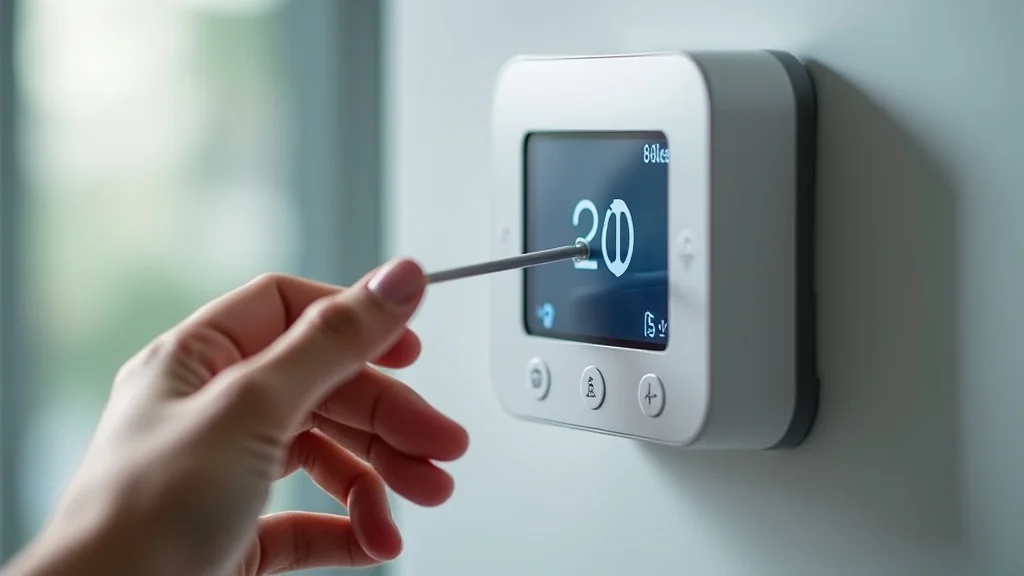
Remember that chilly winter morning when your house felt like an icebox? Or that scorching summer afternoon when you walked into a sauna? These temperature extremes are a thing of the past thanks to smart thermostats. Imagine controlling your home’s climate from your phone, adjusting the temperature before you even get home. This guide will walk you through everything you need to know about smart thermostats, from how they work to the benefits they offer. You’ll learn how to save money on your energy bills, create a comfortable living environment, and boost your home’s efficiency. Get ready to gain valuable insights to create a comfortable, energy-efficient home and make informed decisions on how to improve your lifestyle.
Key Takeaways
- Smart thermostats allow you to control your home’s temperature remotely using your phone or other devices.
- These devices learn your habits and automatically adjust your home’s climate to save energy.
- Installing a smart thermostat can significantly lower your monthly energy bills.
- You can integrate them with other smart home devices to create a more connected experience.
- Smart thermostats provide valuable data about your energy usage.
- They offer features such as geofencing and voice control, enhancing convenience.
What Are Smart Thermostats and How Do They Work?
At their core, a smart thermostat is a technologically advanced device designed to manage your home’s heating and cooling systems. Unlike traditional thermostats with simple on/off switches and basic temperature settings, these devices use a complex array of sensors, algorithms, and connectivity to optimize your home’s climate control. They learn your habits, preferences, and the characteristics of your home to provide a comfortable environment while maximizing energy efficiency. They go beyond simple temperature regulation by incorporating features that enhance user experience, such as remote control, smart scheduling, and integration with other smart home devices.
The Core Components
The functionality of a smart thermostat comes from a range of core components that combine to deliver its features. These components work together to gather information, analyze data, and carry out commands to regulate the temperature inside your house. These core elements are fundamental to how smart thermostats perform their primary function: to provide effective and energy-efficient climate control.
- Temperature Sensors: These sensors constantly monitor the temperature in your home, providing real-time data to the thermostat’s processor. They measure the ambient temperature, ensuring the system can make accurate adjustments. These sensors are vital in maintaining a constant and comfortable temperature.
- Wi-Fi Connectivity: A built-in Wi-Fi module enables the thermostat to connect to your home network, allowing you to control and monitor it remotely. This connectivity allows you to access and modify your thermostat’s settings from anywhere using a smartphone, tablet, or computer. Wi-Fi connectivity is the gateway to the range of smart features that separate these thermostats from their more old-fashioned counterparts.
- Processing Unit: The processing unit is the brain of the smart thermostat, receiving data from sensors, analyzing it, and making decisions about how to control the HVAC system. The unit is responsible for implementing the temperature settings, scheduling, and learning algorithms. The unit also handles communications with the user interface and remote control apps.
- User Interface: The user interface is the way you interact with the thermostat. This can take many forms, including a touchscreen display, physical buttons, or a mobile app. The interface allows you to view the current temperature, set your desired temperature, establish schedules, and access other features.
Modern sensors are highly sensitive and can detect minor temperature variations. This allows the thermostat to make precise adjustments, avoiding sudden temperature swings that could result in discomfort or wasted energy. Many smart thermostats also incorporate multiple sensors to measure temperatures in different areas of your home, allowing for more precise temperature control.
Wi-Fi enables the thermostat to receive software updates, integrate with other smart home devices, and access cloud-based services. This connectivity allows users to use voice control, set complex schedules, and receive insights into their energy use. Having a stable and dependable Wi-Fi connection is critical to taking advantage of the features of these smart devices.
The unit uses algorithms to learn your habits, such as your typical schedule and the preferred temperatures for different times of the day. As the unit gains information, it adjusts the temperature settings automatically to maximize comfort and energy efficiency. It also uses sensors to track conditions such as ambient temperatures and humidity, adapting to changing environmental factors. This unit is important for the adaptive and automated capabilities that define the smart thermostat.
The user interface is designed to be user-friendly, allowing you to easily manage your home’s climate control. Many smart thermostats feature intuitive interfaces, making it simple to configure settings and see energy consumption. The mobile app interface provides remote control, allowing you to manage your home’s climate from any location.
How Smart Thermostats Learn
One of the key features of these thermostats is their capacity to learn from your behavior and adapt accordingly. They are equipped with advanced algorithms that analyze your heating and cooling preferences, daily routines, and the characteristics of your home. This capability allows the device to automatically adjust your home’s climate settings to maximize comfort and energy efficiency.
- Learning Algorithms: The learning process relies heavily on algorithms that analyze data from various sources. These algorithms monitor your temperature preferences, when you are typically home or away, and your energy usage patterns. As the device gathers more information, these algorithms become more accurate in predicting your needs.
- Usage Patterns: The device learns your usage patterns to create customized heating and cooling schedules. It tracks when you’re usually home, when you’re away, and the temperatures you prefer at different times of the day. This data is used to optimize your home’s climate control, reducing energy use when you’re not around.
- Adaptive Programming: The adaptive programming feature allows the device to automatically adjust your home’s temperature based on its analysis of your habits and the environment. This feature is particularly useful for optimizing energy efficiency and preventing unnecessary energy usage. The program will adapt as your routines change.
The algorithms consider numerous factors, including the time of day, day of the week, and seasonal changes. They also analyze weather forecasts to anticipate future needs, ensuring your home is always comfortable. By using these algorithms, smart thermostats can automatically adjust the temperature, reducing the need for manual adjustments and improving overall energy efficiency.
For example, if the device notices you consistently leave for work at 8 AM and return at 6 PM, it will automatically adjust the temperature to conserve energy during the day. Before you get home, the thermostat will begin heating or cooling your house to your preferred temperature. This kind of automation ensures both comfort and energy savings.
For example, if you set a consistent temperature of 72°F during the day, the device may learn to heat your home before you arrive home, ensuring it is at the desired temperature. If you usually leave the house at 7:30 AM, the device may automatically lower the temperature to conserve energy, gradually increasing it as your return time nears. This adaptive approach guarantees comfort while reducing wasted energy.
Benefits of Using a Smart Thermostat
Adopting a smart thermostat can significantly improve your home environment, offering various advantages beyond basic climate control. From lowering energy costs to boosting convenience and improving home management, these devices provide many benefits. The advantages are numerous and have made these devices an essential element of modern homes.
Energy Savings
One of the main benefits of using a smart thermostat is the potential for considerable savings on your energy bills. These devices are carefully developed to optimize heating and cooling, preventing energy waste and guaranteeing that energy is used effectively. By learning your patterns and habits, a smart thermostat can reduce energy consumption without impacting comfort.
- Optimized Heating and Cooling Schedules: Smart thermostats allow you to create customized schedules that match your lifestyle. You can set different temperatures for weekdays and weekends, or adjust settings based on the time of day. This feature avoids running the HVAC system when it’s not needed, significantly reducing energy usage.
- Energy Usage Reports: Many smart thermostats provide detailed reports on your energy consumption, allowing you to see how much energy you are using and when. This data can help you find areas where you can make changes to further reduce your energy usage. These reports are usually provided in the form of charts and graphs.
- Geofencing: This feature uses your smartphone’s location to automatically adjust the temperature settings when you leave or return home. When you are away, the thermostat can automatically lower the temperature in the winter or raise it in the summer to conserve energy. As you get closer to home, the device will adjust the temperature, ensuring you return to a comfortable environment.
For example, you could program the thermostat to lower the temperature while you are at work and then have it raise the temperature before you get home, offering maximum comfort when you arrive. You can use vacation modes to ensure your house remains at an efficient temperature while you are away. This type of customized planning leads to energy savings.
You can see how your energy usage varies throughout the month and identify peak usage times. This information can help you determine the impact of your thermostat’s schedule adjustments. This is helpful for optimizing your home’s efficiency and reducing your carbon footprint.
Geofencing removes the need to manually adjust the thermostat, providing an effortless way to save energy. It guarantees that energy is not wasted when you are away and that your home is ready for you when you return. This automatic adjustment improves energy efficiency and offers a higher level of convenience.
Convenience and Comfort
Besides energy savings, smart thermostats greatly increase convenience and comfort in your home. These devices offer features that make it easy to manage your home’s temperature, improve your quality of life, and create a better living environment. By automating various functions and providing remote access, smart thermostats fit easily into today’s lifestyle.
- Remote Access: The ability to control your thermostat from anywhere using your smartphone or another device is one of the most useful features. Whether you’re at work, on vacation, or out running errands, you can easily adjust the temperature to match your needs.
- Smart Scheduling: Smart thermostats can be programmed to automatically adjust your home’s temperature based on your schedule. You can set different temperatures for various times of the day and different days of the week, helping to maintain comfort and conserve energy. This scheduling eliminates the need for manual adjustments and ensures your home always has the right temperature.
- Voice Control: The addition of voice control through integration with systems like Amazon Alexa, Google Assistant, or Apple Siri offers a hands-free method to manage your home’s temperature. You can easily adjust the temperature using simple voice commands, making it easier than ever to maintain a comfortable environment.
This remote control provides you the flexibility to make adjustments based on changing conditions. For example, if the forecast indicates a sudden cold snap, you can raise the temperature before you even get home. This feature offers a higher degree of comfort, allowing you to make instant adjustments to your living environment.
Smart scheduling allows you to match your home’s climate control to your habits and preferences. You can schedule the device to lower the temperature at night to save energy. You can also ensure that the temperature is comfortable during the day when you’re home. Smart scheduling contributes to efficiency and convenience.
Voice control provides a new level of convenience. You can simply say something like “Alexa, make it warmer,” and the system will adjust the temperature. This is very useful when your hands are full or when you want to avoid getting up to adjust the thermostat. This integration increases user-friendliness and offers a seamless experience.
Choosing the Right Smart Thermostat
Selecting the correct smart thermostat can be overwhelming, as a variety of choices are available. Evaluating your home’s requirements, energy goals, and preferences is important to make the best choice. Here are some of the key factors to consider to help you select a smart thermostat that best suits your needs.
Compatibility
One of the initial factors to consider is whether the smart thermostat is compatible with your current HVAC system. Ensure that the thermostat works with your furnace, air conditioner, and wiring setup. Knowing this is important before making any purchases, as incompatibility can lead to problems.
- HVAC System Types: Different thermostats are compatible with various HVAC systems. Some systems support traditional systems, while others are suited for more advanced systems, such as heat pumps. Check the product specifications to confirm the thermostat supports your system type.
- Wiring Compatibility: Before purchasing, check the wiring configuration of your existing thermostat. The smart thermostat must be compatible with your current wiring. To check compatibility, you can open the old thermostat and look at the wires.
- Power Requirements: Some smart thermostats may need extra power from your HVAC system. If your current thermostat doesn’t have a C-wire, you might need an adapter to supply the required power. Check the product specifications for any special power needs.
Common HVAC system types include conventional furnaces, air conditioners, heat pumps, and multi-stage systems. If you have a heat pump, be sure to select a thermostat designed for heat pump compatibility. For conventional systems, most smart thermostats will work, but it’s always best to verify.
Look at the wire labels such as R, C, W, Y, G, and the number of wires you have. These labels help you understand the system’s needs and determine compatibility. Some smart thermostats require a C-wire (common wire) for power, so confirm if your current system has this wire before you buy. Many thermostat manufacturers offer compatibility checkers.
Some smart thermostats operate on battery power, while others require a connection to your HVAC system’s power supply. Thermostats requiring a C-wire are often more reliable, as they get a continuous power source. If your existing system lacks a C-wire, a workaround, such as a C-wire adapter, might be needed.
Features
The features offered by smart thermostats can vary significantly. Think about what features are most important to you, such as remote access, smart scheduling, geofencing, and compatibility with other smart home devices. Selecting a device with features aligned with your needs will enhance your user experience and boost the convenience of the system.
- Remote Access: The ability to control your thermostat from your smartphone or other devices is a standard feature of most smart thermostats. This feature allows you to adjust the temperature from anywhere. Check the specifications for the app’s user interface and compatibility with your mobile operating system.
- Smart Scheduling and Learning: Choose a thermostat with a smart scheduling feature that allows you to automate the temperature settings. Consider models that learn your habits and automatically adjust your temperature. These features help to save energy by optimizing your heating and cooling settings.
- Integration with Smart Home Systems: Some thermostats seamlessly integrate with other smart home systems, such as Amazon Alexa, Google Assistant, and Apple HomeKit. This integration allows you to control your thermostat with voice commands and incorporate it into your existing smart home setup. Look for compatibility with the smart home systems you currently use.
This function enables you to make adjustments on the go, whether you’re at work, on vacation, or just running errands. The ease of use and user-friendly interface of the mobile app are essential. Features like simple navigation and quick temperature adjustments are critical.
Scheduling allows you to pre-program heating and cooling based on your daily and weekly habits. Learning thermostats adapt automatically, adjusting your schedule based on your activity. This makes smart thermostats more helpful in saving energy.
Compatibility with other systems improves the convenience and capabilities of the smart thermostat. You can control your thermostat with voice commands, making it easier than ever to adjust your home’s temperature. Also, integration allows you to create routines and automations for the comfort of your house.
Budget and Installation
Set a budget for your smart thermostat, and remember the expense of installation. While some models are affordable, others have more features that affect the price. Also, take into account the difficulty of installation, which can influence whether you do it yourself or employ a professional.
- Price Range: Smart thermostat costs vary widely. Consider the cost of the thermostat itself and any extra installation costs. Many basic models are affordable, while those with more advanced features are more expensive.
- Installation Options: Determine if you’re going to install the thermostat yourself or hire a professional. Installation can be simple if you have basic DIY skills, but more complex if you have an older or unique HVAC system. For some people, professional installation might be better.
- Ongoing Costs: Besides the initial purchase and installation, consider any ongoing costs, such as the cost of filters and potential repair expenses. Long-term cost is an important factor. Some systems include subscription fees for features like advanced reporting or remote monitoring.
When selecting a budget, think about all the factors, including features, brand, and any additional accessories you might need. Check reviews from different retailers to compare prices and determine the best value for your needs.
Some manufacturers provide detailed instructions and videos to help with DIY installation. If you aren’t sure, contact an HVAC professional. Expert installation guarantees the system works correctly and complies with the safety guidelines.
While smart thermostats are meant to reduce energy costs over time, be aware of the long-term expenses. Consider the lifetime of the device and any potential maintenance requirements. Taking these factors into account can help you pick the best smart thermostat for your budget.
Common Myths Debunked
Misconceptions about smart thermostats are common, and these myths can be misleading. Clearing up these inaccuracies is important to better understand the device’s true capabilities. Here are some of the most common myths, debunking them with factual evidence.
Myth 1: Smart Thermostats Are Difficult to Install
Many people think that the installation of a smart thermostat is a difficult job that requires a professional. This is not always the case, as many models are designed for easy DIY installation. The procedure usually involves removing the old thermostat, connecting the wires to the new device, and installing the app.
Myth 2: Smart Thermostats Only Save a Small Amount of Energy
Some believe that the energy savings offered by smart thermostats are insignificant. They can reduce energy consumption by as much as 20% by creating schedules based on user habits, and by adapting to changes in behavior and weather. This energy savings can lead to substantial financial benefits.
Myth 3: Smart Thermostats Are Not Secure
Some people are concerned about the security of their smart thermostats, as they connect to the internet. Leading manufacturers have taken several steps to provide secure systems, including using encryption and regular software updates to reduce the risk of hacking. They also provide security features to protect your information.
Myth 4: Smart Thermostats Are Only for Tech-Savvy People
Many believe that smart thermostats are difficult to use. Smart thermostats are made to be user-friendly, with intuitive interfaces and mobile apps. They are suited for all people, with features that are easy to use, even for those who are not tech experts. Smart thermostats offer a hands-on experience and voice control options.
Myth 5: Smart Thermostats Are Expensive to Maintain
Many believe smart thermostats are expensive, but this is a false statement. Most of the time, the benefits of smart thermostats outweigh the costs. Smart thermostats are designed to be energy-efficient, minimizing energy costs and conserving money over time. While the upfront investment exists, the long-term benefits typically result in overall cost savings.
Frequently Asked Questions
Question: How do smart thermostats save energy?
Answer: Smart thermostats save energy by learning your schedule, automatically adjusting the temperature when you are away or asleep, and optimizing heating and cooling settings based on the weather and your preferences.
Question: Is it difficult to install a smart thermostat?
Answer: Installation varies, but many smart thermostats are designed for easy DIY installation. They often come with step-by-step instructions. If you’re not comfortable with electrical work, you can hire a professional.
Question: Can I control my smart thermostat from my phone?
Answer: Yes, smart thermostats typically have mobile apps that allow you to control them from your smartphone or other devices. You can adjust the temperature, set schedules, and monitor energy usage remotely.
Question: Do smart thermostats work with all types of HVAC systems?
Answer: Not all smart thermostats are compatible with every HVAC system. Be sure to check the product specifications for compatibility with your furnace, air conditioner, or heat pump before purchasing.
Question: How secure are smart thermostats?
Answer: Smart thermostats are generally secure, with manufacturers using encryption and regular software updates to protect against hacking. They also provide options like two-factor authentication.
Final Thoughts
Smart thermostats represent a significant advancement in home comfort and energy management. These devices provide a wealth of benefits, from reducing energy consumption and lowering your bills to boosting convenience and improving the overall living environment. They learn your habits and adapt to your schedule, creating a personalized climate control system that is both efficient and user-friendly. With their ability to be controlled remotely and their integration with other smart home devices, they seamlessly fit into modern lifestyles. They are simple to install and set up, and they also offer detailed data on your energy usage, allowing you to fine-tune your settings to further maximize savings.
Consider the benefits of these devices in your own home. Explore the different models and features, and assess your individual requirements. Start by installing one in your house and discover how this smart technology can improve your comfort, reduce costs, and offer the convenience you have been looking for. Take control of your home’s climate and energy management with a smart thermostat, and enjoy a more comfortable, efficient, and connected living experience.