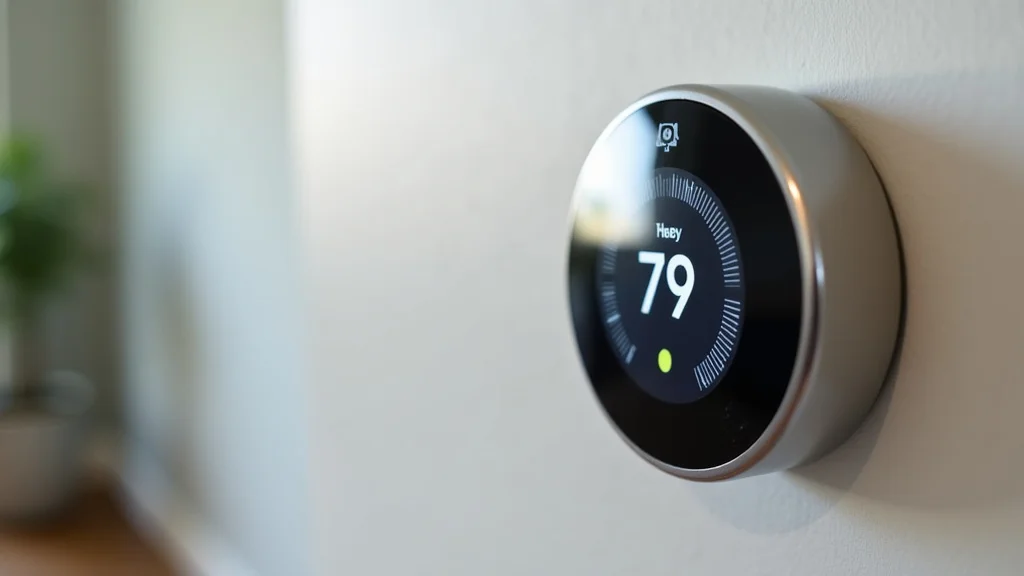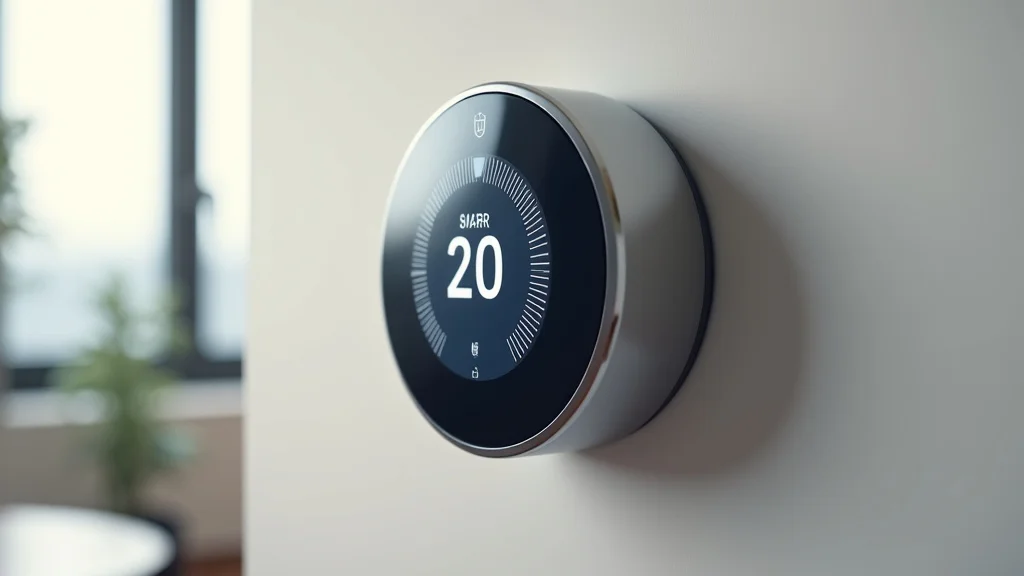
Imagine your home is like a symphony orchestra. Each room has its own instrument (the heating/cooling system), and right now, the conductor (your thermostat) only knows how to play one note for the entire ensemble. Frustrating, right? With a smart thermostat multi zone system, you can conduct each room individually, ensuring comfort and energy savings. This post will explore how these systems work, the benefits they offer, and how they can revolutionize your home climate control. You’ll gain a thorough picture of how smart thermostat multi zone setups operate, helping you make informed decisions.
Key Takeaways
- Learn how a smart thermostat multi zone system divides your home into independently controlled areas.
- Discover the energy savings potential compared to traditional HVAC systems.
- Understand the various features and functionalities of modern smart thermostats.
- Explore the installation process, including professional considerations.
- Find out how these systems integrate with other smart home technologies.
- See how zoning helps to improve comfort, personalization, and energy conservation.
Controlling Your Comfort: The Basics of Zone Heating and Cooling
Traditional HVAC systems usually operate as a single unit, delivering conditioned air throughout the entire house. This method can lead to uneven temperatures, with some rooms feeling too hot while others are freezing. Zone heating and cooling divides a home into multiple zones, each with its own thermostat. These thermostats communicate with a central control panel that manages the airflow to each zone. This precise control results in greater comfort and efficiency. It prevents the waste of energy. It is like having several mini-HVAC systems instead of one big one.
How Zoning Works: The Mechanics Behind the System
Zoning systems rely on a network of dampers installed within your ductwork. Dampers are essentially motorized doors that open and close to regulate airflow. Each zone has its own set of dampers, controlled by its individual thermostat. When a zone’s thermostat senses a temperature deviation from the set point, it signals the central control panel. The control panel then activates the dampers to direct the conditioned air (heated or cooled) to that specific zone, while simultaneously restricting airflow to other zones. It is all controlled by smart, efficient technology.
- Dampers: These motorized valves are crucial, as they redirect airflow to the desired zones. Their ability to open and close allows for the precise regulation of temperature.
- Thermostats: The smart thermostats in each zone measure temperature and send signals to the control panel, dictating each zone’s needs.
- Control Panel: This is the “brain” of the system, receiving signals from the thermostats and controlling the dampers.
- Ductwork: Existing or newly installed ductwork carries the conditioned air to each zone, allowing optimal heating and cooling throughout the entire home.
- Sensors: Some advanced systems include sensors that monitor occupancy and external weather conditions to optimize efficiency further.
A recent study by the U.S. Department of Energy found that zoning systems can reduce energy consumption by up to 30% compared to traditional, non-zoned systems. This translates to significant savings on your energy bills while keeping you comfortable.
The Benefits: Enhanced Comfort and Energy Efficiency
The primary advantage of zone heating and cooling is the improved comfort it provides. By tailoring the temperature to each area, you can eliminate cold spots, hot spots, and temperature imbalances that plague traditional systems. Beyond comfort, the energy efficiency of these systems is a significant draw. Because you are only heating or cooling the areas you are using, you avoid wasting energy on unoccupied rooms. This intelligent use of energy leads to considerable savings. It benefits your wallet and reduces your home’s environmental impact.
- Improved Comfort: Enjoy consistent temperatures throughout your home with personalized settings for each zone.
- Energy Savings: Reduce energy consumption by heating or cooling only occupied areas.
- Reduced Energy Waste: Eliminate the inefficiency of heating or cooling unoccupied rooms.
- Optimized Control: Fine-tune each zone to suit specific needs, such as a cooler bedroom for better sleep.
- Personalization: Create customized temperature profiles for different zones based on usage patterns.
- Increased Home Value: The technology is now considered a valuable addition, enhancing the value of the home.
Imagine, for example, your family room is set to 72°F during the evening, while the bedrooms are set to 66°F for a better sleeping environment. These types of settings are impossible with traditional systems.
Choosing the Right Smart Thermostat Multi Zone System
Several types of smart thermostat systems are available, each with its own features and functionalities. It is essential to choose a system that meets your specific requirements, considering factors such as your home’s size, your desired level of control, and your budget. It’s also important to consider the user-friendliness of the system and its integration capabilities. Researching and considering these factors will allow you to select the best smart thermostat multi zone setup.
Types of Systems: Comparing Options for Your Home
There are different types of zoning systems you can select. Each offers its unique features. Your HVAC configuration will impact your selection. Let’s explore the main categories:
- Zoning Systems with Smart Thermostats: These systems integrate smart thermostats that can control the temperature in each zone individually. They typically connect to a central control panel that manages dampers and airflow.
- Retrofit Zoning Systems: These systems are designed for use with existing HVAC systems. They typically involve installing dampers in the ductwork and connecting them to a smart thermostat. This is an option for many homes.
- Wireless Zoning Systems: These systems use wireless communication between the thermostats, dampers, and the control panel, simplifying installation.
- HVAC Integrated Systems: Some modern HVAC systems come with built-in zoning capabilities, allowing for seamless integration.
- Programmable Thermostat Systems: These thermostats let you set up pre-scheduled temperature adjustments based on time, day, or personal routines.
A survey by Energy Star revealed that homes with smart thermostats, especially those incorporating zoning, experience an average energy savings of 10-15% compared to homes without this technology. This showcases the tangible financial benefits of opting for a smart system.
Important Features: What to Look For in a Smart Thermostat
A smart thermostat offers a range of features designed to enhance your comfort, save energy, and improve convenience. As you investigate smart thermostat models, look for these key features:
- Remote Access and Control: The ability to control your thermostat from a smartphone or tablet allows you to adjust the temperature from anywhere.
- Smart Learning Capabilities: Some thermostats learn your temperature preferences and adjust automatically to optimize comfort and efficiency.
- Geofencing: Geofencing uses your phone’s location to automatically adjust the temperature when you are away from or returning to your home.
- Energy Usage Reports: Many smart thermostats provide detailed reports on your energy consumption, allowing you to identify areas where you can save more.
- Compatibility with Smart Home Systems: Integration with other smart home systems, such as Amazon Alexa or Google Assistant, allows you to control your thermostat with voice commands.
- Customizable Schedules: You can create personalized heating and cooling schedules to match your daily routines and preferences.
The best smart thermostats also offer a user-friendly interface, intuitive controls, and a sleek design that complements your home’s decor. Consider these aspects to make the best decision for your needs.
Installation and Setup of Your System
Installing a smart thermostat multi zone system can range from a DIY project to a professional installation, depending on your comfort level and the complexity of the system. While some homeowners opt for DIY installations, it is essential to consider the technical aspects, such as wiring and ductwork modifications. For most, professional installation is the best path to ensure the system is correctly set up and configured for optimal performance and safety.
DIY vs. Professional Installation: Weighing the Pros and Cons
Choosing between DIY and professional installation depends on your existing skills and the complexity of the system. Weighing these factors will assist you in making the best decision. Consider the following points:
- DIY Installation:
- Pros: Can save money on labor costs, offers hands-on learning.
- Cons: Requires technical expertise, can void warranties if not done correctly, potential for errors.
- Professional Installation:
- Pros: Ensures proper installation and system optimization, warranty protection, expertise.
- Cons: Higher upfront cost, requires scheduling and coordination.
For complex systems involving ductwork modifications or electrical work, professional installation is generally recommended. A qualified HVAC technician can assess your home’s needs, design the optimal system, and ensure that everything is correctly installed and calibrated.
The Installation Process: A Step-by-Step Overview
If you opt for professional installation, here is a general overview of the steps involved:
- Assessment: The HVAC technician assesses your home’s layout, existing HVAC system, and your specific needs to determine the best zoning solution.
- Ductwork Modifications: If necessary, the technician modifies your ductwork to accommodate the dampers. This includes cutting into existing ducts and installing the dampers.
- Wiring and Control Panel Setup: The technician wires the dampers, thermostats, and control panel, ensuring correct electrical connections.
- Thermostat Installation: Smart thermostats are installed in each zone and wired to the control panel.
- System Configuration: The technician configures the system, setting up the zones, and programming the thermostats.
- Testing and Calibration: The technician tests the system to ensure proper operation and calibrates the system for optimal performance.
For DIY installations, carefully read the manufacturer’s instructions and consult resources. Ensure you are familiar with the wiring. Seek help from a professional when needed.
Integrating Smart Thermostat Multi Zone Systems
Smart thermostat multi zone systems seamlessly integrate with other smart home technologies, creating a connected ecosystem. This integration enhances the convenience, efficiency, and functionality of your system. You can control your thermostat through voice assistants, integrate it with other home automation systems, and monitor energy usage from a single dashboard.
Smart Home Integration: Expanding System Capabilities
Smart thermostat systems integrate with other smart home devices to create a connected and automated home. Here are some examples of this integration:
- Voice Assistants: Control your thermostat using voice commands through popular assistants like Amazon Alexa, Google Assistant, or Apple Siri.
- Home Automation Systems: Integrate your thermostat with systems like Samsung SmartThings or Apple HomeKit to create custom automations.
- Smart Lighting: Sync your thermostat with your smart lighting system to adjust the lights automatically when the temperature changes.
- Security Systems: Integrate your thermostat with your security system to adjust the temperature automatically when the system is armed or disarmed.
- Smart Appliances: Connect your thermostat with smart appliances, such as refrigerators or ovens, to optimize energy usage.
Enhancing Comfort: Smart Features for Modern Homes
The best smart thermostats bring several enhanced comfort features. Let’s explore:
- Smart Schedules: Set up pre-programmed heating and cooling schedules based on your routines.
- Geofencing: Use geofencing technology to automatically adjust the temperature when you leave or arrive home.
- Smart Learning: Some thermostats learn your behavior and preferences to automatically adjust settings.
- Occupancy Sensors: Use occupancy sensors to detect when rooms are occupied and adjust the temperature accordingly.
- Climate Control Apps: Take advantage of user-friendly apps that allow remote control, energy monitoring, and other advanced features.
By integrating your smart thermostat with other smart home devices, you can create a truly automated and personalized living experience.
Common Myths Debunked
Myth 1: Smart Thermostat Systems are Too Complex to Install.
Many homeowners believe that installing a smart thermostat multi zone system is a complicated task reserved for professionals. While professional installation is recommended for complex setups, many systems are designed for easy DIY installation, especially retrofit models. With clear instructions and readily available online resources, even homeowners with basic DIY skills can successfully install a smart thermostat. Professional help is still a good route.
Myth 2: Zoning Only Works in Large Homes.
Some people think that zoning is only effective in large homes. The truth is that zoning can improve comfort and energy efficiency in any home, regardless of its size. Even in smaller homes with distinct usage patterns (such as a home office, bedrooms, and living areas), zoning can provide personalized climate control and reduce energy consumption by preventing unnecessary heating or cooling in unused spaces.
Myth 3: Smart Thermostats are a Waste of Money.
Many homeowners believe that smart thermostats do not deliver on their promise of energy savings. Smart thermostats often pay for themselves through energy savings over time. These devices offer features like remote access, smart scheduling, and geofencing to optimize energy use. The energy savings from these features can quickly offset the initial investment, making them a worthwhile addition to any home.
Myth 4: Smart Thermostats Are Difficult to Use.
Many people worry that smart thermostats will be difficult to operate. Modern smart thermostats come with user-friendly interfaces and intuitive controls, making them easy to use. Most offer a straightforward setup and simple control options via a touchscreen display. There is an app, for remote control of the system.
Myth 5: Zoning Is Not Compatible with Existing HVAC Systems.
Some people believe that adding zoning requires a whole new HVAC system. Zoning systems often work with existing HVAC systems. Retrofit zoning kits are now available, offering a great solution for those who want to add zoning to an existing system. The zoning system then works with an existing HVAC setup.
Frequently Asked Questions
Question: How much does a smart thermostat multi zone system cost?
Answer: The price varies. It depends on the number of zones, features, and whether you opt for DIY or professional installation.
Question: Can I install a smart thermostat myself?
Answer: Many systems are DIY-friendly. However, professional installation is often recommended for more complex setups.
Question: How do smart thermostats save energy?
Answer: By offering features like remote access, smart scheduling, and geofencing, they optimize energy use.
Question: What is geofencing?
Answer: This technology uses your phone’s location to automatically adjust the temperature based on your presence.
Question: Are smart thermostats compatible with all HVAC systems?
Answer: Most smart thermostats work with a wide range of HVAC systems. Check compatibility before purchase.
Final Thoughts
A smart thermostat multi zone system is a powerful tool for taking control of your home’s climate and creating a more comfortable and energy-efficient living space. By dividing your home into zones, you can tailor the temperature to each area, eliminating hot spots and cold spots. The energy savings can be significant. Selecting the right system involves considering your home’s layout, budget, and desired features. Whether you choose a DIY installation or opt for professional help, investing in a smart thermostat multi zone setup is a step toward a smarter, more comfortable home. Start exploring the options, and take control of your climate and energy costs.