Picture this: It’s a scorching summer day, and you’re miles from home, but you realize you left your air conditioning blasting. Or imagine winter’s chill hits early, and your house feels like a freezer because the heat hasn’t kicked in. These are classic scenarios where having the right temperature control makes all the difference. This post explores the comparison of a smart thermostat versus a traditional, regular thermostat. You’ll gain a clear view of their differences, the benefits, and the best choice for your needs, helping you control your home’s comfort and save money. Get ready to explore the options!
Key Takeaways
- Smart thermostats offer advanced features, including remote control and energy tracking.
- Regular thermostats are simpler, more affordable, and easy to use.
- Smart thermostats can learn your habits and adjust the temperature automatically.
- Both types of thermostats effectively control your home’s heating and cooling systems.
- Deciding between the two depends on your budget, needs, and lifestyle.
- Upgrading can boost energy efficiency, improve home comfort, and decrease bills.
Controlling Home Comfort: Smart Thermostat vs Regular Thermostat
The core function of a thermostat is to maintain the desired temperature within your home. It does this by communicating with your heating, ventilation, and air conditioning (HVAC) system to turn it on or off as needed. Both smart and regular thermostats share this fundamental purpose. However, the methods they use, the additional features they offer, and the way they interact with users differ significantly. Making a decision between a smart thermostat versus a regular thermostat begins with a clear view of how each device operates and the advantages they bring to the table. This first section helps you compare the two devices’ basics to see which is a good match.
Fundamentals of Regular Thermostats
Regular thermostats, often found in older homes, are the simplest form of climate control. They typically feature a dial or a set of buttons to adjust the temperature. These devices often rely on a bimetallic strip or mercury switch to detect temperature changes. As the temperature fluctuates, the strip or switch either contracts or expands, triggering the HVAC system to start or stop heating or cooling. Regular thermostats provide straightforward temperature adjustments without advanced features. They are known for their ease of use, cost-effectiveness, and reliability. This makes them a practical solution for anyone looking for simple climate control.
- Basic Functionality: Regular thermostats primarily offer basic temperature control through manual adjustments.
- Ease of Use: They are simple to operate, with clear interfaces that are easy to understand.
- Cost-Effectiveness: Typically, regular thermostats have a lower initial cost compared to smart thermostats.
- Reliability: They are durable and often require little maintenance.
A bimetallic strip is made of two different metals bonded together. These metals have different rates of thermal expansion. This means they expand or contract at different rates when exposed to temperature changes. When the temperature rises, one metal expands more than the other, causing the strip to bend. This movement can then be used to close or open an electrical circuit, turning the HVAC system on or off. Similarly, a mercury switch uses a small amount of mercury inside a sealed glass vial. As the temperature shifts, the mercury moves. This movement alters the electrical connection, controlling the HVAC system’s operation. These simple designs ensure regular thermostats are dependable and need very little upkeep.
Understanding Smart Thermostats
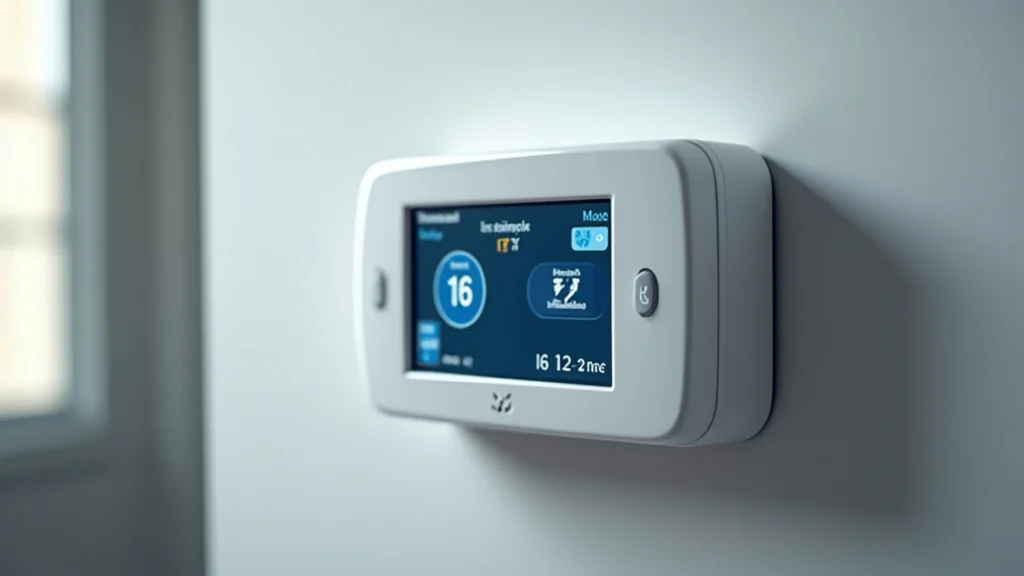
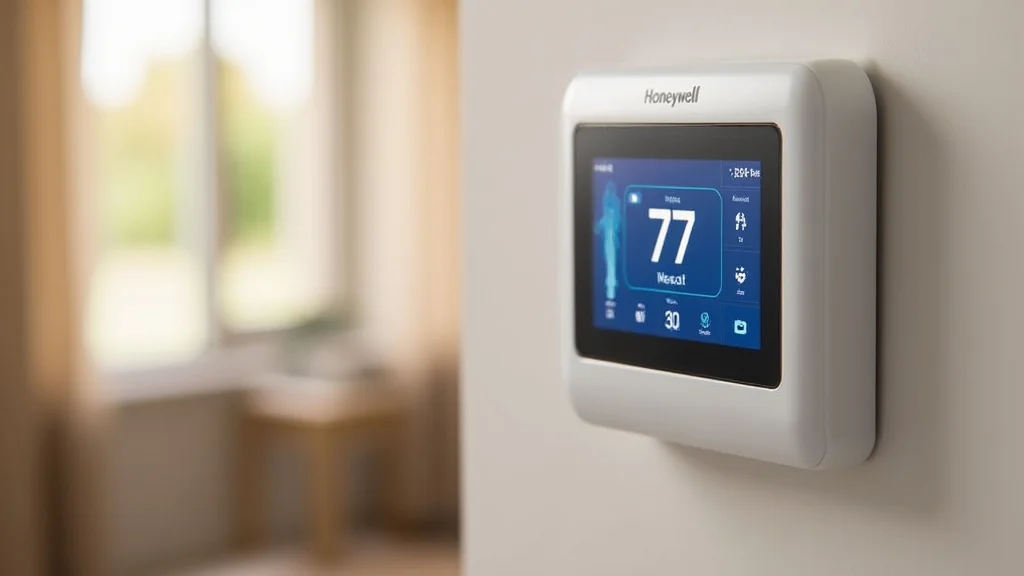
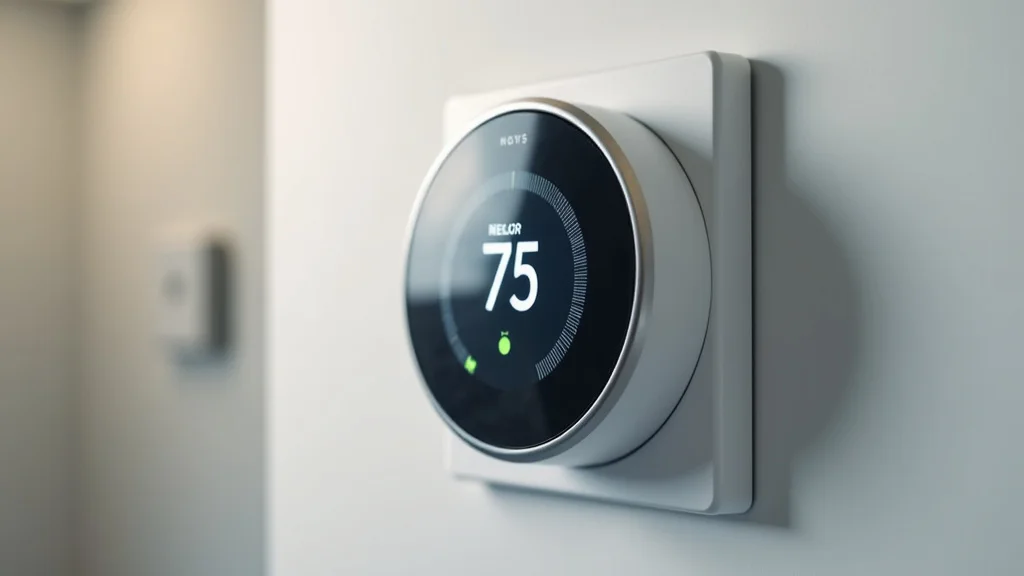
Smart thermostats represent a modern approach to home temperature management. They connect to your home’s Wi-Fi network, providing various features beyond basic temperature control. These devices often include remote access via a smartphone app, allowing homeowners to adjust temperatures from anywhere. They also learn your heating and cooling habits. They automatically adjust settings based on your schedule and preferences. In addition, smart thermostats often integrate with other smart home devices. They can also provide energy usage reports to help you monitor and control energy consumption more effectively. The extra features come with a higher upfront cost, but the benefits in energy savings and convenience can make a difference.
- Remote Access: Control and adjust your thermostat from your smartphone or other devices.
- Learning Capabilities: They learn your heating and cooling preferences over time.
- Energy Efficiency: Smart thermostats can help you conserve energy and reduce costs.
- Integration: They often work with other smart home systems.
Smart thermostats utilize sensors to constantly monitor the temperature in your home. They can also use external data, like weather forecasts, to adjust your HVAC system. They connect to your home’s Wi-Fi network and are controlled through an app on your smartphone or tablet. Many models offer geofencing. This feature uses your phone’s location to detect when you’re approaching or leaving home. The thermostat adjusts the temperature accordingly. Some smart thermostat devices also provide detailed reports on energy usage, helping you track and optimize your consumption patterns. By integrating advanced technology, smart thermostats provide more convenience and greater energy savings. They are a good solution for improving home comfort and efficiency.
Advanced Features of Smart Thermostats
Smart thermostats shine when it comes to advanced features that boost convenience and efficiency. These features go beyond basic temperature control, offering a high level of customization and automation. From remote access and scheduling capabilities to energy monitoring and integration with other smart home devices, these technologies enable you to fine-tune your home’s climate control. They help reduce energy waste and improve your comfort and lifestyle. The following sections will go into the advanced features offered, like remote access and energy monitoring, to help you compare them with what a regular thermostat offers.
Remote Access and Control
Remote access is one of the most convenient features offered by smart thermostats. Users can access and control their thermostat from anywhere with an internet connection. This feature is very useful for adjusting the temperature when you are away from home. For example, if you are unexpectedly delayed at work or traveling, you can turn down the heat or AC to save energy. The ability to monitor and manage your home’s temperature remotely also provides peace of mind. You can always check to ensure your home is at a comfortable level. The feature is often enabled through a mobile app that allows for easy control from your smartphone, tablet, or computer.
- Adjust Temperature on the Go: Change settings from anywhere.
- Check Current Conditions: View current temperature and humidity.
- Receive Alerts: Get notifications about temperature changes or system issues.
- Enhance Convenience: Adjust your home’s climate without being there.
Consider a scenario where you are on vacation and realize you forgot to turn down your thermostat. With a smart thermostat, you can easily access your device through its app and adjust the settings. This prevents energy waste and offers cost savings. This ability to remotely control your home’s temperature is especially helpful for people with busy lifestyles or who travel frequently. It’s a key benefit of smart thermostats. It provides greater flexibility and control over your home’s energy consumption. Remote access also provides a sense of security, allowing you to ensure your home is comfortable and safe, no matter where you are.
Learning and Scheduling
Another major advantage of smart thermostats is their ability to learn your habits. Using advanced algorithms and sensors, these devices study your daily routines and preferences. They create a schedule that automatically adjusts your home’s temperature. By learning when you’re typically home, asleep, or away, the smart thermostat will adjust your settings to be the most efficient. This eliminates the need for manual adjustments and helps minimize energy waste. The learning and scheduling features help optimize your comfort and energy usage.
- Automated Temperature Adjustments: Set it and forget it with temperature adjustments.
- Customizable Schedules: Tailor settings to match your lifestyle and habits.
- Adaptive Learning: Continuously adjusts based on user behavior and changes.
- Improved Energy Efficiency: Reduce energy consumption by optimizing heating and cooling schedules.
For example, if you typically leave for work at 8 AM and return at 6 PM, the thermostat can automatically lower the temperature during the day and raise it shortly before your return. This not only provides comfort when you’re home but also reduces energy use while you’re away. As you interact with the thermostat, it refines its schedule, adapting to any changes in your routine. It also lets you override the schedule at any time, adding flexibility. The ability to learn and schedule helps optimize energy efficiency. It also improves comfort by providing a consistently comfortable environment, all without constant manual adjustments.
Energy Monitoring and Reporting
Smart thermostats are designed to provide energy monitoring and reporting. These features help you understand your energy consumption patterns and make informed choices to save money. The thermostat often tracks your energy usage, presenting the information in charts and graphs. This lets you view your energy consumption over time, by day, week, or month. Many models also offer insights and recommendations to improve your energy efficiency. For example, the thermostat may suggest changing the temperature during certain times or making adjustments to your schedule. This feature can help users see how the thermostat’s settings change their consumption.
- Track Energy Usage: Monitor heating and cooling consumption in detail.
- View Historical Data: Review energy usage over time to see trends.
- Receive Energy-Saving Tips: Get recommendations to improve efficiency.
- Identify Cost-Saving Opportunities: Find ways to decrease your energy bills.
The energy monitoring feature is particularly beneficial for those looking to reduce their environmental impact and lower their utility bills. By providing detailed insights into your energy consumption, the thermostat can help you make more informed decisions about your energy use. For example, if the data shows that your home uses more energy during specific hours, you can adjust your schedule. This feature also allows you to compare the effects of different temperature settings and schedules. It helps you see how you can maximize your energy savings and optimize your overall comfort. The data is often presented in user-friendly formats, making it easy to see where you can make improvements.
Smart Thermostat vs Regular Thermostat: Comparing the Cost
Cost is a key factor when deciding between a smart thermostat versus a regular thermostat. While smart thermostats have numerous advantages, the initial investment is higher. Regular thermostats, on the other hand, offer an economical solution. You must evaluate the upfront expenses along with long-term savings and other value-added features. This comparison helps you assess which option provides the best value based on your financial needs and how you want to use the thermostat.
Initial Purchase Price
The initial purchase price is the first cost you’ll encounter when selecting a thermostat. Regular thermostats are much less expensive. They can cost anywhere from $20 to $100. This is because regular thermostats use simple designs with fewer features. Smart thermostats, due to their advanced technology and extra features, have a higher price tag. They can range from $100 to $400 or more. The price depends on the specific features and brand. This means that a smart thermostat requires a larger upfront investment.
- Regular Thermostats: Lower initial cost, often very budget-friendly.
- Smart Thermostats: Higher upfront cost due to advanced features and technology.
- Budget Considerations: Assess the immediate budget to decide the right fit.
- Price Variability: Prices differ based on features, brand, and included extras.
The upfront price is one of the most straightforward factors to evaluate. If budget is your primary concern, a regular thermostat is usually a better option. However, if you are looking for long-term benefits and are willing to pay more upfront, a smart thermostat might be worth it. Make sure to consider the long-term savings, which can offset the initial cost. Also, consider any available rebates or incentives for purchasing energy-efficient appliances. Weigh the initial costs against the benefits to decide which option makes the most sense.
Operating Costs and Energy Savings
While the initial purchase price is important, you should also consider the operating costs and long-term energy savings. Regular thermostats are very efficient, meaning they cost very little to run. You do not need to pay any additional fees for them to work. Smart thermostats, although more costly to buy, can help you save on your energy bills over time. Because they provide energy monitoring and control, they help you to optimize energy usage. This can result in lower monthly utility bills, making them very energy-efficient.
- Regular Thermostats: Low operational costs, but fewer energy-saving features.
- Smart Thermostats: Potential for lower energy bills through efficient usage.
- Long-Term Value: Smart thermostats offer long-term savings through efficiency.
- Return on Investment (ROI): Calculate the payback time based on energy savings.
The energy savings from a smart thermostat can be significant. The amount you save depends on your usage habits and the features of the thermostat. For example, a smart thermostat can help you avoid wasting energy by automatically adjusting the temperature. It also stops heating or cooling an empty house. In fact, many people find that a smart thermostat pays for itself over time through energy savings. To evaluate the cost, consider your current energy bills and estimate how much you can save. Calculate your return on investment to assess which option will be more economical over the long term. This helps you choose the option that fits both your budget and your energy-saving goals.
Additional Costs and Considerations
In addition to the initial purchase and operating costs, other factors can influence the overall cost. For regular thermostats, the expenses are generally limited to the purchase price and any minimal maintenance. Smart thermostats may have extra costs like professional installation, especially if you are not comfortable doing it yourself. There can also be costs for the devices that are connected to the system. You must also factor in the cost of internet access, as smart thermostats require a stable Wi-Fi connection. However, the benefits and the available rebates make smart thermostats a good deal.
- Installation Costs: Smart thermostats might need a pro installer.
- Maintenance and Repairs: Both types might require occasional maintenance.
- Internet and Connectivity: Smart thermostats need a Wi-Fi connection.
- Rebates and Incentives: Check for energy-saving rebates.
Professional installation can add to the total cost. Some smart thermostats have more advanced wiring needs. Make sure to consider the long-term impact of these costs. Also, consider the potential for rebates or incentives from your utility company or government programs. Many programs offer rebates or tax credits for installing energy-efficient devices like smart thermostats. Evaluate these options to see how they might reduce the overall cost of ownership. These factors influence the total financial commitment. By weighing these additional costs against the long-term benefits, you can make a choice that is most sensible for your home.
Installation and Compatibility
When selecting between a smart thermostat versus a regular thermostat, it is important to think about the installation and compatibility factors. These aspects affect how easily you can install and use the device. These factors vary between the two types of thermostats. Regular thermostats are known for their easy installation, while smart thermostats may need a little more effort. The compatibility with your existing HVAC system is key. Understanding these factors will help ensure you select the best thermostat for your home. This will make the entire process simpler and more effective.
Installation Process for Regular Thermostats
Regular thermostats are noted for their simple installation. The installation generally involves a few basic steps. First, remove the old thermostat from the wall. Then, disconnect the existing wires. After that, you connect the wires to the new thermostat, making sure to match the wire colors correctly. The installation usually requires only basic tools, such as a screwdriver. Most regular thermostats come with clear instructions. This makes it a great choice for those who like to do things themselves. It is a quick job for most homeowners.
- Simple Procedure: Easy to
- Basic Tools: Usually only requires a screwdriver.
- DIY Friendly: Ideal for homeowners who enjoy DIY projects.
- Quick Setup: Often takes less than an hour to complete.
The simplicity of the installation process is one of the main benefits of regular thermostats. The straightforwardness reduces the risk of errors and the need for professional help. The installation is generally quick, making it a good choice for those needing a quick
Installation Process for Smart Thermostats
The installation of a smart thermostat is typically more involved. While some models are designed for easy installation, others need more complex wiring. You begin by removing the old thermostat and disconnecting the existing wires, similar to a regular thermostat. Smart thermostats generally come with a more detailed wiring guide. You must connect the wires correctly to ensure proper function. Many smart thermostats also require you to connect to your home Wi-Fi network. This involves following the on-screen instructions and pairing the thermostat with your smartphone app. Professional installation is another option. You can hire an expert to set up the thermostat. However, this raises the overall cost.
- More Complex Wiring: Requires care when connecting wires.
- Wi-Fi Connection: Needs setup and pairing with your network.
- App Configuration: Must set up and configure the thermostat app.
- Professional Option: Consider professional help for more complex setups.
Even though the process is a bit more difficult, most homeowners can install a smart thermostat. Before you begin, read the instructions carefully. It is also useful to take a picture of the wiring before removing the old thermostat. This helps you remember where each wire connects. Have the right tools ready, including a screwdriver and a level. If you’re not comfortable with electrical work or are unsure about your HVAC system, getting professional help is recommended. Also, make sure your home’s Wi-Fi network is strong enough to reach the location of the thermostat. Doing these steps correctly will help ensure that you will have a good experience.
Compatibility with HVAC Systems
Compatibility with your existing HVAC system is a key factor to consider for any thermostat, particularly smart thermostats. Both regular and smart thermostats work with a wide range of HVAC systems, including furnaces, air conditioners, heat pumps, and dual-fuel systems. Before buying a thermostat, make sure it’s suitable for your system. Check the product specifications to confirm its compatibility. Some systems may require additional components or special wiring. This is especially true for more advanced smart thermostats. Make sure you understand the needs of your system before purchasing.
- Wide Compatibility: Works with a variety of HVAC systems.
- System Check: Make sure the thermostat fits your setup.
- Wiring Needs: Understand the wiring requirements of your system.
- Special Systems: Some systems may require extra parts.
Check the thermostat’s manual or the manufacturer’s website to confirm compatibility. In most cases, smart thermostats are compatible with the majority of HVAC systems. However, systems like electric baseboard heaters might require a specific type of thermostat. Pay special attention to the voltage requirements of your system. These are usually listed on your old thermostat or on the HVAC unit itself. If you’re unsure about compatibility, contact a professional HVAC technician for advice. Taking these steps helps ensure your thermostat will function correctly with your heating and cooling system. It also avoids complications during the installation process.
Smart Thermostat vs Regular Thermostat: Which One to Choose?
Deciding between a smart thermostat versus a regular thermostat comes down to evaluating your personal needs, budget, and lifestyle. Each type has its own advantages, so the “best” choice depends on your specific priorities. By knowing the benefits, drawbacks, and how they suit your home, you can make the right choice. This final comparison reviews the points so you can see which thermostat is the perfect match.
Assessing Your Needs and Preferences
The first step in choosing the right thermostat is to assess your unique needs and preferences. Start by thinking about your daily habits and lifestyle. Are you often away from home or do you travel frequently? If so, the remote access and scheduling features of a smart thermostat might be very valuable. Think about your interest in saving energy and reducing your utility bills. If energy efficiency is a top priority, the energy monitoring and energy-saving features of a smart thermostat can be very useful. If you like simplicity and ease of use, a regular thermostat may be the best fit. Consider your comfort needs, ease of use, and budget as you choose.
- Lifestyle: Consider travel schedules and daily routines.
- Energy Goals: Assess your desire for energy efficiency and savings.
- Technical Skills: Measure your comfort with technology and setup.
- Budget: Evaluate the cost and long-term financial aspects.
To help in your decision, ask yourself some key questions: Do you want to be able to control your home’s temperature from anywhere? Are you willing to spend more upfront for long-term energy savings? Are you comfortable with setting up and configuring a smart device and its associated app? If the answer to these questions is yes, a smart thermostat is probably the better option. If you prefer simplicity and have a tighter budget, a regular thermostat is a very practical choice. By evaluating these factors, you can make an informed decision and select a thermostat that is right for you and your home.
Comparing Features and Benefits
To make a well-informed decision, make sure to look at the features and benefits of each type of thermostat. Regular thermostats provide basic temperature control, making them simple to use and generally reliable. They offer a great value, especially if your primary need is a simple way to control your home’s climate. Smart thermostats, however, provide many advanced features that offer greater comfort, convenience, and energy savings. They offer remote access, learning capabilities, and detailed energy monitoring. This lets you improve your energy efficiency and monitor consumption. This comparison helps you prioritize the features most important to you.
| Feature | Regular Thermostat | Smart Thermostat |
|---|---|---|
| Cost | Lower upfront cost | Higher upfront cost |
| Installation | Simple and easy | More complex, might need pro help |
| Remote Access | No | Yes |
| Learning Capabilities | No | Yes |
| Energy Monitoring | No | Yes |
| Compatibility | Generally compatible | Generally compatible |
Regular thermostats often provide a more straightforward and budget-friendly solution for basic temperature control. Smart thermostats provide added features, making them a good option for people who value convenience and energy efficiency. Consider which features are most important to your needs, and then compare the cost and benefits. This is how you will make a decision.
Making the Final Decision
Making a final decision involves weighing the pros and cons of each type of thermostat. Consider the initial cost, the operating costs, and the features each provides. For those looking for a simple, budget-friendly solution, a regular thermostat will usually be the better choice. If you want the convenience of remote control, energy efficiency, and detailed monitoring, the smart thermostat is best. Make sure that the selected thermostat is compatible with your HVAC system and meets your requirements. By making a thoughtful choice based on these elements, you can select the most suitable thermostat for your home. You’ll make your home more comfortable, improve your energy efficiency, and manage your home’s climate control effectively.
Common Myths Debunked
Myth 1: Smart Thermostats Are Difficult to Install
Many believe that installing a smart thermostat is a complex, time-consuming process. The reality is that while the installation may involve a few more steps than a regular thermostat, it is still very achievable for many homeowners. Most smart thermostats come with detailed instructions and easy-to-follow guides. The wiring requirements are often clearly labeled, and many manufacturers provide online support, including videos and tutorials. Furthermore, you can always hire a professional if you’re not comfortable with electrical work. The installation is often easier than many people assume.
Myth 2: Smart Thermostats Drain Energy Because They Are Always Connected
This is incorrect because smart thermostats are designed to be energy efficient. While smart thermostats use electricity to power their smart features and Wi-Fi connection, they are designed to consume very little energy. Many models have an Energy Star certification. It shows that they have met the standards of efficiency. They typically use a minimal amount of energy, and the savings from optimized heating and cooling often outweigh any increased energy consumption. The energy consumption is negligible compared to their energy-saving capabilities.
Myth 3: Smart Thermostats Are Vulnerable to Cyberattacks
There is some truth that any device connected to the internet can be vulnerable. However, smart thermostat manufacturers take security very seriously. They use encryption, secure protocols, and regular software updates to protect against cyber threats. It is also important for users to take steps to secure their home Wi-Fi network. This includes using strong passwords and keeping their router’s firmware up to date. The risk of a cyberattack is low. Companies continue to refine their security.
Myth 4: Regular Thermostats Are Just as Energy-Efficient as Smart Thermostats
The fact is that while regular thermostats can be energy-efficient if used properly, they lack the advanced features that help smart thermostats maximize energy savings. Smart thermostats learn your habits, adjust temperatures automatically, and let you monitor your energy consumption. They also integrate with other smart home systems, all of which support energy-saving capabilities. While regular thermostats provide a simple control, they do not offer the same level of optimization. Smart thermostats are typically more energy-efficient because they help you to make smart choices.
Myth 5: Smart Thermostats Are Only for Tech-Savvy Homeowners
While tech knowledge can be beneficial, smart thermostats are made to be very easy to use. The user interfaces are designed to be user-friendly, with intuitive controls and easy-to-read displays. The apps used to control the thermostat are easy to use. Many smart thermostats also offer geofencing, automatically adjusting temperatures based on your location. Because they can learn your habits, they remove the need for constant adjustments. You do not need to be a tech expert to benefit from the convenience and energy savings offered by a smart thermostat.
Frequently Asked Questions
Question: What is the lifespan of a smart thermostat?
Answer: A smart thermostat typically lasts 5 to 10 years, depending on the model and use.
Question: Can smart thermostats work without Wi-Fi?
Answer: Smart thermostats need a Wi-Fi connection to use their smart features. They still control your HVAC system without Wi-Fi, but you lose remote access.
Question: Do I need a professional to install a smart thermostat?
Answer: No, you can usually install a smart thermostat yourself by following the instructions. However, professional installation is recommended if you are unsure about the wiring.
Question: Can smart thermostats work with any heating and cooling system?
Answer: Most smart thermostats work with most HVAC systems, but it’s important to confirm compatibility before purchasing.
Question: Do smart thermostats really save money?
Answer: Yes, smart thermostats can save money by optimizing your heating and cooling schedules and reducing energy waste.
Final Thoughts
Choosing between a smart thermostat versus a regular thermostat hinges on your specific needs and preferences. While regular thermostats provide basic climate control at an affordable price, smart thermostats offer enhanced features like remote access, energy monitoring, and automated scheduling. Smart thermostats can learn your heating and cooling habits. They automatically adjust settings to optimize comfort and efficiency, ultimately potentially reducing your energy costs. Weigh the initial investment, installation requirements, and potential energy savings to make an informed choice. Assess your lifestyle, your technical skill level, and your energy goals. Select the thermostat that best complements your home and personal preferences. With the right thermostat, you can enhance your home’s comfort and achieve greater control of your energy consumption.