Remember that chilly morning when you woke up freezing, wishing you’d turned up the heat before bed? Or the sweltering afternoon when you returned home to a stuffy house because you forgot to adjust the AC? These are common situations that can be easily managed. This post explores the comparison of a smart thermostat to a traditional model, outlining the benefits and potential downsides of each. You’ll gain a clear picture of what these thermostats offer, allowing you to make an informed decision for your home. You’ll also learn how to optimize energy use and improve your home comfort.
Key Takeaways
- Smart thermostats offer remote control and automated temperature adjustments, unlike traditional models.
- Traditional thermostats are simpler and require less technical knowledge for operation.
- Energy savings are a significant benefit of using a smart thermostat.
- Installation costs and potential compatibility issues exist with smart thermostats.
- Traditional thermostats often have lower upfront costs compared to smart options.
- Both types offer ways to manage your home’s temperature and comfort.
Unveiling the Differences: Smart Thermostat vs Traditional
The core function of a thermostat remains the same: to regulate your home’s temperature. However, the technology and capabilities significantly vary. Traditional thermostats are the basic models, often utilizing manual controls like a dial or slide lever to set the desired temperature. They lack the advanced features and connectivity that characterize smart thermostats. The smart thermostat takes a different approach, introducing digital interfaces, programmability, and internet connectivity, providing enhanced control and efficiency. The evolution from traditional to smart has transformed how we manage home climate control, offering convenience, energy savings, and personalized comfort, yet still requiring consideration of existing system compatibility and upfront costs.
Traditional Thermostat Features
The traditional thermostat is a straightforward device, generally requiring no external power source, relying on simple mechanical or electromechanical components to regulate heating and cooling systems. These thermostats are designed to be easy to use, with a basic interface and manual settings. They primarily operate on a simple “on/off” function, meaning that when the set temperature is reached, the system will switch off, and when the temperature drops or rises beyond the set point, it will switch on again. Simplicity is a hallmark of this type, making them user-friendly but also less efficient in many cases. The straightforwardness of operation appeals to those who prefer simplicity over advanced features and are budget-conscious.
-
Ease of Use: The traditional thermostat’s uncomplicated interface makes it easy to learn and operate, requiring no technological background. Its simplicity benefits people of all ages, from children to the elderly. You can typically set the temperature via a dial or lever, a process most people find instantly accessible.
This design contrasts sharply with more technologically advanced smart models. People who prefer to control their home’s temperature without learning new technologies often prefer the traditional model. Simplicity of control is a key advantage, especially in homes where multiple users may need to interact with the system.
-
Cost-Effectiveness: Traditional thermostats generally have lower upfront costs compared to their smart counterparts. This makes them a more accessible option for people who are budget-conscious or only want a basic climate control system. The low price point is a key factor for consumers who do not require advanced functions, such as remote control or energy usage analysis.
This lower cost makes traditional thermostats appealing for various applications, especially in smaller homes or rental properties where extensive features aren’t necessary. This also helps reduce financial barriers to entry, providing basic temperature control without the added expenses of more advanced systems.
-
Reliability and Durability: Mechanical components often mean enhanced resilience and a longer operational lifespan. The lack of complex electronic components reduces the risk of failure due to electrical surges or software glitches. This built-in durability ensures consistent performance over time, which appeals to users who value dependability in their devices.
Their design offers greater resistance to environmental factors, such as temperature fluctuations or humidity. This reliability makes them a reliable choice for long-term use, minimizing the need for frequent
Smart Thermostat Features
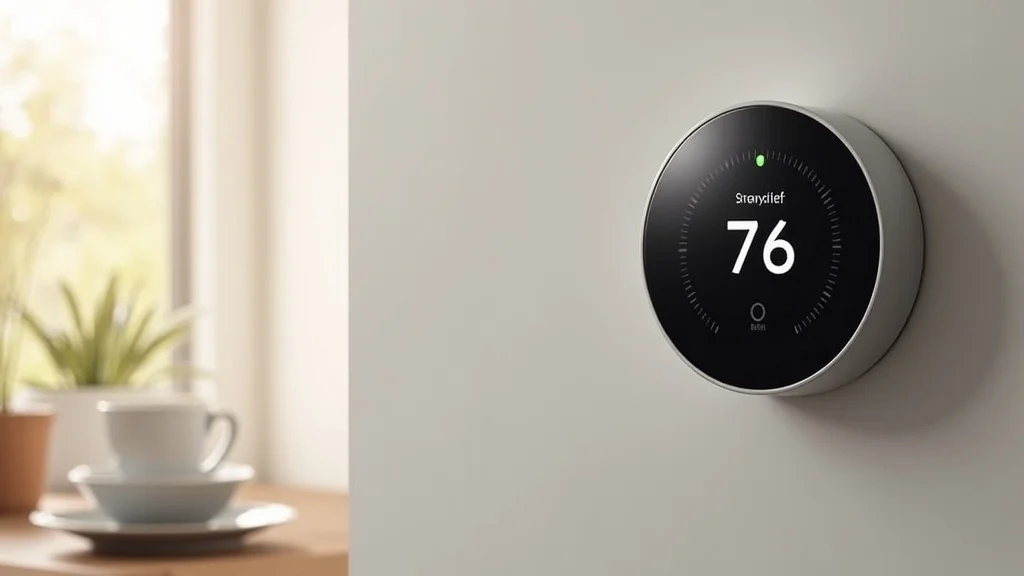
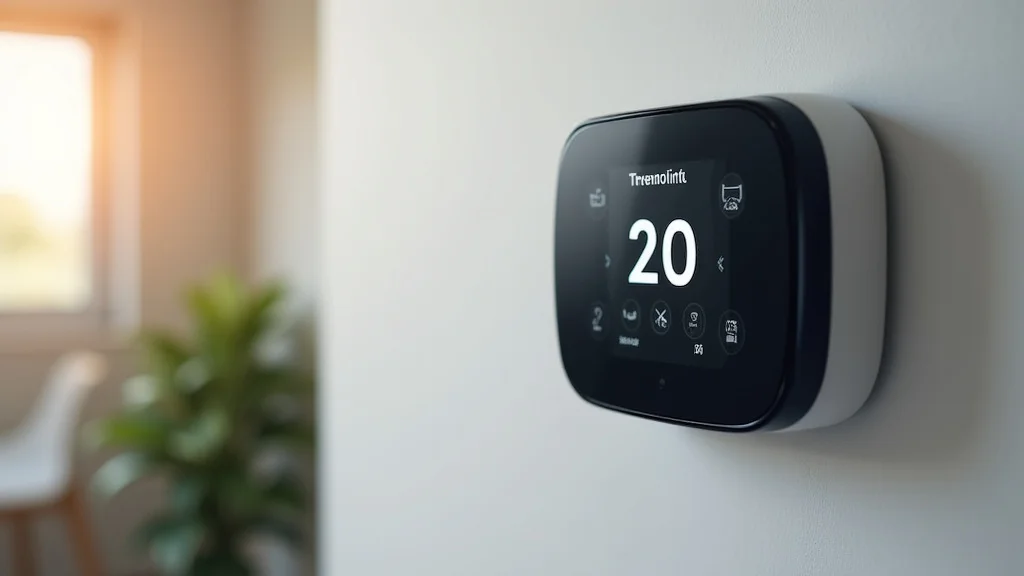
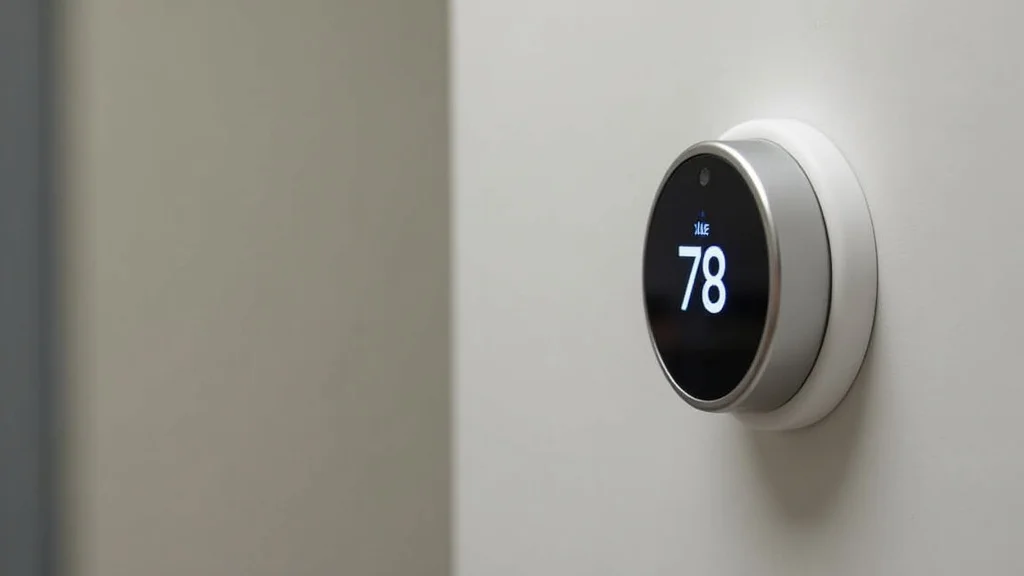
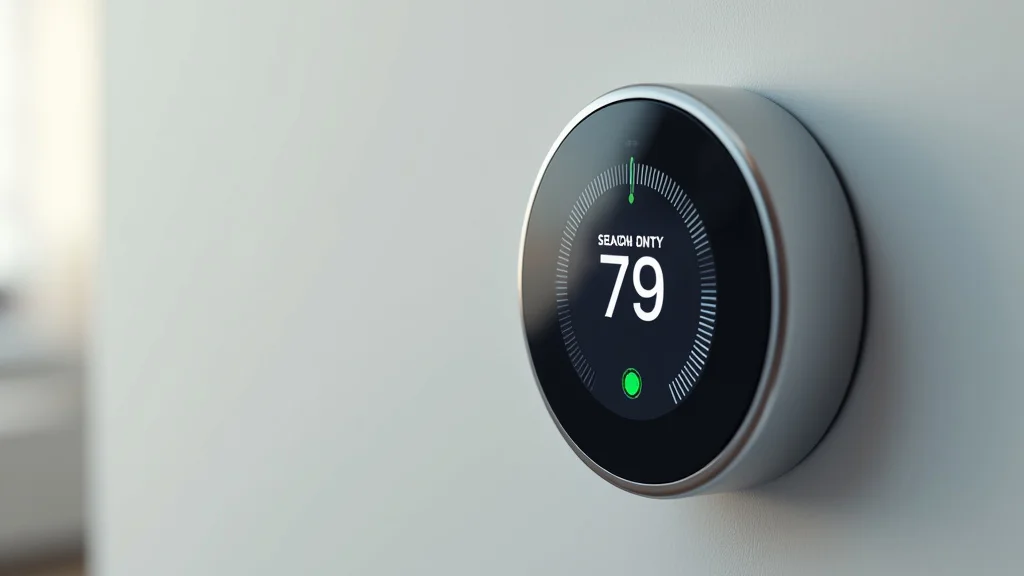
A smart thermostat represents a significant leap in home climate control technology, leveraging digital interfaces, Wi-Fi connectivity, and advanced sensors to offer enhanced functionality. These devices integrate seamlessly with mobile apps, allowing users to remotely monitor and manage their home’s temperature from anywhere in the world. Besides remote control, these smart devices provide learning capabilities, enabling them to automatically adjust settings based on your habits and preferences. They often integrate with other smart home devices and services, such as voice assistants, enhancing overall convenience and promoting energy efficiency through scheduled operation and automatic adjustments. Smart thermostats present a comprehensive approach to climate control, improving user experience and energy savings.
-
Remote Control and Accessibility: Smart thermostats let users control their home’s climate from any location via a mobile app or web interface. This accessibility provides enhanced convenience, enabling people to adjust temperatures before arriving home or in response to unexpected weather changes. This is incredibly useful for those with irregular schedules.
This remote control feature benefits people who travel frequently or have unpredictable work hours, allowing them to conserve energy when the home is unoccupied and ensure comfortable conditions upon return. It contributes to greater peace of mind knowing you can make adjustments to your climate control systems from any place.
-
Learning Capabilities and Automation: Many smart thermostats use machine learning algorithms to analyze your climate control habits. These models learn your preferences, occupancy patterns, and temperature settings to automatically adjust the temperature, providing personalized comfort while optimizing energy usage. This automatic control adapts to your lifestyle, minimizing user interaction and maximizing efficiency.
This automation helps eliminate manual adjustments and ensures the home’s climate adapts to your daily routine. By learning your preferences and adjusting settings accordingly, these units can reduce energy consumption compared to traditional thermostats. The benefit of this is also that it minimizes energy waste caused by forgotten adjustments.
-
Energy Savings and Efficiency: Smart thermostats are designed to improve energy efficiency. Features such as programmable schedules, geofencing (which adjusts settings based on your location), and energy usage reports help reduce energy waste. They allow you to set different temperatures for different times of the day or week, avoiding unnecessary heating or cooling when you are away.
Energy-efficient performance not only lowers utility bills but also reduces the carbon footprint, contributing to sustainability efforts. Using geofencing, these systems can automatically turn off your system when you are away and turn it on when you are nearing home, contributing to substantial energy savings.
Installation and Setup: Smart Thermostat vs Traditional
Installation complexity is a key difference between smart thermostat vs traditional units. Traditional models typically involve simple wiring connections, often a straightforward swap for an older unit. Smart thermostats, however, require more complex setups, often involving integrating the devices with your home’s Wi-Fi network and configuring the supporting mobile application. Compatibility is another concern. Before buying a smart thermostat, you have to verify compatibility with your existing HVAC system. Proper installation and configuration are crucial for both types. Incorrect installations can affect their performance and safety. While both types are designed for ease of use, you have to follow installation steps.
Traditional Thermostat Installation
Installing a traditional thermostat is a straightforward task suitable for people with basic DIY skills. The process generally involves disconnecting the existing thermostat, removing the faceplate, and removing the wires. Once the wires are disconnected, you can then attach them to the new thermostat, making sure to match the wiring configuration to the existing system. The final step is to mount the thermostat to the wall and secure it with screws. Following the steps closely will ensure that the unit functions correctly. The simplicity is beneficial for homeowners who want to save on installation costs or who want a quick installation process.
-
Step-by-Step Process:
- Turn off power to the HVAC system at the breaker.
- Remove the old thermostat’s faceplate and disconnect the wires.
- Take a picture of the wiring for reference.
- Connect the wires to the new traditional thermostat, matching the wire colors.
- Securely mount the thermostat to the wall.
- Turn the power back on and test the system.
The clear steps are easy to follow, making the installation process manageable without the need for extensive technical knowledge. The process makes this a DIY project for many homeowners.
-
Tools and Materials Required: The required tools are generally readily available and do not require specialized equipment. You will need a screwdriver, wire strippers, and possibly a level. The only materials required are the thermostat itself and possibly some wire connectors. This reduces the barriers to entry for DIY installation.
These minimal needs keep costs low and allow for the quick installation of the thermostat. The easy availability of tools and materials makes the traditional thermostat an accessible choice.
-
Safety Precautions: Turning off the power to the HVAC system at the breaker is a key step, as working with electrical wiring can be dangerous. Take care when handling the wires, and avoid touching any exposed wires. If you are unsure about any steps, it is always best to seek assistance from a qualified HVAC technician to prevent electrical hazards and ensure the system functions correctly.
The electrical safety during installation will help prevent shocks. Following these steps will ensure safety and reliability.
Smart Thermostat Installation
Installing a smart thermostat is more involved than installing a traditional model, as it combines the physical wiring process with Wi-Fi network integration and the setting up of mobile applications. The first step involves disconnecting the existing thermostat wires, documenting their configuration, and connecting them to the new smart thermostat. The user also has to connect the thermostat to the home’s Wi-Fi network. Smart thermostats often come with their own apps. You have to download and configure these apps. Then you can use remote control and access energy-saving features. While the process may seem complex, manufacturers provide detailed instructions, including videos and apps to guide you through it.
-
Wiring and Connection Process:
- Turn off the power to the HVAC system at the breaker.
- Remove the existing thermostat and disconnect the wires. Take a photo for reference.
- Connect the wires to the smart thermostat, referencing the wiring diagram provided by the manufacturer.
- Mount the smart thermostat to the wall.
- Turn the power back on.
The wiring steps mirror those of a traditional thermostat, but it is important to carefully follow the diagram to ensure a correct setup. The need for precise wiring connections will ensure optimal performance and prevent potential system issues.
-
Wi-Fi and App Setup: Once the thermostat is installed, you will need to connect it to your home’s Wi-Fi network. This involves navigating the thermostat’s menu and entering your Wi-Fi credentials. After this, you should download the smart thermostat app on your smartphone or tablet and follow the in-app instructions to set up an account and connect your thermostat.
Proper Wi-Fi network integration is essential for remote access and smart features. The app setup will allow users to control the thermostat from anywhere with an internet connection. The app provides user-friendly settings.
-
Compatibility and System Requirements: Before buying a smart thermostat, check that it is compatible with your HVAC system. Most smart thermostats work with common heating and cooling systems, but it is necessary to confirm compatibility to prevent system damage. Additionally, your home’s Wi-Fi network must meet certain specifications, such as a strong and stable signal.
Reviewing compatibility will minimize the risk of technical issues, preventing potential problems during setup. Checking network signal strength ensures stable communication between the thermostat and the mobile app. Confirming these steps makes sure that the product will meet your home’s requirements.
Cost Analysis: Smart Thermostat vs Traditional
The difference in cost is a key consideration when deciding between a smart thermostat and a traditional one. The initial purchase price, potential for long-term savings, and the need for professional installation will significantly impact the overall cost. Traditional thermostats generally have a lower upfront cost. Smart thermostats can be more expensive. In addition, the benefits of energy savings and the value of enhanced features must be measured against the total investment.
Upfront Costs and Purchase Price
The purchase price is the first expense to consider. Traditional thermostats are usually available at a lower price, making them an accessible option for people on a budget. Smart thermostats come with a higher price tag. This higher cost reflects the advanced technology, such as Wi-Fi connectivity, digital displays, and learning algorithms. The wide variety of models will let people pick a choice within their budget.
-
Traditional Thermostats: Traditional thermostats are usually budget-friendly. Their simple design and limited features keep their production costs down, which translates to a lower price for consumers. You can find basic models for under $50, making them a cost-effective option for many homeowners and renters.
The low price point makes these units a suitable choice for those seeking a basic, functional climate control solution without high upfront investments. The affordability makes them attractive to many buyers.
-
Smart Thermostats: These types have a higher purchase price due to their advanced features and technology. Prices can range from $100 to over $300, depending on the brand and functionality. Models offering extra features, such as advanced energy reporting and compatibility with more smart home systems, tend to be more expensive.
The added cost reflects the sophistication and potential benefits. It’s important to see these features against the price to decide if they fit your needs. The additional expense is often offset by potential energy savings, added convenience, and integration with your smart home ecosystem.
-
Factors Affecting Price: The features offered have a huge impact on the purchase price. Features, like touchscreen displays, remote access capabilities, and learning algorithms, all add to the cost. Brand reputation and product design also influence pricing. Top-tier brands with better-quality models usually cost more than other models.
Considering your needs can help you select a smart thermostat that provides the best value. Focusing on the features that matter most to you can help you avoid unnecessary expenses.
Long-Term Costs and Savings
The long-term costs of a smart thermostat vs traditional unit can vary significantly based on energy usage, utility rates, and the life span of the device. Although smart thermostats have a higher initial cost, their energy-saving capabilities can lead to considerable savings over time. Traditional thermostats typically do not have these energy-saving features, potentially leading to higher energy bills. Both thermostat types also require maintenance, replacement, and other potential costs.
-
Energy Savings Potential: Smart thermostats offer the potential for substantial energy savings. Their ability to learn your habits, adjust temperatures automatically, and be controlled remotely can lead to reduced energy consumption. Many users report savings of 10% to 20% on their heating and cooling bills by using smart features.
These long-term energy savings offset the initial investment, making a smart thermostat a valuable investment. The energy-efficient performance helps lower monthly utility bills, making a smart thermostat a sound financial decision.
-
Maintenance and Replacement: Both types of thermostats need some maintenance. Traditional thermostats require occasional cleaning. Smart thermostats may have a longer lifespan, but they rely on electronic components that can fail. Replacement costs should be factored into the overall long-term costs.
Regular maintenance will help to extend the life of any thermostat, ensuring efficient performance. Be prepared for replacement costs, which vary based on the model and type. Consider the durability and lifespan when purchasing.
-
Utility Rebates and Incentives: Some utility companies offer rebates and incentives for using energy-efficient products, including smart thermostats. These incentives can lower the upfront cost, making smart thermostats more affordable. Taking advantage of these rebates can substantially reduce the initial investment and improve the return on investment over time.
Looking into available incentives can help you make a financially smart decision. Researching local utility company offerings will reveal potential savings and help make a more informed choice.
-
DIY Installation vs. Professional Installation: Many people can install traditional thermostats by themselves, reducing installation costs. Smart thermostats, with their complex wiring and connectivity features, may require a professional installer. If the job requires a professional, the cost will typically range from $50 to $200.
The DIY option can significantly reduce the total cost of installing a thermostat, while professional installation ensures a proper setup. Evaluating your comfort level with electrical wiring and Wi-Fi configuration can help you decide which option is right for you.
-
Factors Influencing Installation Costs: The complexity of your HVAC system and the existing wiring configuration impact the installation costs. If the wiring is complicated, or if your system needs upgrades, professional installation fees will be higher. Location and local labor costs can also vary the final price.
A simple system usually means lower installation fees. The factors influencing the cost are the complexity of the system and location. It is best to get quotes from multiple HVAC technicians before making a decision.
-
Cost-Benefit Analysis: When selecting a thermostat, evaluate the costs. DIY installation eliminates the cost of a professional, making the traditional thermostat a cheaper option initially. A smart thermostat will cost more upfront. However, the energy savings and added features can balance the installation costs over the device’s lifespan.
Weigh the installation costs against the potential for long-term savings and added convenience when making your choice. If you value features, like remote access and automation, the added cost may be a justifiable investment.
Installation Costs
The installation costs are another component to consider when evaluating a smart thermostat vs traditional model. Traditional thermostats are often simple to install, making them a suitable DIY project. The installation of a smart model may necessitate a professional, increasing overall costs. Evaluating your comfort level and existing HVAC system can help you make a financially smart decision about your climate control solution.
Common Myths Debunked
Myth 1: Smart Thermostats Are Difficult to Install
In reality, many smart thermostats are designed for ease of installation, often involving straightforward wiring and step-by-step instructions. Many models come with helpful apps, online guides, and customer support to help with the installation process. While the process may seem daunting, it is often simpler than one might imagine.
Myth 2: Traditional Thermostats Are Always More Reliable
While traditional thermostats have a basic design that may seem reliable, they also are susceptible to mechanical failures. Smart thermostats can also be extremely reliable, with modern designs using durable components and over-the-air software updates to fix potential issues. Regular maintenance, for either type, is essential.
Myth 3: Smart Thermostats Only Benefit Tech-Savvy People
Smart thermostats offer benefits to anyone who wants to better manage their home’s climate. They provide energy-saving features and remote control. User interfaces are intuitive and easy to use. The learning capabilities of the systems let you automate settings. This technology can benefit all users.
Myth 4: Smart Thermostats Require a Monthly Subscription
You can purchase a smart thermostat without a recurring monthly fee. The initial purchase covers all the functions. Some smart thermostat products provide premium features, such as advanced energy reports and system alerts, that may require a subscription. This is usually optional. You can enjoy many benefits without paying anything extra.
Myth 5: Smart Thermostats Are Not Energy Efficient
Smart thermostats are designed to improve energy efficiency. Smart models are designed to learn your habits and automatically adjust your home’s temperature, reducing unnecessary heating or cooling. The advanced functions and remote control features allow for greater efficiency. The design is intended to help save energy.
Frequently Asked Questions
Question: What is the average lifespan of a smart thermostat?
Answer: The average lifespan for a smart thermostat is around 5 to 10 years, depending on the model and usage.
Question: Can I control my smart thermostat with voice commands?
Answer: Yes, many smart thermostats are compatible with voice assistants like Amazon Alexa and Google Assistant.
Question: Do I need a professional to install a traditional thermostat?
Answer: No, the installation of a traditional thermostat is usually a simple DIY task.
Question: How do smart thermostats save energy?
Answer: Smart thermostats save energy by learning your schedule, automatically adjusting temperatures, and allowing remote control, which avoids unnecessary heating or cooling.
Question: Can a smart thermostat work with any HVAC system?
Answer: Most smart thermostats work with common HVAC systems, but you should confirm compatibility before buying.
Final Thoughts
Choosing between a smart thermostat vs traditional model requires carefully evaluating your needs, budget, and desired level of control. Traditional thermostats offer simplicity, reliability, and affordability, which is ideal for someone looking for a basic control. Smart thermostats provide the best control, enhanced energy savings, and the convenience of remote access. You can find that they may have a higher upfront cost, but the benefits of automation, energy efficiency, and smart home integration can lead to substantial long-term value and increased comfort. Take into consideration your home’s HVAC system, your technological comfort level, and your goals for energy conservation. Selecting the right thermostat will offer the best solution for your home climate control.