Remember that winter morning when you woke up freezing, and then had to fumble with the thermostat, hoping to get warm before your coffee cooled? That’s where a smart thermostat can change everything. These devices are like tiny home climate wizards, learning your habits and adjusting your home’s temperature automatically. In this guide, we’ll explore the top 5 smart thermostats available right now, detailing what makes them great and which ones might best fit your home and lifestyle. You’ll learn how to choose the right one, saving money and improving comfort. By the end, you’ll know exactly which thermostat will make your home the most comfortable and energy-efficient it can be.
Key Takeaways
- Discover the best smart thermostats on the market today.
- Learn how smart thermostats can save you money on your energy bills.
- Understand the key features to look for when choosing a smart thermostat.
- Explore the ease of installation and use with these devices.
- Find out about compatibility with different home automation systems.
- See how these thermostats learn and adapt to your schedule.
Unveiling the Power of Smart Home Climate Control
The transition to a smart home has brought many changes, and one of the biggest advancements is in how we control our heating and cooling systems. Traditional thermostats require constant manual adjustment, but smart thermostats offer a smarter solution. They learn your preferred temperatures, automatically adjust to your schedule, and can be controlled remotely via a smartphone or tablet. This technology allows you to create a more comfortable home environment while simultaneously improving energy efficiency.
Key Advantages of Smart Thermostats
- Energy Savings: These thermostats help to reduce energy consumption by optimizing heating and cooling schedules.
- Remote Control: Control your home’s temperature from anywhere, ensuring comfort when you arrive.
- Learning Capabilities: They adjust to your patterns, creating an optimal heating and cooling experience.
- Integration: Integrate seamlessly with your smart home setup, including other smart home devices.
- Customization: Easily adjust settings to meet the needs of all household members.
Smart thermostats often come with energy-saving features, such as geofencing which uses your phone’s location to determine whether you’re home or not and adjust temperatures accordingly. This also creates energy savings because the thermostat will automatically reduce heating or cooling usage when nobody is present. In addition, these devices provide detailed reports on energy usage, helping you discover ways to reduce consumption even further. According to a study by Energy Star, smart thermostats can save homeowners about 10% on their heating and cooling bills.
Understanding Compatibility and Installation
One of the primary considerations when selecting a smart thermostat is its compatibility with your existing HVAC system and its ease of installation. It is critical to ensure that the thermostat is compatible with your furnace, air conditioner, and wiring system. The ease of installation varies, with some models being a straightforward swap for an old thermostat, while others may require some electrical work or professional help. Taking the time to explore this ahead of time will prevent issues during the setup process.
- HVAC System Compatibility: Verify that the thermostat is compatible with your heating and cooling system type, whether it is forced air, heat pump, or radiant heating.
- Wiring Requirements: Examine your existing thermostat wiring to ensure it matches the new thermostat’s requirements.
- DIY vs. Professional Installation: Determine whether you are comfortable installing the thermostat yourself or if you require a professional.
- Smart Home Integration: Check if the thermostat is compatible with your existing smart home ecosystem, like Apple HomeKit, Amazon Alexa, or Google Assistant.
- Battery Life: Learn about battery life or if your system needs a common wire to be functional.
Some smart thermostats are designed for easy self-installation with step-by-step instructions. Many systems offer video tutorials. If you’re not comfortable dealing with electrical wiring, professional installation can ensure the thermostat is correctly connected and functioning. In addition, some systems have special considerations depending on whether you have a smart home setup, and how you want to interact with your system.
Top 5 Smart Thermostats: Detailed Analysis
Choosing the right smart thermostat involves looking at various factors, including features, ease of use, design, and cost. Each of these smart thermostats has unique strengths. Let’s explore the top picks, analyzing their features, advantages, and ideal users. These thermostats vary in price and functionality, so the best fit will depend on your specific home and needs. We’ll delve into the details of these top models to help you make an informed decision.
Nest Learning Thermostat
The Nest Learning Thermostat is a pioneer in the smart thermostat market. It is recognized for its sleek design and the ability to learn and adapt to your temperature preferences. Nest learns your behavior and starts adjusting the temperature automatically. It uses sensors and your location to optimize your home’s temperature, saving energy. With its circular design and attractive interface, Nest is one of the most recognizable smart thermostats.
- Learning Capabilities: Nest learns your heating and cooling habits.
- Energy Savings: It provides detailed energy history and advice to help you reduce consumption.
- Design: Its sleek and modern design enhances any home decor.
- Compatibility: Nest works seamlessly with Google Assistant.
- Price: Nest is in the upper price range.
The Nest also provides monthly energy reports, showing you how much energy you’re using and giving suggestions on how to improve. Nest’s ability to learn and adjust to your schedule makes it a popular choice. The Nest Learning Thermostat provides home owners with useful data to better understand their energy use. The thermostat can automatically adjust when you’re away, and includes features like geofencing. This feature automatically adjusts the temperature when you leave or return home.
ecobee Smart Thermostat with Voice Control
ecobee thermostats are known for their advanced features, including remote sensors and built-in voice control. The ecobee uses sensors placed throughout your home to detect the temperature in various rooms, which helps ensure consistent comfort. In addition, the ecobee has a simple, intuitive app for control and is compatible with other smart home systems, like Apple HomeKit and Amazon Alexa.
- Room Sensors: Ecobee uses remote sensors to check the temperature of different rooms.
- Voice Control: Built-in Amazon Alexa allows you to control the thermostat.
- Compatibility: Works with multiple smart home platforms.
- Energy Reports: Provides insights into your energy use.
- User Experience: It offers a user-friendly interface.
The ecobee’s remote sensors are a standout feature, especially for homes with uneven heating or cooling. By placing sensors in different rooms, the thermostat can balance temperatures throughout your home, ensuring comfort. The app has a friendly layout. ecobee provides comprehensive energy reports, allowing users to understand their energy usage patterns and make changes to reduce costs. A 2019 study showed that ecobee users saved, on average, 23% on their heating and cooling costs.
Honeywell Home T9 Smart Thermostat
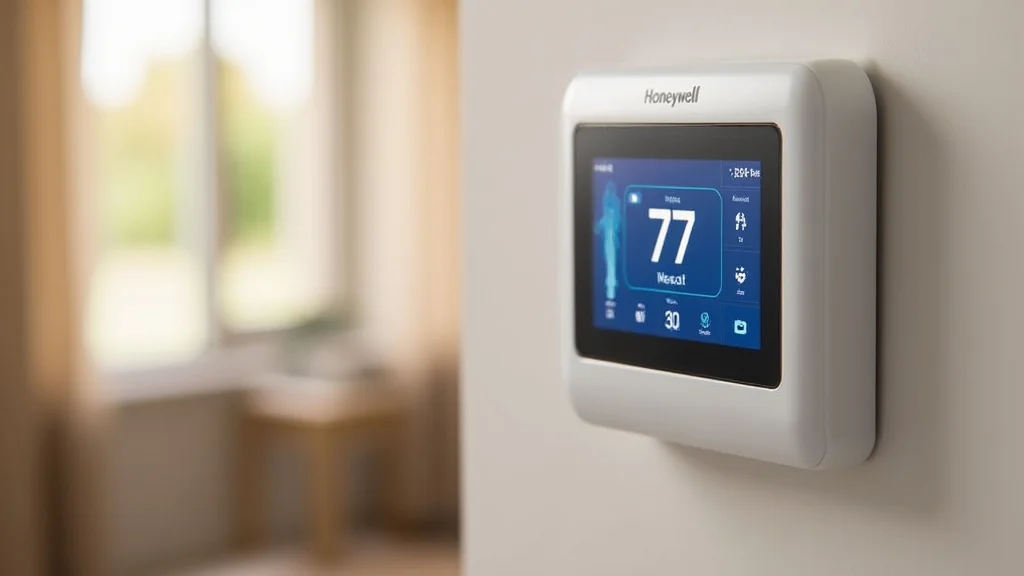
The Honeywell Home T9 is a strong pick for homes looking for precise temperature control. This smart thermostat focuses on precision. It includes room sensors to measure the temperature of different rooms. Its features make it ideal for multi-room homes. In addition, the Honeywell Home T9 offers advanced scheduling options and can be operated from any location with the Honeywell app.
- Zoned Temperature Control: Room sensors help ensure even temperatures.
- Scheduling: Detailed scheduling options offer personalized comfort.
- Smart Home Integration: Connects with Apple HomeKit, Amazon Alexa, and Google Assistant.
- Installation: Easy installation for different HVAC systems.
- User Interface: User-friendly interface in both the app and the device.
Honeywell Home T9 includes a touchscreen display that is easy to navigate, with a simple app, and is compatible with all the major smart home platforms. This thermostat is a well-rounded option for those seeking a balance of functionality, reliability, and smart home integration. The Honeywell T9 helps achieve more energy savings through geofencing and smart scheduling.
Emerson Sensi Touch Wi-Fi Smart Thermostat
The Emerson Sensi Touch is known for its affordability and ease of use. It is a user-friendly option for those new to smart thermostats. It has a high-resolution touchscreen and is straightforward to install. This makes it a great entry point into the world of smart climate control.
- Affordability: The Sensi Touch is one of the most cost-effective options.
- Ease of Use: Simple interface and easy-to-use app.
- Compatibility: Works with Amazon Alexa, Google Assistant, and Apple HomeKit.
- Installation: Designed for easy DIY installation.
- Scheduling Features: Offers advanced scheduling capabilities.
The Sensi Touch offers several practical features that enhance user convenience, including geofencing and advanced scheduling. The intuitive app makes it easy to control the thermostat from anywhere. This ease of operation makes this system perfect for families or anyone who prefers a more streamlined system. The Sensi has solid performance features, and is a great value option.
Google Nest Thermostat
The Google Nest Thermostat is the budget-friendly option from Google. It brings many of the features of the Nest Learning Thermostat at a lower price point. It has a sleek design and is user-friendly. The Google Nest Thermostat provides an accessible entry point into the world of smart climate control without sacrificing advanced features or the integration of the wider Google ecosystem.
- Cost-Effectiveness: Offers the most affordable option from Nest.
- Sleek Design: Modern look that matches modern home decor.
- Easy Installation: Simple setup for most HVAC systems.
- Smart Home Integration: Connects with Google Assistant.
- Learning Capabilities: The device learns user preferences over time.
The Google Nest Thermostat does not include the learning capabilities of the Nest Learning Thermostat. However, it still offers the core features needed for smart home control, including remote control, smart scheduling, and geofencing. The Google Nest Thermostat uses a simple interface that makes it easy to manage your home’s temperature, even if you are not tech-savvy. This makes it an outstanding choice for those new to smart thermostats.
Common Myths Debunked
Myth 1: Smart thermostats are hard to install.
Reality: While some smart thermostats require professional help, many models are designed for straightforward DIY installation. Most come with simple instructions and are easily adaptable to existing HVAC systems. Always check for compatibility before purchase. With the right preparation, installing a smart thermostat can be a simple task.
Myth 2: Smart thermostats are only for tech-savvy users.
Reality: These thermostats have become much easier to use. Many smart thermostats come with easy apps that make controlling them simple. User interfaces are designed to be intuitive, ensuring that people of all levels can manage their home’s climate control. From grandparents to children, using smart devices has become streamlined.
Myth 3: Smart thermostats don’t offer real energy savings.
Reality: Studies have proven that smart thermostats can lead to energy savings. By learning user preferences, creating optimized schedules, and using features like geofencing, these systems help you consume less energy. Many users have reported saving significantly on their energy bills. Smart thermostats help reduce overall energy consumption.
Myth 4: Smart thermostats are not secure and can be hacked.
Reality: Modern smart thermostats use robust security protocols to protect against unauthorized access. Manufacturers invest in encryption and security features to ensure data safety. It’s vital to choose a trusted brand and keep your device’s software up to date. Security in these devices is constantly improving.
Myth 5: Smart thermostats are expensive and not worth the cost.
Reality: The initial investment for a smart thermostat can pay for itself over time. Energy savings and more efficient climate control can help to offset the initial purchase cost. With many affordable choices available, smart thermostats can fit within a variety of budgets, providing an enhanced home environment without breaking the bank. There are many options to fit any price range.
Frequently Asked Questions
Question: Can I control a smart thermostat from my phone?
Answer: Yes, all the listed thermostats can be controlled remotely via a smartphone app, giving you control from anywhere with an internet connection.
Question: Are smart thermostats compatible with all types of HVAC systems?
Answer: No, compatibility varies. Before purchasing, check the manufacturer’s specifications to ensure it works with your specific system.
Question: Do I need to be tech-savvy to use a smart thermostat?
Answer: Not at all. These systems are designed to be easy to use with intuitive apps and simple controls.
Question: How do smart thermostats save energy?
Answer: They learn your habits, adjust to your schedule, and use features like geofencing to reduce unnecessary heating and cooling, conserving energy.
Question: Can I integrate a smart thermostat with other smart home devices?
Answer: Yes, most smart thermostats can integrate with systems such as Apple HomeKit, Amazon Alexa, and Google Assistant.
Final Thoughts
Choosing the best top 5 smart thermostats for your home means understanding the specific features that will best suit your lifestyle and your HVAC system. From the learning capabilities of the Nest Learning Thermostat to the room sensors of the ecobee, each device brings its own set of advantages. Consider factors like your current heating and cooling setup, your comfort preferences, and your budget when making your choice. If you want a basic system, the Google Nest Thermostat may work for you. For more advanced control, the Honeywell Home T9 or ecobee may be better. By selecting a smart thermostat that matches your needs, you can easily create a comfortable and energy-efficient home environment. This will help you save money on your bills.