Picture this: you’re snuggled on the couch, watching a movie, when a sudden chill hits. Instead of scrambling for the thermostat, you simply speak, and the temperature adjusts to your liking. Sounds futuristic? Not anymore. This is just one of the many benefits offered by a smart thermostat. But are they really better than the older, more familiar programmable thermostat? This post will break down the differences, compare features, and help you decide which one best fits your lifestyle and budget. You’ll gain a clear view of the pros and cons, learning how each type works and what to expect in terms of energy savings and convenience.
Key Takeaways
- You will discover the key differences between smart and programmable thermostats.
- You’ll understand how each thermostat type can help you save on your energy bills.
- You’ll see how smart thermostats offer advanced features like remote control and learning capabilities.
- You’ll learn about the initial costs and long-term value of both thermostat options.
- You’ll gain insight into installation and compatibility considerations.
- You will be equipped with the knowledge to make an informed decision for your home.
Smart Thermostat Versus Programmable Thermostat: What’s the Difference?
The core difference between a smart thermostat and a programmable thermostat lies in their capabilities and features. Programmable thermostats are designed to follow a set schedule that you create. You tell it when to turn the heat or air conditioning on and off, and it does so according to that schedule. Think of it as a set-it-and-forget-it device, great for those with regular routines. Smart thermostats, however, take things a step further. They connect to your home’s Wi-Fi, allowing for remote control via a smartphone app and often integrate learning capabilities, automatically adjusting your home’s temperature based on your habits and preferences.
Programmable Thermostats: The Basics
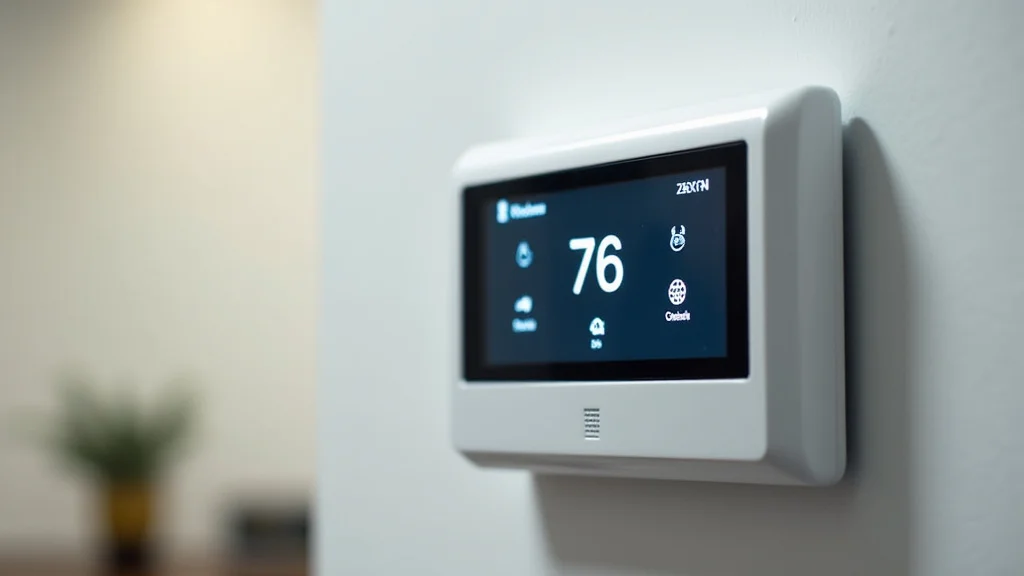
Programmable thermostats offer a level of automation to your home’s climate control. They typically allow you to set different temperature profiles for different times of the day and days of the week. These thermostats are generally more affordable upfront than their smart counterparts. They are a good starting point for people who want to save energy without the advanced features of a smart thermostat. They’re a practical option for anyone aiming to create a consistent and energy-efficient heating and cooling schedule.
- Scheduled Operation: This is the main function. You set a schedule for when the system turns on or off, and the thermostat follows it.
- Multiple Programs: Most models allow you to create multiple programs for different days or times.
- Easy to Use: Programmable thermostats often have straightforward interfaces that are easy to navigate.
- Cost-Effective: Generally, the initial cost is lower than smart thermostats, making them a budget-friendly choice.
Consider a scenario: you work Monday through Friday, 9 to 5, and want your home to be warm when you get home and cool during the night. A programmable thermostat lets you set the temperature to automatically lower when you leave for work and raise it shortly before you return, reducing energy waste. You can customize the settings to match your specific schedule, leading to noticeable energy savings over time. Moreover, most models include a simple digital display and physical buttons, making them user-friendly for people of all ages.
Smart Thermostats: Next-Level Control
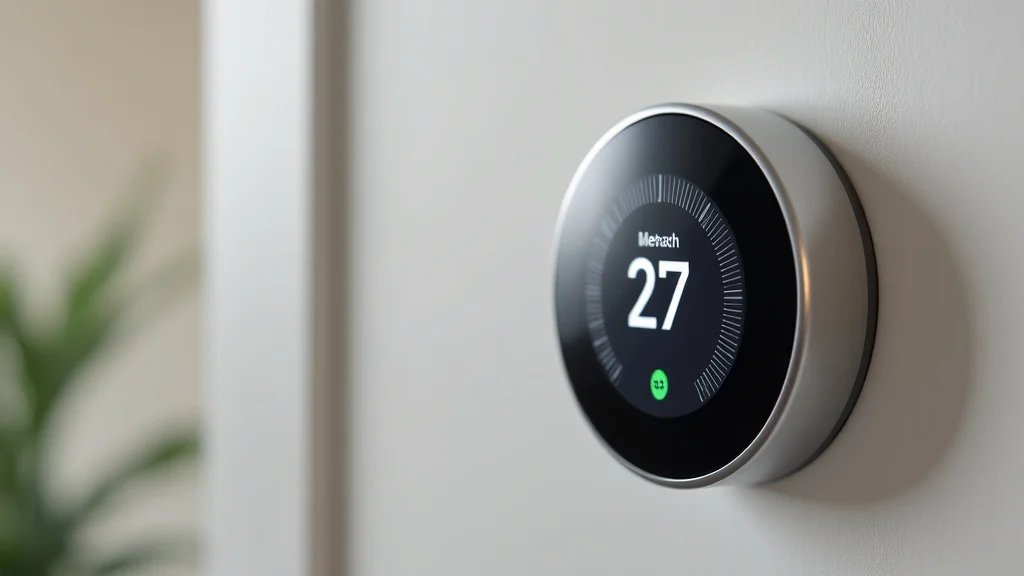
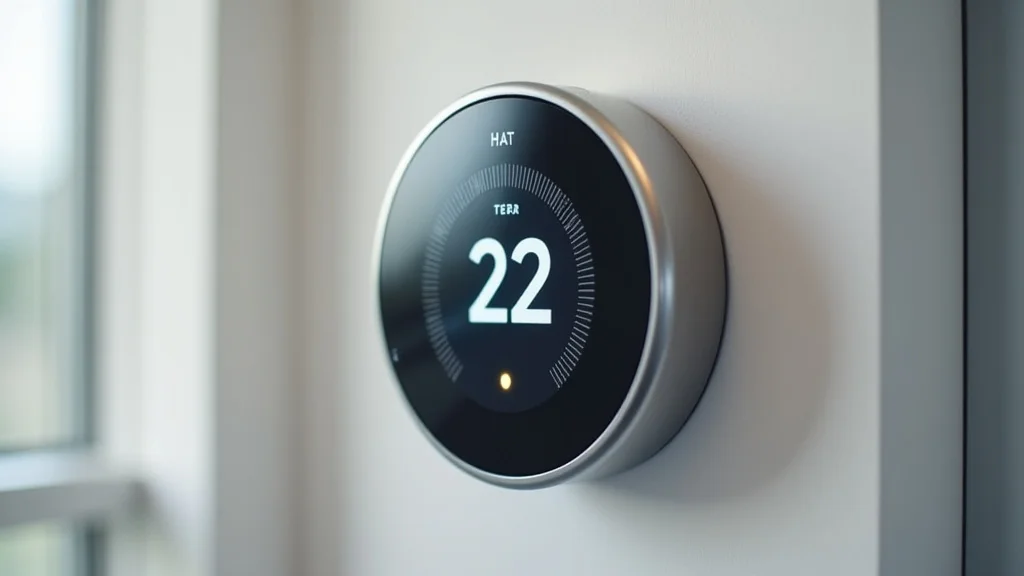
Smart thermostats are the newer, tech-advanced generation. They learn your habits and adjust your home’s temperature automatically, aiming to optimize energy use and comfort. They connect to your home’s Wi-Fi, which gives you several advantages. Through a smartphone app, you can change the temperature from anywhere. Some models can even adapt to weather conditions outside, adjusting your home’s climate control accordingly. This remote access and learning ability are the defining features of smart thermostats, providing a higher level of control and convenience.
- Remote Control: Control your thermostat from anywhere using a smartphone app.
- Learning Capabilities: Automatically learns your habits and adjusts the temperature to your preferences.
- Integration: Compatible with other smart home devices and systems.
- Energy Reports: Provides insights into your energy use and suggests ways to save.
Imagine you’re on vacation and realize you forgot to adjust your thermostat. With a smart thermostat, you can open the app on your phone and adjust the temperature immediately. Another example is if your energy company offers off-peak rates, the smart thermostat could optimize your cooling or heating schedule to take advantage of these savings. Many smart thermostats also offer geofencing, automatically adjusting your home’s climate control when you’re nearby or far away. This degree of automation helps reduce energy consumption and can increase your comfort.
Energy Savings: Comparing Costs
Both smart thermostats and programmable thermostats can help you save money on your energy bills, but they do it in different ways. Programmable thermostats offer savings by allowing you to create a schedule that minimizes energy use when you’re not home or asleep. Smart thermostats, with their learning capabilities and remote control features, can potentially offer even greater savings. The degree of savings depends on several factors, including your habits, the climate you live in, and the specific features of your thermostat. Many people are attracted to the potential for cost reduction that these thermostats offer.
Energy Savings With Programmable Thermostats
Programmable thermostats save energy primarily through scheduled temperature adjustments. By setting lower temperatures when you are away or asleep, you can reduce energy consumption. These adjustments are particularly effective in homes with predictable schedules. You can set the thermostat to lower the temperature by a few degrees during the day and raise it again before you return home from work. Over time, these small adjustments add up to significant energy savings.
- Scheduled Adjustments: Set different temperatures for different times of the day and week.
- Reduced Heating/Cooling During Off-Peak Hours: Minimize energy use when the house is empty or when you’re sleeping.
- Consistent Performance: Helps maintain consistent energy savings because you have to be consistent with programming.
A classic example involves adjusting the thermostat to 62°F (16°C) when you’re asleep and 70°F (21°C) when you are awake. Doing this can decrease energy use. When you are on vacation, you can set the temperature to a consistent setting to prevent the energy waste of heating or cooling an empty house. These thermostat functions give users a direct way to cut down on energy bills. Furthermore, it’s a simple way to create a more efficient heating and cooling system.
Energy Savings With Smart Thermostats
Smart thermostats take energy savings a step further through their learning and remote control features. They learn your habits and automatically adjust the temperature based on your presence, often using sensors and geofencing to detect whether you’re home or away. These thermostats can adapt to changes in your schedule without requiring constant manual adjustments. The energy savings from smart thermostats come from both automated adjustments and the ability to finely tune your home’s climate control. Many models also offer detailed energy reports, giving you insights into your consumption patterns.
- Learning Algorithms: Learn your preferred temperatures and adjust automatically.
- Remote Control and Geofencing: Allows temperature adjustments from your smartphone, saving energy.
- Energy Usage Reports: Provides insights into energy consumption to help you manage your use.
- Integration with Smart Home Systems: Works with other devices to optimize energy consumption.
Consider a situation where you suddenly decide to work from home. With a smart thermostat, the system quickly adapts to the change. Using your smartphone app, you can adjust the temperature to ensure your comfort. An example of smart use includes a thermostat using geofencing. As you approach your home, the thermostat turns the climate system on to make sure the home is a pleasant temperature. These dynamic features result in better energy savings compared to regular systems.
Installation and Compatibility
Installation and compatibility are important factors when choosing between a smart thermostat and a programmable thermostat. Programmable thermostats are generally easy to install, often involving simply replacing an old thermostat with a new one using the same wiring. Smart thermostats, however, may require more effort, especially if they have advanced features or connect to other smart home devices. It is always wise to assess your home’s wiring and the existing HVAC system before making your decision.
Installing a Programmable Thermostat
Installing a programmable thermostat is usually a straightforward process. The majority of models are designed to be a direct
- Turn Off Power: Always disconnect power to your HVAC system before beginning.
- Remove Old Thermostat: Carefully detach the existing thermostat and note the wiring.
- Wire Connection: Connect the wires from your HVAC system to the new thermostat, matching the wire labels.
- Test the System: After installing, turn the power back on and test to ensure it works properly.
A common scenario involves replacing an old, manual thermostat with a new programmable model. You would turn off the breaker, detach the wires from the old thermostat, and then connect them to the new one. Most thermostats have color-coded wires, making it a simple job. For example, if you have a wire labeled “R,” you connect it to the corresponding “R” terminal on the new thermostat. After setting up the thermostat, you can program it to match your schedule. If you are unsure, professional installation is always an option.
Installing a Smart Thermostat
Installing a smart thermostat can be slightly more complicated than installing a programmable one. Often, they require a neutral wire that is not always present in older homes. You will want to verify your system’s compatibility before purchasing, and you will want to read all the instructions. Smart thermostats connect to your home’s Wi-Fi network during setup, and you’ll download the associated app. While professional installation is an option, many people choose to install them themselves, provided their wiring is compatible and they are comfortable with basic electrical tasks.
- Check Compatibility: Confirm your HVAC system is compatible with the smart thermostat.
- Wiring Assessment: Note the wiring of your current thermostat.
- Power Down: Turn off the power to your HVAC system.
- Wi-Fi Setup: Connect the smart thermostat to your home’s Wi-Fi network using the app.
- Professional Help: When in doubt, call a professional.
In many instances, the installation of a smart thermostat is similar to a programmable thermostat. But if your home lacks a C-wire (common wire), you may need to add one. You may have to connect the smart thermostat to your Wi-Fi network and then download the app. The app allows you to control the thermostat. Before installing, it’s wise to review the wiring diagram provided in the thermostat’s instructions. If you’re not comfortable working with electrical components, it is always a good idea to consult a professional to ensure safety and proper operation.
Smart Thermostat Features and Benefits
Smart thermostats offer a range of advanced features that set them apart from programmable thermostats. The ability to monitor your home’s climate control through a smartphone, along with sophisticated learning capabilities, are among the most appealing benefits. These features often contribute to increased energy savings, enhanced convenience, and better overall comfort. Smart thermostats bring a modern touch to home climate control, offering a wide array of options to homeowners.
Remote Access and Control
The ability to control your smart thermostat remotely is one of its biggest advantages. This remote access is available through a smartphone app, so you can change the temperature from almost anywhere. This means that if you are away and want to prepare the house for your return, or you’re already home and want to adjust the system, you can do so quickly and easily. This feature enhances convenience and helps you quickly react to changes in your schedule or sudden weather shifts. With this kind of access, you can ensure that your home is comfortable, no matter your location.
- Smartphone App Control: Manage your thermostat from your smartphone or tablet.
- Real-Time Monitoring: View the current temperature and system status remotely.
- Scheduling Adjustments: Adjust your schedule as needed, right from your phone.
Picture this scenario: you’re traveling and realize you accidentally left the thermostat set too high or low. With remote access, you can immediately adjust the temperature to conserve energy and save money on your bill. Another example is if unexpected company comes over, you can raise the temperature. Remote access provides a level of freedom and responsiveness that basic programmable thermostats cannot match. It can be a very helpful feature, adding significant convenience to home climate control.
Learning and Automation
Smart thermostats use learning algorithms to figure out your patterns. They remember your temperature preferences and automatically adjust settings to maximize comfort and efficiency. They can even learn your home’s heating and cooling behavior, compensating for weather changes and your daily routines. These thermostats minimize energy waste, without requiring you to manually set the temperature every time. They bring automation to your home climate control.
- Learning Algorithms: Learn your schedule and preferences over time.
- Automated Adjustments: Make adjustments based on your habits and weather conditions.
- Personalized Comfort: Create a personalized comfort experience without manual adjustments.
Consider a situation where you normally wake up at 7 AM and leave for work at 8 AM. The smart thermostat will learn these habits. It then gradually adjusts the temperature before 7 AM so that the house is comfortable when you wake up. In the evening, the system lowers the temperature when you are likely to be asleep or away. This automation helps you save on energy costs by reducing unnecessary heating and cooling. Furthermore, the thermostat learns your comfort settings, improving the experience of the home’s climate control.
Integration with Smart Home Systems
Another major advantage of smart thermostats is their ability to integrate with other smart home systems. Many thermostats work with systems like Amazon Alexa, Google Assistant, and Apple HomeKit, providing voice control and the ability to include climate control within larger automation setups. The smart system can sync with your other devices, allowing for seamless integration. The integration gives you control to make your home more comfortable, and it provides a more seamless experience across multiple devices.
- Voice Control: Control your thermostat using voice assistants.
- Automation Scenes: Coordinate with other smart devices.
- System Compatibility: Integrate with popular platforms.
Imagine that you are creating a “movie night” scene. You can ask your voice assistant to dim the lights, lower the blinds, and adjust the thermostat to a comfortable temperature, all with a single command. With the smart home integration, you can also have your thermostat communicate with your smart locks. For example, the system lowers the temperature when you leave and raises it when you return. These integration capabilities give you greater control over your home’s climate control and make your smart home more convenient.
Common Myths Debunked
Myth 1: Smart Thermostats Are Difficult to Install
Many believe that installing a smart thermostat is a complex task. The truth is, while some models do require more steps than a basic programmable thermostat, most are designed for easy installation. Many smart thermostats have a straightforward wiring process that you can do with simple tools. With clear instructions, most homeowners can install them. If you’re not comfortable with electrical work, it’s always best to hire a professional.
Myth 2: Programmable Thermostats Offer the Same Savings as Smart Thermostats
While programmable thermostats can help you save on energy bills by following schedules, they don’t provide the advanced energy-saving capabilities of smart thermostats. Smart thermostats adapt to your habits, offer remote control, and often integrate with other smart home devices. While programmable thermostats let you control your HVAC system, smart thermostats use technology to improve savings.
Myth 3: All Smart Thermostats Require a C-Wire
While a C-wire (common wire) is important for some smart thermostat models to work properly, it’s not a must-have for all of them. Some smart thermostats can operate without a C-wire, utilizing alternative power solutions or battery backup. Be sure to check your HVAC system’s wiring before buying a thermostat. If your system does not have a C-wire, you can buy a compatible model or add a C-wire to the wiring.
Myth 4: Smart Thermostats Are Only for Tech-Savvy Homeowners
Smart thermostats have user-friendly apps and interfaces, so they’re easy for anyone to control. Many models are designed for ease of use. While there are advanced features, the basics are simple to grasp, allowing all users to manage their home climate efficiently and effectively. Whether you’re a tech expert or not, the features of a smart thermostat are accessible to people of all experience levels.
Myth 5: Smart Thermostats Only Work in Modern Homes
Smart thermostats are made to work in a variety of home types, including older homes. Compatibility comes down to your HVAC system, not your home’s age. It is always wise to assess your HVAC system’s wiring and confirm that it is compatible with the smart thermostat you choose. With the correct setup, a smart thermostat can enhance the climate control in any home, old or new.
Frequently Asked Questions
Question: Can I install a smart thermostat myself?
Answer: Yes, many smart thermostats are designed for easy self-installation. Instructions and online resources are available. However, if you are not comfortable working with electrical components, it’s best to hire a professional.
Question: How do smart thermostats save energy?
Answer: Smart thermostats save energy by learning your habits, adjusting temperatures automatically, and allowing remote control. These features help reduce energy waste by heating or cooling only when needed.
Question: Are smart thermostats compatible with my existing HVAC system?
Answer: Most smart thermostats work with a wide range of HVAC systems. Before you buy, check the compatibility information, which is available on the manufacturer’s website or the product box.
Question: Do I need a C-wire for a smart thermostat?
Answer: While some smart thermostats need a C-wire for power, others do not. Check the specifications. You may need to add a C-wire or use an alternative power solution.
Question: What is geofencing?
Answer: Geofencing is a feature that uses your smartphone’s location to automatically adjust the temperature of your home. The thermostat can change settings as you approach or leave, providing convenience and potentially saving energy.
Final Thoughts
Both smart thermostats and programmable thermostats bring advantages to your home climate control. Programmable thermostats provide an affordable way to gain basic energy savings via scheduled changes. Smart thermostats offer additional benefits through their learning capabilities, remote control features, and connectivity to other smart home devices. The best choice comes down to your needs, budget, and lifestyle. If you desire convenience, automation, and advanced energy-saving capabilities, a smart thermostat may be the better option. If you seek a straightforward, cost-effective solution, a programmable thermostat might be ideal. Consider your daily habits, the climate you live in, and your home’s technology setup. Making the right decision can improve your home’s comfort and lead to savings. Take some time to assess your specific situation. This will help you select the thermostat that is best for you and your home.