Picture this: You’re cozy on the couch, but the temperature upstairs is freezing! Or maybe you’re out of town and worry about energy waste. That’s where smart thermostats with remote sensors come in. These techy marvels keep your home comfy and help you save money. This post explores everything you need to know about these helpful devices. You’ll learn how they work, why they’re useful, and how to choose the right one for your home, improving your home’s comfort and energy efficiency. Read on to gain valuable insights to improve your home’s thermal management.
Key Takeaways
- Smart thermostats with remote sensors offer personalized comfort by monitoring temperatures in multiple areas.
- Remote sensors help eliminate hot and cold spots by averaging readings.
- You can control many systems remotely, using a smartphone or other devices.
- Installation is generally straightforward, often a DIY project with clear instructions.
- Energy savings are a significant benefit of these thermostats.
- They integrate with other smart home devices.
How Smart Thermostats and Their Remote Sensors Work
The core concept of a smart thermostat with remote sensors centers on enhanced environmental monitoring and control. Traditional thermostats only measure the temperature in a single location, often in a hallway or living room. This can lead to uneven heating or cooling throughout your home, especially in larger houses or those with multiple floors. Smart thermostats, however, are designed to address this issue by using a network of sensors. These sensors communicate wirelessly with the main thermostat unit, constantly relaying temperature and sometimes humidity data from various rooms in your house.
This information allows the thermostat to make intelligent decisions about your home’s climate. If a room with a remote sensor is significantly colder than the setpoint, the thermostat will work harder to heat that space. The thermostat can actively adjust the settings to maintain the desired temperature across the entire home, creating a balanced and comfortable environment. Furthermore, smart thermostats often learn your heating and cooling preferences, adjusting schedules to provide the highest comfort with the best possible energy savings.
The Central Thermostat Unit
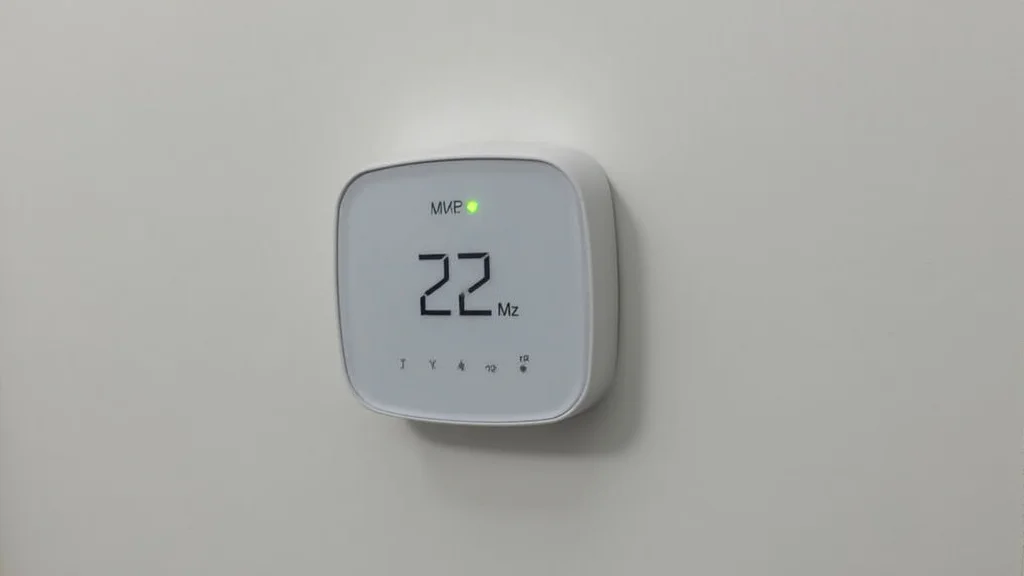
The central unit is the “brain” of the smart thermostat with remote sensors system. It is usually mounted on a wall and connected to your home’s HVAC system. It has a display screen, which shows the current temperature, humidity levels, and system settings. The unit also houses the processing power needed to receive data from the remote sensors, analyze the information, and send commands to the HVAC system to adjust the temperature. Its ability to connect to Wi-Fi allows for remote access and control using a smartphone app.
- Connectivity: The central unit connects to your home’s Wi-Fi network, enabling remote control and integration with other smart home devices.
- User Interface: The thermostat unit itself typically features a touchscreen or buttons for direct control, displaying current temperatures, setpoints, and system status.
- Programming: Users can set heating and cooling schedules, customize temperature settings, and enable energy-saving modes.
- Learning Capabilities: Some models learn your habits and adjust settings automatically to optimize comfort and energy efficiency.
Here’s a breakdown of the functions of the central unit:
- Receiving Data: The main unit receives temperature readings and other environmental data from the remote sensors.
- Data Analysis: It analyzes the collected data, comparing the temperature in various rooms to the setpoint.
- HVAC Control: Based on the data analysis, the unit sends signals to your HVAC system (furnace, air conditioner, or heat pump) to start, stop, or adjust the temperature.
- User Interaction: The unit allows homeowners to set the target temperature, create schedules, and receive alerts.
The Remote Sensors Explained
The remote sensors are small, wireless devices strategically placed throughout your home. They constantly measure the temperature in their location and transmit this data back to the central thermostat unit. Unlike a single thermostat, these sensors provide a comprehensive view of the temperature profile of a home. This is especially helpful in large homes where temperatures can vary significantly from one area to another. By distributing these sensors, you can eliminate cold spots in rooms. Modern sensors sometimes also measure other environmental factors like humidity, motion, and even light levels, providing an even more complete picture of your home’s climate.
- Placement: Sensors can be placed in various rooms to measure temperature in different zones.
- Wireless Communication: They use wireless technology, like Wi-Fi or Bluetooth, to communicate with the main thermostat.
- Battery Powered: Remote sensors are typically battery powered, making them easy to install without the need for additional wiring.
- Data Transmission: They regularly send temperature data to the thermostat, allowing for real-time adjustments to your heating or cooling system.
Here are some examples of what the sensors could detect:
- Temperature: Measuring the exact temperature of different rooms.
- Humidity: Measuring the humidity level in different rooms.
- Motion: Some sensors can also detect motion and automatically adjust the temperature to save energy.
How the System Works Together
The magic happens when the central thermostat and remote sensors work in tandem. The main thermostat receives data from all sensors. It then determines how to manage your home’s heating or cooling. If one room is colder than the set temperature, the thermostat sends signals to your HVAC system to heat that area. If the home has multiple zones, the thermostat can control dampers in the ductwork. This allows precise temperature control in different areas of your home. It’s like having a personalized climate system.
Think about a two-story home with a central air conditioning system. The bedrooms upstairs tend to get warmer than the main living areas downstairs. With a smart thermostat with remote sensors, you can place sensors in each bedroom. The thermostat can then use the data from these sensors to ensure the bedrooms are the desired temperature. If the bedrooms are too hot, the system will increase the cooling output to those zones. The thermostat will also monitor the temperature in the living areas to maintain a consistent climate throughout the house.
For example, imagine a large family room that often gets more direct sunlight. A remote sensor in this room could detect a rise in temperature during the afternoon. The smart thermostat will then trigger the air conditioning to cool down the family room to maintain comfort. You are in control of the temperature for each room, using the smart sensors.
Energy Savings and Enhanced Comfort with Smart Thermostats
One of the main benefits of smart thermostats with remote sensors is their ability to help you save energy and reduce your utility bills. By optimizing your home’s climate control, these thermostats can prevent energy waste and help you achieve significant savings. Unlike a basic thermostat that only reads the temperature in one place, smart thermostats offer a far more efficient approach by understanding where your home truly needs heating or cooling. This allows for more targeted use of energy.
The EPA estimates that you can save around 10% on your heating and cooling costs by setting your thermostat back 7-10 degrees for 8 hours a day. (Source: U.S. Environmental Protection Agency) These thermostats can make these savings easy to achieve because of the automation and smart features.
Energy-Saving Features
Smart thermostats come loaded with features designed to reduce energy consumption. These features work automatically to regulate your home’s climate. Some devices even learn your habits to personalize your energy-saving experience. You can manage your energy usage from anywhere using your smartphone.
- Smart Scheduling: Set custom heating and cooling schedules that suit your lifestyle.
- Geofencing: Uses your phone’s location to automatically adjust the thermostat when you leave or return home.
- Energy Usage Reports: Track your energy consumption patterns, helping you adjust your usage.
- Adaptive Learning: Many thermostats learn your heating and cooling preferences over time.
Let’s look at a few examples of how they work:
- Programmable Schedules: You can set the thermostat to lower the temperature while you are at work and raise it shortly before you return home.
- Occupancy Sensors: Some thermostats use motion sensors to detect if a room is occupied. If a room is empty for a specified period, the thermostat will adjust the temperature to save energy.
- Smart Home Integration: They can integrate with other smart home devices like window and door sensors to improve energy efficiency. For example, if a window is open, the thermostat might turn off the air conditioning or heating to conserve energy.
Improved Comfort
Besides saving money, smart thermostats improve comfort throughout your home. They eliminate hot and cold spots that can make your home uncomfortable. You can customize the temperature settings for individual rooms. This helps create a more balanced and comfortable environment, providing an optimal living experience.
- Even Temperature Distribution: By using multiple sensors, the thermostat ensures a consistent temperature throughout your home, regardless of how sunlight or activity in a room affects the local temperature.
- Personalized Comfort: You can customize settings for individual rooms, giving each area of your home the perfect temperature.
- Remote Control: You can adjust the temperature from anywhere using your smartphone, making it easy to return to a comfortable home.
- Reduced Temperature Swings: Smart thermostats maintain a steady temperature, preventing dramatic temperature changes.
Imagine the following scenario. You have a room that tends to get colder than the rest of your house. By placing a remote sensor in this room, the thermostat can detect the lower temperature. The thermostat adjusts the heating to ensure that the room reaches the set temperature. No more chilly rooms. This improved comfort is a great benefit of a smart thermostat with remote sensors.
Choosing the Right Smart Thermostat With Remote Sensors
With a variety of models available, selecting the right smart thermostat with remote sensors can seem difficult. Making a smart choice involves considering several factors, including your home’s HVAC system, budget, features, and desired level of integration with other smart devices. You’ll want to carefully examine each feature before making a purchase. A well-chosen thermostat can transform your home’s climate control, leading to energy savings and improved comfort.
Before you buy, assess your specific needs and preferences. Start by considering your budget. Prices vary widely, and you can find models from budget-friendly options to high-end smart home systems. Next, examine the features that appeal to you. If you already have a smart home ecosystem, check for compatibility with those devices. Then, think about installation. Most thermostats are designed for easy DIY installation, but if you have an older system or aren’t comfortable with electrical work, you may need a professional. The following factors can help you make an informed decision.
Compatibility and Installation
The first step is to ensure that the thermostat is compatible with your HVAC system. Most smart thermostats work with common systems like furnaces, air conditioners, heat pumps, and dual-fuel systems. Before you buy, check the thermostat’s compatibility list or consult with a professional if you’re uncertain. Additionally, consider the ease of installation. Many smart thermostats are designed for easy, do-it-yourself (DIY) installation. They come with clear instructions and diagrams. Most installations involve disconnecting the wires from your old thermostat and connecting them to the new smart thermostat. If you are not comfortable with electrical work, consider hiring a professional. The ease of installation will also affect your decision.
- HVAC System Type: Verify that the thermostat is compatible with your heating and cooling system (furnace, air conditioner, heat pump).
- Wiring: Check the wiring in your existing thermostat to ensure it matches the new one’s requirements.
- DIY vs. Professional Installation: Determine whether you’re comfortable installing the thermostat yourself or if you’ll need professional help.
- Existing Smart Home Ecosystem: Verify that the thermostat integrates with your existing smart home devices.
Before buying your thermostat, here is what you need to do:
- Inspect the Wiring: Turn off power to the thermostat and remove the faceplate to expose the wiring. Take a picture of the wiring for reference.
- Identify Wires: Note the color and labels of each wire connected to the old thermostat. This will help you identify the corresponding terminals on the new thermostat.
- Follow Instructions: Connect the wires to the new thermostat according to the manufacturer’s instructions, matching the labels.
- Power Up and Test: Turn the power back on and test the thermostat to ensure it controls your HVAC system correctly.
Features and Functionality
When choosing a smart thermostat with remote sensors, assess the features that will best suit your needs. Do you want basic temperature control or advanced features like geofencing or voice control? Consider which features are most important to you. Many models come with scheduling capabilities, allowing you to set different temperatures for different times of the day and days of the week. Some offer geofencing. This feature uses your smartphone’s location to automatically adjust the thermostat when you leave or return home. Voice control via virtual assistants like Amazon Alexa and Google Assistant can add convenience. Consider factors like smartphone app functionality. Ensure the app is easy to use and provides all the controls and information you need.
- Scheduling: Ability to set custom heating and cooling schedules.
- Remote Access: The ability to control the thermostat from a smartphone or other devices.
- Geofencing: Automatically adjusts the thermostat based on your location.
- Voice Control: Compatibility with virtual assistants like Amazon Alexa or Google Assistant.
- Energy Usage Tracking: Ability to track your energy consumption.
Here are some examples of features to consider when choosing a thermostat:
- Scheduling: Program different temperatures for weekdays and weekends to save energy.
- Geofencing: The thermostat automatically adjusts to an energy-saving temperature when you leave home and returns to your preferred temperature when you come back.
- Voice Control: Use voice commands to adjust the temperature or set schedules via smart assistants like Alexa or Google Assistant.
- Smart Home Integration: Connect to other smart devices, like smart lighting or door and window sensors, to improve energy efficiency.
Connectivity and Integration
Many smart thermostats integrate with a broad array of devices. If you have other smart home devices, make sure your thermostat is compatible. Integration capabilities can expand the functionality of your smart thermostat with remote sensors. This is great for an enhanced smart home experience. It can allow you to control your thermostat using voice commands. It can even automate your system with other smart devices. This integration with other smart home ecosystems allows for improved automation and convenience.
- Smart Home Platforms: Check for compatibility with platforms like Apple HomeKit, Amazon Alexa, or Google Assistant.
- Other Devices: Verify that the thermostat can work with other smart home devices like smart lighting, door locks, and security systems.
- App Compatibility: Ensure the thermostat’s app is compatible with your smartphone or tablet.
- Wireless Standards: Look for thermostats that support the latest wireless standards, such as Wi-Fi and Bluetooth.
How do smart thermostats integrate with your smart home? Here’s an example:
- Integration with Smart Lights: You can set up your smart lights to turn on automatically when the thermostat detects motion in a room.
- Smart Door Locks: You can integrate your door locks with your thermostat. As you lock your doors, the thermostat can automatically adjust to energy-saving settings.
- Voice Control: Use your voice to control your thermostat and adjust the temperature or schedule changes via smart assistants like Alexa or Google Assistant.
Common Myths Debunked
Myth 1: Smart thermostats are hard to install.
The reality is that most smart thermostats with remote sensors are designed for easy installation. Many models include straightforward step-by-step instructions, and you can usually install them with basic tools. The process typically involves removing your old thermostat, attaching the new one to the existing wiring, and connecting to your home’s Wi-Fi network. While professional installation is an option, many homeowners find that they can successfully handle the installation themselves.
Myth 2: They are only for high-tech homes.
The misconception that smart thermostats are only for high-tech homes is false. These devices can be beneficial for any home. They are designed to be user-friendly and can integrate with existing heating and cooling systems, regardless of the level of technology in your home. They are an accessible way to improve comfort and energy efficiency. You do not need to have a fully automated smart home to benefit from a smart thermostat.
Myth 3: Smart thermostats are not energy efficient.
Smart thermostats are designed to be energy efficient. They provide precise climate control and smart features, like scheduling and geofencing. They can optimize your home’s energy use, leading to lower energy bills and reduced environmental impact. The ability to monitor and adjust temperatures remotely helps to minimize energy waste. The ability to customize schedules and temperature settings can optimize energy use. The thermostat also automatically adjusts to your needs, which improves overall energy efficiency.
Myth 4: The remote sensors are difficult to manage.
Managing remote sensors is typically simple. The sensors are usually wireless and battery-powered, so you can place them wherever you need. The thermostat’s app allows you to monitor and control the sensors. You can easily adjust settings and view the data collected. The ease of use helps you personalize your home’s climate control. Most smart thermostats with remote sensors offer user-friendly interfaces, making it easy to manage your home’s temperature.
Myth 5: All Smart Thermostats Offer the Same Features
This is inaccurate, as different models offer a variety of features. From basic models to sophisticated systems, the options are varied. The range of options allows you to select a thermostat that matches your needs and budget. Different models come with varying levels of integration with other smart home devices. They also vary in their capacity for energy monitoring. Knowing these differences can help you make a decision that matches your preferences.
Frequently Asked Questions
Question: How do remote sensors improve my home’s comfort?
Answer: Remote sensors measure the temperature in multiple areas of your home, helping the thermostat to eliminate hot and cold spots by averaging readings.
Question: Is it difficult to install a smart thermostat?
Answer: No, most smart thermostats are designed for easy DIY installation and come with clear instructions. However, if you are not comfortable with electrical work, you should consider professional installation.
Question: Can I control my smart thermostat from my phone?
Answer: Yes, almost all smart thermostats offer remote control via a smartphone app. You can adjust the temperature, set schedules, and monitor energy usage from anywhere with an internet connection.
Question: Do I need to replace my existing HVAC system to use a smart thermostat?
Answer: No, smart thermostats are generally compatible with existing heating and cooling systems like furnaces, air conditioners, and heat pumps. Always verify compatibility before purchasing.
Question: How much money can I save with a smart thermostat?
Answer: Energy savings vary based on usage and location. However, many users report saving 10-20% on their energy bills by optimizing their heating and cooling schedules and using other energy-saving features.
Final Thoughts
Smart thermostats with remote sensors offer a powerful solution for enhanced home comfort and energy efficiency. These systems provide personalized climate control by measuring temperatures in multiple areas, ensuring an even and comfortable environment. Their ability to learn your habits, along with features like remote access and scheduling, lets you effortlessly manage your home’s temperature, even when you’re away. As you have learned, selecting the correct smart thermostat depends on your home’s system, lifestyle, and preferences. With so many models available, consider your specific needs. From simple setups to comprehensive smart home integration, there is a device to improve your home’s climate management. You now have the knowledge to create a more comfortable and energy-efficient living space. Explore the options and embrace the benefits these innovative devices can bring.