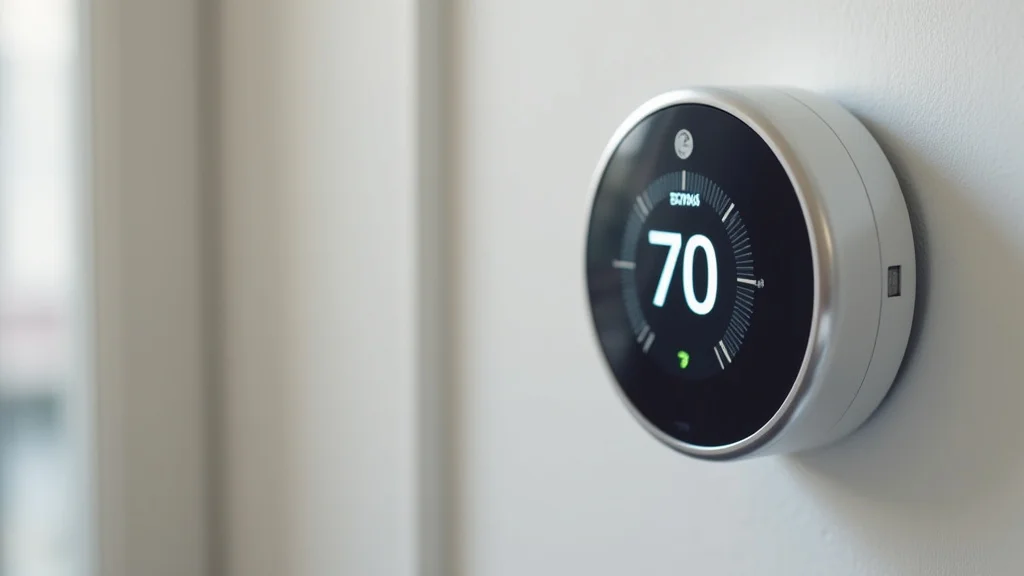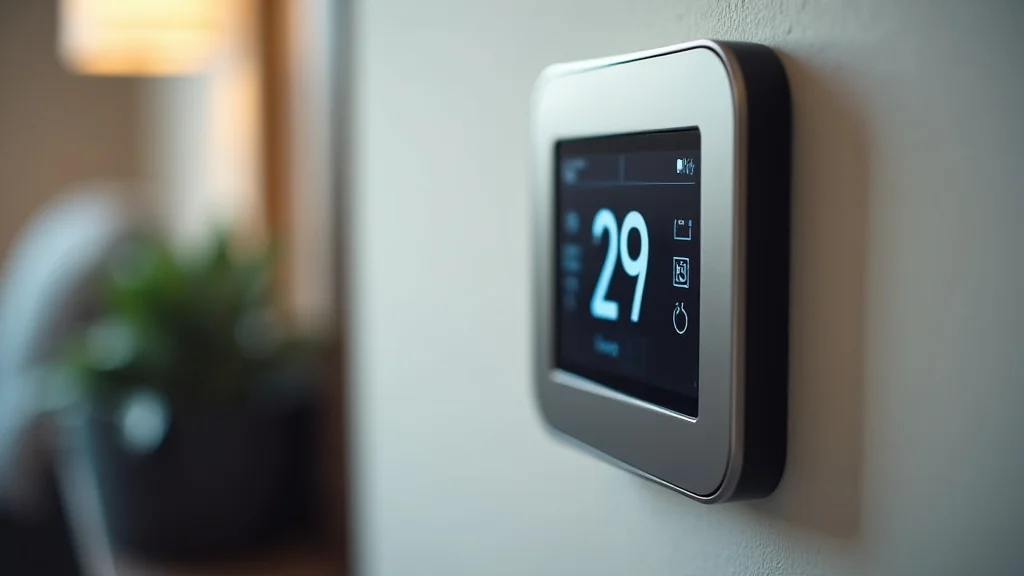
Imagine checking into a hotel room after a long day of travel, only to find the room uncomfortably cold or sweltering hot. Frustrating, right? Now, picture a hotel that anticipates your needs, adjusting the temperature before you even arrive. This is the promise of smart thermostats for hotels. This guide explores how these devices revolutionize the hospitality industry, focusing on energy savings and guest comfort. You will gain a clear insight into how smart thermostats for hotels work, the advantages they offer, and how they can improve both a hotel’s bottom line and the guest experience. Read on to discover how to make hotels more efficient and guest-friendly!
Key Takeaways
- Smart thermostats for hotels automate temperature control for efficiency.
- These devices reduce energy consumption, lowering operational costs.
- Guest satisfaction increases due to personalized comfort settings.
- Remote management and data analytics improve operational decision-making.
- Integration with existing hotel systems is straightforward and adaptable.
- The devices offer a clear return on investment through energy savings.
Transforming Hotel Operations With Smart Thermostats
Hotels are energy-intensive operations. They must keep a comfortable environment for guests around the clock. Traditional thermostats offer limited control and often result in wasted energy when rooms are unoccupied. Smart thermostats for hotels offer a solution by providing better temperature management, which is important for the hospitality industry. They use advanced sensors and connectivity to automatically adjust settings based on occupancy, time of day, and even weather conditions. This allows hotels to reduce their energy costs significantly. Installing them can lead to substantial improvements in a hotel’s energy efficiency. In fact, many hotels have started using them to reduce their carbon footprint.
Automated Temperature Control and Occupancy Detection
The core benefit of smart thermostats lies in automated temperature control. Unlike standard thermostats, smart versions can “learn” guest preferences and room occupancy. They can detect when a room is vacant by using several methods. These include motion sensors, door sensors, and integration with the hotel’s property management system (PMS). When a room is unoccupied, the thermostat automatically adjusts to an energy-saving setting, reducing heating or cooling usage. This feature is particularly valuable in hotels, where rooms are often empty during the day. This proactive approach ensures energy isn’t wasted on unused spaces. As a result, hotels see a considerable decrease in energy costs.
- Motion Sensors: Many smart thermostats for hotels include built-in motion sensors. These sensors detect movement within a room, indicating occupancy. When no motion is detected for a specific period, the thermostat switches to energy-saving mode.
- Door Sensors: Door sensors are another key part of this technology. These sensors can be integrated with the smart thermostat and also the hotel’s PMS. They detect when a room door is opened or closed. This helps the thermostat understand when a guest enters or leaves the room.
- PMS Integration: Integration with a hotel’s PMS is a central aspect of smart thermostat functionality. The PMS can provide data on room occupancy, guest arrival, and departure times.
Consider a guest checking out of their room. The motion sensors stop detecting activity. The thermostat automatically adjusts the temperature to a pre-set energy-saving mode. This reduces the energy consumption while the room is vacant, which also lowers operational costs.
For example, if a guest opens the door to enter their room, the thermostat can automatically activate the preferred temperature settings. If the guest leaves and closes the door, the thermostat can revert to energy-saving mode. The combination of motion and door sensors gives precise occupancy detection.
Through the PMS, the thermostat receives information about room status. It ensures the thermostat is optimized for energy savings and guest comfort. For instance, the system can automatically pre-heat or pre-cool a room. This is done shortly before a guest checks in, which creates a positive guest experience.
Data Analysis and Reporting
One of the many useful aspects of smart thermostats is their ability to gather and analyze data. These devices provide hotels with detailed insights into energy consumption patterns. This allows managers to identify areas where they can improve efficiency and reduce costs. The collected data is presented in the form of reports and visualizations. This information can be used to make informed decisions about energy management and overall operational strategies. This is especially helpful for large hotel chains where multiple properties need to be managed effectively. They also provide a great way to monitor performance over time.
- Energy Usage Tracking: Smart thermostats precisely track energy consumption data for each room and the entire property. This includes the amount of energy used for heating, cooling, and overall temperature regulation.
- Performance Metrics: The thermostats generate important metrics that are easily monitored. These metrics help hotels evaluate the effectiveness of their energy-saving initiatives.
- Reporting and Visualization: Smart thermostat systems offer reporting features that simplify data. This data is displayed in a user-friendly way.
The hotel can monitor its energy usage. It can also identify peak consumption periods and the rooms with the highest energy demand. This data allows hotel management to detect and address energy waste. It can also help to fine-tune temperature settings to improve efficiency.
Metrics include average energy consumption per room, occupancy rates, and the impact of temperature adjustments on energy use. They also show how energy use changes based on the season. This data can be compared over time to track improvements.
Data is often presented in graphs and charts that offer an immediate understanding of energy consumption. Reports can be customized to show data for particular periods. This makes it easy to monitor and share the details with stakeholders. This includes senior management and engineering teams.
Benefits of Implementing Smart Thermostats in Hotels
Implementing smart thermostats for hotels offers a range of benefits. These benefits reach from reducing operational costs and improving guest satisfaction to improving sustainability efforts. The investment can pay off rapidly, enhancing both the bottom line and the reputation of the hotel. These systems also offer the ability to remotely manage the devices. This is a very useful feature, especially for large hotel chains. Using them can save hotels time and money. These thermostats are also friendly to the environment.
Enhanced Guest Comfort and Satisfaction
Guest comfort is a central consideration for any hotel. Smart thermostats improve the guest experience through personalized temperature control and consistent comfort. They help to make the guest’s stay much better. Guests can easily adjust the temperature. They can use a remote, a smartphone app, or a touchscreen on the thermostat itself. The system also remembers the guest’s preferences for future visits. This creates a personalized experience. Hotels that prioritize guest comfort are more likely to earn positive reviews and repeat business.
- Personalized Temperature Settings: Guests can easily adjust the temperature to their preferences.
- Consistent Climate Control: Smart thermostats maintain consistent temperatures, even during periods of high demand.
- Convenient Remote Access: Many smart thermostats can be managed remotely through a mobile app.
The system offers simple controls. This allows guests to personalize their room’s climate control. They can do this via the thermostat interface, a remote control, or a dedicated mobile app. This feature is particularly valuable for guests who have specific temperature needs.
Smart thermostats regulate the temperature in a room. They maintain the set temperature by continuously adjusting heating and cooling systems. This consistent performance provides a comfortable environment. Guests enjoy a room that is always at their preferred temperature.
Guests can manage their room’s temperature before arrival. They can do this by using a smartphone app. This enables them to walk into a room that is already perfectly heated or cooled to their preference. It also allows guests to easily change settings from anywhere within the hotel, improving overall comfort.
Energy Efficiency and Cost Savings
The main driver for adopting smart thermostats is their potential to reduce energy costs. These thermostats help hotels use energy more efficiently. They reduce waste, which leads to lower utility bills. These systems automatically adjust the temperature based on room occupancy. They can create substantial savings, especially in properties with high turnover rates. As the cost of energy increases, the importance of energy efficiency also increases. This technology offers an important competitive advantage. The savings translate directly into higher profitability. Smart thermostats also improve a hotel’s environmental performance.
- Reduced Energy Consumption: By optimizing temperature control, these thermostats significantly lower energy usage.
- Peak Demand Management: Smart thermostats offer features to manage energy usage during peak demand periods.
- Operational Cost Reduction: Reducing energy consumption translates directly into operational cost savings.
Smart thermostats use energy only when needed. They automatically adjust the temperature in empty rooms. They reduce heating and cooling costs during periods of low occupancy. This can result in significant savings.
The smart thermostat can be programmed to avoid using excessive energy when the demand is high. They can make small adjustments to temperature settings across all rooms. This helps to reduce the strain on the hotel’s energy infrastructure. It also reduces the likelihood of high energy costs.
These savings can be used to improve other areas of the business. These include maintenance, guest services, and marketing. Over time, these reduced costs will have a positive impact on profitability.
Remote Management and System Integration
One of the top advantages of smart thermostats is the ability to manage the system remotely. Hotel staff can monitor and control all thermostats from a central location. This simplifies operations, allowing for quick response to issues and adjustments. These systems also have easy integration with other hotel systems. This can improve efficiency and provide more detailed management. The ability to monitor and manage temperature settings in real time provides an improved guest experience. This is especially useful for larger hotels with many rooms.
- Centralized Control: The centralized control feature allows hotel staff to monitor and adjust all thermostats from a single point.
- Integration Capabilities: These thermostats can easily integrate with other hotel systems.
- Improved Operational Efficiency: Remote management and system integration streamline operations and improve staff efficiency.
From a central dashboard, staff can review energy usage, change temperature settings, and get alerts about maintenance needs. This feature helps to ensure that all rooms are properly managed. This helps in quick responses to emergencies and the efficient management of energy resources.
They can connect with the PMS, building management systems (BMS), and even property security systems. These integrations allow for automated coordination with room status updates. They can also use energy usage information to create a more efficient operation.
By automating temperature management and providing remote control, hotel staff spend less time on manual adjustments. Integration with other systems provides better insights and simplifies many tasks.
How Smart Thermostats Work in Hotels
The operation of smart thermostats for hotels combines sophisticated technology. This offers precise temperature management and significant energy savings. They do this by combining different elements. These elements include sensors, connectivity, and intelligent algorithms. The thermostats gather data, make automated changes, and offer centralized control. This setup provides an easy-to-use, efficient climate control solution.
Key Components and Technologies
Smart thermostats rely on several components to function effectively. These parts work together to provide intelligent and automated temperature control. The main components are sensors, communication protocols, and control interfaces. Sensors detect room occupancy and temperature. Communication protocols enable remote control and data transfer. Control interfaces enable the users to manage the system. The correct mix of these components allows a smart thermostat to be very effective at temperature control.
- Sensors: Various sensors are integrated into smart thermostats to gather real-time data about the room’s conditions.
- Communication Protocols: Smart thermostats use a number of communication protocols. These include Wi-Fi, Bluetooth, and Zigbee.
- Control Interfaces: These interfaces give guests and staff ways to interact with the thermostat system.
These include temperature sensors, motion detectors, and door/window sensors. Temperature sensors constantly monitor the room’s current temperature. Motion detectors identify the presence of guests in the room. Door and window sensors can detect when the room is in use.
These protocols allow the thermostats to connect to the internet and communicate with other devices. This helps remote management and integration with other hotel systems. The devices can receive software updates and data analysis capabilities through these protocols.
They include touchscreens on the thermostat itself, mobile apps for remote control, and integration with the hotel’s PMS. Guests and staff can change temperature settings. They can also view energy usage data and receive alerts.
Installation and Configuration
The installation and configuration of smart thermostats vary based on the specific system. However, the process usually involves a few main steps. These include physically installing the device, connecting it to the hotel’s network, and configuring the settings. The goal of the process is to make sure the thermostat is correctly set up for the hotel’s needs. The installation is often easy and requires a few basic tools. The configuration process involves setting up the device settings to meet the hotel’s requirements.
- Physical Installation: Installing a smart thermostat includes removing the old thermostat and connecting the new one to the existing wiring.
- Network Connectivity: Connecting the thermostat to the hotel’s network is important to enable remote management.
- Configuration Settings: Configuration settings vary depending on the features of the thermostat and the hotel’s needs.
Careful installation is important. This is to ensure the thermostat works correctly with the hotel’s HVAC system. It is also important to follow the manufacturer’s instructions to ensure proper functionality.
This usually involves connecting the thermostat to the hotel’s Wi-Fi network or Ethernet connection. After connecting to the network, the thermostat will be able to communicate with the central control system and other devices. This allows data sharing and remote control features.
Hotels need to set temperature ranges and energy-saving modes. They should set up the connection with the PMS to coordinate with room occupancy. Configuration is important to ensure the thermostat is working according to the hotel’s operational requirements and guest service standards.
Choosing the Right Smart Thermostat for Your Hotel
Choosing the correct smart thermostat for a hotel requires careful consideration of various factors. Several aspects, like the hotel’s size, system features, and budget, all have a major effect on the ultimate decision. The correct choice will make sure you have the best results in terms of energy savings and improving guest satisfaction. You can also improve hotel operations. Hotels can make better decisions if they consider these factors.
Factors to Consider
Before purchasing smart thermostats, hotels should evaluate several factors. These factors involve understanding hotel size and layout, the need for features, and the budget that you have available. The correct evaluation of these elements helps ensure the chosen system satisfies the hotel’s operational needs and supports its aims. The best choice will offer significant benefits. These include reduced energy costs, improved guest comfort, and improved management capabilities.
- Hotel Size and Layout: The size of the hotel and the layout of the rooms have an important effect on the kind of thermostat needed.
- Feature Requirements: Think about the features that are needed to improve efficiency and guest experience.
- Budget and ROI: Hotels need to set a budget and calculate the Return on Investment (ROI) for these systems.
Small hotels may need a system that is simple to manage. Larger hotels could need features such as a system for centralized control and data analysis. Hotels should evaluate the layout of their rooms and hallways. This will determine the number of thermostats required and the best locations.
Some features may include the ability to integrate with the PMS, occupancy sensors, remote access capabilities, and energy usage reports. Hotels should assess the features that best meet their operating needs. They should also evaluate the guest experience.
Smart thermostats have varying price points, installation costs, and ongoing maintenance. Hotels need to analyze the potential energy savings. They should also compare it against the system costs to estimate the ROI. They should plan for the system’s lifespan to make sure their investment is sensible and worthwhile.
Popular Smart Thermostat Brands
Many smart thermostat brands are available for hotels. The brands are chosen based on their features, prices, and support. The best brands usually offer easy installation, user-friendly operation, and reliable performance. Some famous brands are known for their advanced features, integration capabilities, and ease of use. This can make the hotel management process better. By exploring and comparing brands, hotels can select the best smart thermostat for their needs.
- Nest: Nest is known for its elegant design, user-friendly interface, and comprehensive features.
- Honeywell: Honeywell is a well-known brand. They have a variety of thermostats.
- ecobee: ecobee is known for its features. It also has easy integration with hotel property management systems.
Nest thermostats often incorporate advanced features like learning capabilities. This allows them to adjust settings automatically based on the guest’s behavior and the room’s occupancy. Its ability to integrate with other smart home systems also makes it a popular option for hotels.
Honeywell’s products have strong features, dependable performance, and good support. They also offer a number of models to meet different hotel needs. They usually have integration with building management systems and central control. This makes it an ideal option for bigger hotels.
Ecobee thermostats are energy-efficient and provide the ability to use remote sensors. The ability to monitor energy consumption with comprehensive reports is also a key feature. This makes them a great option for hotels that put an emphasis on energy efficiency.
Common Myths Debunked
Myth 1: Smart Thermostats Are Difficult to Install and Manage
Many people believe that smart thermostats for hotels are complex to install and manage. However, modern systems are designed for easy installation and management. Most smart thermostats have straightforward installation. They usually involve just a few steps, such as replacing the old thermostat and connecting it to the HVAC system. Hotel staff can use an easy-to-use interface to manage the thermostats. The devices are also made to easily integrate with the existing systems.
Myth 2: Smart Thermostats Only Benefit Large Hotels
There’s a common belief that only big hotels see benefits from smart thermostats. However, small hotels and bed and breakfasts can also benefit. Smart thermostats are just as effective for smaller properties as they are for larger ones. Small hotels can also save on energy bills, improve guest comfort, and operate with more efficiency. While large hotels may have larger operational budgets and more room to see returns, smart thermostats’ benefits are very beneficial. The benefits include greater control, lower costs, and happier customers.
Myth 3: Smart Thermostats Offer Limited Compatibility with Hotel Systems
Some hotels believe that smart thermostats may not integrate well with existing systems. Modern smart thermostats are made to be easily integrated. They integrate with popular hotel property management systems (PMS) and building management systems (BMS). Integration with PMS allows occupancy information, which helps improve energy savings. Integration with BMS lets the hotel control the entire climate control system. This helps hotels maximize efficiency, offer personalized experiences, and optimize system-wide operations.
Myth 4: Smart Thermostats Are Not Secure
Security is often a worry when adding connected devices. However, security is a major focus in the design of smart thermostats for hotels. The top brands use advanced encryption protocols. This keeps data safe. These thermostats are designed to make it safe to manage them. They protect important information from hackers. Regular security updates and secure communication protocols guarantee the security of these systems. As a result, hotels can get the energy savings they need without increasing any safety issues.
Myth 5: Smart Thermostats Are Expensive to Maintain
There’s a common idea that smart thermostats cost a lot to maintain. However, the maintenance needs for smart thermostats are usually low. The cost of maintenance includes system upkeep and updates. Smart thermostats usually require less maintenance than older systems. Modern smart thermostats often come with warranty support. This guarantees that any potential problems are handled at a low cost. The long-term costs are often reduced because these devices are energy-efficient. They also increase the life of HVAC equipment.
Frequently Asked Questions
Question: What is the average ROI for smart thermostats in hotels?
Answer: The ROI can range, but hotels typically see a return within 1-3 years, depending on energy costs and hotel size.
Question: Can smart thermostats work with any type of HVAC system?
Answer: Most smart thermostats are compatible with various HVAC systems, but it’s essential to check compatibility before purchase.
Question: How do smart thermostats help with guest satisfaction?
Answer: They offer personalized temperature control, creating a comfortable environment for guests and often providing remote access.
Question: How secure are smart thermostats for hotels?
Answer: They use advanced encryption and security protocols. They are regularly updated to ensure data safety.
Question: Do I need a professional to install smart thermostats?
Answer: While some installations can be done by hotel staff, professional installation is recommended for complex systems or larger hotels.
Final Thoughts
Implementing smart thermostats for hotels provides many advantages, from energy savings and reduced operational costs to improved guest satisfaction and more effective management. They automate temperature control. They collect and analyze data. They also provide remote management capabilities. These systems are easy to install. The devices offer better guest experiences while also improving efficiency. As the hospitality industry continues to develop, adopting these systems is becoming a good idea. Hotels can significantly reduce their environmental footprint. They can also create greater profitability and stay competitive by investing in this technology. Embracing smart thermostats means choosing a future where sustainability, guest comfort, and operational efficiency are all key.