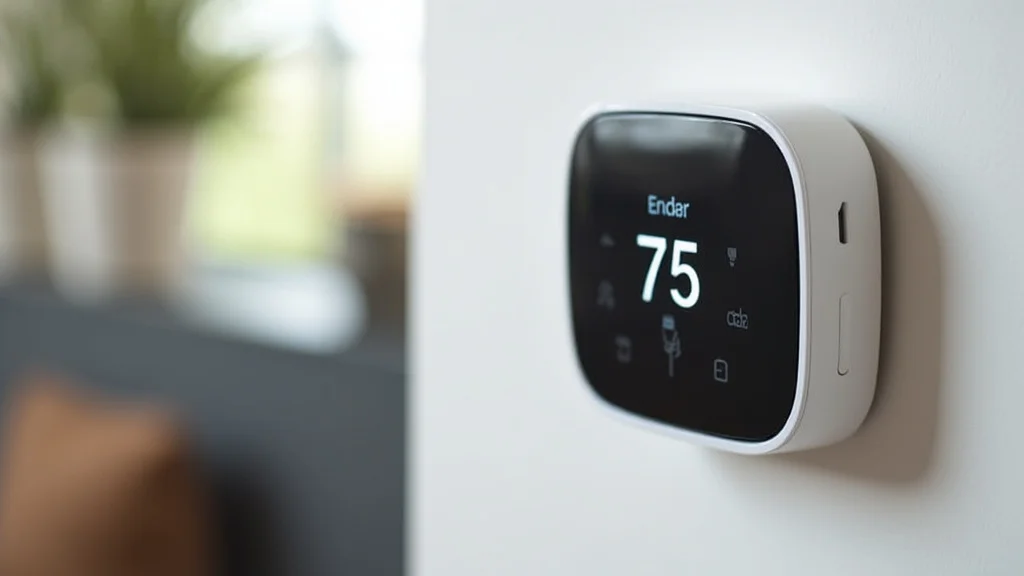
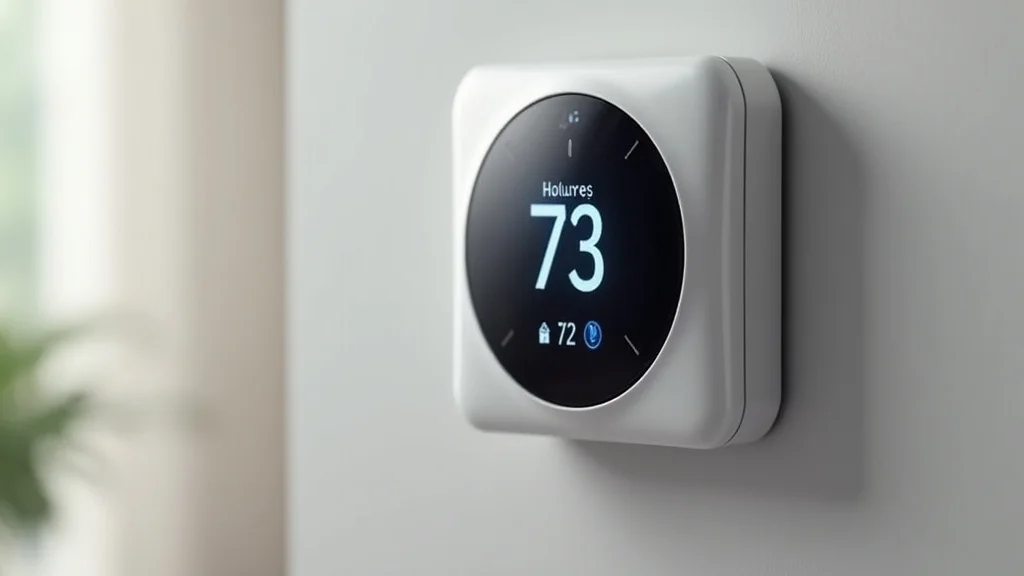
Remember that winter morning when you woke up freezing, and then had to wait ages for your heater to kick in? Or that summer day when your AC ran constantly, driving your energy bill through the roof? We’ve all been there! But what if you could take control of your home’s temperature and, more importantly, your energy costs? This article explores smart thermostat savings, showing you how these clever devices can help you keep your home comfy while saving money. You’ll find out how they work, how they can impact your energy use, and practical tips for maximizing those smart thermostat savings. You’ll learn the benefits of using a smart thermostat and the types available to choose from.
Key Takeaways
- Smart thermostats learn your heating and cooling habits.
- You can control your thermostat from anywhere with a smartphone.
- These devices help you save money on your energy bills.
- You can automate your thermostat’s settings.
- Installation is often straightforward.
- Smart thermostats can work with other smart home devices.
Unveiling Smart Thermostats and Their Inner Workings
Smart thermostats are essentially advanced climate control systems that go far beyond the capabilities of a traditional thermostat. They’re designed to make your home more comfortable and energy-efficient. They learn your preferred temperatures and schedules, automatically adjusting the heating and cooling systems to match your lifestyle. This means you don’t have to constantly fiddle with the settings. These devices connect to your home’s Wi-Fi network, allowing you to control them remotely using a smartphone, tablet, or computer. Imagine adjusting the temperature before you even get home from work or turning it down if you forget before going out. This flexibility offers a significant advantage over old thermostats, providing both convenience and the potential for savings. These devices provide a dynamic, responsive way to manage your home’s climate.
The Key Components of a Smart Thermostat
A smart thermostat is composed of several key parts working together to provide efficient climate control. At its core, it features a central processing unit (CPU) that acts as the brain, managing all the functions. Sensors continuously monitor the temperature and humidity levels inside your home, sending real-time data to the CPU. A display, often a touchscreen, allows you to view current settings and make adjustments. Some models incorporate a built-in learning algorithm that analyzes your heating and cooling preferences. This intelligence enables the thermostat to make automatic adjustments based on your usage patterns. Wi-Fi connectivity allows for remote control via a mobile app, providing convenience and flexibility. Finally, a system interface ensures compatibility with your home’s HVAC system.
- Central Processing Unit (CPU): The CPU is the brain of the smart thermostat, processing data from various sensors and controlling all operations. It receives information from the temperature sensors, humidity sensors, and user inputs to regulate the heating, ventilation, and air conditioning (HVAC) system. The CPU also manages the learning algorithms, Wi-Fi connectivity, and display interface, making all the vital decisions.
- Temperature Sensors: These sensors are integral for measuring the current temperature inside your home. They provide real-time data to the CPU, which uses this information to determine whether to turn the heating or cooling systems on or off. Precise temperature readings allow the thermostat to maintain the desired environment.
- Humidity Sensors: Some advanced thermostats include humidity sensors. These sensors monitor the moisture levels in the air. This information helps the system optimize both heating and cooling performance, ensuring the environment is comfortable.
- Display Interface: Most smart thermostats are equipped with a display, which can be a touchscreen or a more basic screen. This lets you view the current settings, adjust the temperature, and access other features. The display offers an intuitive way to interact with the thermostat.
- Wi-Fi Connectivity: Wi-Fi capability is a central feature, enabling the remote control and monitoring of the thermostat from your smartphone or other devices. This allows you to adjust the temperature settings from any location with an internet connection. Wi-Fi also enables automatic software updates and integration with other smart home devices.
How Smart Thermostats Learn Your Preferences
One of the most appealing features of smart thermostats is their ability to learn your heating and cooling preferences over time. This learning process, also known as “adaptive learning” or “smart scheduling,” begins by monitoring your manual temperature adjustments and daily routines. The device observes when you typically turn up the heat or cool down the house and what temperatures you choose. These patterns are analyzed using sophisticated algorithms. They’ll start to suggest optimized schedules. The thermostat learns from your behavior, gradually creating a custom schedule that aligns with your lifestyle. This automation reduces the need for manual adjustments and helps minimize energy waste. It contributes to significant savings.
- Initial Setup and Learning Phase: After installation, you’ll typically set your desired temperatures and schedules manually. The smart thermostat will monitor these preferences for a period, often a week or two, to understand your habits. During this phase, it gathers data and begins to form a preliminary understanding of your needs.
- Pattern Recognition: The thermostat’s algorithms analyze the collected data to recognize patterns in your behavior. For example, it will notice when you typically wake up, leave for work, return home, and go to bed. The system correlates these routines with your preferred temperatures, looking for repeated actions.
- Adaptive Scheduling: Based on the patterns, the thermostat creates an adaptive schedule that automatically adjusts the temperature settings based on your routine. For example, it may raise the temperature when you are away from home and lower it before you return. This helps in smart thermostat savings.
- Continued Optimization: The thermostat continuously refines its schedule as it gathers more data. It makes adjustments based on your feedback. If you manually override the schedule, the thermostat learns from this, modifying its understanding of your preferences.
- Integration with External Data: Some advanced smart thermostats integrate with external data sources, such as weather forecasts. This enables the thermostat to optimize its performance, for example, by pre-cooling your home before a heatwave or delaying heating when sunny.
The Benefits of Remote Access and Control
The ability to remotely access and control your smart thermostat is a major convenience. You can monitor and adjust the temperature in your home from any location with an internet connection. This capability comes in handy for a variety of everyday situations. You might be running late and want to ensure your home is at a comfortable temperature upon your return. Or you can adjust the thermostat to save energy when you know you will be away from home for an extended time. Remote access typically comes through a mobile app that allows you to manage settings. The ease of remote access provides a powerful tool for energy management.
- Real-time Monitoring: With remote access, you can check the current temperature in your home at any time. This lets you see the status of your heating and cooling systems.
- Temperature Adjustments: You can raise or lower the temperature settings as needed. This allows you to fine-tune your comfort from anywhere.
- Schedule Management: You can adjust or create new schedules. This ensures that the thermostat aligns with your current lifestyle and plans.
- Energy Savings: Remote access helps to save energy. You can adjust the thermostat when leaving or returning. This reduces energy waste.
- Notifications and Alerts: Many smart thermostats send notifications or alerts. You’ll receive alerts about unusual temperature changes, system malfunctions, or when your HVAC system needs maintenance.
Maximizing Your Smart Thermostat Savings
To fully benefit from smart thermostat savings, you can implement a few strategies. It all starts with proper installation and setup. Making use of the thermostat’s learning capabilities and creating a well-defined schedule will go a long way. Additionally, integrating your smart thermostat with other devices will bring added benefits. Regular monitoring, along with adjusting settings as needed, ensures optimal performance. By following these approaches, you can maximize your smart thermostat savings and your comfort.
Setting Up Your Smart Thermostat for Optimal Savings
Getting your smart thermostat set up correctly is the first step toward significant savings. The initial configuration sets the stage for efficient performance. Make sure your thermostat is properly installed. Then, create a schedule that aligns with your daily routines and energy-saving goals. Consider these tips to maximize your savings right from the start. Taking the time to do this correctly can have a big impact on your energy usage.
- Proper Installation: Ensure your smart thermostat is installed correctly, following the manufacturer’s instructions. Incorrect wiring can lead to inefficiencies or even damage to your HVAC system. If you are unsure, consider hiring a professional.
- Connecting to Wi-Fi: Make sure your thermostat is connected to your home’s Wi-Fi network. This enables remote control and access to smart features.
- Initial Schedule: Start by setting a basic heating and cooling schedule based on your typical routines. This should reflect when you are home, away, and asleep. This will give you a good base schedule.
- Temperature Preferences: Set your preferred temperatures for different times of the day. Consider slightly warmer temperatures in the summer and cooler temperatures in the winter.
- Learning Period: Allow the thermostat to go through its learning period. Observe how it adapts to your habits. Be patient and give it time to learn.
Creating and Managing a Smart Schedule
Creating and managing a smart schedule is a key factor in maximizing energy efficiency. A well-crafted schedule automates temperature adjustments according to your lifestyle. The device automatically maintains comfort while minimizing energy consumption. You should plan your schedule based on your activities. Adjust it when your activities change. The goal is to optimize both comfort and savings. You will reduce waste by not heating or cooling an empty house.
- Define Your Routine: Start by mapping out your daily and weekly routines. Note when you wake up, leave for work or school, return home, and go to bed. Consider your typical weekend activities.
- Set Away Temperatures: During times when you are away from home, set the thermostat to energy-saving temperatures. For example, raise the temperature in the summer and lower it in the winter.
- Set Comfortable Temperatures: Establish comfortable temperature settings for when you are home. Make sure the heat or AC is on before you arrive home.
- Use Pre-set Schedules: Most smart thermostats offer pre-set schedules that can serve as a starting point. Adjust these to meet your specific needs.
- Review and Adjust: Regularly review your schedule and make adjustments as your routines evolve. Update it for seasons, holidays, and any changes in your lifestyle.
Using Energy-Saving Features Effectively
Smart thermostats come with a range of energy-saving features designed to reduce energy consumption. Features such as geofencing and smart alerts can significantly reduce your energy bills. Using these features helps to manage your energy consumption more efficiently. This often leads to smart thermostat savings, improving comfort. Learning and using all the functions properly is key.
- Geofencing: Geofencing uses your smartphone’s location to automatically adjust the temperature based on your proximity to your home. When you leave, the thermostat can automatically switch to an energy-saving mode.
- Smart Alerts: Enable smart alerts. They can notify you of extreme temperatures or when your system is running inefficiently.
- Humidity Control: Some thermostats include humidity control features. Proper humidity levels make your home more comfortable. They can also make your HVAC system run more efficiently.
- Energy Reports: Use the thermostat’s energy reports to monitor your energy consumption patterns. You can identify areas where you can improve efficiency.
- Holiday Settings: Use the holiday settings to set up different schedules. This can help with energy savings during vacations.
Integrating Smart Thermostats With Other Smart Home Devices
Integrating your smart thermostat with other smart home devices can further enhance comfort, convenience, and energy efficiency. Through this integration, you can create a unified smart home experience. For example, your thermostat can work with other devices to automate your comfort settings. You can coordinate them so they are automated. This streamlines your comfort settings, making your home more comfortable and efficient. Integrating your thermostat provides a more comprehensive home management system.
- Smart Home Hubs: Connect your smart thermostat to a smart home hub like Amazon Echo or Google Nest. This enables you to control the thermostat along with all your other connected devices. You can also do it by using voice commands.
- Smart Lighting: Integrate your thermostat with smart lighting systems. If the thermostat detects that no one is home, the lights can automatically turn off. This will save energy.
- Smart Sensors: Integrate your smart thermostat with other smart sensors, such as occupancy sensors and window sensors. If windows are open, the thermostat will adjust to save energy.
- Smart Blinds: Coordinate the thermostat with smart blinds. The blinds automatically close during peak sunlight hours. This reduces heat gain.
- Smart Plugs: If you have appliances that generate heat, use smart plugs to turn them off automatically. This reduces the load on your HVAC system.
Real-Life Examples of Smart Thermostat Savings
Many homeowners have already experienced the benefits of smart thermostat savings. The savings often depend on factors like climate, the size of your home, and the efficiency of your HVAC system. However, the potential for reduced energy bills is significant. Here are some real-life examples that highlight the practical savings offered by smart thermostats. You will get a good sense of the potential for you. These real-world examples highlight the value of making the switch.
- Family A in a Cold Climate:
Family A lives in a region with cold winters and hot summers. They installed a smart thermostat and implemented a schedule that automatically lowered the temperature at night and during the day when they were at work or school. They also used geofencing to ensure the home was pre-heated or pre-cooled before they arrived. Their energy bills decreased by about 20% compared to the prior year. They also noticed that their home was more consistently comfortable. This shows what can be accomplished with good planning.
- Couple B with a Busy Lifestyle:
Couple B has a busy lifestyle with irregular schedules. They used the smart thermostat’s remote control feature. They could adjust the temperature while traveling or working late. They also used the thermostat’s learning capabilities to gradually refine the schedule to match their habits. Their energy bills decreased by about 15%. They have saved a lot of money and have a more comfortable home.
The Impact of Climate and Home Characteristics
Factors such as climate and the specific characteristics of your home can greatly affect how much you can save with a smart thermostat. Homes in warmer climates might see more savings by optimizing their cooling systems during summer. Homes in colder regions can see considerable savings by optimizing heating during the winter. A well-insulated home retains heat or cool air more efficiently. You can also consider the efficiency of your HVAC system.
- Climate Zone: The climate has a substantial impact on energy use. Homes in extreme climates (very hot or very cold) have greater potential savings because heating and cooling costs make up a bigger portion of their energy bills. Homes in moderate climates may see a more modest impact, but energy savings are still present.
- Home Insulation: Properly insulated homes retain heat during the winter and keep cool air inside during the summer. Smart thermostats help optimize energy use, regardless of the level of insulation. Efficient insulation leads to further smart thermostat savings.
- HVAC System Efficiency: A more energy-efficient HVAC system (with a higher SEER or HSPF rating) works more effectively in combination with a smart thermostat. A new, efficient system working in tandem with the device can result in greater savings.
- Home Size: The size of your home impacts heating and cooling needs. Larger homes require more energy to heat or cool, so the savings may be greater than for smaller homes.
- Occupancy Patterns: How often you are home affects energy consumption. Smart thermostats perform best when combined with an understanding of your daily routine.
Comparing Savings Across Different Climate Zones
Energy savings achieved with a smart thermostat vary based on the climate. Areas with more extreme temperatures, such as those with cold winters or hot summers, often see the biggest energy bill reductions. You can see the savings potential. Using a smart thermostat and understanding the climate can help to drive smart thermostat savings.
| Climate Zone | Potential Savings (Average) | Factors Influencing Savings |
|---|---|---|
| Cold Climates (e.g., Northeast, Midwest) | 15-25% on heating costs | High heating demand, long winters, well-insulated homes |
| Warm Climates (e.g., Southeast, Southwest) | 10-20% on cooling costs | High cooling demand, hot summers, well-insulated homes |
| Moderate Climates (e.g., Pacific Northwest) | 5-15% on heating and cooling | Mild seasons, moderate demand, less consistent savings |
Common Myths Debunked
There are many misconceptions about smart thermostats. Knowing the facts can help you make an informed decision and maximize your savings. Many of these myths are easily disproven. Let’s look at the most common ones and clarify what you should know.
Myth 1: Smart Thermostats Are Difficult to Install
Many people believe that installing a smart thermostat is a complicated process, requiring specialized knowledge and skills. In reality, most smart thermostats are designed for easy installation. They usually come with step-by-step instructions and simple wiring diagrams. Many models are designed to
Myth 2: Smart Thermostats Only Save Energy in New Homes
Some believe that smart thermostats are most effective in new homes that are already energy-efficient. While smart thermostats will work better with homes that are energy efficient, they can benefit any home. Smart thermostats can still provide significant savings in older homes. The energy-saving features, such as adaptive learning and remote control, work in all homes. These benefits help older homes, too.
Myth 3: Smart Thermostats Only Work With Certain HVAC Systems
A common misconception is that smart thermostats only work with specific types of HVAC systems. The vast majority of smart thermostats are designed to be compatible with most existing HVAC systems, including furnaces, air conditioners, heat pumps, and dual-fuel systems. Always check the thermostat’s compatibility before purchasing, but most models are very flexible.
Myth 4: Smart Thermostats Require Constant Manual Adjustments
Many believe that smart thermostats demand constant manual adjustments to deliver results. The key advantage of smart thermostats is their ability to learn your habits and automate adjustments. The adaptive learning capabilities ensure that the thermostat will adjust based on your habits. Once set up, you will have minimal need to make adjustments.
Myth 5: Smart Thermostats Are Easily Hacked, Compromising Privacy
Some have concerns that smart thermostats are vulnerable to hacking, posing a security risk. Leading smart thermostat brands have security measures in place to protect against unauthorized access. They use encryption, secure protocols, and regular software updates to safeguard against data breaches. Always make sure to use a strong password.
Frequently Asked Questions
Question: How do I choose the right smart thermostat for my home?
Answer: Consider factors such as compatibility with your HVAC system, features like geofencing and smart scheduling, ease of installation, and integration with other smart home devices. Read reviews and consider your personal needs.
Question: Can I install a smart thermostat myself, or do I need a professional?
Answer: Many smart thermostats are designed for easy DIY installation, and installation is usually simple. However, if you are unsure or not comfortable with electrical work, it’s best to hire a professional.
Question: How do smart thermostats help me save money on my energy bills?
Answer: They learn your habits, automate temperature adjustments, and can be controlled remotely. This minimizes energy waste by heating or cooling the home only when necessary.
Question: Do I need a smart home hub to use a smart thermostat?
Answer: Not necessarily, but integrating a smart thermostat with a smart home hub like Amazon Echo or Google Nest can enhance the functionality and convenience of your system.
Question: How often should I replace the batteries in my smart thermostat?
Answer: Smart thermostats typically do not need batteries, since they’re wired to your HVAC system. However, check your thermostat’s documentation for any battery-powered components.
Final Thoughts
Switching to a smart thermostat can significantly impact your home’s energy efficiency. These devices provide convenient climate control and substantial smart thermostat savings. The learning capabilities enable them to understand your needs and adjust the settings automatically, minimizing energy waste. Remote access allows you to manage your home’s temperature from anywhere, giving you greater control over your energy consumption. To maximize savings, you should set up your thermostat correctly. You also should create an efficient schedule and incorporate it with other smart home devices. Don’t delay. By exploring these features, you can achieve a more comfortable home and lower energy bills.