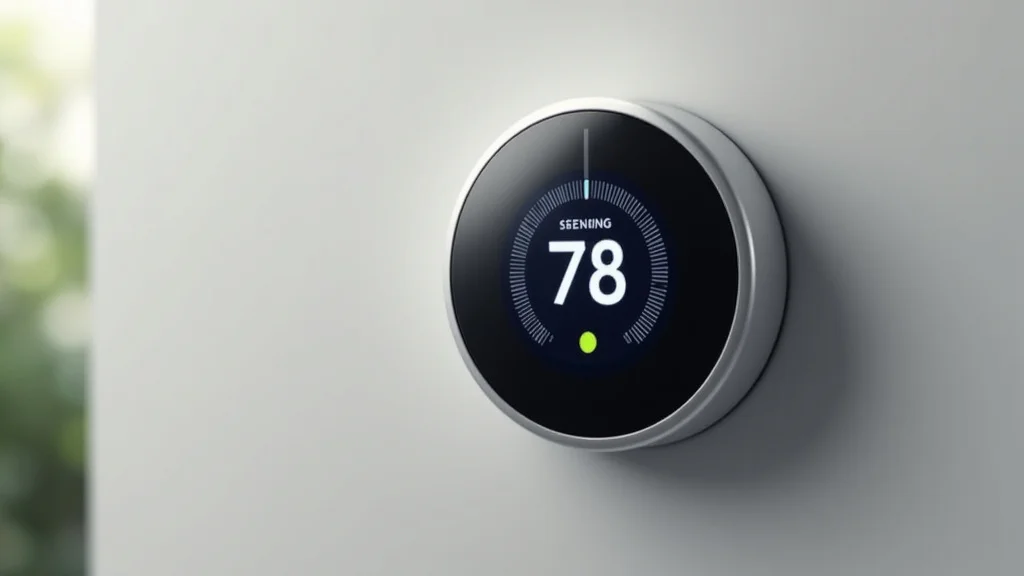
Picture this: It’s a scorching summer day, and you’re eagerly anticipating the cool embrace of your air conditioning. You reach for your thermostat, ready to crank it down, but then you notice it’s already set at a higher temperature. This might be happening because your smart thermostat controlled by power company is adjusting itself. This blog post explores how these systems function, the advantages they offer, and any potential concerns. You will discover how these technologies work, the implications for your comfort and energy bills, and how these systems align with larger societal trends. Get ready to gain insights into this developing area, helping you to make informed decisions about your energy usage.
Key Takeaways
- Smart thermostats, when controlled by the power company, can help manage energy consumption during peak hours.
- These systems can lead to lower electricity bills, especially during periods of high demand.
- The features offered can improve your home’s energy efficiency.
- Consumer privacy and data security are addressed, and are major concerns with this tech.
- You’ll explore the advantages and disadvantages of power company control of your thermostat.
- Learn the different ways your utility company can interact with your thermostat.
How Smart Thermostats Controlled by Power Company Work
Smart thermostats controlled by power company operate through a connected system, often using Wi-Fi or other wireless technologies. Your power company can remotely adjust your thermostat’s settings. Usually, this is done during periods of peak energy demand, like the hottest afternoons of summer. These adjustments are usually designed to be modest and often imperceptible, offering ways to help your utility balance the electrical grid. This process is generally part of a demand response program designed to reduce strain on the power grid. It’s a partnership between you and your utility to conserve energy and reduce costs for everyone.
The Technology Behind the Control
The technical structure behind power company control of smart thermostats involves a few key elements. First, the thermostat itself must be “smart,” meaning it has internet connectivity and can receive signals. Second, there’s a central server at the power company that sends the control signals. Third, there’s a communication protocol, often a standard like Wi-Fi, that allows the thermostat and the server to “talk” to each other. These systems might use either open or proprietary communication protocols depending on the manufacturer and the power company’s goals. The process is generally automated and designed for efficiency, allowing the power company to respond to energy demands quickly.
- Wi-Fi Connectivity: Smart thermostats connect to your home’s Wi-Fi network to receive signals from the power company. The quality of your Wi-Fi signal can affect the thermostat’s responsiveness to signals. It also gives the thermostat access to weather data and helps to optimize its programming.
- Communication Protocols: The power company uses a specific protocol to communicate with your thermostat. These protocols ensure secure and reliable communication. Standard protocols include OpenADR and others that are industry specific.
- Central Server: The power company utilizes a central server that sends out the control signals to all participating thermostats. This server monitors energy consumption and determines when adjustments are required. This server uses data it has gathered about energy consumption and weather conditions.
- Automated Control: The entire process is automated. The power company adjusts the thermostat’s temperature settings based on the demand for electricity and the consumer’s program participation. This automation allows for quick reactions to changes in energy demand, leading to greater efficiency.
How Power Companies Interact With Your Thermostat
Power companies don’t usually have complete control over your thermostat. Instead, they typically employ various methods to manage energy consumption. This often involves adjusting your thermostat settings by a few degrees during peak hours. They might also offer incentives for you to participate in these programs, such as discounts on your electricity bills. These programs are often optional, allowing you to choose whether or not to participate. This setup gives power companies a way to manage demand without significantly impacting your comfort. This kind of arrangement also helps to stabilize the energy grid by reducing peak demand.
- Demand Response Events: These are scheduled times when the power company makes adjustments to your thermostat. The power company will notify you beforehand. Events usually happen during peak demand.
- Temperature Adjustments: The most common interaction involves minor temperature adjustments, usually a few degrees. The adjustments are often barely noticeable. These adjustments help to lower overall energy consumption.
- Incentives: Power companies offer incentives for your participation. These incentives can include bill credits, rebates on smart thermostat purchases, or even lower rates. These benefits encourage customers to join demand response programs.
- Communication: Power companies communicate with you through various means. They may send emails, text messages, or use a mobile app. The goal is to keep you informed about program details and events.
Benefits and Considerations of Power Company Control
There are both advantages and disadvantages to allowing your smart thermostat controlled by power company. On the plus side, you can contribute to grid stability and potentially lower your energy bills. However, you might experience slight discomfort during peak demand events. Understanding these aspects allows you to make an informed decision based on your priorities and comfort preferences. Considering these points, you can decide whether the benefits outweigh the potential drawbacks.
- Energy Savings: You can save money on your energy bills because demand response programs can result in lower electricity rates. Your power company may also offer rebates for enrolling in these programs.
- Grid Stability: By participating, you help to stabilize the electrical grid, reducing the chance of blackouts or brownouts. This is especially helpful during periods of high demand. This also helps reduce the need for constructing new power plants.
- Comfort Concerns: The adjustments made during demand response events may cause minor discomfort. You might notice a slight change in the temperature of your home. However, most programs are designed to minimize this impact.
- Privacy: Your energy usage data is often collected and stored. Always check the power company’s privacy policies to understand how your data is used and protected. Know what you are agreeing to if you join these programs.
Energy Efficiency and Smart Thermostats
Smart thermostats are engineered to improve energy efficiency, providing several features that help reduce energy consumption. These thermostats often learn your habits and adjust your home’s temperature automatically. These features can significantly lower your energy bills over time. In addition to these capabilities, smart thermostats are often integrated with other smart home devices. This integration helps you to optimize your energy usage by allowing you to control multiple systems from a single interface. The combined effects of these elements not only increase the convenience of your home, but also boost its energy efficiency, leading to significant savings.
Advanced Features in Smart Thermostats
Smart thermostats utilize many advanced features designed to enhance energy efficiency. These features go beyond basic temperature control. Many thermostats learn from your habits and adjust the temperature based on your schedule. Geofencing can adjust settings based on your location, and also has energy-saving advantages. These advanced features provide greater control and efficiency.
- Learning Algorithms: These thermostats use machine learning algorithms to learn your preferences. The thermostats monitor your adjustments and habits and then begin to optimize based on the data. They can predict your schedule and proactively adjust the temperature.
- Geofencing: Many smart thermostats use geofencing, automatically adjusting temperatures based on your location. When you are away from home, the thermostat can automatically raise or lower the temperature, reducing energy use. As you approach home, the thermostat can begin preparing the temperature for your arrival.
- Energy Usage Reports: Many smart thermostats provide detailed reports on your energy consumption. These reports offer insights into how your home uses energy. It gives you a clear picture of your energy use habits.
- Integration with Other Devices: Smart thermostats work with other smart home devices. Many systems are compatible with voice assistants like Alexa or Google Assistant. You can set up complex rules and automations to adjust your temperature and use energy efficiently.
Impact on Energy Bills and Consumption
Smart thermostats have a direct impact on energy bills and consumption. By optimizing your home’s temperature settings, they can reduce your energy usage, especially during peak hours. These savings can accumulate over time, lowering your overall energy costs. Smart thermostats also make you aware of your energy consumption habits. The awareness of your habits can motivate you to make more energy-efficient choices.
- Reduced Energy Consumption: These thermostats can lower your energy usage by intelligently controlling your heating and cooling systems. By optimizing your settings, they can prevent energy waste. This is particularly noticeable during times of peak demand.
- Lower Electricity Bills: The decreased energy consumption directly translates to lower electricity bills. The savings will vary based on your habits and climate. Participating in demand response programs can further lower your costs.
- Peak Demand Management: Smart thermostats assist in managing peak demand, which can lower your energy bills. Power companies often charge higher rates during peak hours. By adjusting your thermostat during these periods, you can reduce your costs.
- Real-Time Data: Many smart thermostats provide real-time data on your energy usage. This data helps you understand how you use energy and where you can improve. This information helps you to make adjustments and save money.
Privacy, Security, and Your Data
Privacy and security are key concerns with any connected device, including smart thermostats controlled by power company. Power companies collect and use data about your energy usage. It’s crucial to understand how your data is protected and used. Power companies must adhere to strict data security protocols to protect your information. Knowing your rights and the company’s policies is essential. Being informed helps you decide if participating in these programs is right for you. Take time to read privacy policies and understand how your information is handled.
Data Collection and Usage Practices
Power companies gather data to manage the grid and improve their services. This data often includes your energy consumption patterns, which is gathered to adjust your thermostat. The collected information allows them to optimize their operations and provide better energy management solutions. Understanding data collection and usage practices will give you a better grasp of how your information is being used. This understanding helps you to make informed decisions about your data privacy.
- Energy Consumption Data: The primary data collected is your energy consumption. This allows the power company to see how much energy your home uses over time. It helps them to manage demand and optimize energy distribution.
- Thermostat Settings and Usage: Power companies also monitor your thermostat settings and how you use them. This data provides insights into your heating and cooling preferences. This also helps optimize the performance of demand response programs.
- Data Storage and Security: Your data is usually stored on secure servers with strict data security measures. Power companies use encryption and other techniques to protect your information from unauthorized access. The power company will follow industry standards to protect your data.
- Data Sharing and Third Parties: Review the power company’s privacy policy to understand if and how your data is shared. Some providers might share aggregated data with third parties for research or analysis. Make sure you understand how your data is used before participating.
Security Measures and Data Protection
Power companies invest heavily in security measures to safeguard your data. These measures often include encryption, regular security audits, and compliance with data privacy regulations. Their efforts aim to prevent unauthorized access and data breaches. Understanding the security measures in place offers peace of mind. Check the power company’s security policies to understand how they protect your data.
- Encryption: Your data is usually encrypted during transmission and storage. Encryption scrambles data, making it unreadable to anyone without the decryption key. It is one of the main ways power companies keep your data secure.
- Firewalls and Network Security: Firewalls and other network security measures protect the power company’s systems from cyberattacks. This helps to prevent unauthorized access to your data. Firewalls prevent outside parties from breaking into the system.
- Regular Security Audits: Power companies conduct frequent security audits to identify vulnerabilities. These audits help to discover any weaknesses in their security systems. Power companies regularly update their security measures.
- Compliance with Regulations: Power companies must comply with data privacy regulations, such as GDPR or CCPA. They must follow strict guidelines for collecting, storing, and using your data. This helps protect your privacy rights.
Common Myths Debunked
There are many misconceptions about smart thermostats controlled by power companies. Being aware of the facts will help you make more informed decisions. Let’s explore some of the most common myths and the reality behind them.
Myth 1: Power Companies Have Total Control
The misconception that power companies have total control over your thermostat is common. In reality, power companies usually have limited control, mostly during peak demand periods. The typical range of adjustments is usually only a few degrees. You usually can override the changes made by the power company. Also, it’s not unusual for you to opt-in or opt-out of these programs.
Myth 2: Smart Thermostats Always Raise Temperatures
Many believe that smart thermostats always make the temperature warmer in the summer and colder in the winter. In fact, these adjustments are often modest and designed to balance the grid. Smart thermostats don’t automatically make drastic changes. Usually, the temperature changes are only a few degrees. They are planned to minimize discomfort while saving energy.
Myth 3: Data is Sold to Third Parties
There is a concern that power companies sell your energy usage data to third parties. While this is sometimes done, it’s usually in an aggregated and anonymized form for research purposes. Most power companies have detailed privacy policies that explain data usage. These policies protect your personal information. Be sure to review the privacy policies carefully.
Myth 4: Participation is Mandatory
Another myth is that you are forced to participate in demand response programs. In many instances, these programs are voluntary. You typically can choose whether to join the program or not. Participating can offer incentives, like lower electricity rates, but it’s always your choice. You have a say in your energy usage management.
Myth 5: Smart Thermostats Are Easy to Hack
There’s a fear that smart thermostats are vulnerable to hacking. While it’s true that any connected device is at risk, smart thermostats are generally secured with encryption and other security measures. Power companies are consistently updating security protocols to prevent unauthorized access. The benefits of using a smart thermostat outweigh the risks.
Frequently Asked Questions
Question: How do power companies communicate with my smart thermostat?
Answer: Power companies communicate with your smart thermostat using a secure Wi-Fi connection, sending signals to adjust the temperature settings during peak demand.
Question: Can I override the temperature adjustments made by the power company?
Answer: Yes, in most cases, you can override the adjustments made by the power company. You often have control and can set your preferences.
Question: Are smart thermostats secure from hacking?
Answer: Smart thermostats are designed with security measures like encryption. Power companies and manufacturers take measures to protect against hacking, but no system is 100% secure.
Question: Do I have to pay extra to participate in demand response programs?
Answer: In many cases, participation in demand response programs doesn’t cost extra. Many programs offer incentives, such as bill credits, to reduce your costs.
Question: How can I find out if my power company offers a smart thermostat program?
Answer: Check your power company’s website or contact their customer service to see if they offer a demand response program or smart thermostat program.
Final Thoughts
Smart thermostats controlled by power company present a growing and changing role in the energy landscape. They provide an innovative means of managing energy consumption and supporting grid stability. While these systems offer benefits like cost savings and energy conservation, they also bring questions about privacy and data security. Taking part in these programs can help you reduce your energy bills and help in the development of renewable energy. By learning about the technology, privacy concerns, and potential benefits, you can make the decision to participate in these programs that suits your comfort and financial goals. Always research your utility’s specific program details and privacy policies to make an informed choice.