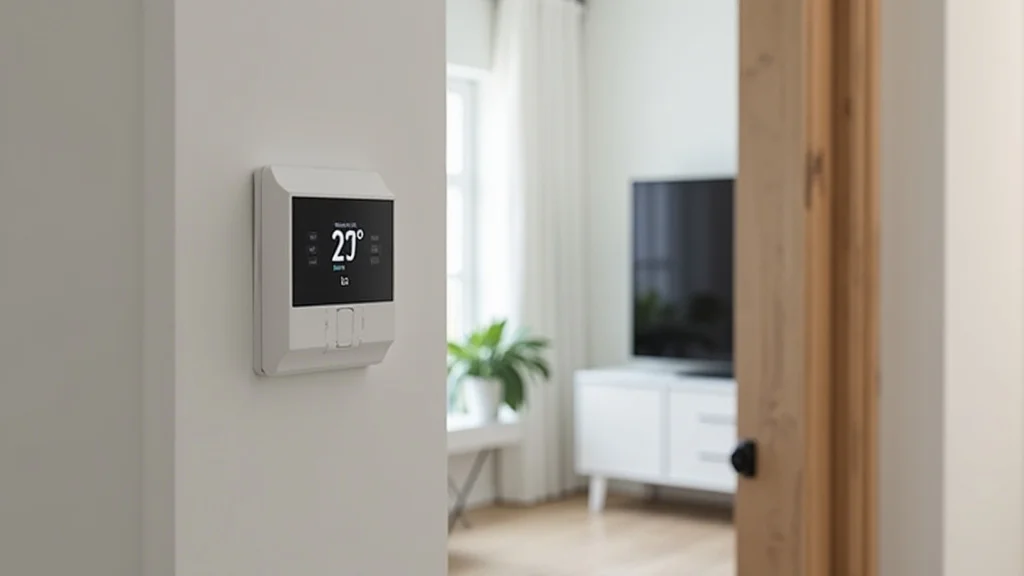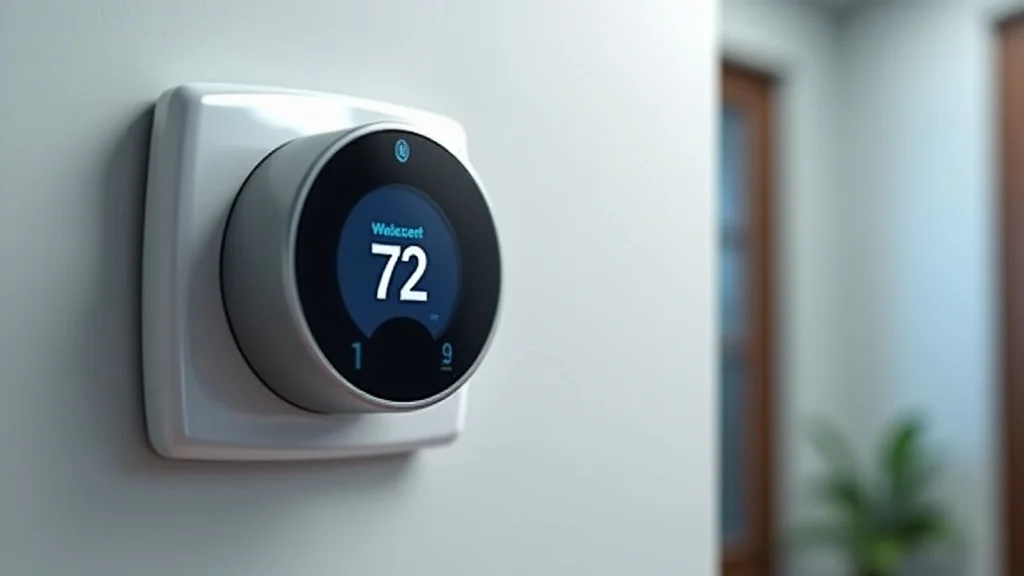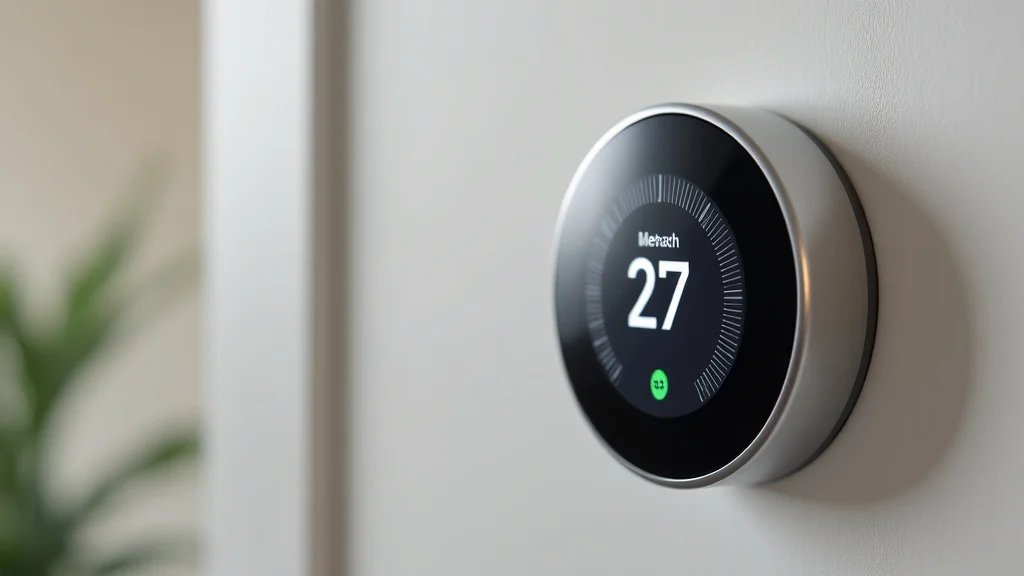
Remember that freezing cold morning when you woke up and your house was just as chilly? Wouldn’t it be nice to warm things up before you even get out of bed? That’s where smart thermostats compatible with Apple Home come into play. They let you control your home’s temperature from your iPhone, iPad, or even with your voice using Siri. This post will explore how these thermostats work, their benefits, and how to choose the right one for your home. You’ll gain practical knowledge to make your home more comfortable and energy-efficient. Get ready to experience the convenience and control of a connected home!
Key Takeaways
- Learn about the main features of smart thermostats compatible with Apple Home.
- Discover how these thermostats can help you save on energy costs.
- Understand the ease of integrating these devices into your Apple ecosystem.
- Explore the different models available and compare their features.
- Get tips on installing and setting up your new smart thermostat.
- Find out what to consider when choosing a smart thermostat.
Smart Home Temperature Control with Apple Ecosystem
The convergence of technology and home comfort has brought about an era where controlling your home’s climate is easier and more intuitive than ever. Smart thermostats compatible with Apple Home offer a seamless blend of convenience, efficiency, and integration, allowing users to manage their home’s temperature with their iPhones, iPads, and other Apple devices. This integration with the Apple ecosystem transforms the way we interact with our homes, creating a connected experience. Instead of manual adjustments, users can pre-set temperatures, monitor energy usage, and automate climate control based on their routines and preferences. The benefits extend beyond mere convenience; these thermostats can help reduce energy consumption and lower utility bills.
What is a Smart Thermostat?
A smart thermostat is a Wi-Fi enabled device that
- Remote Control: Smart thermostats allow you to change the temperature from anywhere using an app on your phone. If you are away from home, you can easily adjust the temperature to prevent energy waste. This is perfect for when you are on vacation or have an unexpected change of plans.
- Learning Capabilities: Some smart thermostats learn your heating and cooling preferences and automatically adjust the temperature based on your schedule and the temperature outside. They learn from your adjustments and adapt to your lifestyle. They can predict when you are home or away.
- Energy Savings: Many smart thermostats have features that can help you save money on your energy bills. This is achieved by optimizing heating and cooling schedules and providing insights into your energy usage patterns. Saving energy is a main selling point.
- Compatibility: Smart thermostats are designed to be compatible with your existing HVAC system and integrate with other smart home devices. Smart thermostats compatible with Apple Home easily integrates with the Apple HomeKit, allowing you to control it with other Apple devices.
Remote control is a game-changer. Imagine adjusting your home’s temperature while you’re still at the office or on the road. The convenience is unmatched.
The ability to learn is what separates smart thermostats from their older counterparts. Over time, these thermostats become more efficient at keeping your home comfortable while conserving energy. They will learn the best temperatures for you and adapt to your schedule.
Smart thermostats can help you reduce your energy consumption by up to 20%. This has a positive impact on both your wallet and the environment. Some energy companies also offer rebates or incentives for using them.
Compatibility makes integration seamless. Most smart thermostats are designed to work with both older and newer HVAC systems. Checking the thermostat’s compatibility is essential before purchasing. Make sure to check with a professional to install the system.
Apple HomeKit Integration Explained
Apple HomeKit is Apple’s framework for connecting and controlling smart home accessories like lights, locks, and, of course, thermostats. When a smart thermostat is “HomeKit-enabled,” it can be controlled directly through the Apple Home app, as well as with Siri voice commands. This integration provides a unified experience, allowing you to control multiple smart home devices from a single app. HomeKit also enhances security and privacy by encrypting communications between your devices and your iPhone or iPad. This integration offers a high level of security. With a single tap or voice command, you can set the temperature, create automations, and check your home’s climate status. This is all integrated, ensuring ease of use.
- The Apple Home App: This app acts as your central control hub. From here, you can control your thermostat and create scenes and automations. It’s user-friendly and intuitive.
- Siri Voice Control: With Siri, controlling your thermostat is as simple as asking. You can adjust the temperature, set schedules, and more, all with your voice. Siri is easy to use and a quick way to control your home’s temperature.
- Automations and Scenes: HomeKit allows you to create automations that trigger actions based on time, location, or other events. For example, you can set your thermostat to turn on when you arrive home or when the temperature drops below a certain point.
- Security and Privacy: Apple prioritizes security. HomeKit devices communicate securely, ensuring your data is protected. All data that is collected is encrypted to protect you and your privacy.
The Home app simplifies control of your smart home devices. Everything is accessible in one place, allowing you to make quick adjustments. This is where you will add your compatible device.
Siri makes it possible to control your home while you are occupied. You can do tasks like set the temperature when your hands are full. Siri can set the temperature quickly.
With automations and scenes, you can customize your home’s climate. They are especially useful for setting the mood or energy-saving. Scenes are for instant control, while automation is on a schedule.
HomeKit ensures that your smart home is secure. The security features provide you peace of mind. Your privacy is a priority.
Key Benefits of Integrating with Apple Home
Integrating a smart thermostat with Apple Home offers several key benefits. It simplifies control, allowing you to manage your home’s climate with ease from anywhere. It enhances convenience by integrating seamlessly with your existing Apple devices, from iPhones and iPads to the Apple Watch. These devices are designed to work well together. HomeKit’s automation features allow you to create personalized schedules and scenes that optimize comfort and energy savings. The benefits extend to security and privacy, with Apple’s secure infrastructure ensuring your data is protected. Moreover, the integration creates a cohesive and intuitive smart home experience. It creates a seamless and effective user experience. This streamlined experience is a main benefit.
- Convenience: Control your thermostat from anywhere. With the Apple Home app, you can adjust the temperature from your iPhone, iPad, or even your Apple Watch. Whether you are at home, at work, or on vacation, your home’s temperature is at your fingertips.
- Energy Efficiency: HomeKit automations can help you save energy by setting schedules and automatically adjusting the temperature based on your habits and the weather. This can lead to significant savings on your utility bills.
- Automation: Create custom automations to control your thermostat automatically. Set your thermostat to adjust based on your location, time of day, or other HomeKit-compatible devices. Automation increases convenience.
- Voice Control: Use Siri to control your thermostat with your voice. “Hey Siri, set the thermostat to 72 degrees.” Controlling your smart home has never been easier. Voice control is a quick way to set your thermostat.
Convenience is the greatest benefit. This provides the most control for your home’s temperature. It is a main reason to get a smart thermostat.
Energy efficiency is crucial for those looking to save money. By optimizing your thermostat’s schedule, you can reduce waste. You will also decrease costs for your utility bills.
Automation allows your thermostat to adjust based on your habits. This provides comfort and helps save energy.
Voice control provides the utmost control of your home’s temperature. With Siri, you can control your thermostat while doing other things.
Choosing the Right Smart Thermostat for Your Home
Selecting the ideal smart thermostat involves assessing your home’s specific requirements, your lifestyle, and the features that matter most to you. Considerations include compatibility with your HVAC system, the ease of installation and use, and the aesthetic design that complements your home decor. Many factors go into the decision-making process. Think about your needs and compare models based on your budget. Look for models with features like geofencing (which adjusts the temperature based on your location), energy usage reports, and integration with other smart home platforms. Understanding your needs will lead to the best choice. This ensures you choose a thermostat that not only meets your temperature control needs but also offers added convenience, energy efficiency, and integrates seamlessly with your existing devices.
Compatibility Checklist
Before purchasing a smart thermostat, make sure it is compatible with your home’s HVAC system. Compatibility is essential for installation and proper function. Identify your HVAC system type (furnace, heat pump, etc.), and determine the wiring configuration of your existing thermostat. Check the smart thermostat’s compatibility guide to ensure it supports your system. Many smart thermostats are designed to work with a wide range of systems. However, some systems may require additional adapters or professional installation. You can usually find the information on the thermostat’s product page, or by contacting the manufacturer directly. Checking compatibility early on avoids problems. If you’re not sure, consult a professional to ensure a smooth setup.
- HVAC System Type: Confirm whether your system is a furnace, air conditioner, heat pump, or other type. Smart thermostats are made to work with most systems. However, some may require specific models.
- Wiring Configuration: Locate your existing thermostat and examine its wiring. Different thermostat wiring systems include standard wiring (C, R, W, G, Y wires), or more complex systems. This will help you know if the thermostat is right for you.
- Power Requirements: Some smart thermostats require a “C-wire” for continuous power. If your existing wiring does not have one, you might need to hire an electrician. Your smart thermostat will need power to run.
- Manufacturer Compatibility: Check the manufacturer’s compatibility guide to see if your system is supported. This will ensure that the smart thermostat works with your system.
Knowing your HVAC system is essential for compatibility. The thermostat will work in line with the system. You will need to check the model and make of your system.
The wiring configuration matters because the smart thermostat must be connected to the existing wiring. Match the wires correctly, or have a professional do it for you.
A C-wire is necessary for the thermostat to run properly. This is one thing to check before purchasing a thermostat. Consult an electrician if needed.
Checking the compatibility guide ensures that your system is supported. They will give you exact information on whether it works with your HVAC system. Always read these documents.
Features to Consider
When selecting a smart thermostat, several key features should guide your choice. Features will improve your experience. Consider the ease of installation and integration with your existing Apple Home setup. Check the user interface and the device’s ability to learn and adapt to your preferences. Geofencing capabilities can automatically adjust the temperature based on your location, improving convenience and energy efficiency. Energy usage reports provide valuable insights, which can help you identify areas for energy savings. Evaluate the thermostat’s design, considering aesthetics and ease of use. Take a moment to see which features you like most. The best thermostat is the one that fits your needs.
- Geofencing: This feature uses your phone’s location to automatically adjust the temperature when you leave or return home. This helps save energy when you are away and ensures your home is comfortable when you arrive.
- Learning Capabilities: The best smart thermostats learn your habits and adjust the temperature based on your schedule and preferences. This allows your thermostat to create a custom schedule.
A thermostat with learning capabilities is perfect. It will learn from your habits and adjust as needed. Over time, it will optimize the home’s temperature.
- Energy Usage Reports: These reports provide insights into your energy consumption, allowing you to identify areas where you can save energy. This is a good feature for users trying to conserve energy.
- User Interface: A user-friendly interface is essential for easy control. Look for a thermostat with a clear display, intuitive controls, and a well-designed app. The interface should be straightforward and simple.
Geofencing provides convenience and energy efficiency. The thermostat will know when to turn on and off based on your location. It saves energy.
Energy usage reports help you monitor your energy consumption. It provides a look into your use so you can save energy and money.
A good user interface makes the thermostat easy to control. A complicated interface is annoying. Choose one with simple controls.
Top Smart Thermostat Models Compatible with Apple Home
Several smart thermostats stand out for their compatibility with Apple Home, features, and user-friendliness. Models like the Nest Learning Thermostat and the ecobee SmartThermostat are popular choices, offering excellent integration with HomeKit, robust features, and sleek designs. Each of these models offers a unique blend of features and benefits, catering to various preferences and home environments. Examining each model allows you to match the right features. Consider your needs and preferences when making your choice. This assessment will help you pick the best one for you.
| Thermostat Model | Apple HomeKit Integration | Key Features | Price Range |
|---|---|---|---|
| Nest Learning Thermostat | Yes | Learning capabilities, energy savings, sleek design | $$ |
| ecobee SmartThermostat | Yes | Room sensors, energy reports, built-in Alexa | $$$ |
| Honeywell Home T9 Smart Thermostat | Yes | Room sensors, smart home integration, easy setup | $$ |
The information in the table highlights different factors to consider when purchasing a smart thermostat. Prices may change, but the model and features are accurate. These models are compatible with Apple Home. Each model has unique features. These will aid in your decision-making.
Installation and Setup
Installing and setting up a smart thermostat compatible with Apple Home can be a straightforward process, but it requires careful attention to detail. This involves safely removing your old thermostat, wiring the new one correctly, and connecting it to your home Wi-Fi network. After the physical installation, you’ll need to configure the thermostat through the manufacturer’s app and integrate it with Apple Home. Careful reading of the instructions is vital. The first few steps are most important. Take it one step at a time for proper setup. If you are not comfortable with the installation process, consider hiring a professional. Proper setup will ensure the thermostat functions effectively.
Step-by-Step Installation Guide
Here’s a simplified guide to installing your new smart thermostat. It is important to remember each system is different. Consult the specific instructions for your model. Following these steps carefully will lead to a successful installation. Taking your time will make it easier. Always prioritize safety first. You will be able to control your home’s temperature.
- Turn Off Power: Locate the circuit breaker that controls your HVAC system and turn it off. This is a must for safety.
- Remove the Old Thermostat: Carefully remove the cover of your old thermostat and take a picture of the wiring. Disconnect the wires, and label each one. The wiring must be clear for you.
- Mount the New Thermostat: Install the new thermostat’s backplate on the wall, using the screws provided. The backplate attaches to the wall, holding the thermostat.
- Connect the Wires: Connect the wires to the new thermostat, referencing the labels you created earlier and the instructions. Ensure the wires match with the right terminals.
- Power On and Test: Restore power to the HVAC system and turn on the thermostat. Test its functionality by adjusting the temperature settings. Test it out and ensure it is working correctly.
Turning off the power is a must. This will protect you while installing the thermostat. Safety is the most important thing to keep in mind.
The photo will help you later. Be careful while removing the wires, and don’t let them fall into the wall. You may have to label them.
Take care when mounting the backplate to the wall. Ensure it is level and secure. Proper mounting is crucial for the function of the thermostat.
Double-check the wiring. The wrong connection may break the thermostat. Take your time to make sure that the wires are properly connected.
Test the settings. If they do not work, then there is a problem with the wiring. Do not be afraid to seek help from a professional if there is a problem.
Connecting to Apple Home
After completing the physical installation of your smart thermostat, the next step is connecting it to your Apple Home. This integration enables you to control the thermostat through the Apple Home app and use features like Siri voice control and automation. The process is easy and will add to the overall function. Following these steps allows you to integrate your thermostat into your system. Take your time when following the steps.
- Download the App: Download the manufacturer’s app for your smart thermostat from the App Store. The app will let you control your thermostat.
- Create an Account: Create an account or log in to the manufacturer’s app. Follow the instructions to connect your thermostat to your Wi-Fi network. You will be able to control it from there.
- Open the Home App: Open the Apple Home app on your iPhone or iPad. Tap the “+” button, then select “Add Accessory.” You will be prompted to add your new device.
- Scan the HomeKit Code: Scan the HomeKit setup code, usually found on the thermostat itself or in the packaging. You will use this code to link the app to your device.
- Follow On-Screen Prompts: Follow the on-screen prompts to complete the setup. This may include naming your thermostat and assigning it to a room. Your device is now connected.
The app will allow you to control your thermostat from your phone. Create an account, and follow the steps in the app. The app is a key part of the process.
This will connect your thermostat to your home Wi-Fi network. Be sure to use the right network and have the information available. This step is a must.
The Home app will now recognize your thermostat. It will ask for permission. After you approve it, it will be added to the Apple Home app.
Use the HomeKit setup code to connect the device to your Apple Home. You may need to scan a QR code. The connection will occur quickly.
After the setup, you can access your thermostat through your phone. Now you are ready to set it up.
Common Myths Debunked
Misconceptions about smart thermostats can deter people from enjoying their advantages. There are common concerns regarding the installation process, functionality, and security. Addressing these myths helps consumers make informed decisions and better appreciate the value of these devices. There are a few common issues and concerns, along with the answers. These answers will assist you in making the right choice.
Myth 1: Smart thermostats are hard to install.
In reality, installing a smart thermostat is often a straightforward process. Most models are designed for DIY installation, with clear instructions and user-friendly interfaces. Although certain wiring configurations may require professional assistance, many users find the installation process simple, especially with the provided guides. Professional installation can alleviate potential problems.
Myth 2: Smart thermostats are not secure.
Modern smart thermostats incorporate robust security measures to protect user data and prevent unauthorized access. The best models use encryption, secure protocols, and regular security updates to safeguard against cyber threats. When integrating your thermostat with Apple HomeKit, you gain an extra layer of security, as Apple’s HomeKit framework prioritizes privacy and encryption. Security is a primary focus for manufacturers.
Myth 3: Smart thermostats are only for tech experts.
Smart thermostats are designed for ease of use, even for individuals who are not tech experts. The interfaces are simple and intuitive, with easy-to-navigate controls, and comprehensive support. Many models offer a guided setup process and can be easily controlled via a smartphone app or voice commands, making them accessible to a broad audience, regardless of their technical knowledge. The user experience is simple for ease of use.
Myth 4: Smart thermostats don’t actually save money.
Smart thermostats are proven to help save money by optimizing energy consumption. They help you save money on your utility bills by learning your habits, creating custom schedules, and adjusting temperatures automatically. These are proven to reduce your energy bill. These adjustments will have a great impact.
Myth 5: Smart thermostats are too expensive.
While the initial cost of a smart thermostat is higher than a standard model, they can pay for themselves over time by reducing energy consumption. These thermostats are a worthwhile investment. Many models offer a good return on your investment through energy savings. Over time, the energy savings are worth the cost.
Frequently Asked Questions
Question: Can I control my smart thermostat with my voice?
Answer: Yes, most smart thermostats are compatible with voice assistants like Siri, allowing you to control the temperature using voice commands.
Question: Do I need a professional to install a smart thermostat?
Answer: Many smart thermostats can be installed by homeowners, but if you’re not comfortable with electrical wiring, it’s best to consult a professional.
Question: Will a smart thermostat work with my old HVAC system?
Answer: Most smart thermostats are compatible with a wide range of HVAC systems, but it’s essential to check compatibility before purchasing.
Question: How do smart thermostats save energy?
Answer: Smart thermostats save energy by learning your habits, creating schedules, and automatically adjusting the temperature when you’re away or asleep.
Question: Is my data safe with a smart thermostat?
Answer: Smart thermostats use security protocols, and integration with Apple HomeKit adds an extra layer of security and privacy.
Final Thoughts
Smart thermostats compatible with Apple Home offer a blend of comfort, convenience, and energy savings. They allow you to control your home’s temperature from anywhere, create customized schedules, and automate climate control based on your lifestyle. The integration with the Apple ecosystem, especially HomeKit, enhances the user experience, providing seamless control through your iPhone, iPad, and Siri voice commands. When selecting a thermostat, consider your home’s needs, compatibility with your HVAC system, and the features that matter most to you. Choosing the correct thermostat is essential. By taking the right steps, you can transform your home into a more comfortable, efficient, and connected living space. Take action and explore the benefits of these devices for a more energy-efficient and connected home.