Remember that winter where your heating bill skyrocketed? You weren’t alone! Many homeowners experience this, and it often leads to frustration. Imagine having more control over your home’s temperature, potentially saving money and helping the environment. This post will explore how a smart thermostat rebate program can make this a reality for you. We’ll explore the benefits, how these programs function, and the steps you can take to participate. You will gain a clear picture of how to reduce your energy consumption and manage your budget effectively. Get ready to learn how to make your home smarter and your wallet happier!
Key Takeaways
- You’ll discover the numerous benefits of installing a smart thermostat.
- You’ll learn how smart thermostat rebate programs can significantly reduce the initial cost.
- You’ll grasp the process of finding and applying for rebates in your area.
- You’ll understand the potential energy savings a smart thermostat can provide.
- You’ll learn about different types of smart thermostats and their functionalities.
- You’ll see how smart thermostats contribute to a more sustainable lifestyle.
Understanding Smart Thermostats and Their Advantages
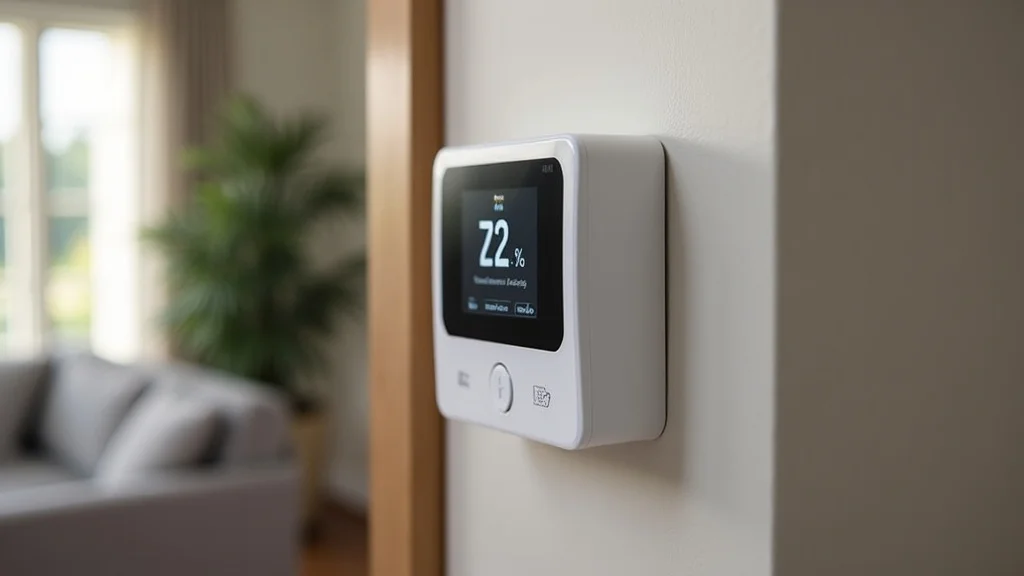
Smart thermostats are essentially advanced climate control devices that connect to your home’s Wi-Fi network. Unlike traditional thermostats, these devices offer a range of features designed to optimize your home’s heating and cooling system. They learn your habits, allowing for automated temperature adjustments. They provide remote access via your smartphone or other devices, allowing you to control your home’s temperature from anywhere. Think about adjusting your thermostat on your commute home, ensuring your house is perfectly comfortable by the time you arrive. This level of control promotes both convenience and energy efficiency.
Features That Set Smart Thermostats Apart
- Remote Access: The ability to control your thermostat from a distance is a significant benefit. Imagine adjusting the temperature before you arrive home after a vacation or turning down the heat if you’ve left the house for an extended period. Remote access through a smartphone app gives you unparalleled flexibility.
- Learning Capabilities: Smart thermostats often “learn” your heating and cooling preferences over time. They analyze your behavior, adjusting the temperature automatically based on your typical schedule. This automatic adjustment can lead to significant energy savings.
- Energy Usage Reports: Many smart thermostats provide detailed reports on your energy consumption. This data can help you identify areas where you can further reduce your energy usage, guiding you toward even greater savings.
- Geofencing: Geofencing uses your smartphone’s location to automatically adjust the thermostat. When you leave home, the thermostat can automatically lower the temperature to save energy. When you are on your way back home, the system adjusts the temperature to welcome you back.
Remote access allows you to manage your home’s climate from practically anywhere. You can adjust the temperature, set schedules, and monitor energy usage without physically being present. This feature is particularly useful for those who travel frequently or have inconsistent schedules. You’re no longer bound to a set schedule; you adapt to your needs.
These devices use sophisticated algorithms to learn your heating and cooling patterns. Over time, they create a personalized schedule that anticipates your needs. For instance, if you usually wake up at 7 am and your home is cool, the thermostat will automatically begin warming your house before you rise. This automatic learning minimizes energy waste and maximizes comfort.
Energy usage reports provide valuable insights into your heating and cooling habits. They show you when and how much energy you’re using, including any potential energy leaks. This allows you to track progress toward your savings goals. The reports help identify energy consumption patterns and optimize your settings for maximum efficiency.
Geofencing adds an extra layer of automation. It uses your smartphone’s location to automatically adjust the thermostat’s settings. When you leave the geofence (defined geographical area), the thermostat reduces energy consumption. As you approach the geofence, it begins to return to your normal settings. Geofencing reduces energy waste and maximizes comfort without requiring manual adjustments.
Benefits of Upgrading to a Smart Thermostat
Switching to a smart thermostat presents a host of advantages beyond just convenience. The main advantages are increased energy efficiency and potential cost savings. Smart thermostats allow you to create precise heating and cooling schedules, which translates into less wasted energy when you are away from home or asleep. Furthermore, many smart thermostats come with energy-saving features like geofencing. These automated features help minimize unnecessary energy consumption. With these tools, you are in a better position to minimize your utility bills and minimize your environmental impact.
- Cost Savings: Lower utility bills are one of the most significant benefits. By optimizing your heating and cooling schedules and minimizing energy waste, smart thermostats can significantly reduce your monthly energy costs.
- Energy Efficiency: Smart thermostats help you conserve energy. Their automated features and learning capabilities allow for more efficient use of your home’s heating and cooling systems, lowering your carbon footprint.
- Enhanced Comfort: Smart thermostats ensure a more comfortable living environment by maintaining a consistent temperature. Features like remote access and geofencing allow you to adjust the temperature quickly and easily, according to your lifestyle.
- Environmental Impact: By reducing energy consumption, smart thermostats contribute to a smaller carbon footprint. They help in lowering greenhouse gas emissions. You contribute to the fight against climate change.
The potential for cost savings comes from various factors. Smart thermostats eliminate wasteful energy consumption through automated temperature adjustments. The specific savings will vary depending on climate, the size of your home, and your current energy usage habits. Many homeowners have reported substantial reductions in their utility bills after switching to a smart thermostat.
Energy efficiency is an important consideration. By optimizing heating and cooling cycles, smart thermostats reduce overall energy consumption. This leads to a decreased demand for energy from power plants. By investing in an energy-efficient home, you contribute towards a sustainable energy future and help the planet.
Enhanced comfort is a major advantage of the smart thermostat. With a customized schedule, you can ensure a consistent temperature that’s perfect for you. No matter where you are, you can control the temperature to your preferences. You are able to ensure a comfortable and inviting home environment that caters to your needs.
The environmental impact of smart thermostats stems from reduced energy consumption, leading to fewer greenhouse gas emissions. A smart thermostat is a small but important step toward a cleaner, greener future. By using less energy, you’re doing your part for the planet.
Unveiling the Smart Thermostat Rebate Program
The smart thermostat rebate program makes these energy-saving devices more accessible by offering financial incentives. These programs are often administered by local utility companies, government agencies, or energy efficiency organizations. They’re designed to encourage homeowners to adopt energy-efficient technologies. These rebates will reduce the up-front cost of purchasing and installing a smart thermostat. They are a good way to improve your home’s energy efficiency. They are also a way to reduce your carbon footprint while saving money.
How Rebate Programs Function
- Eligibility Criteria: Each rebate program has specific eligibility criteria. These usually include being a customer of the sponsoring utility or residing in a specific service area. Requirements might also include the types of smart thermostats that qualify for rebates.
- Rebate Amounts: The amount of the rebate varies depending on the program. The amount of a rebate could be a flat dollar amount or a percentage of the thermostat’s purchase price. Some programs offer higher rebates for specific types of smart thermostats. These might include those that meet certain energy efficiency standards.
- Application Process: The application process generally involves completing an online or paper form. It typically requires providing proof of purchase, such as a receipt or invoice. Some programs might also ask for documentation that confirms that the smart thermostat was professionally installed.
- Processing Time: Processing times for rebates can vary. The time can take anywhere from a few weeks to several months. Once the application is approved, the rebate amount will be issued to you by check or direct deposit.
Rebate programs have clear eligibility criteria. Typically, to qualify for a rebate, you’ll need to be a customer of the sponsoring utility company. Residency within the utility’s service area may also be required. Make sure you meet the basic requirements of the rebate. This often includes being a homeowner. Ensure you have proper documentation ready when you apply.
Rebate amounts vary from one program to another. They could be a fixed dollar amount or a percentage of the thermostat’s purchase price. Certain factors, such as the smart thermostat’s features and energy efficiency, influence the rebate amount. Before you purchase a smart thermostat, research the current rebate offers and compare them.
The application process varies based on the program. The initial step usually involves completing an application form. You’ll need to provide proof of purchase, such as a receipt. You might also need to provide documentation. This documentation may confirm that the smart thermostat was properly installed. Carefully read the instructions and provide all the required information to ensure the application goes smoothly.
The rebate process can take time. From application submission to receiving the rebate, the process varies. Factors like application volume and program procedures will influence processing. Track your application status and follow up if you have questions. Some programs will notify you of their decision via email. Others will notify you via mail.
Finding Rebate Programs in Your Area
To find out if any smart thermostat rebate programs are available, a little research is required. The first step involves checking with your local utility company. They often offer rebates and other energy-efficiency incentives. You can search online for rebate programs offered by your state or local government. You can also contact energy efficiency organizations and ask about their programs. Be sure to compare the terms and conditions of each program. Then, you can make the best choice that meets your needs.
- Check with Your Utility Company: Your local utility company is usually the best place to start. They often provide rebates for energy-efficient upgrades, including smart thermostats. Check their website or contact their customer service to find out if there are any active programs.
- Search Online: Use search engines. Use terms like ” smart thermostat rebate” or “energy efficiency rebates “. Also search for governmental and non-profit organizations that promote energy efficiency in your area.
- Contact Local Energy Efficiency Organizations: Many non-profit organizations focus on promoting energy efficiency. They might offer their own rebate programs or be aware of other programs you are eligible for.
Your local utility company is a primary source for information. It likely offers a variety of energy-saving incentives. Their website is a great place to begin, but the customer service department will usually be happy to help. They can provide you with details on the current smart thermostat rebate program.
Search engines can also assist in your search. Use targeted search queries to locate programs. Use phrases like “ smart thermostat rebate” or “energy efficiency rebates ”. Search for websites belonging to your local government. Research any non-profit organizations or initiatives that promote energy-saving. Be sure to check with your city’s official website.
Seek guidance from local energy efficiency organizations. These organizations often offer rebate programs. They might be aware of government incentives. Find the contact information and explore your options. You can often learn more about smart thermostat rebate program opportunities in your local area.
Types of Smart Thermostats and Their Features
The market has a variety of smart thermostats. Each offers its unique features and benefits. Some thermostats are designed for basic climate control, while others have advanced features. These include learning capabilities and compatibility with other smart home devices. Deciding which thermostat is best means considering your budget, your energy efficiency goals, and the characteristics of your home.
Popular Smart Thermostat Brands
Several brands stand out in the smart thermostat market. Each one offers a blend of functionality, design, and user experience. Selecting from these well-known brands is a great way to start.
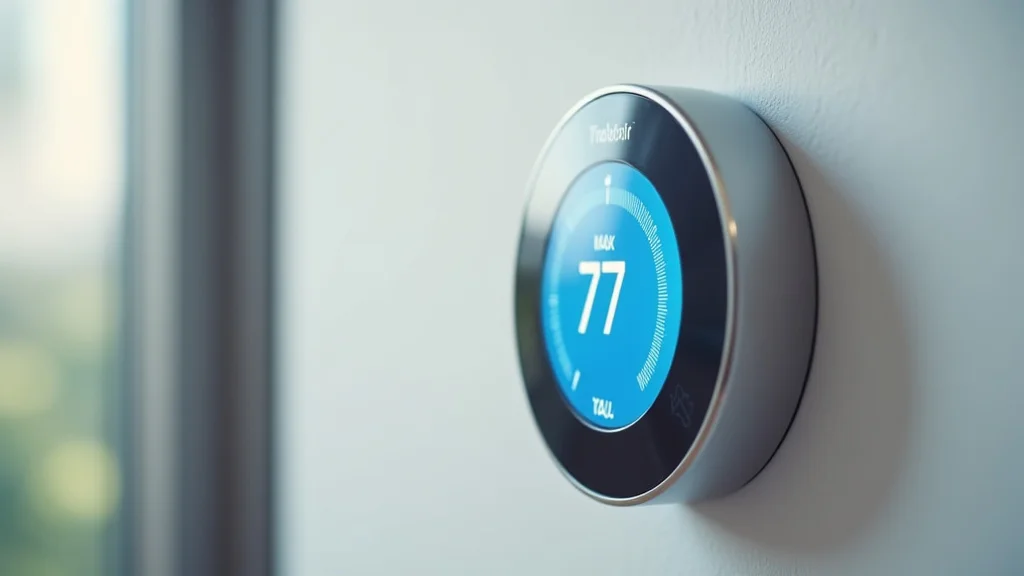
- Nest: The Nest Learning Thermostat is one of the most popular models. It learns your temperature preferences and automatically adjusts the settings to optimize energy use. It also has a sleek design and is compatible with other Nest products.
- Ecobee: Ecobee thermostats are known for their smart sensors that monitor temperature in multiple rooms. They offer excellent compatibility with smart home platforms, along with easy-to-read energy reports. They are good options for larger homes.
- Honeywell: Honeywell offers a variety of smart thermostats with different features, including voice control and user-friendly interfaces. They are known for reliability and are a good choice for homeowners seeking straightforward, easy-to-use controls.
The Nest Learning Thermostat is known for its sophisticated design and learning features. It adapts to your behavior and creates a personalized temperature schedule. Nest provides integration with other Nest products, for a complete smart home ecosystem. You also have the convenience of remote control and energy-saving reports. Nest thermostats are often eligible for various smart thermostat rebate program offerings.
Ecobee thermostats provide a distinct advantage with their room sensors, which allow for more accurate temperature control throughout your home. They have strong integration with smart home platforms, such as Apple HomeKit and Amazon Alexa. These thermostats provide detailed energy reports, along with enhanced comfort features. Ecobee offers the ability to monitor the temperature in multiple rooms.
Honeywell is a long-standing brand, which includes a wide range of smart thermostat options. They offer a combination of reliability, user-friendliness, and essential smart features. Many models support voice control. Honeywell smart thermostats can be a good option for those looking for a solid performing, no-frills solution. Some Honeywell models are frequently included in smart thermostat rebate program offerings.
Key Features to Consider
When selecting a smart thermostat, several factors influence its suitability for your needs. Consider these key features when making your decision.
- Compatibility: Make sure the thermostat is compatible with your existing HVAC system. Most smart thermostats work with standard systems. Some models may require a C-wire. This is a common wire used to provide power to the thermostat.
- Connectivity: Check for compatibility with your home’s Wi-Fi network and your preferred smart home platforms, like Apple HomeKit, Amazon Alexa, or Google Assistant. Integration with other smart home devices is a plus.
- Ease of Use: Look for a thermostat with a user-friendly interface. Easy-to-understand controls and intuitive smartphone apps make the device simple to use daily.
- Energy-Saving Features: Look for thermostats with energy-saving features like geofencing. Also look for detailed energy reports. These features will assist you in saving money on your energy bills.
Compatibility is a critical consideration. Not all smart thermostats are compatible with every HVAC system. Confirm compatibility by checking the thermostat specifications. You might need a C-wire adapter to ensure proper power supply. Check the manufacturer’s website. If there are any questions, consult an HVAC professional.
Connectivity is essential for a smart thermostat to work efficiently. Check that the thermostat connects easily to your home’s Wi-Fi. Determine whether it is compatible with your preferred smart home platform. This integration allows voice control, automated scheduling, and integration with other smart home devices. It creates a seamless and connected experience.
Ease of use is crucial for the best user experience. Opt for a thermostat with an intuitive interface and a user-friendly app. The controls should be easy to understand. The device should allow you to customize settings. This helps you get the most out of your smart thermostat. You will be able to make use of its features without unnecessary complexity.
Prioritize energy-saving features. These will maximize the financial benefits of your smart thermostat. Geofencing can help to conserve energy when you’re away. Detailed energy reports can help you understand your energy consumption habits. These features combine to make your thermostat a worthwhile investment.
Maximizing Your Savings and Energy Efficiency
Installing a smart thermostat is just the first step. To realize the full potential of energy savings and reduce costs, it’s necessary to implement additional strategies. These strategies will help you achieve the best outcome. Combining the benefits of the thermostat with other sustainable practices will yield considerable energy efficiency.
Best Practices for Energy Savings
- Create a Realistic Schedule: Use the thermostat’s scheduling features to create a temperature schedule that fits your daily routine. Program the temperature to be lower when you’re asleep or away from home and warmer when you’re awake and present.
- Monitor Energy Usage: Regularly review the energy reports provided by your smart thermostat to see your consumption patterns. Identify ways to adjust your settings and reduce your energy use.
- Optimize Heating and Cooling Seasons: Use the thermostat’s features to prepare for seasonal changes. Set appropriate temperature ranges for both summer and winter. This ensures you are comfortable and efficient year-round.
- Pair with Other Energy-Efficient Devices: Consider integrating your smart thermostat with other smart home devices, such as smart plugs or smart lighting systems. Combining these technologies can help you to further reduce energy consumption.
Optimize your schedule to match your lifestyle. Set lower temperatures when you are asleep or when you are not home. Consider using geofencing. Ensure that the schedule fits your daily routines. This simple act reduces energy usage.
Check the energy reports regularly. This helps you track consumption and spot areas where you could improve efficiency. Analyze the data to find ways to further reduce your energy usage. Use this data to refine your thermostat settings.
Use your smart thermostat to prepare for the changing seasons. Adjust the settings to reflect the outside temperatures and your home’s needs. Maintaining appropriate temperature settings will lead to both energy savings and comfort.
Combine your thermostat with other energy-efficient devices. This integration can lead to greater energy savings. Smart plugs can turn off appliances that consume phantom power. Smart lighting systems can optimize lighting. Integrating these devices will lead to even more efficient energy use.
Real-Life Examples of Savings
- The Smith Family: The Smiths, who live in a two-story home, installed a smart thermostat and optimized their heating and cooling schedule. They found that they saved about 15% on their energy bills each month. This was particularly noticeable during the winter and summer months.
- The Johnson Household: The Johnsons, who worked in the office, installed a smart thermostat with geofencing. They set the thermostat to automatically lower the temperature when they left for work. They would then increase it as they approached home. This eliminated wasteful energy use and led to a consistent reduction in energy costs.
- The Davis Residence: The Davises used their smart thermostat’s energy reports to discover they were overcooling their home at night. After adjusting their thermostat settings, they reduced their cooling costs by nearly 20% during the summer.
The Smiths of a two-story home, took proactive steps to save on their energy costs. They
The Johnsons, a family with busy schedules, used technology to lower their home’s energy consumption. They selected a smart thermostat with geofencing capabilities and optimized their settings. These settings would automatically decrease the temperature when they left for work. They found that their energy costs were cut consistently. By using the geofencing features, their home’s temperature was adjusted automatically. This eliminated wasted energy and decreased their utility costs.
The Davises, after adopting a smart thermostat, were able to identify and address inefficiencies. They used the detailed energy reports to examine their consumption patterns. They discovered they were overcooling their home at night. After correcting their thermostat settings, they dramatically cut their cooling costs. Their summer cooling costs were cut by approximately 20%. This data-driven approach allowed them to improve their energy usage.
Common Myths Debunked
There are many misconceptions about smart thermostats. These misunderstandings can prevent people from taking advantage of these technologies. It is essential to debunk these common myths and set the record straight.
Myth 1: Smart Thermostats Are Difficult to Install
Many people believe the installation of a smart thermostat is complex and requires professional help. However, many models are designed for easy installation, allowing homeowners to install them themselves. You can often find detailed instructions and tutorials online.
Myth 2: Smart Thermostats Aren’t Worth the Investment
Some believe smart thermostats cost too much and do not provide enough savings to justify the expense. In reality, with the potential for reduced energy bills and the availability of smart thermostat rebate programs, smart thermostats can provide a fast return on investment.
Myth 3: Smart Thermostats Only Work in Modern Homes
There is a misconception that smart thermostats only work in newer homes with advanced HVAC systems. The reality is that many smart thermostats are compatible with standard heating and cooling systems, regardless of the home’s age.
Myth 4: Smart Thermostats are a Security Risk
There is concern that smart thermostats can be easily hacked, compromising your personal information and home’s security. In reality, smart thermostats use secure encryption protocols to protect user data. Regular software updates are often provided to patch potential security vulnerabilities.
Myth 5: Smart Thermostats are Difficult to Use
Some believe that smart thermostats are difficult to use. In reality, most smart thermostats have intuitive interfaces and easy-to-use smartphone apps. The simplicity of the controls makes it simple to adapt to these devices. You can control your thermostat settings, regardless of your technical skills.
Frequently Asked Questions
Question: Do I need a professional to install a smart thermostat?
Answer: No, many smart thermostats are designed for DIY installation. Check the manufacturer’s instructions. If you’re uncomfortable with electrical work, it’s best to hire a professional.
Question: Are smart thermostats compatible with all HVAC systems?
Answer: Most smart thermostats work with standard HVAC systems. However, confirm compatibility with your system, particularly if you have a more specialized setup.
Question: How much money can I really save with a smart thermostat?
Answer: Savings vary based on your habits and climate. However, you can generally expect to save 10-20% on your heating and cooling costs.
Question: Are smart thermostats secure?
Answer: Yes, smart thermostats use encryption to protect your data. Make sure you keep your device software updated.
Question: Where can I find out about local rebate programs?
Answer: Check with your utility company, search online for programs in your area, or contact local energy efficiency organizations.
Final Thoughts
Implementing a smart thermostat rebate program offers a fantastic opportunity to enhance your home’s energy efficiency. These programs make it possible to make the switch to a smart thermostat. By taking advantage of the offered rebates, you not only reduce your up-front expenses but also promote long-term cost savings. You also can benefit from a more comfortable and sustainable living environment. By following the tips discussed, you can optimize your usage and maximize your energy savings. These technologies are also key in contributing to a healthier environment. The ability to monitor, customize, and automate your home’s climate controls empowers you to take charge of your energy consumption and lower your carbon footprint. Explore the available programs in your area, choose a suitable thermostat, and begin your journey towards a more intelligent and more efficient home. You might just be surprised by how much you save, both financially and environmentally.