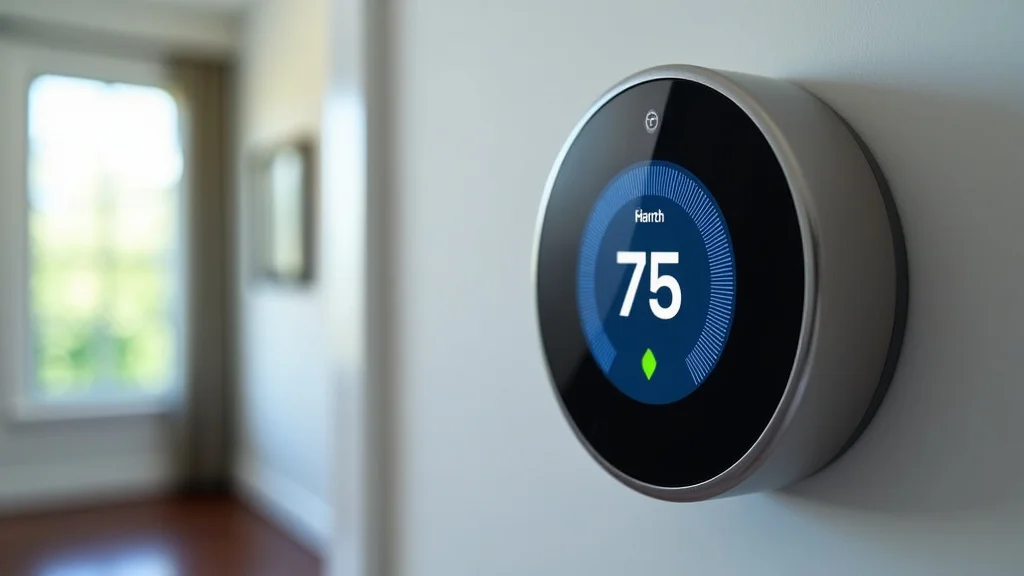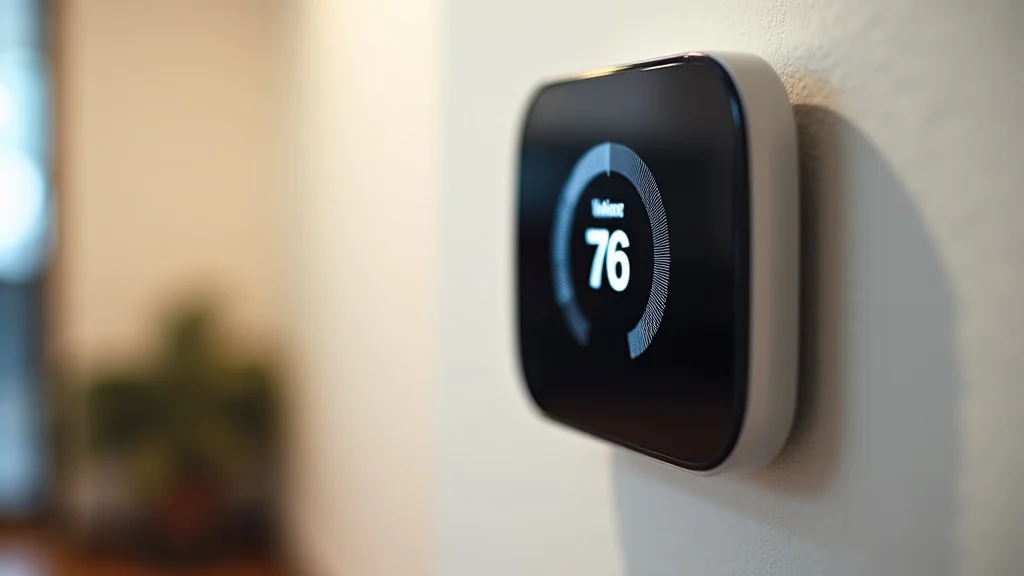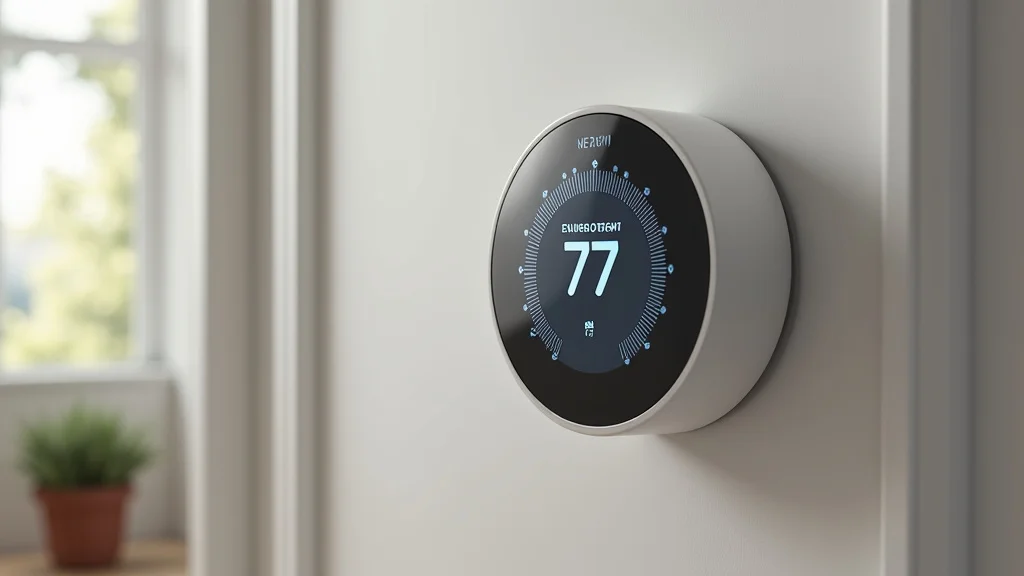
Remember that chilly morning when you woke up to a freezing house? Or that sweltering afternoon when your AC was blasting, even though you were away? Those are moments when a smart thermostat home assistant could have saved the day (and your energy bill!). This guide will explore how to set up and get the most out of your smart thermostat home assistant, streamlining your home’s climate control. You’ll learn the benefits, see practical examples, and discover how to automate your comfort. By the end, you’ll be able to optimize your home’s temperature with ease, improving your comfort and potentially saving money.
Key Takeaways
- Learn how a smart thermostat integrates with a home assistant system.
- Discover the benefits of automating your home’s temperature control.
- Explore the various features and functionalities of these devices.
- Understand how to set up and personalize your smart thermostat.
- Find out how they can save you money on your energy bills.
- Explore common questions and misconceptions about the technology.
Integrating Smart Thermostats With Your Home
A smart thermostat is a connected device that manages your home’s heating and cooling system. But how does it become truly “smart?” The answer lies in integration with a home assistant. A home assistant, like Google Home or Amazon Echo, acts as the central brain of your smart home. It allows you to control various devices, including your thermostat, through voice commands or a smartphone app. This integration simplifies your life and provides you with greater control over your home’s environment. You can adjust the temperature, set schedules, and monitor energy usage—all from a single interface. Smart thermostat and home assistant integration opens up a world of automation possibilities.
What is a Smart Thermostat?
A smart thermostat is a digital, programmable thermostat that connects to your home’s Wi-Fi network. Unlike older models, it allows for remote control via a smartphone app or voice commands. It typically learns your temperature preferences and adjusts the heating and cooling accordingly. These devices often incorporate advanced sensors, like occupancy sensors, and can integrate with other smart home devices. They often offer features like geofencing (automatically adjusting temperature when you’re away or approaching home) and energy usage reports, helping you save money and increase convenience.
- Connectivity: Smart thermostats connect to your home’s Wi-Fi, allowing control from anywhere with an internet connection. This is a crucial element for remote management, enabling you to adjust the temperature whether you’re at work, on vacation, or simply in another room. The constant connectivity allows for real-time monitoring of energy usage and system status.
- Learning Capabilities: They learn your patterns and preferences to optimize temperature settings automatically. This often involves tracking when you’re home and at what temperatures you are comfortable. The thermostat adjusts the schedule over time, creating a more personalized and energy-efficient experience.
- Energy Efficiency Features: Many models offer features like geofencing and energy reports to help reduce energy consumption. Geofencing uses your smartphone’s location to automatically adjust the temperature when you leave or return home. The energy reports give you insights into your energy usage patterns, helping you identify areas for improvement.
This connectivity provides a crucial edge over traditional thermostats that demand manual adjustments. The ability to monitor energy consumption is a game changer. The capability to pre-cool your house before your arrival can improve comfort.
Through machine learning, the thermostat learns your preferred schedules, heating or cooling cycles, and optimal temperatures. This is a gradual process, but over time, the system will adjust automatically, reducing energy use and boosting convenience.
These features help homeowners save money. Real-time data visualization helps homeowners understand their habits and see how their settings impact bills. The ability to track energy consumption offers valuable data for energy conservation.
The Role of a Home Assistant
A home assistant, such as Google Assistant, Amazon Alexa, or Apple’s Siri, acts as the central control hub for your smart home devices. It allows you to control your smart thermostat, along with lights, appliances, and other connected devices, using voice commands or a smartphone app. The home assistant simplifies the process of controlling your home environment, providing a user-friendly interface for managing all your devices from one place. This simplifies daily routines and boosts the overall convenience of smart home technology. Home assistants communicate with the smart thermostat via the home’s Wi-Fi network, providing remote control and automation.
- Voice Control: Home assistants enable you to control your thermostat with voice commands. This hands-free control is very convenient, allowing you to adjust the temperature without getting up or using your phone. This is particularly useful when you’re busy or when you want to make quick adjustments.
- App Integration: Home assistants also provide a user-friendly app interface for controlling your smart thermostat. This allows you to set schedules, adjust temperatures, and monitor energy usage from your smartphone or tablet. The app offers a centralized location for managing all your smart home devices, improving usability.
- Automation Capabilities: Home assistants enable you to create custom automation routines that integrate your thermostat with other smart home devices. For example, you can set up a routine to turn on the lights and adjust the temperature when you arrive home. This degree of automation improves comfort and saves energy.
Voice commands make adjusting the temperature easy, especially when you are doing something else. You can adjust the temperature even if your hands are full. The ability to control your thermostat with just your voice is very helpful.
The home assistant app interface offers complete thermostat control. Many users prefer a centralized application over separate apps. Control all smart home devices from one hub.
Automation routines offer a way to create complex tasks based on various conditions. Setting up ‘scenes’ ensures different devices and settings work perfectly. Automations can be based on time of day, location, or the status of other smart devices.
Integration Process
Integrating your smart thermostat with a home assistant is usually a straightforward process. First, ensure your smart thermostat is installed and connected to your Wi-Fi network. Then, download the home assistant app and follow its instructions to add your thermostat. This generally involves linking your thermostat’s account to the home assistant and granting necessary permissions. After setup, you can begin using voice commands or the app to control your thermostat. The exact steps can vary slightly depending on the brand of both the thermostat and the home assistant.
- Account Linking: The first step involves linking your thermostat’s account to your home assistant. This involves entering your login credentials for your thermostat account into the home assistant app. The home assistant then uses this information to access and control your thermostat.
- App Setup: Follow the home assistant app’s instructions to add your thermostat. This often involves selecting your thermostat model from a list of compatible devices. The app will then guide you through the process of connecting your thermostat.
- Voice Command Testing: Once the setup is complete, test the voice control functionality by using commands. Try commands such as “Alexa, set the temperature to 70 degrees” or “Hey Google, turn on the heat.” This verifies that the connection has been properly established.
This step is the key to connecting your thermostat to the home assistant. It’s often required that you have both devices on the same home network. Authentication usually happens once, and then the integration is set.
The home assistant app simplifies integration. Most apps provide step-by-step guidance. Be sure you know the make and model of your thermostat.
Check the setup by testing a few simple voice commands. Testing ensures seamless control over the device. A well-functioning voice control enhances user experience.
Advantages of a Smart Thermostat Home Assistant System
The benefits of a smart thermostat home assistant system extend beyond simple temperature control. They provide increased convenience, energy savings, and improved comfort. The ability to control your home’s climate from anywhere provides peace of mind and flexibility. Energy efficiency features help you save money on your utility bills. Smart thermostats also offer insights into your energy usage patterns, helping you to make informed decisions about your energy consumption. By using automation routines, you can customize your home environment to match your lifestyle.
Energy Savings
One of the primary advantages of a smart thermostat is its potential for energy savings. These devices often learn your habits and adjust the temperature automatically to optimize energy use. Geofencing can automatically turn down the heat or AC when you’re away. Scheduling features allow you to set different temperatures for different times of the day and days of the week, reducing energy waste when you’re not home. These features can result in significant savings on your energy bills.
- Smart Scheduling: Smart thermostats let you create custom schedules to match your daily routines. For example, you can set the temperature to lower when you’re asleep or away at work. The schedule adjusts automatically as you establish your preferred settings.
- Geofencing: Geofencing uses your smartphone’s location to automatically adjust the temperature as you leave or return home. This ensures that your home is not heated or cooled unnecessarily. It helps conserve energy when the home is empty and prepares your home to a comfortable temperature when you are returning.
Geofencing improves energy savings and convenience. Geofencing will automatically prepare your house before you get home. It will only begin cooling or heating when it detects your approach.
- Usage Reports: Many smart thermostats provide energy usage reports, giving you insights into your energy consumption. These reports can show you how much energy you’re using, when you’re using it, and how much it’s costing you. This information allows you to make informed decisions about your energy usage.
- Statistic: According to the U.S. Department of Energy, homeowners can save about 10% on their heating and cooling costs by setting their thermostats back 7–10 degrees for 8 hours a day.
Custom schedules eliminate wasted energy when the home is unoccupied. The scheduling capabilities are often combined with other features for maximum savings. Smart scheduling will help optimize energy usage.
Usage reports give insights into your energy use. Usage reports highlight areas where energy use can be trimmed. You can use these insights to fine-tune your settings to be more energy-efficient.
Convenience and Comfort
Smart thermostats provide a significant level of convenience and comfort. The ability to control your thermostat remotely, using your smartphone or voice commands, makes it easy to adjust your home’s temperature from anywhere. Smart thermostats also offer advanced features like learning capabilities and automation routines. This can help create a comfortable living environment that adapts to your personal preferences. Features like automated temperature adjustments and customized schedules ensure that your home is always at the perfect temperature, no matter your location.
- Remote Control: The ability to control your thermostat from anywhere is a major convenience. You can adjust the temperature before you arrive home, or check and adjust the settings while you’re away. This provides peace of mind and allows you to adapt to changing weather conditions.
- Personalized Settings: Smart thermostats can learn your preferences and create a personalized temperature schedule. This eliminates the need for manual adjustments and ensures your home is always at the perfect temperature. This offers a high degree of comfort and automation.
- Voice Control: The ability to control your thermostat with voice commands is a convenient, hands-free way to adjust the temperature. It is especially useful when your hands are full or when you’re relaxing. Voice control adds to the ease of use of the smart home system.
Remote control is a huge advantage. Remote control will let you manage your home’s temperature with ease. You can make adjustments regardless of your location.
Personalized settings will provide a more comfortable environment. The more the system learns, the better it understands your preferences. This leads to increased comfort and satisfaction.
Voice control provides a convenient way to make quick changes. Voice commands remove the need to physically interact with the thermostat or your phone. Voice control makes the system more accessible.
Integration and Automation
The integration of a smart thermostat with a home assistant opens up a world of automation possibilities. You can set up routines that automatically adjust the temperature based on your schedule, the time of day, or other events. For example, you can have your thermostat automatically lower the temperature at night and raise it in the morning. These automations can improve your comfort and enhance energy efficiency. This seamless integration boosts the overall smart home experience, making your life easier and your home smarter.
- Custom Routines: Integrate your thermostat with other smart home devices. For example, have the lights turn on and the temperature adjust when you arrive home. Create custom rules based on your preferences.
- Smart Sensors: Integrate your smart thermostat with smart sensors. Use temperature sensors to monitor different rooms. Adjust the thermostat based on the conditions in these rooms.
- Integration With Other Devices: Combine your thermostat with other smart home devices. This expands automation capabilities. For example, link your thermostat with your smart blinds and smart lighting.
Custom routines enhance comfort and efficiency. Custom routines can be programmed to trigger actions based on triggers. Customize the system to work for you.
Smart sensors improve the functionality of your system. You can get more accurate readings across your home. The system will adapt to your needs.
Smart thermostat integration expands your smart home ecosystem. You can create advanced routines. You can build a truly smart and automated home.
Choosing the Right Smart Thermostat
Selecting the right smart thermostat involves considering several factors, including compatibility, features, and price. Compatibility is essential, so check to ensure the thermostat is compatible with your home’s HVAC system. Consider which features you need, such as geofencing, learning capabilities, and energy usage reports. Compare prices and read reviews to ensure you’re getting a quality product that meets your needs. The right choice will depend on your specific circumstances, budget, and desired level of automation.
Compatibility Considerations
Before purchasing a smart thermostat, it is essential to determine its compatibility with your existing HVAC system. Most thermostats are designed to work with standard heating and cooling systems. However, some systems, such as heat pumps or multi-stage systems, may require a specific thermostat model. Check the thermostat’s compatibility information and the wiring requirements to ensure a smooth installation. Also, verify compatibility with your home assistant system.
- HVAC System Type: Make sure the thermostat supports the type of HVAC system you have. This includes systems like furnaces, air conditioners, heat pumps, and multi-stage systems. Check the thermostat’s documentation or the manufacturer’s website to confirm compatibility.
- Wiring Requirements: Understand the wiring requirements of your existing thermostat and the smart thermostat. Identify the wires connected to your current thermostat and make sure the new thermostat has matching terminals. If you are not comfortable with wiring, consider getting a professional installer.
- Home Assistant Compatibility: Ensure the smart thermostat is compatible with your home assistant system. Check if the thermostat is supported by Google Assistant, Amazon Alexa, or other home assistant platforms you use. This will ensure seamless integration and control.
Compatibility with your HVAC system is a must. Ensure the thermostat can control your specific heating and cooling setup. Double-check your setup to ensure there are no issues.
Understand the wiring requirements to ensure a smooth installation process. Be prepared to identify and connect the wires correctly. If you have any doubt, seek help from a professional.
Check the compatibility with your chosen home assistant platform. The seamless integration of your thermostat is important. Ensure that the thermostat will work with your ecosystem.
Key Features to Consider
Several features can enhance the functionality and value of your smart thermostat. Learning capabilities allow the thermostat to adjust the temperature automatically, based on your preferences and habits. Geofencing adjusts the temperature based on your location. Energy usage reports provide insights into your energy consumption. Wi-Fi connectivity and app control are essential for remote control and integration with a home assistant. Consider these features when selecting a smart thermostat.
- Learning Capabilities: Choose a smart thermostat that can learn your temperature preferences and automatically adjust the temperature accordingly. This feature optimizes your comfort and energy efficiency over time. Look for models with adaptive learning features that continually refine the temperature schedule.
- Geofencing: Geofencing allows the thermostat to automatically adjust the temperature based on your location. When you leave home, the thermostat can lower or raise the temperature, and when you return, it will revert to your preferred settings. Geofencing can help to save energy.
- Energy Usage Reports: Opt for a smart thermostat that provides energy usage reports. These reports give you insights into your energy consumption patterns and allow you to see your energy savings over time. Use these reports to adjust your settings and identify areas for efficiency improvement.
Learning capabilities will allow the thermostat to be more efficient. The more your system learns, the more it will adapt to your habits. Over time, you’ll see reduced energy bills.
Geofencing ensures that your home is at the ideal temperature. The geofencing feature will increase your savings. This improves comfort and can reduce energy waste.
Energy usage reports give you critical information. They can help you to fine-tune your settings. Track your progress with detailed reports and improve your efficiency.
Budget and Brand Considerations
The price of smart thermostats can vary significantly. Some entry-level models offer basic features, while more expensive models include advanced functionality. Research different brands and compare prices. Consider the reputation and reliability of each brand. Reading reviews from other customers can help you determine the value and performance of a particular thermostat. Balancing features, reliability, and price will help you find the best smart thermostat for your needs.
- Price Range: Smart thermostats range in price, so set a budget before you start shopping. More expensive models often offer more features. Decide what features are most important to you, and balance them against the price.
- Brand Reputation: Research different brands to determine their reputation for quality and reliability. Read reviews from other customers. Look for thermostats from well-regarded brands to ensure you get a product that will last and work well.
- Warranty: Check the warranty of the smart thermostat to ensure you’re covered if anything goes wrong. A good warranty indicates the manufacturer’s confidence in their product and offers you peace of mind.
Plan out a budget. Determine the features that you need. Identify what is most important to you, and the features that you want.
Reading customer reviews is useful. Research the brands before you buy. See what other customers say about the devices.
The warranty will protect you. A warranty will protect you from potential problems. Understand the terms and conditions.
Common Myths Debunked
Myth 1: Smart Thermostats Are Difficult to Install
Many people believe that installing a smart thermostat is complex. However, most smart thermostats are designed for easy installation, often involving simple wiring connections and straightforward setup instructions. Many manufacturers provide detailed instructions and videos to guide you through the process. Moreover, if you aren’t comfortable with the install, professional installation services are readily available, which will ensure proper setup and function.
Myth 2: Smart Thermostats Only Work With Newer HVAC Systems
This is incorrect; many smart thermostats are compatible with various HVAC systems, including older ones. While some advanced features may be specific to newer systems, the basic functionality of a smart thermostat, such as remote control and programming, can be used with a wide range of systems. Before you make your purchase, always check the compatibility list, but don’t assume that an older system is excluded.
Myth 3: Smart Thermostats Are Easily Hacked
While any connected device has some risk of being hacked, smart thermostats typically have security features to protect against unauthorized access. Manufacturers often use encryption and security protocols to prevent hacking. Keeping your thermostat’s software updated, using strong passwords, and securing your home Wi-Fi network are all crucial steps to minimize this risk. However, the risk is relatively low.
Myth 4: Smart Thermostats Always Save Money
While smart thermostats have the potential to save energy, savings are not guaranteed. The actual savings depend on how you use the device and your habits. If you don’t take advantage of features like scheduling and geofencing or if you maintain a constant temperature, you might not see significant savings. The key is to optimize your settings and use the thermostat’s features to match your lifestyle for the best results.
Myth 5: Smart Thermostats Are Not Worth the Price
The perception is that smart thermostats are expensive and not worth it. When weighing the initial cost against long-term benefits, smart thermostats can provide value. The potential energy savings, added convenience, and enhanced comfort often exceed the initial investment. Over time, these savings can help to offset the original cost, making them a worthwhile investment for many homeowners.
Frequently Asked Questions
Question: Will a smart thermostat work in my home?
Answer: Most smart thermostats are compatible with the majority of HVAC systems. You should verify compatibility by checking the manufacturer’s list and reading the wiring instructions.
Question: Do I need a professional to install a smart thermostat?
Answer: Not necessarily. Many homeowners can perform the installation themselves by following the steps provided. However, a professional can install it if you are uncomfortable with the process.
Question: How do smart thermostats save energy?
Answer: Smart thermostats save energy by automatically adjusting the temperature. They adjust based on your schedule, and location, and optimizing your settings.
Question: Can I control my smart thermostat from anywhere?
Answer: Yes, you can. Smart thermostats connect to your home’s Wi-Fi network. They are controlled remotely using a smartphone app.
Question: Do smart thermostats require a subscription fee?
Answer: Most smart thermostats do not require a subscription fee for regular use. Advanced features and some extended data analytics might involve a monthly subscription.
Final Thoughts
Implementing a smart thermostat home assistant system into your home offers an incredible way to take control of your indoor environment. With the ability to control your heating and cooling from anywhere, set personalized schedules, and monitor your energy usage, you’re not just enhancing your comfort; you’re also potentially saving money and reducing your environmental footprint. As you explore the market, focus on compatibility, essential features, and your budget to discover the perfect thermostat for your needs. Remember, the key to success is to personalize the settings to your lifestyle. Enjoy the freedom and ease that a smart thermostat home assistant brings. Embrace the technology and transform your living space into a more comfortable, energy-efficient, and convenient home.