Remember that winter where your heating bill skyrocketed? You were bundled up inside, yet the house felt cold, and the thermostat was constantly battling to keep up. Frustrating, right? Imagine having a system that learns your habits, adjusts automatically, and helps you save money. That’s the power of a smart thermostat heat pump. This article will explore how these innovative systems work, the advantages they offer, and how they can transform your home’s comfort and energy efficiency. By the time you finish reading, you’ll have a clear picture of how a smart thermostat heat pump can benefit you and your wallet.
Key Takeaways
- Smart thermostat heat pumps offer enhanced energy efficiency compared to traditional systems.
- These systems provide remote access and control, allowing adjustments from anywhere.
- They learn your usage patterns and automate temperature adjustments for optimal comfort.
- Smart features include energy usage reports, helping you monitor and reduce energy bills.
- Integration with other smart home devices increases overall home automation capabilities.
- Proper installation and maintenance are essential to ensure the heat pump functions correctly.
Understanding Smart Thermostat Heat Pumps
A smart thermostat heat pump is an integrated system that combines the functions of a heat pump with the intelligence of a smart thermostat. A heat pump is a highly efficient heating and cooling system that transfers heat rather than generating it, making it much more energy-efficient than traditional furnaces or air conditioners. The smart thermostat component provides intelligent control, remote access, and automation features. This allows homeowners to optimize their home’s temperature, monitor energy usage, and save on utility bills. They are changing how we heat and cool our homes, making them more efficient and user-friendly. These systems are designed to provide consistent, comfortable temperatures while using less energy, ultimately lowering your environmental impact.
How Heat Pumps Work
Heat pumps work on a straightforward principle: they move heat. In the heating mode, a heat pump extracts heat from the outside air (even when it’s cold) and transfers it indoors. During the cooling season, it reverses this process, removing heat from inside the home and releasing it outside. This process is far more efficient than generating heat directly, making heat pumps a popular choice for energy-conscious consumers. The primary components include a refrigerant, a compressor, a reversing valve, and coils. The refrigerant absorbs and releases heat as it cycles through the system. The compressor increases the pressure and temperature of the refrigerant. The reversing valve switches the flow of refrigerant, allowing the heat pump to function in both heating and cooling modes. The coils are responsible for heat exchange – absorbing heat from the outside and releasing it indoors, or vice versa.
- Refrigerant: A special fluid that absorbs and releases heat.
- Compressor: Increases the pressure and temperature of the refrigerant.
- Reversing Valve: Changes the refrigerant flow for heating or cooling.
- Coils: Absorb or release heat to the environment or the home.
- Expansion Valve: Reduces the refrigerant pressure.
Consider the scenario of a family in a region with mild winters. During winter, the heat pump extracts warmth from the relatively warmer outdoor air, even if it’s chilly, and transfers it inside. In summer, it reverses the process, pulling heat from the house and expelling it outside, providing effective cooling. This dual functionality is achieved without burning fuel, offering significant energy savings. Heat pumps can be air source, ground source (geothermal), or water source, depending on their design and the source of heat they utilize.
Smart Thermostat Features
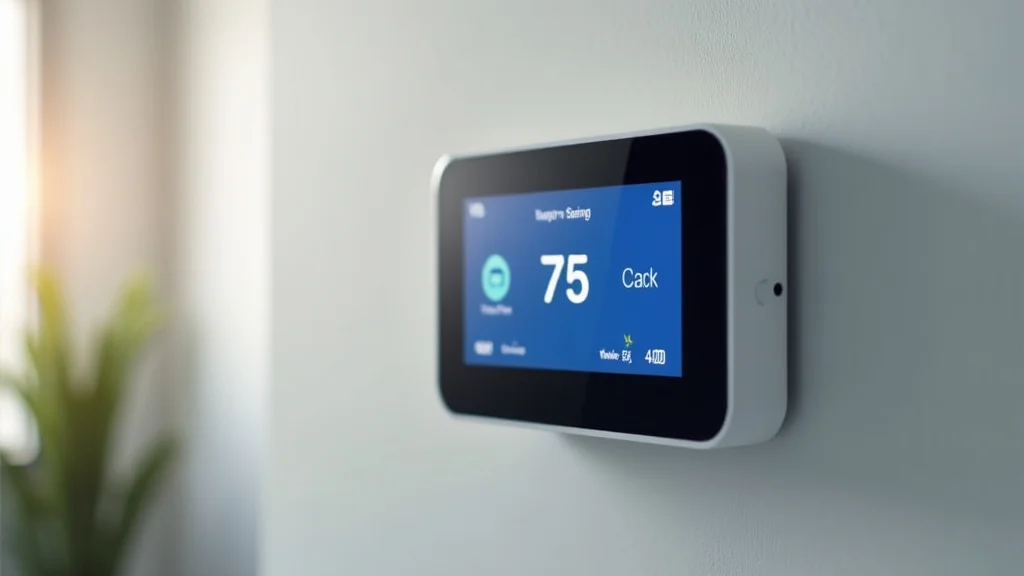
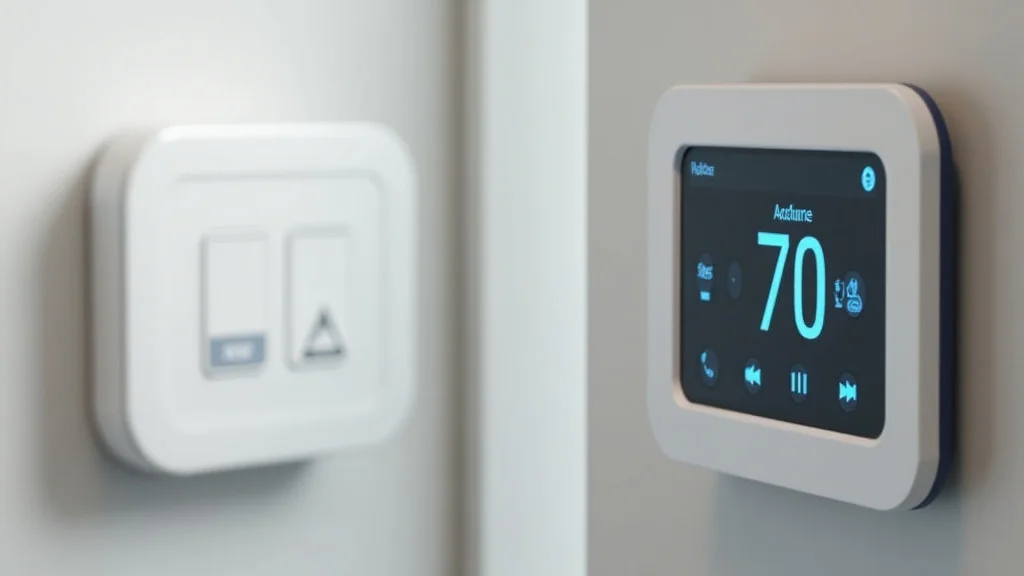
Smart thermostats add a layer of intelligence and convenience to the heat pump system. They connect to your home’s Wi-Fi network and allow you to control the system remotely using a smartphone app or a web interface. The key features include automated temperature scheduling, learning capabilities, and energy usage tracking. They learn your preferred temperatures and adjust the heating and cooling schedules accordingly. This learning capability helps eliminate the need for manual adjustments and ensures the home is at the desired temperature when you arrive. They collect data on energy consumption, providing insights into your energy usage patterns. This data helps you make informed decisions about your energy consumption habits and can lead to significant cost savings. Some can also integrate with other smart home devices such as voice assistants.
- Remote Control: Manage the temperature settings from anywhere.
- Automated Scheduling: Pre-set temperatures based on your routine.
- Learning Capabilities: Adjusts based on your habits and preferences.
- Energy Usage Tracking: Monitors energy consumption and provides insights.
- Integration: Works with other smart home devices.
Think about a homeowner who works irregular hours. With a smart thermostat, they can adjust the temperature remotely, ensuring the house is comfortable when they return home, regardless of their schedule. The thermostat might also learn their preferences over time, automatically setting the temperature to the perfect level based on their historical behavior. These smart thermostats often have an eco-friendly mode to maximize energy savings. They are designed to adapt and work around your lifestyle.
Advantages of a Smart Thermostat Heat Pump
The combination of a smart thermostat and a heat pump offers a variety of advantages, including increased energy efficiency, enhanced comfort, and cost savings. One of the main benefits is the improved energy efficiency. Heat pumps are inherently more efficient than traditional heating and cooling systems, and the smart thermostat further optimizes this efficiency by automating temperature adjustments and learning your habits. They offer a constant, comfortable environment by maintaining a consistent temperature, eliminating temperature fluctuations. They can lead to significant reductions in your energy bills. Energy savings often result from efficient operation and the ability to control the system remotely, allowing you to reduce energy waste. They also contribute to a greener lifestyle by reducing your carbon footprint.
Energy Efficiency Benefits
A smart thermostat heat pump excels in energy efficiency, translating into lower energy bills and reduced environmental impact. The advanced technology ensures that the system operates at its peak performance. Traditional systems often waste energy by overheating or overcooling spaces, whereas the smart thermostat precisely adjusts the temperature based on occupancy and real-time conditions. The ability to control the system remotely allows homeowners to prevent energy waste when they are away from home. The savings can be substantial over time, making a smart thermostat heat pump a wise investment.
- Reduced Energy Consumption: By optimizing temperature settings.
- Lower Utility Bills: Through efficient operation and energy conservation.
- Environmentally Friendly: Reduces your carbon footprint.
- Smart Schedules: Automatically adjust based on occupancy.
- Efficient Operation: Operates at peak performance levels.
For example, imagine a homeowner who is consistently away from home during the week. A smart thermostat allows them to set the temperature higher in the summer and lower in the winter during their absence, minimizing energy use. They can then set it to their preferred comfortable temperature before they return, ensuring a pleasant environment without wasting energy during the unoccupied hours. This is an excellent way to reduce your energy bill. According to the U.S. Department of Energy, using a smart thermostat can save you about 10% on your heating and cooling costs.
Enhanced Comfort and Convenience
Smart thermostat heat pumps also provide enhanced comfort and convenience. They maintain consistent temperatures throughout the home, eliminating the temperature swings common in older systems. The automation features mean you don’t have to manually adjust the thermostat constantly. They provide remote access through a user-friendly app, allowing you to control your home’s temperature from anywhere with an internet connection. Some systems provide detailed reports on energy consumption and give insights. The ability to customize schedules and integrate with other smart home devices contributes to a more seamless and personalized home environment. They help homeowners achieve a consistently comfortable environment, which is especially beneficial during seasonal changes. They help to improve home comfort and give you more control.
- Consistent Temperatures: Eliminating temperature fluctuations.
- Remote Access: Control from anywhere with an internet connection.
- Customizable Schedules: Set up heating and cooling based on your routine.
- User-Friendly Interface: Easy to manage via a smartphone app.
- Smart Home Integration: Works with other smart home devices.
Consider a family who enjoys traveling. With a smart thermostat heat pump, they can easily adjust the home temperature before and after vacations, ensuring they return to a comfortably conditioned home and preventing energy waste when away. They don’t have to worry about the home becoming excessively cold or hot. These systems allow for a pleasant home experience. This level of control and convenience significantly improves the overall living experience.
Cost Savings and Financial Incentives
Investing in a smart thermostat heat pump can lead to significant cost savings in the long run. The increased energy efficiency of the system translates directly into lower utility bills. They learn from your temperature preferences and daily routines, making them more efficient. Many government and local programs offer rebates, tax credits, and incentives for homeowners who install energy-efficient systems. These incentives can reduce the initial cost of the system. The long-term cost savings, combined with potential financial incentives, make this system a financially smart investment. Reduced energy bills lead to more disposable income.
- Reduced Utility Bills: Due to increased energy efficiency.
- Government Rebates and Incentives: Reducing the upfront cost.
- Long-Term Savings: Making it a financially sound investment.
- Smart Usage Patterns: Optimizes usage to reduce waste.
- Increased Home Value: A modern and efficient system can increase home value.
For example, imagine a homeowner who receives a $500 rebate from their local utility company for installing a smart thermostat heat pump. This incentive, combined with lower monthly energy bills, drastically reduces the payback period. The savings begin from day one. In addition, the long-term energy savings and any added home value can make this system a wise decision for a homeowner.
Installation and Maintenance of a Smart Thermostat Heat Pump
Proper installation and regular maintenance are crucial for ensuring your smart thermostat heat pump operates efficiently and reliably. A professional installation guarantees the system is correctly set up, configured, and optimized for your home’s needs. Regular maintenance ensures the system operates at its peak efficiency, prevents breakdowns, and extends its lifespan. This involves periodic inspections, cleaning, and necessary repairs. The lifespan of your system relies on proper maintenance. Neglecting these aspects can lead to reduced efficiency, increased energy costs, and potentially more serious problems down the line. Proper care is key for long-term comfort and savings.
Professional Installation
Professional installation is vital for ensuring your smart thermostat heat pump operates efficiently and safely. A qualified technician will assess your home’s specific requirements, including its size, insulation, and layout, and select the appropriate heat pump model. They will ensure the system is properly sized to provide efficient heating and cooling without wasting energy. Correctly installed wiring, ductwork, and refrigerant lines ensure the system’s safe and efficient operation. They will set up the smart thermostat, connecting it to your Wi-Fi network and configuring its settings according to your preferences. Proper installation ensures the system’s long-term performance and reliability.
- System Sizing: Correctly sized for your home’s needs.
- Electrical Connections: Safe and reliable wiring setup.
- Ductwork and Refrigerant Lines: Properly installed for efficiency.
- Thermostat Configuration: Setting up the smart features.
- Warranty Compliance: Ensuring proper setup for warranty coverage.
A homeowner might be tempted to install the system themselves to save money. However, an improperly installed system might not operate correctly, leading to wasted energy and potential damage. A professional installation ensures that the system runs smoothly from day one, meeting all safety standards and optimizing performance for long-term benefits. Proper setup is important for the system’s longevity. This avoids expensive repairs.
Regular Maintenance Tips
Regular maintenance is essential for extending the life of your smart thermostat heat pump and ensuring it operates efficiently. This involves several key steps. Change the air filters regularly, as a clogged filter can reduce airflow and efficiency. Schedule professional maintenance annually to check all components, clean the coils, and inspect the system for any potential issues. Keep the outdoor unit clear of debris, such as leaves and branches. Regularly inspect the system’s components, paying attention to any signs of wear or damage. Proper maintenance prolongs the life of the system and maintains its high performance.
- Air Filter Replacement: Changing filters regularly.
- Professional Inspections: Annual system checkups.
- Outdoor Unit Cleaning: Keeping it free from debris.
- Component Inspection: Checking for wear or damage.
- Routine Servicing: Lubricating moving parts.
Consider a homeowner who regularly cleans their air filters every month and schedules an annual inspection. This proactive approach helps prevent minor issues from becoming major problems. These actions also ensure the system operates at its peak efficiency. In the long run, this investment in maintenance will extend the life of the system. This will lead to increased energy savings.
Smart Thermostat Heat Pump: Case Studies and Examples
Real-world examples demonstrate the tangible benefits of smart thermostat heat pumps. They show how these systems can significantly improve home comfort, reduce energy costs, and contribute to a more sustainable lifestyle. These case studies highlight the positive impact that these smart systems can have. From families saving money on their monthly energy bills to homeowners enjoying a consistently comfortable environment, the results are compelling. The following examples demonstrate the practical advantages of these systems.
Case Study 1: Energy Savings
A family in a region with fluctuating weather conditions installed a smart thermostat heat pump. Before the system, the family struggled with inconsistent temperatures and high energy bills. The thermostat learned their daily routines and automatically adjusted the temperature. This led to a 25% reduction in their heating and cooling costs in the first year alone. The family could monitor their energy consumption via the thermostat’s app, giving them a clear picture of their energy usage. This case highlights how smart thermostat heat pumps can deliver tangible financial benefits. With smart schedules, remote control, and energy monitoring, the family gained a comfortable home environment.
- Baseline: High energy bills, inconsistent temperatures.
- Intervention: Installation of a smart thermostat heat pump.
- Results: A 25% reduction in energy costs, improved comfort.
The family enjoyed reduced energy bills. They used the app to adjust the thermostat. The system gave them a much more comfortable environment. Their case study shows how smart thermostats give great value to a home.
Case Study 2: Remote Control and Convenience
A homeowner with a vacation home installed a smart thermostat heat pump to manage their property remotely. They could monitor the temperature and control the system from their smartphones, ensuring their vacation home was ready for their arrival. They set up pre-programmed settings and received alerts when there were any performance issues. This remote management capability provided convenience and peace of mind. The ability to monitor and control their vacation home’s climate from a distance was a significant advantage. This shows the convenience of these systems.
- Baseline: Manual control, limited remote management.
- Intervention: Smart thermostat heat pump installation.
- Results: Remote access, energy savings, peace of mind.
The homeowner used the app to control the thermostat. They adjusted the temperature before arriving. They monitored energy usage remotely. They received alerts about the system’s performance. Their experience highlights the convenience and peace of mind provided by smart thermostat heat pumps.
Common Myths Debunked
Myth 1: Smart Thermostat Heat Pumps Are Difficult to Use
Many people believe that smart thermostat heat pumps are complicated and challenging to use. In reality, modern smart thermostats are designed with user-friendliness in mind. The interfaces are often intuitive, with easy-to-navigate menus and smartphone apps that provide simple control. The ability to set up automated schedules and customize preferences simplifies usage. They also learn your patterns. They offer clear, easy-to-understand energy consumption reports.
Myth 2: Smart Thermostats Offer No Real Energy Savings
Some people think smart thermostats don’t offer significant energy savings. This is untrue. These systems can lead to substantial energy savings by optimizing temperature settings, learning your routines, and avoiding unnecessary energy consumption. They also let you track your energy usage. Their capacity for automation prevents energy waste.
Myth 3: Smart Thermostat Heat Pumps Are Unreliable
Some people have concerns about the reliability of smart thermostat heat pumps. While any electronic device can experience issues, modern smart thermostat heat pumps are generally reliable. These systems undergo stringent testing and have advanced features. They offer remote diagnostics, which helps with system troubleshooting and maintenance. Regular maintenance can prolong the lifespan.
Myth 4: Installation Is a DIY Project
Some people believe they can install a smart thermostat heat pump themselves. While some simpler smart thermostats can be self-installed, heat pumps require a professional installation to ensure proper setup and functionality. A qualified technician will assess your home’s needs and ensure the system is correctly sized and installed. Proper installation is critical for the system’s efficiency and longevity.
Myth 5: Smart Thermostat Heat Pumps Are Not Compatible with All Homes
Many people believe that smart thermostat heat pumps are only suitable for new homes. While some systems may be easier to integrate into new construction, smart thermostat heat pumps can often be adapted for use in existing homes. Retrofitting is possible in many cases, making it a viable option for a wide range of homeowners. Professional assessment is key for determining compatibility and installation.
Frequently Asked Questions
Question: What’s the main difference between a smart thermostat and a regular thermostat?
Answer: A smart thermostat connects to your home’s Wi-Fi, allowing for remote control, automated schedules, and energy usage tracking. A regular thermostat is a basic device.
Question: How much money can I save with a smart thermostat heat pump?
Answer: Savings vary, but many users report a 10% to 20% reduction in heating and cooling costs, depending on their usage.
Question: Does a smart thermostat heat pump require a professional installation?
Answer: Yes, professional installation is crucial to ensure proper setup, energy efficiency, and safety. However, some smart thermostats can be self-installed.
Question: Can I control my smart thermostat from my phone?
Answer: Yes, most smart thermostats have a mobile app that allows you to adjust settings and monitor energy usage from anywhere.
Question: Are smart thermostat heat pumps compatible with all heat pump systems?
Answer: Smart thermostats are generally compatible with most heat pump systems. It’s important to check compatibility with the specific unit.
Final Thoughts
A smart thermostat heat pump offers a compelling combination of energy efficiency, comfort, and convenience, making it a valuable addition to any home. By understanding how these systems work, exploring their advantages, and knowing what to expect during installation and maintenance, you can make an informed decision about whether a smart thermostat heat pump is right for your home. Remember that these systems offer remote control, automation, and real-time energy monitoring, which are designed to enhance your comfort. These features, combined with the potential for long-term cost savings and reduced environmental impact, can transform how you experience and manage your home’s heating and cooling. Explore the available options. Consider your home’s specific requirements, and consult with a qualified professional to choose the best smart thermostat heat pump solution for your needs.