Remember that chilly morning when you woke up to a freezing house? Or that summer day when your energy bill skyrocketed because the air conditioning was blasting all day? Many of us have been there! Luckily, smart thermostat brands offer a solution. They allow you to control your home’s temperature remotely, automate settings, and even save money. This post explores the top smart thermostat brands available, giving you the information you need to make the right choice for your home and lifestyle. You’ll gain valuable insights into features, benefits, and how to choose the perfect thermostat, improving your home comfort and reducing energy costs.
Key Takeaways
- Learn about the leading smart thermostat brands available.
- Understand the key features and functionalities to consider.
- Discover how smart thermostats can help you save on energy bills.
- Explore the installation process and compatibility requirements.
- Compare different brands and models to find the ideal match.
- Get tips on maximizing the benefits of your smart thermostat.
Exploring Top Smart Thermostat Options
The market for smart home technology has exploded, and smart thermostat brands are at the forefront of this evolution. These devices go way beyond the simple on-off control of older models. They offer precision, automation, and the ability to manage your home’s climate from anywhere using a smartphone, tablet, or voice assistant. From sleek designs to advanced learning capabilities, the options are varied. The perfect smart thermostat is the one that meets your specific requirements, matches your budget, and integrates seamlessly with your existing systems.
Key Features of Smart Thermostats
Smart thermostats come loaded with features designed to improve comfort and reduce your energy expenses. The right thermostat for you will depend on your individual requirements, but all quality thermostats share certain basic attributes. From intuitive interfaces to sophisticated scheduling choices, these features offer greater control and a higher level of convenience. It’s important to know what you need to ensure you make the right choice.
- Remote Access and Control: This capability allows you to adjust the temperature from your smartphone, tablet, or computer, no matter where you are.
- Smart Learning Capabilities: Several thermostats use artificial intelligence to learn your preferences and adjust the temperature automatically based on your behavior.
- Geofencing Technology: This feature uses your smartphone’s location to automatically adjust the temperature when you leave or arrive at home.
- Energy Usage Reports: Many models provide detailed reports on your energy consumption, allowing you to identify areas where you can save energy.
- Integration with Smart Home Systems: Most thermostats are compatible with popular smart home platforms like Amazon Alexa, Google Assistant, and Apple HomeKit.
The ability to control your thermostat from anywhere offers unmatched convenience. Imagine being able to turn up the heat before you get home on a cold winter night or adjust the air conditioning remotely when you’re away on vacation. You can monitor your home’s temperature, make changes, and even set schedules from a distance, contributing to energy savings and overall comfort. This is especially helpful if your schedule varies or if you travel frequently. You no longer have to worry about wasting energy heating or cooling an empty home.
Some of the top smart thermostat brands have learning capabilities. These thermostats “learn” from your habits and the environment. They keep tabs on your routine, figuring out when you’re usually home and when you’re away. They then adjust the temperature accordingly to maximize comfort and minimize energy usage. Over time, these thermostats become more efficient at predicting your needs, taking the hassle out of manual adjustments. The learning feature allows for hands-free operation and enhanced energy savings.
Geofencing adds another layer of automation by leveraging your phone’s location. When you move away from your home, the thermostat automatically lowers the temperature to save energy. When you are on your way back home, the thermostat automatically turns on the heating or air conditioning so that your house is comfortable by the time you arrive. It’s an intelligent system designed to provide maximum comfort with little intervention. The system also gives you greater control over your energy consumption.
Detailed energy reports enable you to see precisely how you use energy. They provide insights into your heating and cooling habits. You can track your consumption patterns, identify times of high usage, and see how your adjustments impact your energy bills. This helps you identify trends, make informed decisions, and optimize your settings to reduce energy waste. This can lead to significant cost savings. Many brands also offer tips for improving your home’s energy efficiency.
Many smart thermostat brands can integrate with smart home ecosystems. This lets you control your thermostat using voice commands or through a single app that manages all your smart devices. This integration offers many possibilities, from setting up routines to automating your home. For example, you can create a “good night” scene that lowers the thermostat, turns off lights, and locks doors with one command. This simplifies management and enhances the overall functionality of your home’s systems.
Top Smart Thermostat Brands: A Comparative Guide
Choosing a smart thermostat can be challenging due to the numerous brands and models available. Each brand provides different features, price points, and compatibility choices. Comparing them can help you select the ideal thermostat for your requirements. This part of the article offers an overview of the most popular brands, their strengths, and weaknesses, along with a side-by-side comparison to help you narrow down your options and make a more informed choice.
Nest Thermostats
Nest, a Google company, is a well-known name in the smart thermostat market. Nest thermostats are prized for their elegant designs, user-friendly interfaces, and smart learning features. They automatically learn your temperature preferences and adjust the settings to optimize energy use. The Nest Learning Thermostat is the flagship product, known for its ability to remember your schedule and adapt to your behaviors. It’s a great example of advanced features combined with ease of use.
- Design and User Experience: Nest thermostats have a sleek, modern design that fits well in any home. The interface is intuitive, with easy-to-read displays and simple controls.
- Learning and Automation: Nest thermostats learn your heating and cooling preferences and adjust the temperature automatically.
- Compatibility and Integration: Nest thermostats are compatible with a wide range of HVAC systems and integrate seamlessly with Google Assistant.
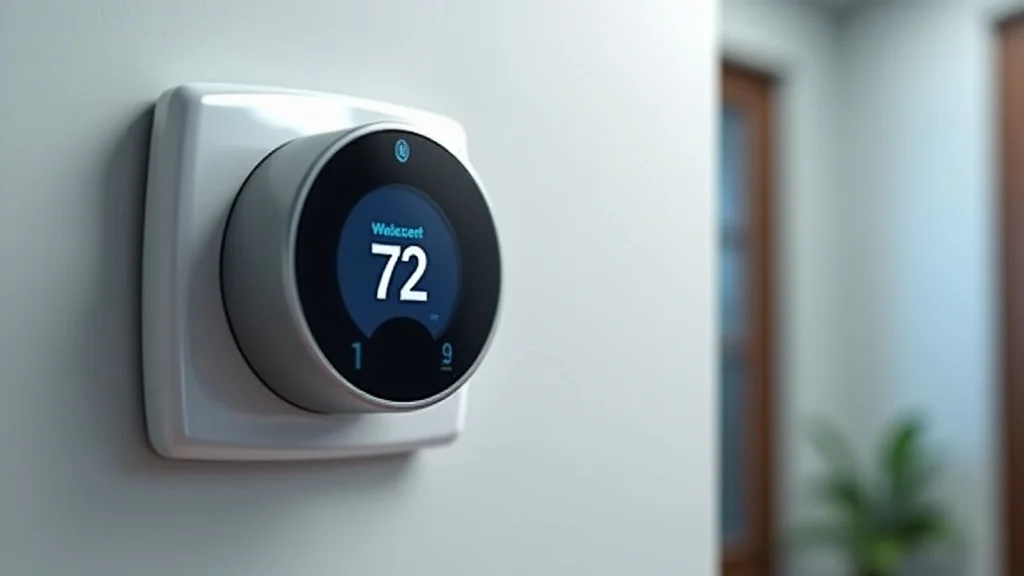
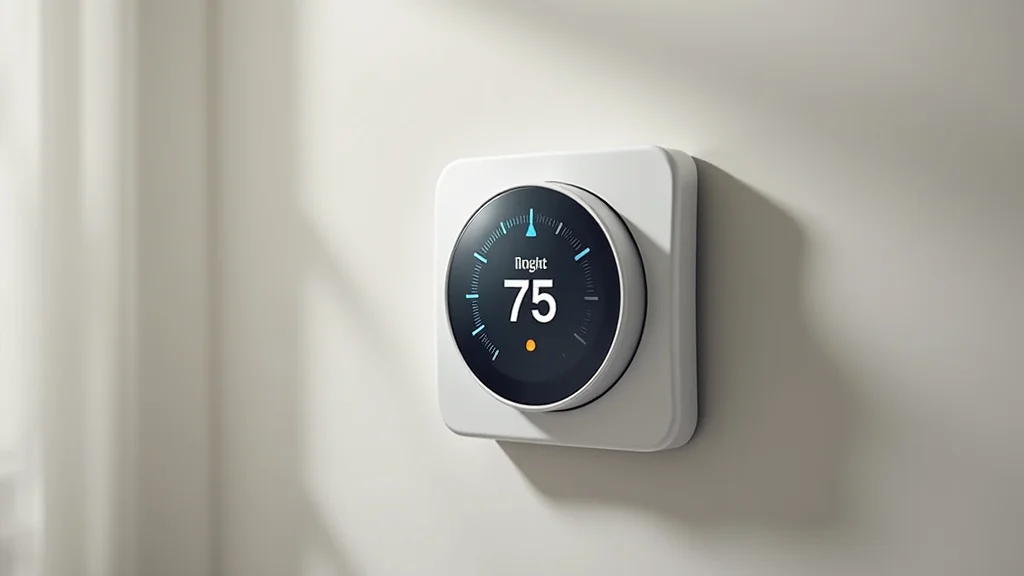
The Nest thermostat’s design is both appealing and practical. The minimalist, circular design has become an icon in the smart home field. Its user interface is simple and easy to use. The circular dial makes adjusting the temperature very simple. The display is clear and well-lit. Nest also offers a user-friendly app that enables you to control the thermostat from anywhere. This design emphasizes style and ease of use.
The core feature of Nest thermostats is their learning ability. It builds a personalized schedule based on your usage patterns. Nest learns when you are typically home and when you are away. This allows for automated adjustments to save energy. It helps maximize comfort. This automatic adjustment makes it a set-and-forget solution for energy management. It adapts to changes in your routine. It saves you the effort of manual adjustments.
Nest thermostats are compatible with many HVAC systems, making them suitable for many homes. Integration with Google Assistant allows you to control the thermostat using voice commands. This makes operation simple. Nest also works with many other smart home devices. This expands its functionality within a smart home system. You can create different routines and automation. This is an all-around flexible system.
Ecobee Thermostats
Ecobee is another leading brand in the smart thermostat market. Ecobee offers a range of thermostats, known for their advanced features, remote sensors, and energy-saving capabilities. Ecobee thermostats often come with remote sensors that you can place in different rooms. This ensures a consistent temperature throughout your home. The Ecobee SmartThermostat with Voice Control is a popular option, with built-in Alexa and a sleek touchscreen display.
- Remote Sensors: Ecobee thermostats include remote sensors to ensure even temperatures throughout your home.
- Energy Savings: Ecobee thermostats are designed to help you save on energy bills through intelligent features and scheduling options.
- Voice Control and Smart Home Integration: Ecobee thermostats integrate with Amazon Alexa, Google Assistant, and Apple HomeKit, providing voice control and smart home compatibility.
The addition of remote sensors is a key advantage of Ecobee thermostats. These small sensors are placed in different rooms. They measure the temperature and humidity. This gives you a better view of conditions throughout your house. This helps solve uneven heating and cooling issues. This ensures all rooms are comfortable. The thermostat averages these readings. The system also prioritizes comfort in occupied rooms. They also allow for improved energy efficiency.
Ecobee thermostats are made for energy efficiency, with tools and insights to assist you in saving money. They offer detailed energy usage reports. This will help you track your heating and cooling consumption. They can also provide personalized recommendations for improving efficiency. Features like geofencing and smart home integration help cut energy waste. This all-around solution makes Ecobee a very efficient option for energy savings.
Ecobee’s ability to integrate with the most popular voice assistants is a huge advantage. You can manage your thermostat with voice commands using Alexa, Google Assistant, or Siri. It is very simple to do. It also works seamlessly with other smart home devices. It creates a unified control system. For example, you can build routines. These are automatically controlled through the smart home hub of your choice. This provides many conveniences.
Honeywell Home Thermostats
Honeywell Home is a well-established brand. They have a reputation for providing reliable, high-quality HVAC equipment and smart thermostats. Honeywell’s smart thermostats have a reputation for being user-friendly, reliable, and compatible with a wide range of HVAC systems. The Honeywell Home T9 Smart Thermostat is a popular option. It includes remote sensors and is ideal for users looking for a trusted brand with a wide range of options.
- User-Friendly Interface: Honeywell Home thermostats often feature a simple and intuitive interface, making them easy to install and use.
- Wide Compatibility: Honeywell Home thermostats work with many HVAC systems, making them adaptable for different home setups.
- Reliability and Support: Honeywell Home is known for its product reliability and dependable customer support.
Honeywell Home thermostats have user-friendly interfaces, ideal for users who like simplicity. The display and controls are clear and easy to understand. The installation process is easy, too. The mobile app makes it easy to change the temperature and set up schedules. Honeywell Home makes it simple and easy for everyone to control the temperature in their house. This user-friendly method allows for ease of use and simple management.
Honeywell Home thermostats are created to be broadly compatible, making them very easy to integrate into many home systems. They work with a wide array of HVAC systems. They are suitable for many homes. This compatibility simplifies the installation process. It lowers the possibility of compatibility problems. Honeywell Home products give you more options when selecting a smart thermostat.
Honeywell Home is renowned for its reliability and excellent customer support, assuring customers of a positive experience. Honeywell has a long-standing reputation for quality. It provides customer service. This gives peace of mind to buyers. This reputation for reliability is essential for smart home technology, where consistent performance and help are essential. Honeywell Home offers dependability.
Choosing the Right Smart Thermostat
The perfect smart thermostat is the one that best suits your home and lifestyle. Several factors should be taken into account when making your decision. Consider the following criteria: your specific needs, your budget, and the features that best fit your home. This section provides detailed advice to help you select a smart thermostat.
Assessing Your Home’s HVAC System
Before buying a smart thermostat, make sure it is compatible with your home’s HVAC system. Different HVAC systems have different wiring configurations and power requirements. Knowing the kind of system you have, whether it’s a central air system, a heat pump, or a furnace, is crucial. This will help narrow down the options. Consult your old thermostat’s manual or contact a professional if you’re not sure about your system.
- HVAC System Type: Confirm compatibility with your HVAC system (e.g., central air, heat pump).
- Wiring Configuration: Check the wiring behind your current thermostat to ensure compatibility.
- Professional Installation: Decide if you will install the thermostat yourself or hire a professional.
Knowing your HVAC system is essential to ensuring you purchase a compatible smart thermostat. Different thermostat models support different types of HVAC systems. You can discover this information from the system’s documentation. If you are unsure, consult a professional HVAC expert for assistance. Selecting a compatible thermostat guarantees smooth operation and prevents problems.
Before you get a smart thermostat, check the wiring in your existing thermostat. The wires can vary depending on the HVAC system. You will need to remove the cover of your current thermostat. Then check the wiring labels and colors. Some smart thermostats have detailed compatibility checkers or guides. These can help confirm whether the wires are correct. Accurate wiring is very important for the installation process.
You must decide if you want to install your smart thermostat yourself or hire a professional. Installing it yourself can save money. However, you will need to follow the manufacturer’s instructions. A professional installation assures that the thermostat is properly installed. It minimizes the possibility of mistakes. Many HVAC firms provide thermostat installation services. Consider your comfort level and mechanical aptitude when making your decision.
Evaluating Features and Functionality
Once you’ve confirmed your system’s compatibility, explore the features offered by different smart thermostat brands. Decide which features are most important to you, whether remote access, learning capabilities, or integration with other smart home devices. Comparing these features will help you pick a thermostat that fits your needs.
- Remote Control: Ensure the thermostat offers remote access and control via a smartphone app.
- Smart Learning: Look for thermostats with learning capabilities that automatically adapt to your habits.
- Geofencing: Consider thermostats with geofencing to automatically adjust the temperature based on your location.
- Integration: Check for compatibility with smart home platforms like Amazon Alexa, Google Assistant, or Apple HomeKit.
Remote access is one of the most practical features of a smart thermostat. It allows you to adjust your home’s temperature from anywhere. The smartphone app lets you control settings, monitor temperatures, and create schedules from anywhere. This feature provides flexibility and comfort. For example, if you forgot to adjust the thermostat before leaving, you can do it remotely. This also helps with saving energy and making your home more comfortable.
Smart learning is a great feature that helps to automate your temperature controls. These thermostats “learn” your routine and adjust temperatures. This automates the process and conserves energy. It allows you to set and forget. It adapts to your schedule without you having to manually adjust the settings. This ensures your home is comfortable, and your energy expenses are reduced. This feature helps create a more automated and effective home.
Geofencing improves the automation of your thermostat by using your smartphone’s location. This feature automatically adjusts the temperature based on your location. It saves energy when you’re away. It also ensures your home is comfortable when you return. This adds a degree of convenience and efficiency to your temperature control. This also gives you extra control over energy usage. This feature helps in maintaining consistent temperatures.
Smart home integration is an essential feature. It allows you to integrate your thermostat with your smart home ecosystem. Smart home integration allows you to control your thermostat via voice commands. You can also integrate it with other smart devices. This streamlines management and provides a unified smart home experience. Consider the smart home systems already in your house when choosing a thermostat.
Considering Your Budget and Energy Savings
Smart thermostats come at a range of prices. Consider how much you are prepared to spend and what benefits you hope to receive. Evaluate the potential cost savings and the long-term return on your investment. Review the warranty details, as well as any extra costs for installation or ongoing maintenance.
- Initial Cost: Compare the prices of different smart thermostat models.
- Energy Savings: Estimate the potential energy savings based on the thermostat’s features and your usage patterns.
- Installation Costs: Factor in the cost of professional installation if you choose not to install it yourself.
- Warranty and Support: Check the warranty and customer support options provided by each brand.
Smart thermostats vary significantly in cost. You should set a budget. The price depends on its features, brand, and design. Entry-level models offer essential smart functions. Higher-end models have advanced features. Consider your budget and your needs to choose a suitable thermostat. Keep in mind the value it will bring.
Smart thermostats can help save money on your energy bills. This helps to make sure you use less energy. The savings vary depending on the features and your habits. Features like smart learning, geofencing, and energy reports can help you save money. Review your present energy use, and think about how the features of smart thermostats can lower your consumption. This can lead to significant long-term savings.
If you plan to have a professional install your smart thermostat, factor in the installation charges. These fees vary based on your location and the complexity of your system. Get quotes from various HVAC specialists to compare prices. If you want to install it yourself, make sure you feel comfortable following the instructions. Installation costs affect the overall cost.
Before purchasing a smart thermostat, research the warranty terms and customer service offered by the brand. The warranty ensures that your investment is protected. The customer support ensures that you can obtain help if problems arise. Review the warranty length and the coverage offered. Research customer reviews for the service and support quality. Customer service can influence your overall experience with the thermostat.
Common Myths Debunked
Frequently Asked Questions
Question: Are smart thermostats difficult to install?
Answer: Installation complexity varies, but many are designed for easy DIY installation, especially with clear instructions and videos provided by the manufacturer.
Question: Do smart thermostats work with all types of HVAC systems?
Answer: Not all smart thermostats are compatible with every system. Check compatibility before purchasing, considering your system type and wiring configuration.
Question: Will a smart thermostat save me money on my energy bills?
Answer: Yes, smart thermostats can help save money through automated temperature adjustments, energy-saving features, and insights into your energy usage habits.
Question: Do I need a professional to set up a smart thermostat?
Answer: It’s possible to install it yourself. However, for complex systems or if you’re uncomfortable with electrical work, professional installation is recommended.
Question: Can I control my smart thermostat from anywhere?
Answer: Yes, most smart thermostats offer remote access through a smartphone app, allowing you to control and monitor your home’s temperature from anywhere with an internet connection.
Final Thoughts
Smart thermostat brands offer exciting options to control and improve your home’s energy efficiency and comfort. Whether you choose Nest, Ecobee, Honeywell Home, or another brand, the right thermostat will provide significant benefits. It will also help you create a smarter, more responsive home. Review your requirements, think about the options, and select a thermostat that improves your living experience. These systems offer more than just temperature control; they also promote energy savings, simplify home management, and provide valuable insights into your energy consumption. By choosing a smart thermostat, you are investing in a more comfortable and efficient future for your home. You can now explore the brands and features to choose your perfect smart home thermostat.