Remember that time your heating bill spiked after a long winter, and you had no idea why? Or how about the frustration of constantly adjusting your thermostat because your house felt like a sauna during the day and an icebox at night? Many homeowners experience these issues, making them seek better options. This post helps you find the best smart thermostats for homes to take control of your comfort and energy usage. You’ll explore how these devices work, what features to look for, and how they can save you money. Learn how to optimize your home’s climate control effortlessly, turning your house into a haven of comfort while potentially cutting down on utility costs. This guide will provide actionable information to help you find the best smart thermostats for homes and improve your overall home experience.
Key Takeaways
- Smart thermostats learn your habits to create personalized heating and cooling schedules.
- They can be controlled remotely through a smartphone or tablet.
- Many models offer energy-saving features like geofencing and smart alerts.
- Installation is often straightforward, with many options for DIY setup.
- You can potentially reduce your energy bills by optimizing your thermostat settings.
- Integration with other smart home devices expands functionality and convenience.
Unlocking Comfort: What Are Smart Thermostats?
Forget the old dial and the guessing game. Smart thermostats are a leap forward in home climate control. These devices connect to your home’s Wi-Fi network and offer a range of features that traditional thermostats can’t match. They go beyond simple temperature regulation, providing insights into your energy usage and the ability to customize your climate based on your lifestyle. The beauty of these devices lies in their ability to learn your preferences and adapt to your needs, ensuring that your home is always comfortable and energy-efficient. They offer a blend of convenience, energy savings, and smart home integration, making them a worthy addition to any modern home.
The Brains Behind the Operation: How They Work
At their core, a smart thermostat is a sophisticated temperature sensor, controller, and communicator. It
- Sensors: These devices have internal sensors to measure the current temperature, but they can also incorporate external sensors for multiple zones and areas. Some models also monitor humidity levels to provide more precise control over the indoor climate.
- Connectivity: The integration with Wi-Fi is essential, enabling remote control and access to various smart features. This also opens up the door to integration with other smart home platforms, like Google Assistant or Amazon Alexa.
- Learning Algorithms: The device records your manual adjustments and adapts to your preferences. They can predict when you are home and adjust the temperature accordingly to avoid wasting energy when no one is around.
- User Interface: A user-friendly interface is vital. This may involve a touchscreen display on the thermostat itself or a mobile app for convenient control and adjustments.
The Advantages of Using Smart Thermostats
The benefits of utilizing a smart thermostat extend beyond basic temperature regulation. They can improve energy efficiency, enhance convenience, and provide valuable insights into your home’s energy consumption. By analyzing your habits and automating temperature adjustments, they minimize energy waste, leading to lower utility bills. They also offer remote access, allowing you to manage your home’s climate from any place, perfect for travelers or those with unpredictable schedules. This level of control also increases comfort, as you can create custom schedules that fit your lifestyle. Furthermore, these devices integrate seamlessly with smart home platforms, offering a unified home automation experience. Their capacity to learn your routine helps cut down on energy usage. By creating ideal schedules and making automatic adjustments, you’ll feel comfortable in your home, while also reducing your environmental footprint.
- Energy Efficiency: The ability to learn from your behavior and automate temperature adjustments can lead to significant energy savings.
- Remote Control: Manage your home’s climate from any location, providing flexibility and convenience.
- Custom Schedules: Create personalized schedules to match your daily routines, ensuring comfort when needed.
- Smart Home Integration: Connect to other smart home devices and platforms for a complete automation experience.
- Insights and Analytics: Track your energy usage and identify areas for improvement with detailed reports.
Factors for Choosing the Right Smart Thermostat
Finding the correct smart thermostat for your home requires taking several factors into account. Compatibility is vital; make sure the device works with your existing HVAC system and home network. Consider the features that align with your requirements, such as geofencing, zoning capabilities, and compatibility with voice assistants. The user interface is important for ease of use, with a well-designed display and mobile app. Moreover, consider the cost and potential energy savings to evaluate the return on your investment. Reviewing product reviews and comparing different models will help you make an educated choice. Selecting the right smart thermostat requires considering these factors. By considering these aspects, you can choose a device that matches your budget and lifestyle, enhancing both comfort and efficiency in your home.
- HVAC System Compatibility: Confirm compatibility with your heating and cooling system type, including furnaces, air conditioners, and heat pumps.
- Features: Prioritize desired features such as geofencing, zoning, and smart home integration.
- Ease of Use: Evaluate the user interface, including the thermostat’s display and mobile app usability.
- Budget: Determine a budget and consider the potential return on investment from energy savings.
- Reviews and Ratings: Review product reviews and compare different models to assess their performance and reliability.
Best Smart Thermostats for Homes: Top Picks
Several smart thermostats stand out in the marketplace because of their exceptional performance and features. These devices, known for their easy installation, advanced capabilities, and smart home integrations, often come with great customer reviews. They have the ability to lower energy expenses and improve household comfort. Each of these smart thermostats is designed to meet different requirements and preferences. Consider the following popular options to find the perfect match for your home. Remember to consider your needs for the perfect model.
Nest Learning Thermostat
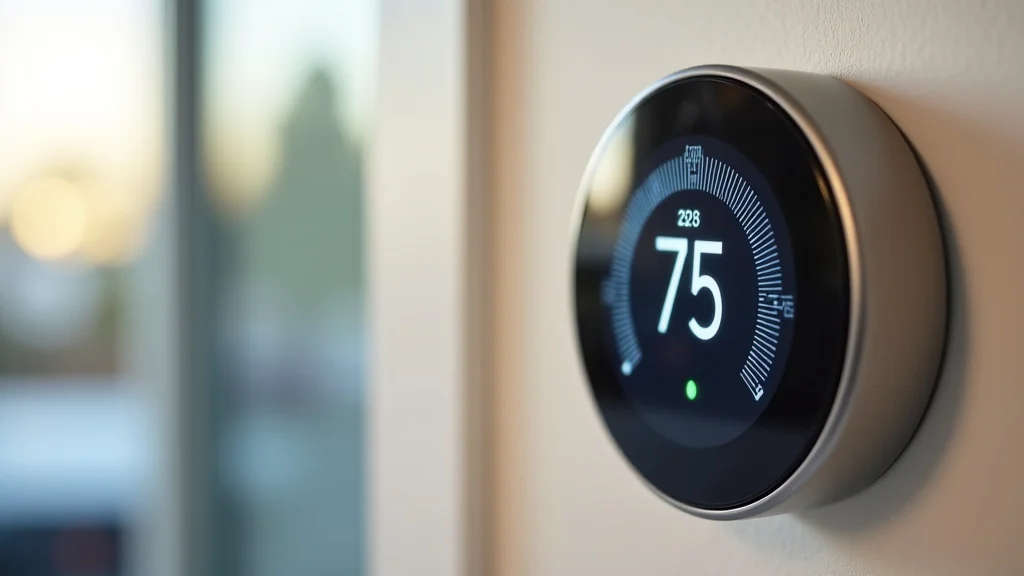
The Nest Learning Thermostat is a pioneer in the smart thermostat industry, celebrated for its stylish design and intelligent features. It automatically learns your temperature preferences and builds a custom heating and cooling schedule for your home. Its auto-away function senses when you’re not home, automatically adjusting the temperature to save energy. The Nest also integrates with other smart home devices and can be controlled remotely via a smartphone app. With energy-saving reports and a sleek appearance, the Nest Learning Thermostat is a popular choice for homeowners wishing to upgrade their climate control system. Its self-learning capabilities and stylish design have made it a favorite with consumers.
- Self-Learning: Learns your temperature preferences and builds a custom schedule.
- Auto-Away: Automatically adjusts the temperature when you are away to save energy.
- Smart Home Integration: Works with other smart home devices like Google Assistant.
- Energy Reports: Provides insights into your energy usage with detailed reports.
- Sleek Design: Attractive and modern design with an easy-to-read display.
Ecobee Smart Thermostat Premium
The Ecobee Smart Thermostat Premium is known for its advanced features and superior energy-saving capabilities. It comes with a built-in smart speaker, allowing you to control the device with voice commands and listen to music. The thermostat also has remote sensors that you can place in different rooms to ensure consistent temperatures throughout your home. Ecobee offers detailed energy reports, helping you monitor your energy consumption and discover areas for improvement. The Ecobee Smart Thermostat Premium provides a complete climate control solution with its robust features and smart home compatibility. The Ecobee Smart Thermostat Premium is a top choice for its energy-saving capabilities.
- Smart Sensors: Includes remote sensors to monitor temperatures in multiple rooms.
- Built-In Smart Speaker: Offers voice control and music playback.
- Energy Savings: Provides detailed energy reports and energy-saving features.
- Smart Home Integration: Works with Apple HomeKit, Amazon Alexa, and Google Assistant.
- Advanced Features: Provides features like humidity sensing and air quality monitoring.
Honeywell Home T9 Smart Thermostat
The Honeywell Home T9 Smart Thermostat offers an adaptable solution with its user-friendly interface and accurate temperature control. It comes with multiple room sensors to monitor temperatures in various areas of your home. It uses geofencing technology to adjust the temperature automatically when you’re away or returning home. The Honeywell Home T9 has a simple design and is simple to install. It works with Amazon Alexa and Google Assistant, giving you voice control over your home’s climate. The Honeywell Home T9 is a good option for people seeking a reliable and feature-rich smart thermostat that seamlessly integrates into their everyday lives. It offers simple, accessible, and adaptable temperature control.
- Room Sensors: Includes remote sensors for multiple-room temperature monitoring.
- Geofencing: Uses geofencing to adjust temperatures automatically.
- Easy Installation: Simple installation process with a user-friendly interface.
- Smart Home Integration: Compatible with Amazon Alexa and Google Assistant.
- Customizable Schedules: Permits creation of customized heating and cooling schedules.
Beyond the Basics: Advanced Features to Explore
Smart thermostats provide an extensive selection of features to optimize your comfort and energy efficiency. Certain devices have advanced capabilities that make them more beneficial to your home climate control system. These features improve the overall experience and set them apart from the competition. While choosing a smart thermostat, consider these features to determine which model best matches your needs. Using these features, you can easily control your home environment while potentially lowering your energy costs.
Geofencing Capabilities
Geofencing is an important feature of numerous smart thermostats, enabling them to automatically adjust the temperature depending on your location. The thermostat uses your smartphone’s location to determine whether you are at home, away, or nearing the house. When you leave your house, the thermostat can automatically adjust the temperature to conserve energy. When you approach your home, it can adjust the temperature to your preferences, ensuring your home is always comfortable. This feature enhances convenience while reducing energy consumption. Geofencing is an excellent way to maintain a comfortable environment and lower energy bills, adding another layer of automation and efficiency to your home.
- Automatic Adjustments: Geofencing automatically adjusts the temperature based on your location.
- Energy Savings: Saves energy by adjusting the temperature when you’re away.
- Convenience: Ensures a comfortable home when you return.
- Integration: Works with your smartphone’s location services.
Zoning for Customized Comfort
Zoning enables you to divide your home into distinct temperature zones, allowing for personalized climate control in various areas. This feature usually requires the use of multiple smart thermostats or remote sensors. This enables you to heat or cool only the areas of your house in use while saving energy by avoiding heating or cooling unused spaces. Zoning offers precise control over your home’s climate. It is useful in multi-story houses or homes with areas that have varied uses. It also enables you to customize the temperature settings to different lifestyle needs and preferences. Zoning will increase the comfort level in your home and also potentially save money on your energy expenses.
- Multiple Zones: Divides your home into various temperature zones.
- Personalized Comfort: Allows for temperature customization in each zone.
- Energy Efficiency: Saves energy by only heating or cooling occupied areas.
- Versatility: Useful for multi-story homes or those with diverse usage patterns.
Smart Home Integration and Compatibility
Smart home integration is an important factor when selecting a smart thermostat. Look for devices compatible with popular platforms such as Amazon Alexa, Google Assistant, and Apple HomeKit. This feature enables you to control your thermostat with voice commands and incorporate it into your existing smart home system. You can connect your thermostat with other smart home devices like lighting, security systems, and entertainment systems. Smart home integration offers the ability to control your home’s climate with your voice. It can streamline your daily activities and offer a more unified and automated living experience.
- Voice Control: Enables control via voice commands.
- Integration: Works with popular smart home platforms like Alexa, Google Assistant, and HomeKit.
- Automation: Connects with other smart home devices for unified control.
- Convenience: Improves the ease of use and integrates with your lifestyle.
Common Myths Debunked
Myth 1: Smart thermostats are hard to install.
In most instances, setting up a smart thermostat is simple, with most models supporting a DIY setup. Most units come with easy-to-follow guidelines and may only require a few tools. While professional installation is an option, many users can install their new smart thermostat by following the instructions carefully. Some smart thermostats are designed to make the installation process easy. Even if you’re not tech-savvy, many companies offer online help or consumer support to help you through the process.
Myth 2: Smart thermostats are not worth the investment.
While the initial cost of a smart thermostat can be higher than that of a traditional model, the long-term energy savings frequently offset the initial investment. The efficiency provided by these devices can lead to a decrease in your utility bills. Many customers see a return on their investment in a few years due to their ability to optimize energy consumption. Also, many utility companies offer rebates or discounts for installing smart thermostats, which can further lower the cost. The money saved through the usage of these devices and their energy-saving capabilities makes them a practical, cost-effective choice for many homeowners.
Myth 3: Smart thermostats are difficult to use.
Most smart thermostats are made to be user-friendly, with intuitive interfaces and mobile apps for easy use. The interfaces often have simple touchscreen displays, and the accompanying applications are generally well-designed for easy remote control. Many smart thermostats feature self-learning capabilities that automate temperature adjustments. These user-friendly elements minimize the need for manual adjustments and make it simple to monitor and adjust your home’s climate. With just a little familiarization, the majority of users quickly find that using smart thermostats is easy.
Myth 4: Smart thermostats require constant Wi-Fi connectivity to function.
Even if the Wi-Fi connection is temporarily interrupted, the smart thermostat will often continue to operate. They are designed to maintain basic heating and cooling functions. The device will be able to manage your home climate. The Wi-Fi connection is mainly used for remote control, smart features, and software updates. However, your thermostat will be functional even if the Wi-Fi goes down. This ensures that you maintain control over your home’s climate.
Myth 5: All smart thermostats are the same.
Smart thermostats vary greatly in their capabilities, features, and compatibility. Some products have advanced features like zoning, geofencing, and smart home integration, while others provide fundamental temperature control. Certain thermostats are compatible with various HVAC systems. Also, their user interface design and ease of installation vary greatly. Investigating the features and assessing your specific requirements is crucial when selecting a smart thermostat. By doing this, you can locate the device that matches your budget and lifestyle and enhances your home’s climate control.
Frequently Asked Questions
Question: How much money can I save with a smart thermostat?
Answer: Savings vary based on your usage patterns and the features of your thermostat, but many homeowners see a reduction in their energy bills ranging from 10% to 20%.
Question: Are smart thermostats compatible with all HVAC systems?
Answer: Most smart thermostats are compatible with many HVAC systems, but it’s essential to confirm compatibility before purchasing. Check the device’s specifications to ensure it supports your system type.
Question: Can I control my smart thermostat when I’m away from home?
Answer: Yes, all smart thermostats offer remote control via a smartphone app or web interface, allowing you to manage your home’s climate from any place.
Question: Do I need to be tech-savvy to use a smart thermostat?
Answer: No, smart thermostats are designed with user-friendly interfaces, including touchscreen displays and mobile apps. Many have easy-to-follow instructions and are simple to operate.
Question: What happens if my Wi-Fi goes down?
Answer: The thermostat will generally continue to maintain its basic functionality, ensuring your home stays heated or cooled. You’ll still be able to control the temperature manually.
Final Thoughts
The best smart thermostats for homes provide a modern and effective solution for managing your home’s climate. From improved energy savings and convenient remote control to advanced features like geofencing and smart home integration, these devices improve comfort and simplify everyday life. You will be able to take control of your climate, automate your home, and reduce your energy expenses by understanding their functionality and benefits and picking the right one. Take some time to assess your requirements, compare the top options, and select a smart thermostat that suits your house. Your home can be more comfortable, convenient, and energy-efficient. Start exploring the world of smart thermostats and enjoy the advantages of a connected home.