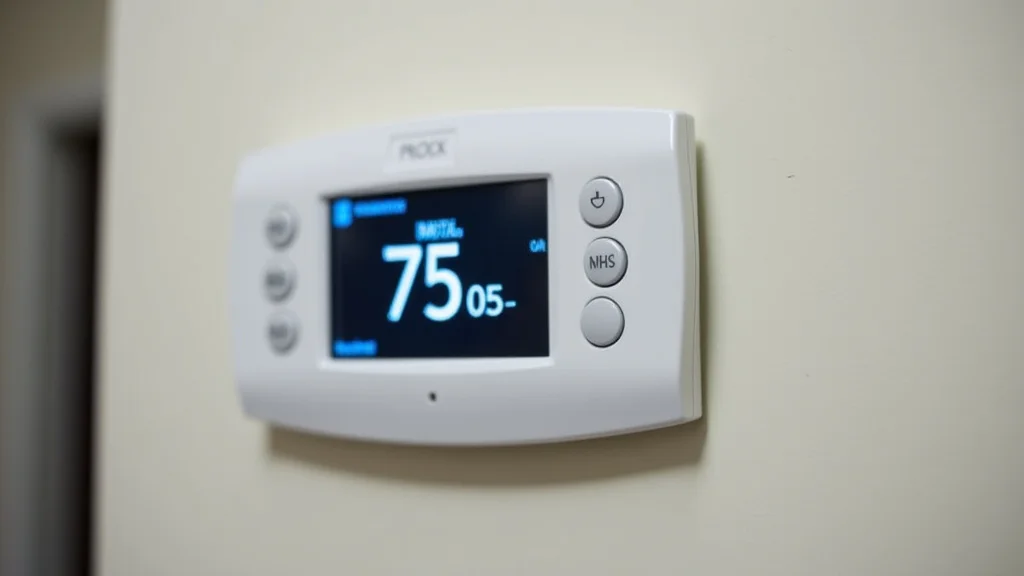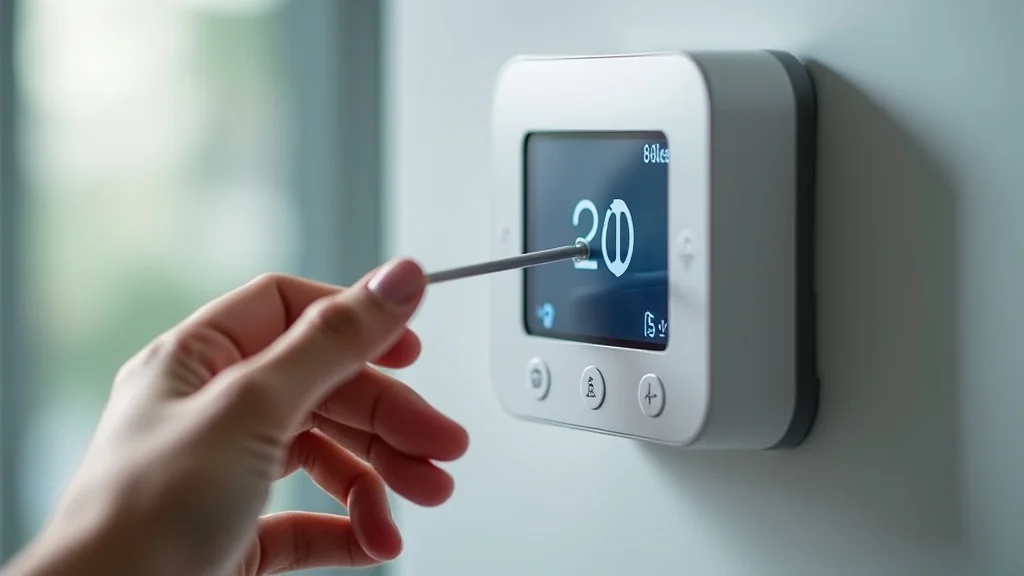
Remember that time your heating bill practically gave you a heart attack? You weren’t even home that much! That’s a common experience. Luckily, there’s a solution: smart thermostats. This post explores how these modern devices can make your life easier and, more importantly, save you money. You’ll explore a variety of smart thermostats benefits, from increased comfort to lower energy bills. You’ll gain valuable insights into choosing the right model for your home and discover how to optimize its features. This guide will help you grasp the advantages of smart thermostats and prepare you to make an informed decision for your home energy efficiency.
Key Takeaways
- Smart thermostats can significantly reduce your energy consumption and lower your bills.
- They offer personalized comfort by learning your schedule and preferences.
- Remote control features allow you to adjust your home’s temperature from anywhere.
- These devices often provide detailed energy usage reports, helping you identify areas for improvement.
- They can integrate seamlessly with other smart home devices.
- Installation is often straightforward, and many models offer easy-to-use interfaces.
Unlocking Energy Efficiency: How Smart Thermostats Work
Smart thermostats aren’t just fancy temperature controls; they’re sophisticated devices designed to optimize your home’s energy usage. These devices go far beyond the capabilities of older, traditional thermostats, which simply turn heating or cooling systems on or off based on a pre-set temperature. Smart thermostats operate with a variety of advanced features. These include learning algorithms, motion sensors, and Wi-Fi connectivity. They gather data, analyze usage patterns, and adjust settings automatically. This leads to increased efficiency and, consequently, reduced energy consumption. This leads to a more comfortable, and often, more affordable living environment.
The Brains Behind the Operation: Key Features
The core function of a smart thermostat lies in its advanced features, which allow it to learn, adapt, and respond intelligently to your home’s environment. Different models offer specific features. It is important to know how these features work to maximize your device. These features are the secret behind their ability to save energy and provide personalized comfort.
- Learning Algorithms: Many smart thermostats learn your heating and cooling preferences. They analyze your behavior. They study your schedule and the times when you are at home. Over time, they create a personalized schedule. They will automatically adjust the temperature based on your routines, minimizing energy use when you’re away or asleep.
- Geofencing: This feature uses your smartphone’s location to determine when you’re approaching or leaving your home. When you are close to home, the thermostat starts heating or cooling so the temperature is perfect when you arrive. When you leave, it automatically adjusts to an energy-saving setting.
- Motion Sensors: Built-in sensors detect movement within your home. If no motion is detected for a certain period, the thermostat assumes the house is unoccupied and adjusts the temperature to conserve energy. This prevents energy waste when rooms are empty.
- Connectivity and Remote Control: Most smart thermostats connect to your home’s Wi-Fi network, allowing you to control them remotely using a smartphone app. This means you can adjust the temperature from anywhere, whether you’re at work, on vacation, or simply relaxing on the couch.
The Technological Core: Sensors and Data Collection
At their core, smart thermostats collect data from several types of sensors. These sensors monitor various environmental factors to make informed decisions about your home’s climate control. This data collection process is essential for the thermostat’s learning capabilities and its ability to adapt to your needs and energy-saving preferences. By gathering data and applying algorithms, the device can effectively reduce wasted energy.
- Temperature Sensors: These are the most basic sensors. They continuously measure the ambient temperature of your home. They provide data that allows the thermostat to compare the current temperature with the desired setting. The thermostat can then regulate the heating or cooling system to maintain the set temperature.
- Humidity Sensors: Some advanced smart thermostats include humidity sensors. These sensors measure the moisture level in the air. High humidity can make a room feel warmer than it actually is. By monitoring humidity, the thermostat can adjust the cooling settings more effectively.
- Occupancy Sensors: These use infrared or ultrasonic technology to detect the presence of people in a room. They detect movement and changes in heat. They also measure how many people are in the house. This data helps the thermostat determine whether to maintain the set temperature or switch to an energy-saving mode.
- Weather Data Integration: Many smart thermostats also integrate with online weather services. They gather weather forecasts to anticipate temperature changes. This data allows the thermostat to adjust your home’s heating or cooling in advance. This approach improves energy efficiency.
Practical Results: Energy Savings and Cost Reduction
One of the primary advantages of smart thermostats is the potential for significant energy savings and associated cost reductions. By using learning algorithms, automated scheduling, and remote control capabilities, these devices minimize energy waste. They ensure that heating and cooling systems operate only when needed. Studies show the positive impact of this technology.
According to the U.S. Department of Energy, homeowners can save about 10% on their heating and cooling bills by using a smart thermostat. That’s a significant amount. Actual savings depend on factors such as your home’s size, your climate, and your usage habits. However, the potential for reduced energy consumption is substantial.
- Reduced Heating Costs: Smart thermostats can prevent the waste of energy. They do this by turning down the heat automatically when no one is home. They can also adjust temperatures based on weather forecasts, warming your home only when needed.
- Minimized Cooling Costs: By using smart cooling strategies, like pre-cooling your home before your arrival, smart thermostats maximize the efficiency of your air conditioning system. They can also maintain a higher temperature when you’re away. This can significantly reduce energy use.
- Optimized Energy Usage: The ability to track and analyze your energy consumption helps you pinpoint areas where you can make improvements. The data helps you to take control of energy use. You can also make informed decisions about your energy consumption.
Boosting Your Comfort Level: Personalized Climate Control
Beyond energy efficiency, smart thermostats offer a remarkable degree of personalized climate control. This personalization is achieved through intelligent learning, remote access, and integration with other smart home devices. Smart thermostats adapt to your specific lifestyle. They automatically adjust settings to maximize your comfort levels. The result is a more convenient and pleasant living environment.
Adapting to Your Schedule: Smart Scheduling Capabilities
The ability to adapt to your schedule is a fundamental feature of most smart thermostats. These devices automatically adjust your home’s temperature based on your daily routines. They do this using either pre-programmed schedules or learning algorithms that recognize your habits over time. The learning feature is a significant improvement over traditional thermostats.
- Pre-set Schedules: Most smart thermostats allow you to create custom heating and cooling schedules. You can set different temperatures for different times of the day and different days of the week. This is an efficient way to make sure the temperature is set when you need it.
- Learning Algorithms: Many smart thermostats learn from your actions. They study your habits and preferences, and then adjust the temperature settings accordingly. They might, for example, notice that you always turn the heat up on weekend mornings. The thermostat then automatically adjusts the temperature to your preference.
- Holiday Mode: Some advanced models have a ‘holiday mode.’ This lets you maintain energy-saving temperatures while you’re away. You can easily adjust this feature based on your specific travel plans. You also do not need to worry about coming home to a cold or overly hot house.
Convenience and Accessibility: Remote Control and Mobile Apps
Remote control is a major comfort factor. The ability to control your home’s climate from anywhere is a significant advantage. Most smart thermostats come with a mobile app that allows you to manage your home’s temperature from your smartphone or tablet. You can control the settings when you are away from home.
- Remote Temperature Adjustments: The convenience of adjusting the temperature from your mobile device is a great benefit. You can pre-heat or pre-cool your home before you arrive. This offers immediate comfort and convenience.
- Geofencing Features: Using your phone’s location, these systems automatically adjust the temperature when you are coming home or leaving. This makes sure that your home is at the right temperature when you need it and reduces energy consumption when you are not there.
- Easy Access: The remote access features are user-friendly. The apps offer intuitive interfaces and easy controls, making it effortless to manage your home’s climate from any location.
Integration and Smart Home Ecosystems
Smart thermostats are often built to be compatible with a wide range of smart home devices. This enables seamless integration with other smart home systems, such as voice assistants and smart lighting. They can also be connected to other systems, like smart home hubs. This integration improves the level of convenience and automation.
- Compatibility with Voice Assistants: Many smart thermostats work with voice assistants like Amazon Alexa, Google Assistant, and Apple HomeKit. You can control your thermostat using voice commands. You can adjust the temperature, change modes, or check the current settings.
- Integration with Smart Home Hubs: Smart home hubs, like SmartThings or Hubitat, act as a central point for all your smart devices. You can link your smart thermostat to the hub. It allows you to create complex automations. You can set the lights to turn on when the thermostat turns on, for example.
- Automated Comfort: By integrating your smart thermostat with other smart devices, you can create a truly automated and responsive home environment. You can set up your home to adjust to your lifestyle. You can also customize your home to respond to your preferences.
Making the Right Choice: Selecting the Best Smart Thermostat
Selecting the right smart thermostat involves careful consideration of your home’s specific needs and your personal preferences. There is no one-size-fits-all solution. There are many options. Evaluate your budget, your existing home systems, and the desired features to make the best choice. This will help you find the model that provides the most benefits for your situation.
Compatibility Considerations: HVAC System and Home Setup
Before buying a smart thermostat, make sure it is compatible with your home’s existing HVAC system. Compatibility is essential for a proper installation and optimal performance. Check for the following details.
- Wiring Compatibility: Check the number of wires connected to your current thermostat. Smart thermostats require certain wiring configurations to function correctly. Some models work with most systems. Others are not compatible with heat pumps or specific heating systems.
- Voltage Requirements: Ensure the smart thermostat supports the voltage of your HVAC system. Most smart thermostats work with both 24-volt systems. Other systems need to have specific requirements, such as a “C-wire” for power.
- HVAC System Type: Some smart thermostats are designed for specific types of systems, like furnaces, air conditioners, or heat pumps. Make sure the model you choose is compatible with the type of system you have.
Feature Comparison: Key Characteristics to Consider
Evaluate the features of different smart thermostat models. Select features that align with your requirements and preferences. Consider the following key aspects.
| Feature | Description | Considerations |
|---|---|---|
| Learning Capabilities | Thermostats with learning algorithms adapt to your schedule and preferences. | Ensure the learning function suits your lifestyle. |
| Geofencing | This feature uses your phone’s location to adjust the temperature. | Check if you prefer automatic temperature changes based on your location. |
| Remote Control | The ability to adjust your home’s climate from your smartphone. | Evaluate how important remote access is to you. |
| Smart Home Integration | Compatibility with voice assistants, smart hubs, and other devices. | Assess the need for compatibility with your existing smart home setup. |
| Energy Reporting | The ability to track and analyze your energy consumption. | Consider the value of energy usage data in your decisions. |
Budgeting and Value: Cost-Benefit Analysis
Smart thermostats vary in price. Consider both the initial cost and the potential long-term benefits when making your decision. Factor in the potential energy savings, added comfort, and convenience. Think about how those benefits fit within your budget.
- Initial Investment: Smart thermostats range in price. Set a budget that you are comfortable with. Compare prices from different brands and models.
- Energy Savings Potential: Estimate the potential energy savings based on your home’s size, climate, and usage habits. Consider the long-term impact on your energy bills.
- Additional Features: Evaluate the value of extra features, such as advanced scheduling, geofencing, and smart home integration. They can increase the cost. They also enhance the user experience.
Common Myths Debunked
Myth 1: Smart Thermostats Are Difficult to Install
Many people believe that installing a smart thermostat is a complicated process. While some models may require more advanced wiring knowledge, the majority of smart thermostats are designed for easy installation. Most manufacturers provide clear instructions, and many offer online support and step-by-step videos. Many models have plug-and-play setup. You do not need to be an expert to install them. The installation is simple, and it can be completed quickly.
Myth 2: Smart Thermostats Only Benefit Homeowners in Specific Climates
Some people think smart thermostats are mainly useful in extreme climates. But smart thermostats can provide benefits in all climates. In colder regions, they help regulate heating costs. In warmer regions, they improve air conditioning efficiency. Even in moderate climates, they can help optimize energy usage and improve comfort. They can adapt to any climate. They can also help with energy efficiency throughout the year.
Myth 3: Smart Thermostats Are Not Secure
There are concerns about the security of smart home devices, including smart thermostats. It is true that these devices connect to the internet. Modern smart thermostats use robust security measures. They include encryption and secure protocols to protect your data. Reputable brands also regularly update their software to address security vulnerabilities. Using a secure home network and strong passwords can further protect your device.
Myth 4: Smart Thermostats Require Constant Monitoring and Adjustments
Some people worry that they must constantly monitor and adjust their smart thermostat. The reality is the opposite. Smart thermostats are designed to be self-regulating. With features such as learning algorithms, geofencing, and automated scheduling, the thermostat can automatically adjust settings based on your habits and preferences. After the initial setup, you may rarely need to make manual adjustments.
Myth 5: Smart Thermostats Only Save Money for People Who Are Always Home
While smart thermostats can certainly help those who are always home, they also provide great benefits for those who are away often. Features like geofencing and remote control ensure that energy is conserved when you are not there. These features optimize your heating and cooling settings. They also provide significant savings. The savings are not limited to people who are always present.
Frequently Asked Questions
Question: Are smart thermostats compatible with all HVAC systems?
Answer: Not all smart thermostats are compatible with every HVAC system. It is important to check the compatibility with your system, particularly with the wiring and voltage, before buying a smart thermostat.
Question: Do I need a professional to install a smart thermostat?
Answer: Most smart thermostats are designed for easy, do-it-yourself installation, with clear instructions provided. However, if you are not comfortable with electrical work, it is best to hire a professional.
Question: How do smart thermostats save energy?
Answer: Smart thermostats save energy by optimizing heating and cooling schedules, using learning algorithms to adapt to your habits, and employing features like geofencing and motion sensors.
Question: Can I control my smart thermostat from anywhere?
Answer: Yes, most smart thermostats can be controlled remotely via a smartphone app, as long as you have an internet connection.
Question: How secure are smart thermostats?
Answer: Smart thermostats use security measures like encryption and secure protocols to protect your data. Always ensure you have a secure home network.
Final Thoughts
Embracing the benefits of smart thermostats means embracing a future of energy efficiency and personalized comfort. You’ve explored how these innovative devices can reduce your energy bills and create a more comfortable living environment through intelligent automation and user-friendly features. From understanding how they work to choosing the right model for your home, you have equipped yourself with the knowledge needed to get started. By using the learning capabilities, remote control features, and energy-saving modes, you can significantly improve your home’s energy efficiency. They also simplify your daily life. Consider a smart thermostat to upgrade your home. The investment can lead to long-term savings and increased comfort. Start your smart home journey today and experience the difference!