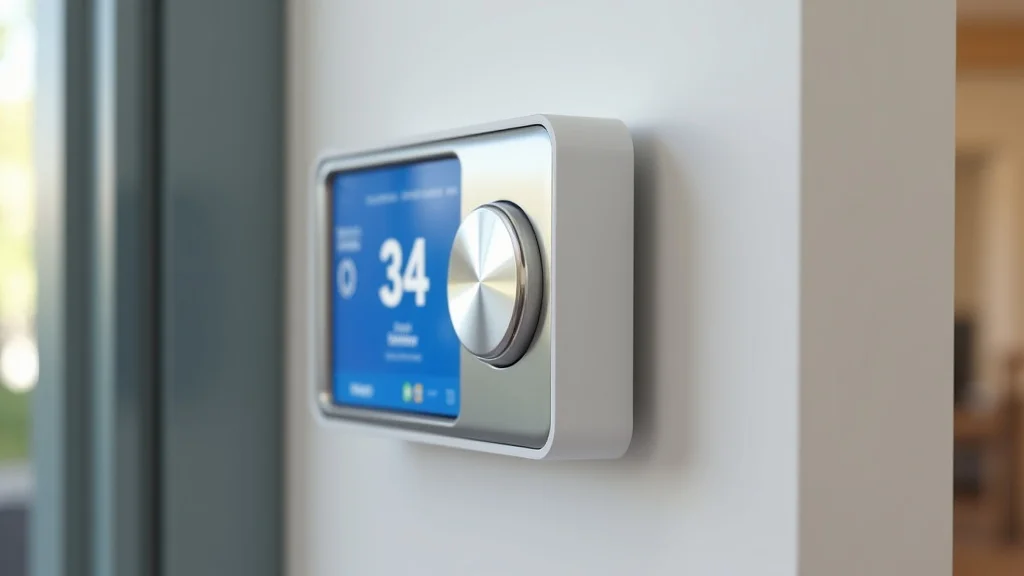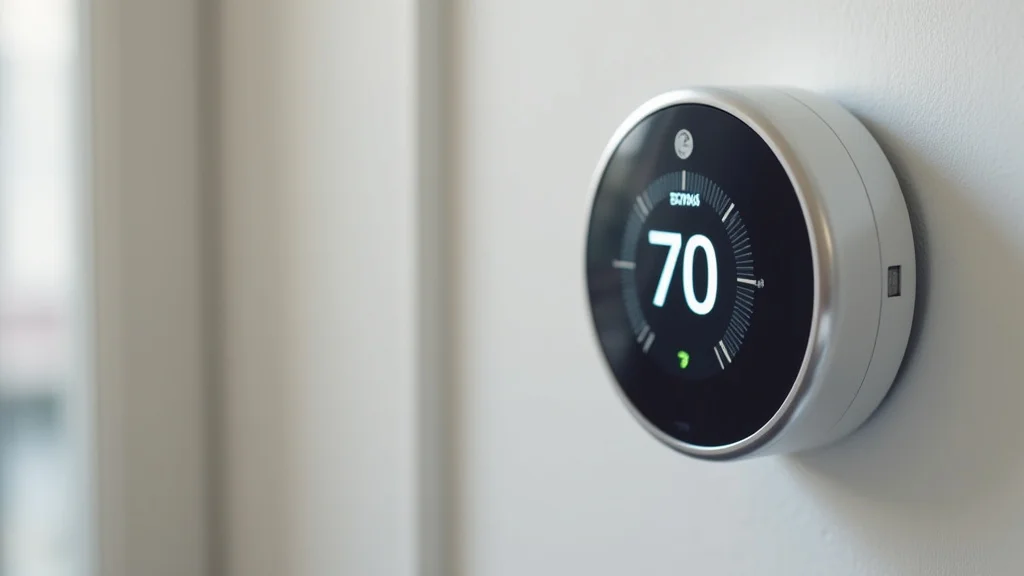
Picture this: It’s a scorching summer afternoon, and you walk into your home, expecting cool comfort. Instead, you’re hit with a wall of heat. Now imagine having a thermostat that could’ve adjusted the temperature before you even arrived, saving you energy and money. That’s the promise of a smart thermostat. But before you take the plunge, you’re likely wondering: What is the smart thermostat price, and is it worth it? This article will help you explore the costs associated, the different factors influencing them, and how you can save money and energy in the long run. By the end, you’ll be able to make an informed decision and find the right smart thermostat for your home. You’ll gain a deeper appreciation of the market and the financial implications of your choices.
Key Takeaways
- Learn about the various factors that influence the price of smart thermostats.
- Discover how different models offer various features and energy-saving capabilities.
- Explore the potential cost savings of using a smart thermostat.
- Understand the installation process and associated expenses.
- Compare the top smart thermostat models and their price points.
- Get tips for finding the best deals and maximizing your return on investment.
Understanding Smart Thermostat Costs
The price of a smart thermostat can vary significantly, so it’s essential to grasp the different aspects that contribute to the final cost. Several factors play a role, influencing whether you’ll pay a few hundred dollars or less. One of the main components influencing smart thermostat price is the brand itself, with established names often commanding higher prices than newer entrants. However, it’s not simply the name that determines the cost.
Factors Influencing the Price
Several variables come into play when calculating the overall smart thermostat price. These variables can impact your final expenses, helping you determine how to proceed and choose the best thermostat for your needs. Knowing about these factors allows you to make a more informed choice that matches your budget and requirements.
- Brand Reputation: Well-known brands often have higher prices due to consumer trust and established marketing. Companies such as Nest and ecobee are recognized for their quality and innovation, resulting in a premium price point.
- Features: Models with advanced features, such as remote access, geofencing, and smart home integration, are typically priced higher than basic models. These features offer more control and automation, making them attractive to many users.
- Compatibility: Compatibility with different HVAC systems and smart home platforms also affects the price. Models with broader compatibility tend to be more expensive, ensuring wider adaptability.
- Installation: Professional installation can add to the total cost. Some thermostats are easier to install than others, influencing the expense of installation. However, many models are designed for DIY installation, which can save money.
- Warranty and Support: Longer warranties and robust customer support services often accompany higher-priced thermostats. This offers peace of mind and protection against potential defects or malfunctions.
For example, a high-end model might include features like advanced learning algorithms, which optimize temperature settings based on your habits, plus seamless integration with all leading smart home platforms like Amazon Alexa, Google Assistant, and Apple HomeKit. This leads to a higher smart thermostat price but provides a more streamlined, personalized experience. On the other hand, a more basic model might offer essential features like remote control and scheduling, but it might not have the sophisticated learning capabilities or the same level of smart home integration. This basic model would typically come with a lower price tag.
Initial Costs vs. Long-Term Savings
While the initial smart thermostat price can seem like an investment, it’s essential to consider the potential for long-term savings. These devices are designed to optimize energy consumption and reduce your utility bills, which helps offset the upfront cost over time. The return on investment (ROI) is something to consider as you determine which thermostat you purchase.
Smart thermostats can help you reduce energy consumption in several ways. They let you remotely control your home’s temperature, schedule heating and cooling based on your daily routine, and detect when your home is unoccupied. The result of these features is less energy waste and more money in your pocket. Many users report significant savings on their energy bills after installing a smart thermostat. According to the U.S. Department of Energy, you could save around 10% on your heating and cooling costs by simply turning your thermostat back 7-10 degrees for 8 hours a day.
Beyond energy savings, smart thermostats can also add value to your home. They are a modern amenity that appeals to potential buyers, increasing your home’s appeal and market value. Furthermore, some utility companies offer rebates and incentives for using smart thermostats, further reducing your initial investment. These rebates can vary based on your location and the specific programs available in your area. Many local and national energy-saving programs offer rebates, which can significantly offset the initial cost.
To calculate potential savings, consider your current energy bills, your home’s size, and your family’s usage patterns. Compare these figures with the average energy savings reported by smart thermostat users. Over several years, the cost savings can easily exceed the initial price of the thermostat. For instance, if you pay $300 a month for energy and you can reduce that by 15% with a smart thermostat, you could save $45 per month. Over the course of a year, that savings quickly adds up to over $500.
Smart Thermostat Price by Model and Features
The marketplace has numerous smart thermostats. Each model offers different features, levels of functionality, and, of course, price points. This section examines a few popular models. It provides a comparative overview to help you evaluate which thermostat best meets your needs and budget. The smart thermostat price for each model is affected by its features, integration capabilities, and brand reputation.
Top Smart Thermostat Models and Price Comparison
Comparing different models helps you to evaluate their features and decide which one suits your requirements. The following table provides a breakdown of some popular smart thermostats. It compares their features and price points. Please note that prices are approximate and can vary based on retailers and promotions.
| Thermostat Model | Approximate Price | Key Features | Smart Home Integration |
|---|---|---|---|
| Nest Learning Thermostat | $249 | Learning algorithms, remote control, geofencing, energy history reports | Google Assistant, Amazon Alexa |
| ecobee SmartThermostat with voice control | $249 | Room sensors, built-in Alexa, remote control, energy reports | Amazon Alexa, Google Assistant, Apple HomeKit |
| Honeywell Home T9 Smart Thermostat | $199 | Room sensors, remote control, smart alerts, multi-room control | Amazon Alexa, Google Assistant |
| Google Nest Thermostat | $129 | Simple design, remote control, energy-saving features, quick installation | Google Assistant |
As you can see, the smart thermostat price can vary significantly. The Nest Learning Thermostat and the ecobee SmartThermostat usually fall in the mid-range price bracket, while the Google Nest Thermostat is a more budget-friendly option. Each model offers a set of unique features. The Nest Learning Thermostat learns your habits, while the ecobee offers room sensors for more even temperature distribution. When considering the smart thermostat price, the decision ultimately hinges on your personal needs.
Features to Consider When Choosing
When selecting a smart thermostat, consider features. The best thermostat for you relies on your unique needs. Some key features can affect your choice. These features influence the overall smart thermostat price. Evaluating these aspects will assist you in making an informed decision.
- Compatibility: Ensure the thermostat is compatible with your current HVAC system. Many are designed to work with most systems, but checking compatibility is critical. Check the thermostat’s specifications or consult an HVAC professional for guidance.
- Smart Home Integration: Check if it works with your preferred smart home platforms, like Amazon Alexa, Google Assistant, or Apple HomeKit. This integration will let you control your thermostat with voice commands and integrate it with other smart devices.
- Learning Capabilities: Learning thermostats use algorithms to learn your temperature preferences and adjust automatically. This feature can optimize energy savings by adapting to your schedule and habits. The more advanced the learning features, the higher the price.
- Room Sensors: Some thermostats come with room sensors. These sensors can detect temperatures in different areas of your home. This feature can ensure consistent comfort throughout the entire house.
- Geofencing: Geofencing uses your smartphone’s location to automatically adjust the temperature based on whether you’re at home or away. This automated feature can save energy by turning the system down when you leave and turning it back up when you’re on your way home.
- Remote Access and Control: Remote access lets you adjust the temperature from anywhere using a smartphone app. This function is convenient and allows you to control your home’s climate from a distance.
For example, if you have a large home with multiple rooms, a thermostat with room sensors could be a great choice. These sensors ensure that temperatures are consistent throughout your home. This feature might increase the smart thermostat price, but it can provide better comfort and efficiency. Another example is integrating a thermostat with your existing smart home setup. If you use Amazon Alexa, ensure your chosen thermostat is compatible with that platform. This integration will provide a seamless experience.
Installation and Additional Costs
Knowing the installation process and potential extra costs is important when calculating the overall smart thermostat price. Understanding installation requirements will help you plan your budget. It ensures a smooth and successful transition to a smart thermostat.
DIY Installation vs. Professional Installation
The installation method you choose can significantly impact the final smart thermostat price. Both DIY installation and professional installation have their pros and cons. They cater to different skill levels and preferences. Choosing the right method is essential for a seamless and cost-effective setup.
- DIY Installation: Many smart thermostats are designed for DIY installation, including easy-to-follow guides and tutorials. This option can save you money on professional installation fees, making it an attractive option for budget-conscious consumers. Typically, it involves removing your old thermostat, connecting the new one to your HVAC system’s wiring, and setting up the device using the manufacturer’s app.
- Professional Installation: Hiring a professional installer can be beneficial. It ensures the thermostat is correctly installed. It also avoids potential errors, especially if your HVAC system is complex or you’re unfamiliar with electrical wiring. Professional installation typically adds to the total cost. However, it provides peace of mind and often includes a warranty on the installation service.
Before deciding, evaluate your comfort level with electrical work and the complexity of your HVAC system. Many online videos and guides can assist you if you opt for a DIY installation. Ensure you turn off the power to your HVAC system before beginning any electrical work. For a more complex system, it’s wise to hire a professional. This can also prevent potentially costly mistakes.
Potential Additional Expenses
Apart from the initial smart thermostat price, other costs can arise. These extra expenses may affect your budget. This section will assist you in preparing for any additional expenses that may come up during the installation process and beyond.
- Wiring Issues: If your home’s wiring is outdated or damaged, you may need to update the wiring before installing the smart thermostat. This could involve hiring an electrician, which will add to the overall cost.
- HVAC System Compatibility: While most smart thermostats are compatible with various HVAC systems, some older or unique systems might require specific adapters or modifications. These additional components can increase the overall cost.
- Subscription Fees: Some advanced features, such as professional monitoring or extended data storage, may require a subscription fee. Always review any potential subscription fees to ensure they fit your budget.
- Ongoing Maintenance: While smart thermostats require minimal maintenance, you might incur costs for any necessary repairs or replacements. Ensure that you understand the terms of your warranty.
An example of extra expenses is related to your home’s wiring. If your existing thermostat uses older wiring that needs an upgrade, you must factor in the cost of an electrician. Another example includes potential compatibility issues with an HVAC system that requires an adapter. Before you buy a thermostat, check the details on whether your system is compatible.
Finding the Best Deals and Saving Money
It’s possible to find the right smart thermostat within your budget. This section offers suggestions on finding the most cost-effective deals. By applying these techniques, you can make the most of your investment. It helps you control the smart thermostat price.
Where to Buy and When to Buy
Finding the best place and time to buy can greatly impact the smart thermostat price. Some retailers offer better prices or promotions than others, and specific seasons can yield substantial discounts. Being aware of these chances can help you save money.
- Online Retailers: Online retailers such as Amazon, Best Buy, and others frequently provide competitive prices. They may also have sales and discounts. Check different websites to compare prices and read reviews before making a purchase.
- Local Home Improvement Stores: Stores such as Home Depot or Lowe’s provide a physical location to buy smart thermostats, allowing you to speak to someone for advice. These stores may also have exclusive deals or promotions. Check the store’s website and visit the store for any special sales.
- Seasonal Sales: The best times to buy smart thermostats are during seasonal sales such as Black Friday or Cyber Monday, and around major holidays like Labor Day. Retailers often offer discounts and promotions during these periods to attract more customers.
- Bundling with Other Products: Some retailers bundle smart thermostats with other smart home products. This may offer a lower overall price. Consider if you’re thinking of buying other smart devices.
For example, if you’re in the market for a smart speaker, checking for a smart thermostat bundle deal is a good idea. Many online retailers offer these bundles. Another example is waiting until a major holiday sale to buy your thermostat. Retailers usually mark down their prices to attract more customers.
Tips for Maximizing Savings
You can use tactics to lower the smart thermostat price and increase your savings. Using these tactics will let you maximize your savings and get the most value for your money. These tips range from rebates to energy-saving programs. Here are a few examples.
- Rebates and Incentives: Check if your local utility companies or government organizations offer rebates or incentives for purchasing energy-efficient products, such as smart thermostats. These rebates can reduce the initial cost significantly.
- Energy-Saving Programs: Enroll in energy-saving programs. These programs could offer discounts or rebates to those who have smart thermostats.
- Comparison Shopping: Compare prices from different retailers to find the best deal. Use price comparison websites to quickly identify the lowest price.
- Look for Refurbished Models: Consider buying a certified refurbished model from a reputable retailer. These models can offer significant savings. They are often tested and come with a warranty.
- Consider Basic Models: If you don’t need all the advanced features, consider a basic model. These usually have a lower price point. They still provide significant energy-saving benefits.
An example of a practical tip is to search for rebates offered by your utility company. These rebates could help you reduce the upfront smart thermostat price. Another tip is to consider a refurbished model. These are typically cheaper than brand-new models. They often come with warranties.
Common Myths Debunked
Many myths surround smart thermostats. Dispelling these misconceptions can help you make an educated choice. Clearing up these misunderstandings will help you navigate the smart thermostat price and benefits better.
Myth 1: Smart Thermostats Are Difficult to Install
Many people believe that installing a smart thermostat is complex. The reality is that most smart thermostats are designed for easy installation. They come with step-by-step instructions. Many models offer detailed guides and videos to assist during installation. The majority of systems do not need a professional.
Myth 2: Smart Thermostats Only Save Money in Specific Climates
Some think smart thermostats only deliver energy savings in certain climates, such as those with extreme temperatures. The truth is that smart thermostats can reduce energy usage in any climate. The savings may vary. However, the ability to control your home’s temperature and schedule your heating and cooling can result in financial benefits regardless of where you live.
Myth 3: Smart Thermostats Are Only for Tech-Savvy Homeowners
Many people assume smart thermostats are only for those comfortable with technology. The reality is that these devices are designed to be user-friendly. Most smart thermostats have simple interfaces. They can be controlled via smartphone apps or voice commands. The easy-to-use design makes them accessible to homeowners, regardless of their tech expertise.
Myth 4: Smart Thermostats Are Expensive to Maintain
There is a myth that smart thermostats require expensive maintenance. The truth is that smart thermostats need minimal upkeep. They do not require the same amount of maintenance as a traditional system. Regular cleaning may be required. However, there are no special maintenance requirements. Smart thermostats provide long-term cost savings compared to traditional systems.
Myth 5: Smart Thermostats Are Vulnerable to Cyberattacks
Some people worry that smart thermostats are vulnerable to cyberattacks, putting their personal information at risk. While any connected device is susceptible to cyber threats, manufacturers take security seriously. They use measures to protect the devices. By choosing reputable brands and keeping your software updated, you can minimize risks. The benefits of using a smart thermostat outweigh the risk of a cyberattack.
Frequently Asked Questions
Question: How long does it take to install a smart thermostat?
Answer: For most DIY installations, it takes about 30 to 60 minutes. Professional installations will likely take a similar amount of time.
Question: Do I need to replace my existing thermostat wires?
Answer: In most cases, you don’t need to
Question: Can I control my smart thermostat from anywhere?
Answer: Yes, one of the main features of smart thermostats is remote control. You can control them using a smartphone app or another device, allowing you to adjust the temperature from anywhere with an internet connection.
Question: Will a smart thermostat work with my heat pump system?
Answer: Yes, many smart thermostats are compatible with heat pump systems. Before purchasing, check the manufacturer’s specifications to ensure compatibility.
Question: How do I know if my smart thermostat is saving me money?
Answer: Most smart thermostats provide energy usage reports and track your historical data. You can compare this data to your previous energy bills. Many apps and utilities also calculate the savings you get from using the thermostat.
Final Thoughts
Exploring the world of smart thermostats reveals both their value and their potential expenses. The smart thermostat price covers a spectrum, reflecting the features, brand, and installation costs involved. Knowing the factors that influence the smart thermostat price and how to find the best deals is key. Weighing the upfront investment against the long-term energy savings and home value is essential for making a sound choice. The initial cost can be justified by lower energy bills, additional value to your home, and potential rebates. By understanding the different models, comparing their features, and applying the money-saving tips, you can select a smart thermostat that provides comfort. The process enables you to save money and contribute to a greener lifestyle. Take the initiative, research the options, and explore the benefits a smart thermostat can bring to your home.