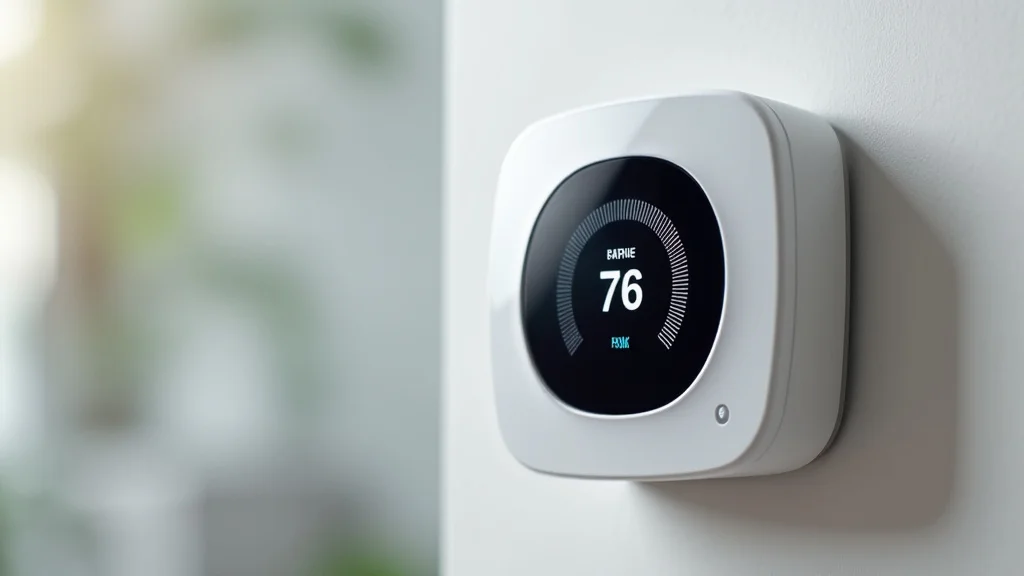
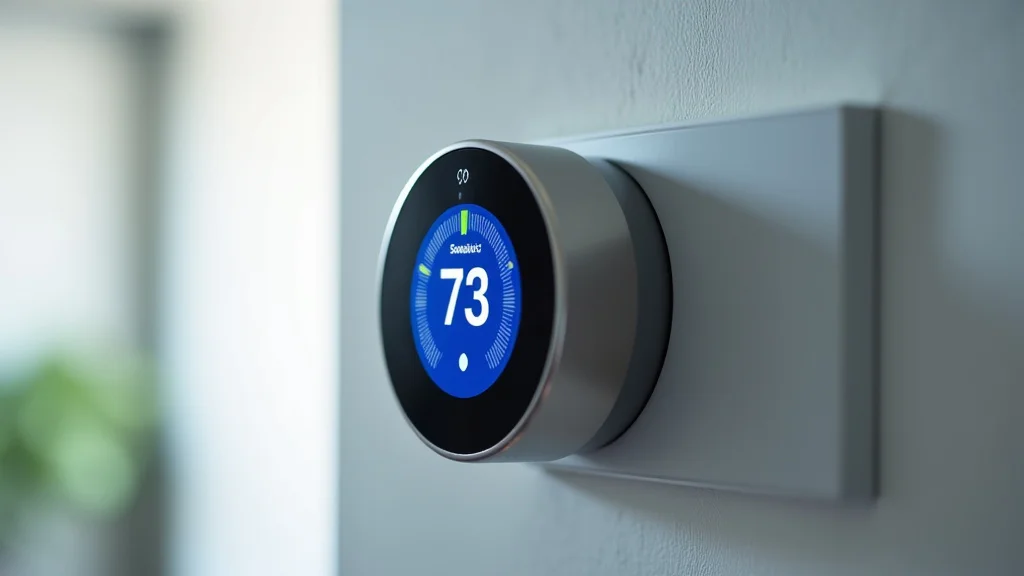
Remember that chilly morning when you woke up freezing, despite setting your thermostat? Or the sweltering afternoon when your AC just wouldn’t kick in fast enough? These temperature battles are common, and that’s where smart thermostats come in. They promise to solve these issues and more, but are they truly worth the hype? This guide will explore the smart thermostat pros and cons, helping you determine if they’re the right fit for your home. You’ll gain valuable insights to make an informed decision and optimize your home’s energy efficiency. We will cover everything from energy savings to installation hurdles.
Key Takeaways
- Smart thermostats can learn your habits and adjust the temperature automatically.
- They offer remote control and monitoring via smartphone apps.
- Installation might require some technical know-how or professional help.
- Energy savings vary depending on usage patterns and home characteristics.
- Privacy concerns exist regarding data collection and security.
- Some models are compatible with smart home ecosystems like Google Home or Amazon Alexa.
Smart Thermostat Benefits: Efficiency and Convenience
The allure of a smart thermostat lies in its promise of efficiency and convenience. These devices go beyond the basic functions of a traditional thermostat, offering a range of features designed to make your life easier and your home more comfortable. They can learn your temperature preferences, adapt to your schedule, and provide remote access, letting you control your home’s climate from anywhere. The potential benefits extend beyond personal comfort; smart thermostats often aim to contribute to a reduction in energy consumption.
Energy Savings: How Smart Thermostats Reduce Costs
One of the primary selling points for smart thermostats is their potential to save you money on your energy bills. Unlike traditional thermostats that rely on manual adjustments, smart thermostats utilize a combination of features to optimize your home’s energy usage. These include learning algorithms, geofencing, and pre-programmed schedules. By automating temperature adjustments based on your routines and preferences, smart thermostats prevent unnecessary heating or cooling when you’re not at home. They contribute to a more efficient energy usage.
- Learning Algorithms: These systems monitor your temperature adjustments and learn your preferred settings over time. They then create a schedule based on your usage patterns, automatically adjusting the temperature to save energy.
- Geofencing: This feature uses your smartphone’s location to determine when you’re leaving or returning home. The thermostat can automatically lower the temperature when you leave and raise it before you arrive, ensuring comfort without wasted energy.
- Pre-programmed Schedules: You can create custom schedules to match your daily routines. For example, you can set the temperature lower during work hours and higher when you’re home in the evening.
According to the U.S. Department of Energy, homeowners can save approximately 10% on their heating and cooling bills by simply adjusting their thermostat by 7-10 degrees for 8 hours a day. Smart thermostats make these adjustments automatically, increasing the likelihood of realizing these savings.
A 2023 study by Energy Star found that homes with smart thermostats experienced average energy savings of 8% on heating and cooling costs.
Remote Control and Monitoring: Staying in Command
The ability to control and monitor your thermostat remotely is a significant advantage, providing unparalleled convenience. With a smartphone app, you can adjust the temperature, view your energy usage, and receive alerts from anywhere with an internet connection. This feature is especially beneficial for those who travel frequently or have unpredictable schedules. It provides peace of mind, knowing that you can manage your home’s climate no matter where you are.
- Remote Access: Adjust your thermostat settings from your smartphone, tablet, or computer.
- Real-time Monitoring: Track your energy usage and see how your adjustments impact your bills.
- Alerts and Notifications: Receive alerts if the temperature goes outside of a set range, or if the system detects a potential issue.
Scenario: Imagine you’re on your way home from a vacation and realize you forgot to adjust the thermostat. With a smart thermostat, you can simply open the app and set the desired temperature, ensuring a comfortable welcome when you arrive.
Smart Home Integration: A Connected Experience
Many smart thermostats seamlessly integrate with other smart home devices and platforms, creating a more interconnected and convenient experience. Compatibility with platforms like Google Home, Amazon Alexa, and Apple HomeKit allows you to control your thermostat using voice commands. This level of integration allows for enhanced automation, allowing you to create scenes and routines that adjust multiple devices at once. This creates an even more intelligent and responsive home environment.
- Voice Control: Use voice commands to adjust the temperature.
- Automation: Create custom routines to automatically adjust the temperature based on other smart home events.
- Platform Compatibility: Many smart thermostats work with popular platforms like Google Home, Amazon Alexa, and Apple HomeKit.
Scenario: You can set up a routine with Alexa where, when you say, “Alexa, good night,” your lights dim, your doors lock, and your smart thermostat lowers the temperature for the night.
Potential Drawbacks of Smart Thermostats
While smart thermostats offer many advantages, it’s vital to consider the potential drawbacks before making a purchase. These include installation challenges, privacy concerns, and the reliance on a stable internet connection. Being aware of these points helps you make a well-informed decision that aligns with your specific needs and situation.
Installation and Compatibility Challenges
Installing a smart thermostat can sometimes be more complicated than replacing a traditional model. It may require some technical knowledge or the assistance of a professional, especially if your existing wiring is outdated or complex. Compatibility issues can also arise depending on your HVAC system type and the specific features of the smart thermostat. Researching compatibility and understanding the installation process are key to a smooth transition.
- Wiring Compatibility: Ensure the smart thermostat is compatible with your existing thermostat wiring.
- HVAC System Compatibility: Check that the thermostat works with your heating and cooling system type.
- Installation Complexity: Some installations might require professional assistance.
Privacy and Data Security Concerns
Smart thermostats collect data about your temperature preferences and usage patterns, which raises privacy concerns for some users. This data could be used to profile your habits, and there’s a risk of data breaches or unauthorized access. Selecting a reputable brand with a strong privacy policy and security measures is key to minimizing these risks. It’s essential to understand how your data is collected, used, and protected.
- Data Collection: Smart thermostats collect data on your temperature settings and usage patterns.
- Privacy Policies: Review the manufacturer’s privacy policy to understand how your data is used.
- Security Risks: There’s a risk of data breaches and unauthorized access.
Dependence on Internet and Power
Smart thermostats rely on a stable internet connection and power supply to function. If your internet goes down, you may lose the ability to control your thermostat remotely, and some advanced features might be unavailable. Similarly, a power outage will render the thermostat inoperable until power is restored. It’s essential to consider these dependencies and have backup options in place, like a battery backup.
- Internet Dependence: Remote control and some features require a working internet connection.
- Power Outage: Loss of power renders the thermostat inoperable.
- Backup Options: Consider a battery backup or the ability to manually control the thermostat.
Choosing the Right Smart Thermostat
With a wide array of smart thermostats available, choosing the right one can feel overwhelming. Several factors influence the best choice for your home and needs. Considerations include features, compatibility, and user reviews. You should weigh these factors against your specific requirements to select a thermostat that provides the greatest benefit and convenience.
Features to Consider
Different smart thermostats offer a variety of features, each adding to their overall value. Evaluating which features align with your needs is critical. Consider the following features during your selection process.
- Learning Capabilities: Some thermostats “learn” your schedule and preferences, adjusting the temperature automatically.
- Geofencing: This feature uses your smartphone’s location to adjust the temperature when you leave or return home.
- Smart Home Integration: Compatibility with voice assistants like Alexa or Google Assistant.
- Energy Usage Reports: Provides insights into your energy consumption.
- Zoning Capabilities: Allows you to control the temperature in different areas of your home.
Compatibility Assessment
Ensure that the smart thermostat is compatible with your HVAC system and existing home setup before purchasing. This involves verifying wiring compatibility, checking for any compatibility issues with your heating and cooling system, and confirming compatibility with your smart home ecosystem. Ignoring these details can result in significant installation problems.
- Wiring Compatibility: Check the thermostat’s wiring compatibility requirements against your existing wiring.
- HVAC System Compatibility: Ensure the thermostat works with your specific HVAC system (e.g., gas furnace, heat pump).
- Smart Home Integration: Verify compatibility with your existing smart home devices and platforms.
Reading Reviews and Comparing Models
Before making a final decision, take some time to research different models and read user reviews. Reviews offer insights into real-world performance, usability, and reliability. This information can help you assess the pros and cons of each product, and compare them side by side. Consider both positive and negative feedback from multiple sources to achieve a comprehensive view of a product’s effectiveness.
- Read User Reviews: Review user experiences and feedback about each thermostat model.
- Compare Models: Analyze key features, pricing, and user ratings to compare the options.
- Consider Reputable Brands: Select well-known brands that provide strong customer support and product warranties.
Below is a sample table for comparing some of the most popular smart thermostats. This is not a comprehensive table, but rather an example.
| Feature | Nest Learning Thermostat | Ecobee SmartThermostat | Honeywell Home T9 |
|---|---|---|---|
| Learning Capabilities | Yes | Yes | No |
| Geofencing | Yes | Yes | Yes |
| Smart Home Integration | Google, Alexa, Apple HomeKit | Google, Alexa, Apple HomeKit | Google, Alexa |
| Energy Usage Reports | Yes | Yes | Yes |
| Remote Sensors | No | Yes | Yes |
Common Myths Debunked
Several misconceptions exist regarding smart thermostats. Here’s a look at common myths and the corresponding facts to provide more clarity.
Myth 1: Smart Thermostats Are Difficult to Install
Answer: While some smart thermostats require a more complicated installation process, many are designed for easy DIY installation. Many manufacturers provide detailed instructions, and you can always find videos online that guide you through the process. For more complex systems, professional installation is always an option.
Myth 2: Smart Thermostats Only Save Money in Specific Climates
Answer: The potential for energy savings with a smart thermostat is present regardless of your climate. While the actual savings may vary based on your heating and cooling needs, the ability to automate temperature adjustments and reduce energy use is beneficial in all climates.
Myth 3: All Smart Thermostats Are the Same
Answer: Not all smart thermostats are created equal. They differ in features, compatibility, and performance. Some have learning capabilities, while others rely more on user input. Some integrate with multiple smart home platforms, while others have limited options. Doing your research is critical.
Myth 4: Smart Thermostats Are Only for Tech-Savvy Homeowners
Answer: Although a basic understanding of technology can be helpful, using a smart thermostat does not require advanced technical skills. The interfaces are often very user-friendly, and the setup is usually straightforward. Many thermostats are easy for anyone to control.
Myth 5: Smart Thermostats Constantly Monitor Your Home
Answer: While smart thermostats collect data to optimize performance, most systems allow you to control data collection and privacy settings. You can usually choose how much data you share and which features you want to use. You control what information is tracked.
Frequently Asked Questions
Question: How much money can I save with a smart thermostat?
Answer: Savings vary, but studies show an average of 10-20% on heating and cooling costs is possible, depending on usage and habits.
Question: Do I need to be tech-savvy to install a smart thermostat?
Answer: Basic DIY skills may be sufficient for many models. Detailed instructions are often provided, and professional installation is an option.
Question: Are smart thermostats safe from hacking?
Answer: All connected devices have some security risk. Choose reputable brands and enable security features like two-factor authentication.
Question: Can smart thermostats work with any type of HVAC system?
Answer: Most smart thermostats work with common HVAC systems, but compatibility is essential. Check the specifications before buying.
Question: Do smart thermostats require a subscription?
Answer: Most smart thermostats operate without monthly subscriptions, but some advanced features may require a paid plan.
Final Thoughts
Choosing a smart thermostat is a decision with many variables. It involves carefully balancing the advantages and disadvantages. From the ability to save on energy bills and the convenience of remote control to the potential installation challenges and privacy concerns, a comprehensive review of the smart thermostat pros and cons is paramount. Consider your lifestyle, your home’s HVAC system, and your comfort preferences to determine whether the benefits of a smart thermostat align with your specific needs. Understanding the features, the compatibility requirements, and what you want from your home’s climate control system will pave the way for a more comfortable and energy-efficient home. Explore the options and select the model that suits your lifestyle.