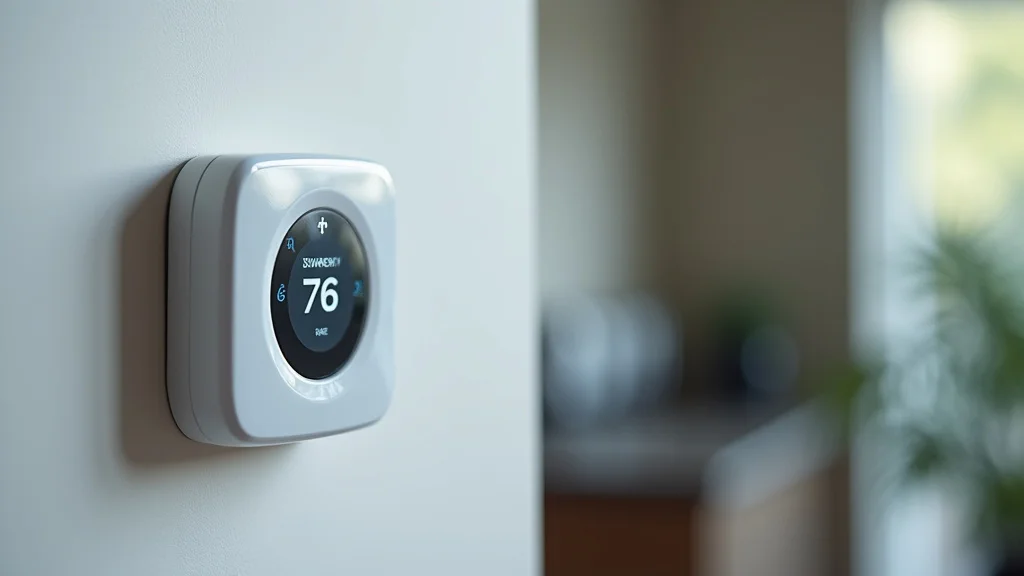
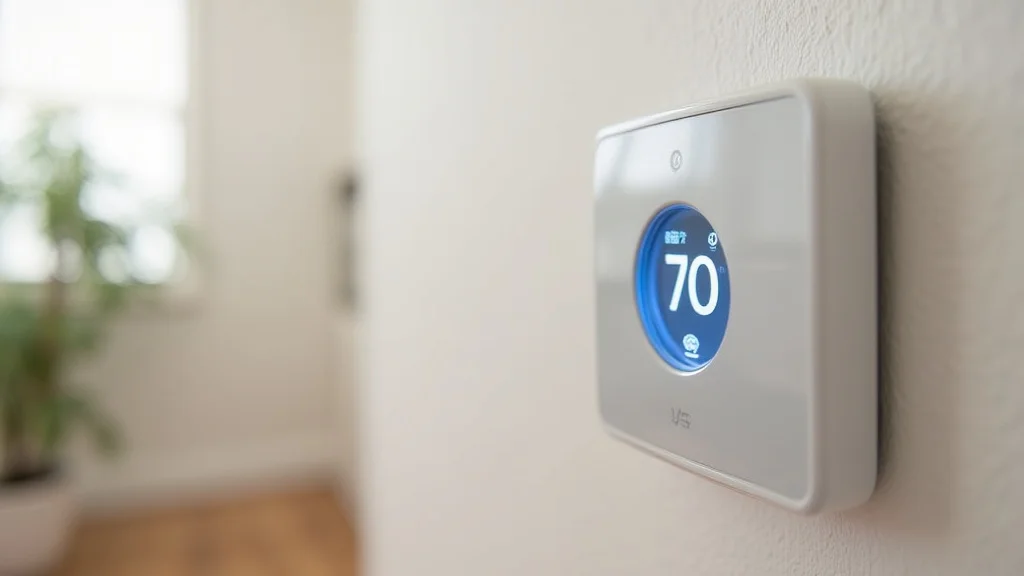
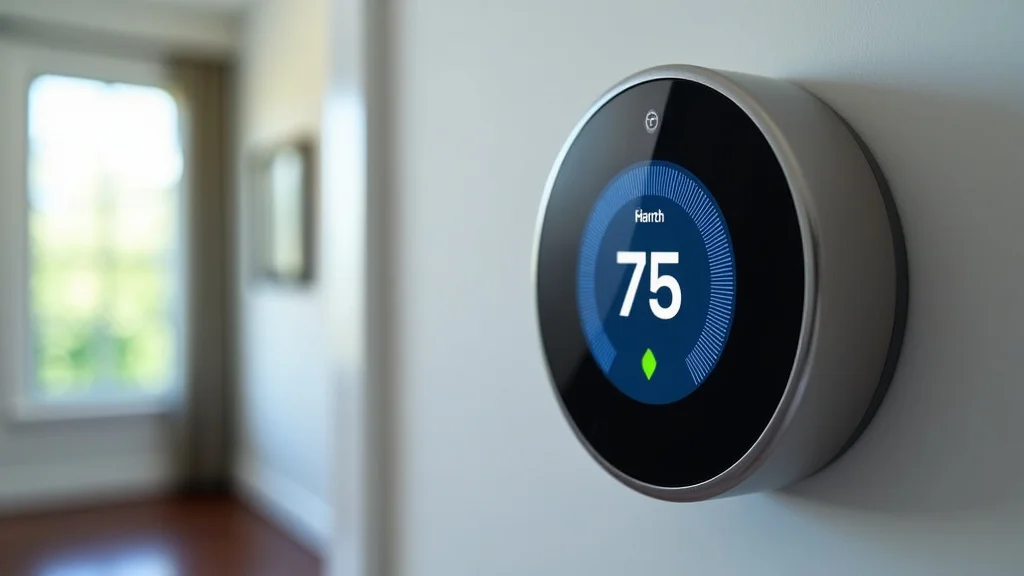
Remember that time you came home to a freezing house in the middle of winter, or a sweltering one during summer? A smart thermostat could have helped, adjusting the temperature automatically and saving you money. We’re going to explore what to look for in smart thermostat reviews and how these devices are changing homes. You’ll learn which features matter most, which brands excel, and how to get the best value. This post will help you make an informed decision, leading to a cozier home and a lighter energy bill.
Key Takeaways
- Discover the essential features to consider when choosing a smart thermostat.
- Learn how smart thermostats can save you money on your energy bills.
- Explore the differences between various smart thermostat brands and models.
- Gain insights into installation and setup to ensure a smooth user experience.
- Understand the importance of compatibility with home automation systems.
- Explore upcoming trends and innovations in the smart thermostat market.
Unveiling Smart Thermostats and Their Advantages
Smart thermostats represent a significant shift in how we manage our home’s climate control. Unlike traditional thermostats, these devices connect to your home’s Wi-Fi network, providing remote access and advanced features. They learn your preferences, adjust temperatures automatically, and offer energy-saving insights. Selecting the correct model requires assessing several important aspects. From simple, user-friendly models to more complex units with advanced integrations, the range available guarantees a perfect fit for any home. We will investigate their operation, the advantages they present, and how they can benefit both your comfort and your pocketbook.
What Defines a Smart Thermostat?
At the core, a smart thermostat is a digitally controlled device that regulates your home’s heating and cooling systems. It steps beyond the capabilities of a basic thermostat by incorporating connectivity and intelligence. This connectivity empowers users with the ability to monitor and adjust temperatures remotely via a smartphone app or web interface. Intelligence refers to the device’s ability to “learn” user preferences and adapt accordingly. This often includes automatic adjustments based on time of day, occupancy, and even weather conditions. The device frequently integrates with other smart home systems, offering an all-encompassing control center for your home’s environment. Beyond basic temperature control, these devices often provide energy usage reports and suggestions, further helping homeowners reduce their environmental footprint and save money.
- Connectivity: Smart thermostats connect to your home’s Wi-Fi, enabling remote access and control through a smartphone app or web interface. This allows you to adjust your home’s temperature from anywhere.
- Learning Capabilities: Many smart thermostats “learn” your heating and cooling preferences over time, adjusting temperatures automatically based on your schedule and habits. This optimizes comfort and can save energy.
- Integration: Smart thermostats often integrate with other smart home devices and platforms, such as Amazon Alexa, Google Assistant, or Apple HomeKit. This enables voice control and seamless automation.
- Energy Monitoring: Most smart thermostats track your energy usage and provide insights into your heating and cooling habits. Some even offer tips to help you reduce your energy consumption.
Key Features to Consider Before Purchasing
Selecting the ideal smart thermostat requires evaluating a variety of important features. While the basic function is the same, some offer advanced capabilities, which might be a major factor in the decision-making process. Think about your lifestyle and your home’s needs. From ease of installation and compatibility with existing HVAC systems to energy-saving features, these characteristics determine how well a smart thermostat serves your unique needs. Considering these factors upfront will ensure you choose a thermostat that enhances your comfort, simplifies your life, and helps reduce your environmental impact.
- Compatibility: Ensure the thermostat is compatible with your home’s existing HVAC system. Most are compatible with standard systems, but some may not work with heat pumps or other specialized systems. Check the specifications before purchasing.
- Connectivity and Control: Evaluate the thermostat’s connectivity options (Wi-Fi, Bluetooth) and the user interface of the associated app. A user-friendly app makes it easy to control the thermostat remotely and monitor your energy usage.
- Scheduling and Learning Capabilities: Look for a thermostat with flexible scheduling options and learning capabilities. A thermostat that learns your habits and adjusts the temperature automatically can save energy and provide optimal comfort.
- Energy-Saving Features: Consider features such as geofencing (automatically adjusting the temperature when you leave or arrive home), energy usage reports, and alerts. These features can help you reduce your energy bills.
- Integration with Other Smart Home Devices: If you have other smart home devices, choose a thermostat that integrates with your existing system (e.g., Amazon Alexa, Google Assistant, Apple HomeKit). This allows for voice control and seamless automation.
Evaluating Leading Smart Thermostat Reviews
The market has numerous smart thermostats, each providing its own set of functions and advantages. Assessing these devices involves looking at various elements. We will explore several prominent brands to provide a clear picture of their strengths and weaknesses. From design and ease of use to features and compatibility, we’ll examine what sets each model apart. This section will guide you through the process of selecting the best smart thermostat for your home, taking into account user reviews, expert evaluations, and overall performance.
Top Brands and Models
A few brands consistently rank high in smart thermostat reviews. These brands have established a reputation for quality, functionality, and innovation. Exploring the most popular models from these brands will give you a better grasp of what’s available and what fits your needs. Each brand provides distinct features, design philosophies, and integration capabilities. By examining these models, you can identify the one that best suits your requirements, offering an optimal balance of comfort, convenience, and energy efficiency. Note that specific models and their features change as brands release updated versions.
- Nest Thermostat: Nest, a Google company, is a well-known name in the smart thermostat market. Nest thermostats are known for their sleek design, intuitive interface, and learning capabilities. They learn your schedule and automatically adjust the temperature to save energy.
- ecobee Thermostat: Ecobee thermostats provide excellent performance and a variety of features. Ecobee models often include remote sensors that can monitor the temperature in multiple rooms. This ensures consistent comfort throughout the home.
- Honeywell Home Thermostats: Honeywell offers a variety of smart thermostats that cater to different budgets and needs. Honeywell products often provide extensive compatibility with various HVAC systems and provide user-friendly interfaces.
What Reviewers Focus On
When assessing smart thermostat reviews, several common aspects are important. Reviewers usually analyze the user experience, energy-saving capabilities, and integration with other devices. This information enables buyers to evaluate each thermostat against their priorities. From ease of setup to the effectiveness of energy-saving features, reviewers provide comprehensive insight into each product’s performance. By examining what reviewers prioritize, you can make a choice that matches your specific demands and ensures a pleasant experience.
- Ease of Use: Reviewers often focus on the ease of installation and setup, as well as the user-friendliness of the interface (both on the device itself and in the app). A simple and intuitive design enhances the overall user experience.
- Energy Savings: Many reviews assess the thermostat’s ability to save energy. This involves examining features such as energy usage reports, geofencing, and learning capabilities. Reviewers often provide data on real-world energy savings.
- Features and Functionality: Reviewers assess the range of features offered, such as remote control, scheduling options, and integration with other smart home devices.
- Connectivity and Compatibility: The reliability of the Wi-Fi connection and the compatibility of the thermostat with different HVAC systems are crucial. Reviews usually assess these factors to ensure a seamless setup.
Real-Life Examples and Case Studies
Real-life examples can illustrate the advantages of smart thermostats. These real-world instances of smart thermostats in action illustrate their real-world impact on cost savings and comfort. These case studies provide proof of the potential benefits, including reduced energy consumption and improved convenience. Reviewing these instances can highlight the value and potential of integrating a smart thermostat into your home, helping you make a more informed choice and set expectations for the type of results you can achieve.
- The Smith Family: The Smiths
- The Johnson Residence: The Johnsons used a smart thermostat with remote sensors. They placed sensors in multiple rooms throughout their house, ensuring consistent comfort in their bedrooms and living areas. The system adjusted to their preferences, which improved their overall comfort.
- The Green Home Project: The Green Home Project, a group dedicated to reducing energy consumption, incorporated smart thermostats into their renovation. The devices automatically adjusted the temperature based on occupancy and provided real-time data on energy usage, resulting in considerable cost savings.
Optimizing Installation and Usability
Installation and usability are key for a positive experience with a smart thermostat. A simple installation process prevents stress and guarantees that the device is running immediately. Ensuring that the smart thermostat is simple to use is just as crucial, as it affects the way people interact with it on a daily basis. This section will walk you through the procedures for setting up a smart thermostat and maximizing its user experience. We will analyze the significance of integrating it into your existing home setup.
Installation Best Practices
Proper installation of a smart thermostat is essential for ensuring that it functions properly and offers all of its benefits. Even if the process looks complicated, most models are created for simple setup. Following these guidelines guarantees an easy and effective installation procedure, letting you quickly reap the rewards of your new smart thermostat. Careful preparation and attention to detail are important for this procedure. Consulting with an expert may be the best approach if you are uncomfortable.
- Shut Off Power: Before you start, turn off the power to your HVAC system at the circuit breaker. This is a crucial safety step to prevent electrical hazards.
- Remove the Old Thermostat: Carefully remove the old thermostat from the wall. Take a photo of the wiring connections before you disconnect any wires. This will serve as a reference.
- Wire the New Thermostat: Connect the wires from your HVAC system to the corresponding terminals on the new smart thermostat. Follow the wiring diagram provided in the user manual. Double-check all connections.
- Mount the Smart Thermostat: Securely mount the new thermostat to the wall.
- Turn On Power and Configure: Turn the power back on at the circuit breaker. Follow the on-screen instructions to configure the smart thermostat and connect it to your Wi-Fi network.
Tips for Maximizing User Experience
To get the most from your smart thermostat, adopt these tips. This ensures a seamless and productive experience, allowing you to easily adjust and manage your home’s temperature. You can enjoy optimal comfort while also reducing your energy expenses. The purpose is to maximize your device’s capabilities and enjoy a user-friendly and effective home automation system.
- Customize Your Schedule: Set up a heating and cooling schedule that suits your lifestyle. Program different temperatures for weekdays, weekends, and times when you’re away from home.
- Use Geofencing: Enable geofencing to automatically adjust the temperature when you leave or arrive home. This saves energy by preventing unnecessary heating or cooling when you’re not there.
- Explore Learning Features: Allow your smart thermostat to learn your habits and preferences. It will automatically adjust the temperature based on your schedule and usage patterns.
- Monitor Energy Usage: Regularly review the energy usage reports provided by your smart thermostat. This will help you track your energy consumption and identify areas for improvement.
- Integrate with Other Devices: If your thermostat integrates with other smart home devices, take advantage of the integration. Use voice control, automated routines, and other features to enhance the convenience and efficiency of your smart home.
Understanding Energy Savings and Efficiency
A major draw of smart thermostats is their potential to save energy and lower energy expenses. Smart thermostats are made to optimize energy usage by automatically modifying temperature based on your usage patterns. In this section, we’ll examine how these devices work. Understanding the ways that smart thermostats help save energy gives you a thorough knowledge of their worth. By utilizing the energy-saving features, you can make your home more environmentally friendly and cost-effective.
How Smart Thermostats Save Energy
Smart thermostats utilize several features to improve energy efficiency. The features are designed to minimize wasted energy by modifying heating and cooling operations based on your needs. The integration of these elements leads to a more efficient and sustainable approach to managing your home’s climate. By understanding how these capabilities function, you can make the most of your smart thermostat and cut down on energy costs.
- Programmable Schedules: You can create personalized heating and cooling schedules, which reduce energy use during periods of absence. By programming different temperatures for various times of the day and week, you prevent unnecessary heating and cooling when your home is unoccupied.
- Geofencing: Geofencing uses your smartphone’s location to automatically adjust the temperature when you leave or return home. This saves energy by turning off the system when you’re away and preheating or pre-cooling your home before you arrive.
- Learning Algorithms: The best smart thermostats use algorithms to learn your habits and preferences, and automatically adjust the temperature. Over time, the thermostat learns your schedule and anticipates your temperature needs, optimizing energy use.
- Energy Usage Reports: Many smart thermostats track your energy usage and give reports that show how much energy you use. These reports enable you to identify and adjust your habits for further savings.
Evaluating Energy Efficiency
When assessing the energy efficiency of a smart thermostat, consider its features, ratings, and real-world performance. You should focus on features like scheduling options, geofencing capabilities, and energy usage reports. Check to see if the device meets any energy efficiency certifications, like Energy Star. These certifications indicate that a product has met specific energy-saving criteria. Many companies provide statistics and data to display their smart thermostats’ energy savings in real-world environments. Evaluating these factors helps you choose a smart thermostat that genuinely helps you save money on your energy bills.
According to the U.S. Department of Energy, “You can save about 10% a year on heating and cooling by simply turning your thermostat back 7-10 degrees for 8 hours a day.” Smart thermostats can help you achieve these savings more easily by automating these adjustments.
- Energy Star Certification: Look for thermostats with the Energy Star label. These devices are independently certified to meet strict energy-efficiency criteria, meaning they’ll help you save energy and money.
- Real-World Data: Examine case studies or reviews that provide data on actual energy savings achieved with the thermostat. These can give you a clear indication of the device’s potential.
- Integration: Consider the thermostat’s compatibility with smart home systems and other energy-saving devices, such as smart plugs.
- Cost Analysis: Compare the price of the smart thermostat with the potential energy savings.
Sample Scenarios for Energy Savings
- Weekday Schedule: You set your thermostat to 70°F (21°C) during the day and 62°F (17°C) at night on weekdays, using a smart thermostat. With a traditional thermostat, you might forget to adjust the temperature. The smart thermostat’s automatic adjustment saves energy when you’re asleep and away.
- Weekend Geofencing: You use a smart thermostat with geofencing. On Saturday, you leave your home for the day. The thermostat automatically turns the temperature up, preventing unnecessary cooling. You return home in the evening, and the thermostat has already pre-cooled your home to your preferred comfort level.
- Vacation Mode: You use the vacation mode feature on your smart thermostat before leaving for a week-long vacation. You set the temperature to a low setting to conserve energy while you’re away. You return home, and the thermostat has already resumed its regular schedule.
Common Myths Debunked
Misconceptions about smart thermostats can deter people from taking advantage of their many advantages. Understanding the reality behind popular myths is essential for making an informed choice. This section will address the most prevalent misconceptions concerning smart thermostats, offering facts and evidence-based insights.
Myth 1: Smart Thermostats Are Difficult to Install
Many people believe that installing a smart thermostat is a difficult undertaking that necessitates a professional. In reality, the majority of smart thermostats are designed for simple do-it-yourself installation. Manufacturers often provide detailed instructions and user-friendly interfaces to streamline the setup procedure. The installation typically includes wiring the new thermostat and connecting it to your Wi-Fi. If you’re comfortable with basic electrical work and follow the instructions, you can often finish the installation in under an hour.
Myth 2: Smart Thermostats Don’t Offer Significant Savings
A common misconception is that smart thermostats do not significantly impact energy savings. In fact, smart thermostats have the potential to considerably lower your energy bills. By using features such as programmable schedules, geofencing, and learning algorithms, smart thermostats help you minimize wasted energy. Numerous studies and case studies have proven that smart thermostats can result in a 10% to 20% reduction in heating and cooling expenses. The precise savings depend on your usage habits, your climate, and the specific features of the thermostat.
Myth 3: Smart Thermostats Are Not Secure
Concerns about the security of smart thermostats are widespread. However, these devices are designed with security in mind. Smart thermostat manufacturers employ several measures to safeguard user data and protect against unauthorized access. They often utilize encryption, password protection, and regular software updates to address potential security threats. However, like any connected device, there’s always a risk, and it’s essential to use strong passwords and secure your home Wi-Fi network.
Myth 4: Smart Thermostats Are Complicated to Use
Some people think smart thermostats are difficult to operate. The reality is that smart thermostats have a user-friendly design with features that make them easy to use. The interfaces, whether on the device itself or via a smartphone app, are intuitive. The app offers remote control, scheduling options, and energy usage data at your fingertips. Many smart thermostats come with learning capabilities. This allows the device to adapt automatically to your preferences. The goal is to provide a seamless and effortless experience for users of all technical abilities.
Myth 5: Smart Thermostats Are Only for Tech-Savvy Homeowners
The assumption that smart thermostats are only for those with extensive technological knowledge is incorrect. These devices are intended for everyone, with designs and functions suitable for all skill levels. From easy installation to user-friendly interfaces and automated features, they accommodate users of different technical backgrounds. Whether you’re a tech expert or a beginner, smart thermostats provide a simple and effective approach to managing your home’s temperature, improving comfort, and saving money.
Frequently Asked Questions
Question: How do smart thermostats learn my habits?
Answer: Smart thermostats learn your habits through data analysis. They monitor your temperature adjustments, schedule settings, and when you are home. Using this data, they adjust the temperature automatically to optimize comfort and energy savings.
Question: Are smart thermostats compatible with all HVAC systems?
Answer: Most smart thermostats work with standard HVAC systems, including furnaces and air conditioners. However, some may not be compatible with specialized systems like heat pumps or multi-stage systems. Always check the thermostat’s compatibility before you buy.
Question: What if the Wi-Fi goes out? Will my smart thermostat still function?
Answer: Even without Wi-Fi, the smart thermostat will generally continue to function as a basic thermostat. You’ll still be able to manually adjust the temperature on the device. However, remote control and smart features will not be available.
Question: How secure are smart thermostats?
Answer: Smart thermostats are designed with security in mind, employing encryption and security measures. Always use a strong password for your Wi-Fi network and keep the thermostat’s firmware updated. These steps help protect against unauthorized access.
Question: Can I control my smart thermostat with voice commands?
Answer: Many smart thermostats work with voice assistants such as Amazon Alexa, Google Assistant, and Apple HomeKit. You can control the thermostat with voice commands to change the temperature and monitor usage.
Final Thoughts
The use of smart thermostats is becoming increasingly common. These devices deliver unmatched convenience, efficiency, and savings. The potential for energy savings and personalized comfort makes them a valuable addition to any modern home. When deciding, consider features such as scheduling, compatibility, and remote control. By exploring these aspects, you can find a device that suits your home’s requirements. These devices provide long-term advantages. Start by assessing your current HVAC system and identifying your needs. Look into the best products on the market. With the right smart thermostat, you can create a more comfortable and energy-efficient home environment.