Remember that chilly morning when your heater sputtered to life long after you needed it? Or that sweltering afternoon when the AC fought a losing battle against the sun? These temperature struggles are a thing of the past thanks to smart thermostats. This guide breaks down everything you need to know about a smart thermostat comparison, helping you find the perfect one for your home and lifestyle. You’ll learn how these devices work, what features to look for, and which models come out on top. Prepare to revolutionize your home’s comfort and energy savings.
Key Takeaways
- Discover the main differences between various smart thermostat models.
- Learn about key features like compatibility, smart home integration, and energy-saving capabilities.
- Understand how smart thermostats can reduce your energy bills.
- Get tips on choosing the right smart thermostat for your specific needs.
- Explore the common features and factors to consider when purchasing.
- Gain insights into the benefits of smart home integration for your comfort.
What Is a Smart Thermostat?
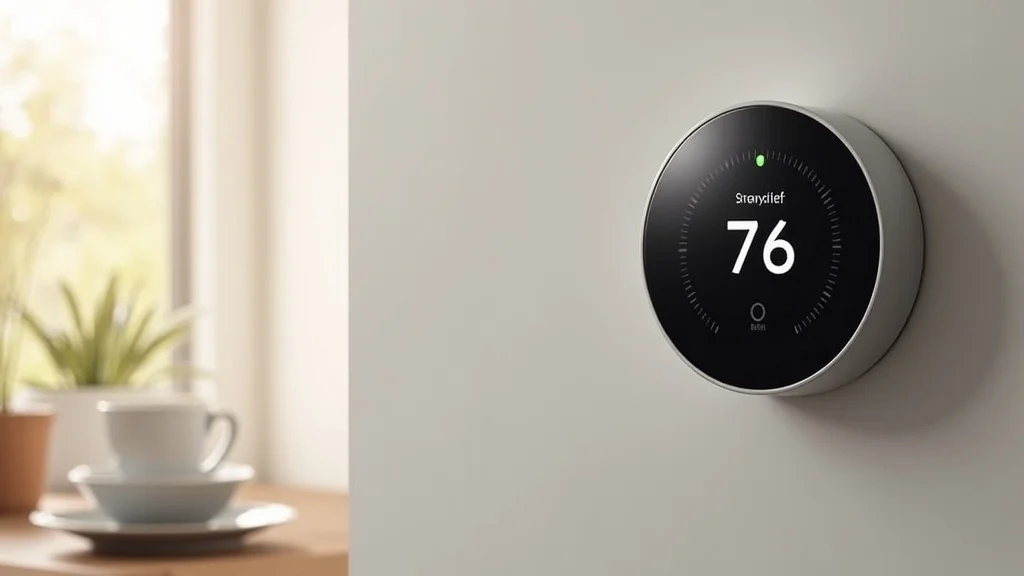
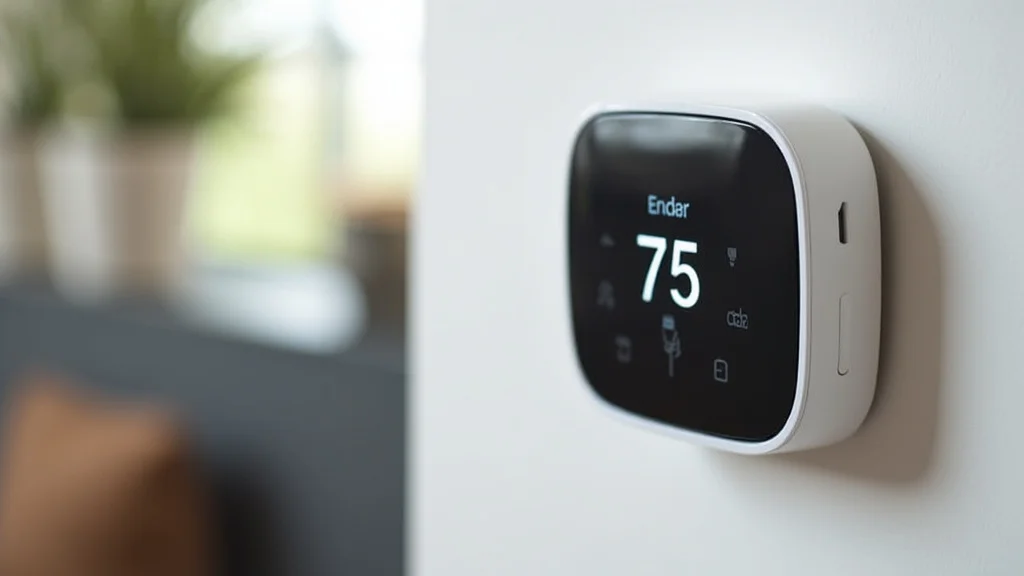
A smart thermostat is essentially a high-tech version of your traditional thermostat. Instead of manually adjusting the temperature with a dial, you can control a smart thermostat remotely via a smartphone app, voice commands, or through automated schedules. These devices connect to your home’s Wi-Fi network and learn your temperature preferences over time. They adjust the heating and cooling systems accordingly, often saving energy and money in the process. They’re designed to make your life easier and more comfortable by automating climate control.
How Smart Thermostats Work
The core function of a smart thermostat involves precise temperature regulation. It communicates with your home’s HVAC system, turning the furnace or air conditioner on or off based on your settings. Some models use sensors to detect occupancy and adjust the temperature accordingly. Data from these sensors is transmitted via Wi-Fi to a remote server and the paired app. This data is then analyzed using complex algorithms. These algorithms provide recommendations for energy savings and suggest settings based on your habits. The entire process is designed for ease of use and maximum efficiency.
- Connectivity: Smart thermostats connect to your home’s Wi-Fi network. This allows you to control them from anywhere with an internet connection.
- Learning Capabilities: Many smart thermostats “learn” your schedule and temperature preferences over time.
- Automation: You can set up custom schedules and automation rules. This is based on factors like time of day, occupancy, or even weather conditions.
- Remote Control: Most smart thermostats come with smartphone apps or voice assistant integration. You can use these to control the thermostat from anywhere.
The Wi-Fi connectivity allows for seamless remote control and monitoring. Users can adjust temperatures, set schedules, and view energy consumption data from their smartphones, tablets, or computers. This constant connectivity ensures that you can always manage your home’s climate, even when you are not physically present. Furthermore, this connectivity enables compatibility with other smart home devices and services.
The learning capability is a key differentiator. The thermostats record your adjustments and start to predict your comfort needs. After a week or two, they will adapt to your routine, automatically adjusting the temperature to save energy. They can also optimize heating or cooling based on the weather forecast, further improving efficiency.
Automation empowers you to create custom temperature settings that match your lifestyle. This includes setting different temperatures for weekdays and weekends, or automatically lowering the temperature when you are away from home. You can also integrate with other smart home devices. For example, your thermostat can adjust the temperature when the system detects motion in a room or when the doors and windows are opened or closed. This helps to optimize efficiency and personalize comfort.
Remote control is an integral part of the user experience. Whether you’re on the way home from work, or relaxing on vacation, you can adjust the temperature of your home. The interface allows easy modifications to the temperature settings. This convenience promotes energy efficiency as you can quickly adjust settings to suit your needs or change weather changes.
Key Features of Smart Thermostats
When comparing smart thermostats, consider these essential features. These elements help you evaluate which model best fits your needs, ensuring convenience, efficiency, and comfort. Each feature adds to the overall value of the device, making it an intelligent investment for your home.
- Compatibility: Ensure the thermostat is compatible with your HVAC system.
- Smart Home Integration: Look for compatibility with platforms like Amazon Alexa, Google Assistant, or Apple HomeKit.
- Energy Efficiency: Check for features like geofencing and energy reports.
- User Interface: Consider the display type, ease of use, and app design.
Before purchasing a smart thermostat, check its compatibility with your home’s existing HVAC system. Most modern systems work well. Check your wiring and compare it to the thermostat’s requirements. Some thermostats may require a C-wire (common wire) for power. If your system doesn’t have one, you might need to hire an electrician. The thermostat’s website or packaging usually provides a compatibility checker to prevent any issues.
Integration with smart home platforms expands the functionality of your thermostat. Voice control through devices like Amazon Echo or Google Home allows you to adjust the temperature with simple voice commands. This integration also allows you to include your thermostat in routines with other smart devices, enhancing automation possibilities. Consider which smart home ecosystem you use and make sure your chosen thermostat works seamlessly within it.
Energy-saving features can significantly reduce your utility bills. Geofencing uses your smartphone’s location to automatically adjust the temperature when you leave or return home. Energy reports provide insights into your usage patterns, helping you identify areas for improvement. Some thermostats offer time-of-use scheduling. It can automatically adjust settings to take advantage of lower electricity rates. Look for Energy Star certification to ensure the product meets energy efficiency standards.
The thermostat’s user interface plays a crucial role in user satisfaction. A clear and intuitive display makes it easy to read and adjust settings. Smartphone apps should be user-friendly, offering effortless control and access to various features. Consider the display type, which can range from a simple digital screen to a full-color touchscreen. A well-designed interface streamlines the entire experience, from initial setup to daily use.
Benefits of Smart Thermostats
The benefits extend beyond mere convenience. A smart thermostat comparison shows that these devices offer significant advantages for homeowners. This results in reduced costs, improved comfort, and a positive environmental impact.
Energy Savings
Smart thermostats are engineered to save energy. They can use a variety of tools to reduce the overall energy consumption of your home. This can result in significant savings on your utility bills. By intelligently adjusting the temperature, these devices make sure that you’re only heating or cooling your home when necessary. The ability to monitor energy usage helps you optimize your consumption and make informed decisions.
- Smart Schedules: Create schedules that adapt to your routine.
- Geofencing: Use your phone’s location to adjust the temperature automatically.
- Energy Reports: Track your energy usage and identify areas for improvement.
Set custom schedules for your thermostat to match your daily routine. For example, you can set the temperature higher when you’re away from home and lower when you’re sleeping. This ensures you’re not wasting energy. Your thermostat can learn your preferences and adjust the schedule automatically.
Geofencing leverages your smartphone’s location services to determine when you’re home or away. The thermostat automatically adjusts the temperature based on your location. This ensures that your home is at a comfortable temperature when you arrive, while conserving energy when you are away.
Energy reports provide a detailed breakdown of your energy consumption patterns. This information helps you monitor how much energy you’re using. You can identify areas where you can reduce your consumption. Some thermostats also offer tips and suggestions to improve energy efficiency based on your usage data.
Enhanced Comfort and Convenience
Beyond energy savings, smart thermostats offer enhanced comfort and convenience. The features improve your home’s climate control and make your living space more adaptable to your lifestyle. The combination of automation and remote control gives you more control over your home’s temperature, enhancing your overall quality of life.
- Remote Control: Control your thermostat from anywhere using a smartphone app.
- Voice Control: Integrate with voice assistants like Amazon Alexa or Google Assistant.
- Personalized Comfort: Smart thermostats learn your preferences and adapt accordingly.
With remote control, you can change your home’s temperature from your smartphone, tablet, or computer. If you’re running late or leaving early, you can adjust the temperature to ensure your home is at a comfortable temperature. This offers you convenience, and helps save energy.
Voice control allows you to adjust your thermostat using voice commands. With integrations such as Alexa or Google Assistant, you can change your home’s temperature hands-free. This provides a user-friendly experience and makes it easy to manage your home’s climate.
Smart thermostats use machine learning algorithms to learn your temperature preferences and daily habits. They automatically adjust the temperature based on your schedule and occupancy patterns. This personalized approach to comfort ensures your home’s temperature matches your needs.
Smart Home Integration
Smart thermostats can integrate with other smart home devices. This expands their functionality and makes your home even more automated and efficient. Through this integration, you can create a unified smart home experience. You can manage multiple devices through a single interface, making it easier to control your home environment.
- Seamless Integration: Works with other smart home devices.
- Automated Routines: Create customized routines to automate tasks.
- Increased Efficiency: Optimize your home’s energy use through automation.
The seamless integration with other smart devices, like smart lighting, security systems, and blinds, enhances your home’s functionality. For example, when your security system is armed, the thermostat can automatically adjust to an energy-saving setting. This automation increases convenience and enhances efficiency.
Automated routines allow you to create custom scenarios that combine multiple actions and devices. For example, you can set a routine where the thermostat adjusts the temperature automatically when the sun sets and the lights turn on. This integration provides a comfortable and coordinated experience.
Smart home integration makes your home more energy-efficient by automatically adjusting settings based on different factors. For instance, when a smart window sensor detects that a window is open, the thermostat can automatically turn off the AC or furnace. This prevents energy waste and ensures optimal energy use.
Choosing the Right Smart Thermostat: Factors to Consider
When selecting a smart thermostat, several factors can influence your choice. You’ll need to think about your specific needs, your home’s existing systems, and your budget. By evaluating each factor, you can make an informed decision and choose a thermostat that meets your needs. The right smart thermostat will boost your comfort and can save you money.
Compatibility
Compatibility is crucial to ensure that your smart thermostat will function with your existing HVAC system. Incorrect matches could lead to performance issues or even damage your equipment. Before purchasing a smart thermostat, perform a detailed inspection of your current system. This ensures it’s compatible and will deliver optimal results.
- HVAC System Type: Confirm compatibility with your furnace, AC, heat pump, or other system.
- Wiring: Check for C-wire requirements and wiring configurations.
- Voltage: Ensure compatibility with your system’s voltage requirements.
Smart thermostats work with various HVAC systems, including furnaces, air conditioners, heat pumps, and dual-fuel systems. Before purchasing, verify that the thermostat is compatible with your specific system. Check the product specifications or consult the manufacturer’s website to ensure compatibility. If you have an older system, you may need to check that your wires are up to code.
Some smart thermostats require a C-wire (common wire) for power. It may be necessary to have a C-wire, especially for those that use more power. If your existing wiring doesn’t have a C-wire, you may need to hire an electrician to install one. Check the wiring requirements in the thermostat’s specifications and consult a professional if you’re unsure.
Smart thermostats generally work with low-voltage HVAC systems. However, always confirm the voltage requirements of your system and the thermostat. Most smart thermostats support 24-volt systems. If your system is high voltage, you will need to find a thermostat that is compatible, or hire an expert to help you.
Features
Smart thermostats offer a variety of features that improve comfort and convenience. Evaluating these features ensures that you select a model that aligns with your needs. Think about which features are essential for your lifestyle and preferences. From ease of use to energy management, each feature can enhance your experience.
- Connectivity: Evaluate Wi-Fi and smart home platform compatibility.
- Scheduling: Look for flexible scheduling options.
- Sensors: Explore features like remote sensors for better temperature distribution.
The type of connectivity is a key aspect of any smart thermostat. Check the Wi-Fi compatibility to make sure it will connect with your existing network. Assess the integration with popular smart home platforms like Amazon Alexa, Google Assistant, and Apple HomeKit. Compatibility with these platforms allows for convenient control through voice commands and integration into your existing home automation system.
Consider the scheduling capabilities offered by the smart thermostat. Flexible scheduling options make it easy to set up temperature adjustments. Look for customizable schedules for weekdays and weekends, or different times of the day. Some thermostats have adaptive features that predict your needs and adjust the schedule accordingly.
Some smart thermostats can connect to remote sensors. These remote sensors monitor the temperature in different areas of your home. They send their data to the thermostat, to help ensure consistent temperatures. This is especially helpful if your home has uneven heating or cooling. Having remote sensors enables more precise climate control throughout your home.
Budget and Value
Establishing a budget is an important step when purchasing a smart thermostat. Prices vary from model to model, depending on the features and brand. Evaluating the cost and associated value will ensure you get a device that suits your requirements. While cost is important, think about the long-term benefits, such as energy savings.
- Upfront Cost: Compare the prices of different models.
- Long-Term Savings: Consider potential energy savings and rebates.
- Warranty and Support: Check warranty periods and customer support options.
The upfront cost of a smart thermostat varies. Research different models to understand the range of prices. When comparing, take into consideration the features, brand reputation, and any additional costs, such as professional installation. Determine how much you want to spend and look for the best value. This allows you to find the most functional and cost-effective option.
Assess the long-term savings potential of each smart thermostat. These thermostats can save money on your energy bills through smart scheduling, geofencing, and energy reports. Many utility companies and government programs offer rebates or incentives. Research to see if you qualify for any rebates to offset the initial cost. Calculate the estimated return on investment to assess the long-term value.
Evaluate the warranty period and customer support offered by the manufacturer. A longer warranty period provides peace of mind. Assess the quality of customer support and the availability of resources like FAQs, tutorials, and online support. Reliable support ensures you can get help if you encounter any issues. Choose a brand that offers good customer service to help with issues you might have.
Common Myths Debunked
There are some common misconceptions about smart thermostats. Understanding the reality can help clarify their function. Here are some widespread myths debunked for you.
Myth 1: Smart Thermostats Are Difficult to Install
Many people believe that installing a smart thermostat is complex. Although some models may require professional installation, most are designed for easy DIY installation. The installation process typically involves disconnecting your old thermostat, wiring the new one, and connecting it to your Wi-Fi network.
Myth 2: Smart Thermostats Drain a Lot of Energy
A common myth is that smart thermostats consume a lot of energy. This is false. Smart thermostats are made to save energy. They use smart scheduling, geofencing, and other features to regulate temperatures efficiently. Energy reports provide data about your energy use, helping you optimize your usage.
Myth 3: Smart Thermostats Are Not Worth the Cost
Some people think smart thermostats aren’t worth their price. Smart thermostats typically pay for themselves over time, through energy savings. The ability to monitor and adjust your home’s temperature can reduce energy consumption. In the long run, the savings on your utility bills often surpass the initial investment.
Myth 4: Smart Thermostats Are Easily Hacked
Some people are concerned about the security of smart thermostats, fearing they can be easily hacked. Smart thermostat manufacturers are very aware of this, so they include security features to protect your data and privacy. They use encryption, secure networks, and regular software updates to prevent unauthorized access. Always check that your device receives security updates.
Myth 5: Smart Thermostats Don’t Work With All HVAC Systems
The idea that smart thermostats are not compatible with all HVAC systems is a common misunderstanding. Most smart thermostats are compatible with various HVAC systems, including furnaces, air conditioners, heat pumps, and dual-fuel systems. Before buying, check compatibility with your specific HVAC system. Refer to the product specifications or consult the manufacturer’s website to ensure that your system is appropriate.
Frequently Asked Questions
Question: How do smart thermostats save energy?
Answer: Smart thermostats save energy by optimizing heating and cooling schedules, using geofencing to adjust temperatures when you’re away, and providing energy usage reports.
Question: Are smart thermostats easy to install?
Answer: Many smart thermostats are designed for easy DIY installation, typically involving disconnecting your old thermostat and wiring the new one.
Question: Do I need a C-wire to install a smart thermostat?
Answer: Some smart thermostats require a C-wire (common wire) for power. Check your system’s wiring and the thermostat’s requirements.
Question: Can I control a smart thermostat from anywhere?
Answer: Yes, you can control your smart thermostat remotely using a smartphone app or voice commands, provided you have an internet connection.
Question: What smart home platforms are compatible with smart thermostats?
Answer: Many smart thermostats are compatible with platforms like Amazon Alexa, Google Assistant, and Apple HomeKit, allowing for voice control and integration.
Final Thoughts
Making a smart thermostat comparison is a worthwhile endeavor. You should consider factors such as compatibility, features, and budget to find the best fit. The ideal smart thermostat will deliver energy savings and convenience. They integrate seamlessly into your daily life. They also offer remote control and smart home integration. By researching and comparing various models, you’ll be able to improve your home’s comfort and efficiency. You can enhance your living space with intelligent climate control. Take the first step toward a more comfortable and sustainable home environment by exploring the options. The perfect smart thermostat is waiting for you!