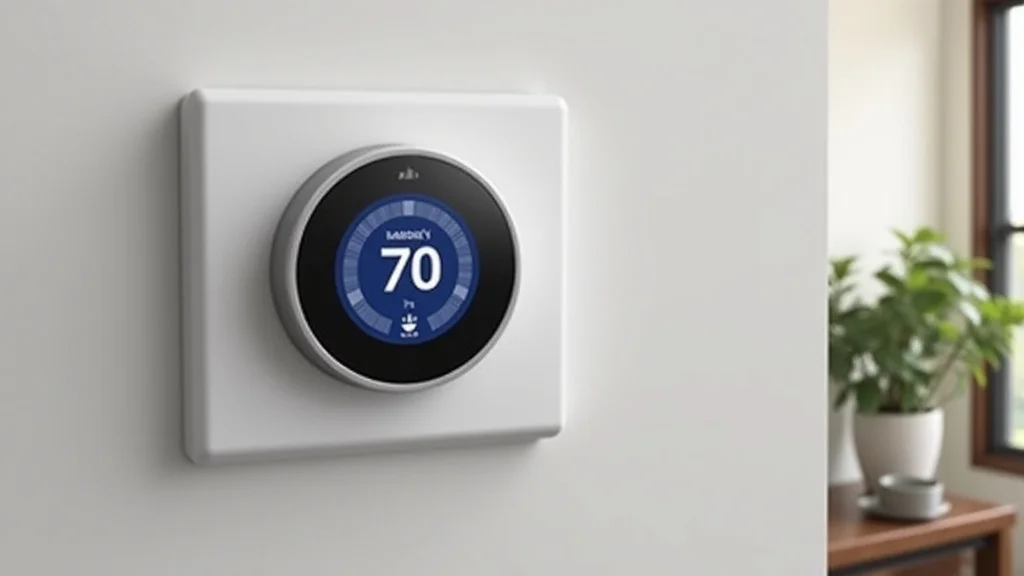
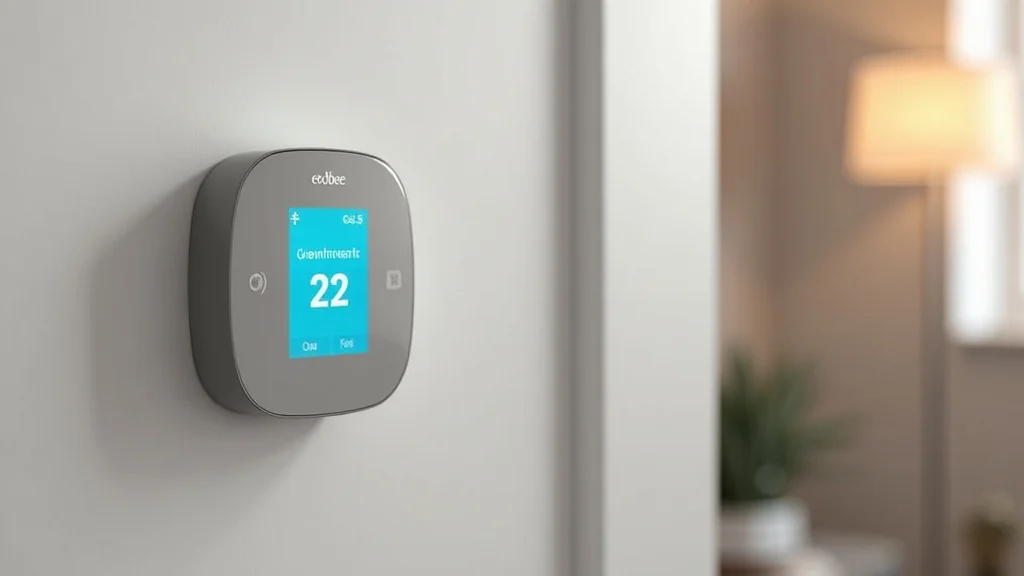
Picture this: It’s a scorching summer day, and you’re miles from home, remembering you forgot to adjust the air conditioning. Or, it’s a freezing winter night, and you’re worried about coming home to a chilly house. A smart thermostat solves these problems and more. This post will help you discover how a smart thermostat can simplify your life and save you money. You’ll learn about their benefits, how they work, and what to consider when choosing one. By the end, you’ll be able to make an informed decision and start experiencing the comfort and savings these devices offer. Get ready to explore the future of home climate control and discover how these smart devices can make your life easier.
Key Takeaways
- Discover the core features and functionality of a smart thermostat.
- Explore the financial benefits, including energy savings and cost efficiency.
- Learn how smart thermostats improve comfort and convenience.
- Explore the options for home integration and automation.
- Understand the installation process and considerations.
- Learn about common problems and how to troubleshoot them.
How Smart Thermostats Work
At its core, a smart thermostat is a digital thermostat with added capabilities, connecting to your home’s Wi-Fi network. This allows you to control your home’s heating and cooling system remotely using a smartphone, tablet, or computer. Unlike traditional thermostats that rely on manual adjustments or simple timers, smart thermostats offer a wealth of features designed for convenience, energy efficiency, and personalized comfort. They learn your habits, automatically adjusting the temperature based on your schedule and preferences. They offer far more flexibility and can learn your schedule, which is a major advantage over older models. These thermostats can even detect when you’re away and adjust the temperature to conserve energy, saving you money on your energy bills.
Core Components and Technology
The core technology behind a smart thermostat involves several key components working together. A central processing unit (CPU) is the “brain” of the device, managing all operations and calculations. A wireless communication module, usually Wi-Fi, enables the thermostat to connect to your home network and the internet. Sensors, the eyes and ears of the thermostat, measure temperature, humidity, and sometimes even occupancy. User interfaces, which may include touchscreens or physical controls, allow you to interact with the device and make adjustments. The smart thermostat uses these elements to receive information from you and the environment and then control your home’s HVAC system.
One of the more complex parts of the system is the algorithm that controls the temperature. This is the set of instructions that makes the smart thermostat “smart”. These algorithms collect data from the sensors, your input, and external sources like weather forecasts. With this information, the thermostat makes decisions to regulate your home’s temperature, balancing comfort and energy efficiency. They are constantly being updated to provide you with an easier user experience. This automated intelligence allows the smart thermostat to learn your heating and cooling preferences and adjust the temperature accordingly.
Remote Control and Accessibility
One of the most significant advantages of a smart thermostat is the ability to control it remotely. This feature is enabled through a dedicated mobile app that connects to your thermostat via Wi-Fi. Using the app, you can change the temperature, set schedules, and monitor energy usage from anywhere with an internet connection. This level of accessibility provides unparalleled convenience, allowing you to adjust your home’s climate whether you’re at work, on vacation, or simply relaxing on the couch. You can also receive alerts and notifications regarding extreme temperatures or system issues. The app provides a user-friendly interface for managing your home’s climate control system.
Remote access also allows for integration with other smart home devices. For example, if your smart home system detects that you’re approaching, your smart thermostat can automatically adjust the temperature to your preferred setting. Many smart thermostats are compatible with virtual assistants like Amazon Alexa, Google Assistant, and Apple HomeKit, providing voice control functionality. This integration provides a more seamless and intuitive experience.
Energy Efficiency Features
Smart thermostats are designed to maximize energy efficiency. They achieve this through several features, including smart scheduling, geofencing, and energy usage tracking. Smart scheduling allows you to create custom temperature schedules based on your daily and weekly routines. Geofencing uses your smartphone’s location to automatically adjust the temperature when you leave or return home, preventing energy waste. Energy usage tracking provides detailed insights into your heating and cooling habits, allowing you to identify areas for improvement and reduce your energy consumption. By using all of these features together, a smart thermostat can help you reduce your energy bills.
Many smart thermostats come with built-in energy-saving programs. These programs can automatically optimize your thermostat settings to conserve energy during peak hours or when the home is unoccupied. Some models also provide energy reports, showing you how much energy you’ve used and where you can improve. This information is a useful tool that helps you to see how your habits affect your energy bills. Using smart energy-saving options is a major step toward a more sustainable lifestyle. According to the U.S. Department of Energy, using a smart thermostat can save you up to 10-12% on your heating and cooling bills.
Benefits of a Smart Thermostat
Beyond the core functionalities, a smart thermostat offers several advantages. The benefits span from improved energy efficiency and cost savings to enhanced comfort and convenience. The features can also enhance your home’s integration with other devices. This section will explore the key benefits that make smart thermostats a worthwhile investment for any homeowner.
Improved Energy Efficiency and Cost Savings
One of the primary advantages of a smart thermostat is its ability to improve energy efficiency. Smart thermostats learn your heating and cooling preferences and automatically adjust the temperature to save energy. They can also use your location to adjust the temperature. They will turn off when you leave and turn on just before you get home. All of these features can lead to significant cost savings on your energy bills. By optimizing your energy usage, a smart thermostat helps you reduce your carbon footprint and contribute to a more sustainable lifestyle. It also lowers your energy consumption.
The ability to remotely control your thermostat contributes to these energy savings. You can quickly adjust the temperature if you forget to do so before leaving your home. You can also turn off the air conditioning when you are on vacation, reducing energy waste and saving you money. Many smart thermostats provide detailed reports on your energy usage, making it easy to see where you can make improvements. The data helps you see your usage patterns and make informed decisions to optimize your energy consumption and reduce your utility bills. Smart thermostats are designed to make your home more energy-efficient and affordable to run.
Enhanced Comfort and Convenience
Smart thermostats enhance comfort by maintaining a consistent and personalized temperature in your home. They learn your preferred settings and automatically adjust the temperature to match your schedule and preferences. You can program custom heating and cooling schedules, ensuring your home is at the ideal temperature when you wake up, come home from work, or relax in the evening. This eliminates the need for constant manual adjustments and provides a more comfortable living environment. The smart features offer more than just basic temperature control.
The convenience offered by smart thermostats extends beyond temperature control. The ability to control your thermostat from anywhere offers peace of mind. You can quickly adjust the temperature if you are delayed on your way home or if unexpected weather changes. These thermostats often integrate with other smart home devices. For example, your thermostat can automatically adjust when the system detects movement, making your home more responsive to your needs. This seamless integration provides a more convenient and enjoyable living experience.
Smart Home Integration and Automation
Smart thermostats seamlessly integrate with other smart home devices and systems, creating a more connected and automated living environment. They can connect to virtual assistants, such as Amazon Alexa, Google Assistant, and Apple HomeKit, allowing you to control your thermostat with voice commands. This integration enables you to adjust the temperature, set schedules, and get information about your home’s climate simply by speaking. Smart thermostats support a wide range of smart home platforms, making it easy to integrate them into your existing system. This compatibility offers flexibility and convenience, letting you manage your home’s climate control along with other smart devices.
Another popular integration is with smart sensors. When connected to other smart sensors, the thermostat adjusts its temperature to maintain the comfort of specific rooms. If a sensor detects that a room is too cold, the thermostat automatically increases the temperature. When a window is opened, the thermostat can be programmed to switch off the heating or cooling. The flexibility and ease of integration turn your home into a personalized smart living space. These features make it easy to create an automated, responsive, and comfortable living environment.
Installation and Setup
Installing a smart thermostat is a manageable project, even for those without extensive technical experience. The process typically involves a few key steps: removing your old thermostat, wiring the new one, and connecting it to your home’s Wi-Fi network. While professional installation is an option, many homeowners find they can complete the installation themselves. This section will provide the information you need to prepare for installation and the steps you need to follow.
Preparing for Installation
Before installing your smart thermostat, there are several steps to take to ensure a smooth setup. First, turn off the power to your HVAC system at the circuit breaker to prevent electrical shock. Second, carefully remove your old thermostat’s faceplate and take pictures of the wiring for reference. This is one of the most important steps, ensuring you can correctly connect the wires to the new thermostat. Also, identify the wires and label them using the included stickers or a marker. Finally, check your existing thermostat wiring for compatibility. Most smart thermostats are compatible with standard HVAC systems, but some may require a C-wire. This step will help you avoid any compatibility issues.
You may need certain tools and supplies. You will need a screwdriver, wire strippers, and possibly a level. Some smart thermostats include all the necessary accessories, but it is always useful to be prepared. If your thermostat requires a C-wire, and your current wiring lacks one, you may need to consult a professional electrician or use a C-wire adapter. Consider the aesthetics. Some smart thermostats offer various colors and designs, allowing you to choose one that complements your home decor.
Wiring and Configuration
After preparing for installation, you can proceed with the wiring and configuration. Carefully detach the wires from your old thermostat. Then, match each wire to its corresponding terminal on the new smart thermostat. The wiring diagram provided with your smart thermostat will provide guidance. Once the wires are connected, carefully mount the smart thermostat to the wall using the provided screws and level it for a professional look. After wiring, turn the power back on at the circuit breaker and follow the prompts on the thermostat to connect it to your home’s Wi-Fi network.
The configuration process varies depending on the smart thermostat model. However, most thermostats guide you through the initial setup process, including connecting to your Wi-Fi network and entering basic information about your HVAC system. Once connected to your home network, you can download the mobile app associated with your thermostat. The app will provide a user-friendly interface for controlling the thermostat and customizing its settings. Through the app, you can create heating and cooling schedules, set temperature preferences, and connect to other smart home devices.
Troubleshooting Common Issues
Sometimes, problems come up during installation and setup. One common issue is a thermostat not powering on. If your thermostat doesn’t power on after installation, double-check that the power is on at the circuit breaker and all the wires are securely connected. Another common issue is a Wi-Fi connection problem. If your thermostat cannot connect to your home Wi-Fi, ensure your network is working correctly and the thermostat is within range of your router. Many smart thermostats also experience accuracy issues. If the temperature readings appear incorrect, ensure the thermostat is not in direct sunlight and has proper airflow.
Some users may encounter wiring compatibility issues. If the wires from your old thermostat don’t match the new unit’s terminals, refer to the manual or consult an HVAC professional for assistance. They can help you identify and connect the correct wires, ensuring your system functions correctly. If you’re still experiencing problems, refer to the manufacturer’s troubleshooting guide. Most manufacturers provide extensive troubleshooting resources, including FAQs, video tutorials, and contact information for technical support. In general, taking the time to troubleshoot these minor issues will ensure a proper installation.
Common Myths Debunked
There are several misconceptions about smart thermostats, often stemming from a lack of information or experiences. It is important to separate fact from fiction. By debunking these myths, you can gain a clearer view of these devices. This can give you the information needed to make an informed decision about whether a smart thermostat is right for your home.
Myth 1: Smart Thermostats Are Difficult to Install
Many people believe that installing a smart thermostat is a complicated, time-consuming process that requires professional help. In reality, most smart thermostats are designed for easy, do-it-yourself installation. The manufacturers provide detailed instructions and diagrams. Most homeowners can remove their old thermostat, wire the new one, and connect it to their Wi-Fi network. While some models may require more complex wiring, the majority can be installed in under an hour. Many manufacturers offer online tutorials and support to guide you through the installation process, making it even easier.
Myth 2: Smart Thermostats Are Only for Tech-Savvy Homeowners
Some people think that smart thermostats are only for those with a strong tech background. These thermostats are designed to be user-friendly, regardless of your tech skills. The user interfaces are often intuitive and easy to navigate. Most models have mobile apps that offer straightforward controls and customization options. Many smart thermostats are also compatible with voice assistants. These features make the technology easy to use. Smart thermostats are designed for everyone, including those with limited technical experience.
Myth 3: Smart Thermostats Are Expensive
There is a misconception that smart thermostats are prohibitively expensive. Prices have decreased over the years, making them accessible. Although the initial cost may be slightly higher than traditional thermostats, the long-term savings on energy bills can help to offset the expense. Many utility companies and government programs offer rebates and incentives. These savings can reduce the overall cost of a smart thermostat. A smart thermostat is a worthwhile investment. This makes the devices an affordable option for many homeowners seeking to reduce energy costs and improve home comfort.
Myth 4: Smart Thermostats Are Insecure
Many people worry that smart thermostats are vulnerable to hacking. Manufacturers take cybersecurity seriously. They often include features designed to protect against unauthorized access. They often use encryption and other security measures to safeguard your data and privacy. Users can take steps to improve the security of their smart thermostats. You can use strong passwords, enable two-factor authentication, and keep the device’s firmware updated. Following these steps helps protect your information and ensures the device functions correctly. Smart thermostats are designed with security in mind.
Myth 5: Smart Thermostats Don’t Work Well
A few think that smart thermostats are unreliable and prone to issues. This misconception ignores the advancements in technology and user feedback. Smart thermostats have undergone rigorous testing and refinement. Modern smart thermostats are designed to provide consistent performance and reliability. Manufacturers provide support and updates to resolve any issues. You will be able to enjoy the benefits of these devices without experiencing malfunctions. This will make your home more comfortable and save you money.
Frequently Asked Questions
Question: How much money can I save with a smart thermostat?
Answer: Savings vary depending on your usage, but many users report saving 10-20% on their energy bills.
Question: Are smart thermostats compatible with my HVAC system?
Answer: Most smart thermostats are compatible with a wide range of HVAC systems. Check the manufacturer’s compatibility guide.
Question: Do I need a professional to install a smart thermostat?
Answer: No, most people can install a smart thermostat themselves by following the instructions.
Question: How do smart thermostats learn my habits?
Answer: They learn by tracking your temperature adjustments and schedules over time.
Question: Are smart thermostats secure?
Answer: Yes, manufacturers use security measures to protect against hacking.
Final Thoughts
After exploring the features and benefits, it’s clear that a smart thermostat is a valuable addition to any home. They provide unparalleled control over your home’s climate, allowing you to create a comfortable living environment while saving energy and money. From the ability to adjust the temperature from anywhere to the integration with other smart home devices, a smart thermostat streamlines home automation, and it improves energy efficiency. The installation process is straightforward, and the long-term benefits of energy savings and improved comfort make it a worthwhile investment. Now is the time to embrace the future of climate control, improve your energy usage, and simplify your life with a smart thermostat. Explore the options and discover the perfect model for your home and enjoy the benefits.