Remember that time your heating bill spiked in the dead of winter, and you wished you could control your thermostat from the couch? Or when you forgot to adjust the AC before leaving for vacation, and your house felt like a sauna? Plenty of people experience these very situations. Luckily, the world of home automation offers solutions. This post explores how you can benefit from smart thermostat discounts. You’ll learn how these innovative devices can save you money, increase comfort, and what to look for when shopping. You’ll also discover tips and strategies to find great deals, ensuring you stay comfortable year-round while keeping your wallet happy. Let’s explore how you can upgrade your home and save money.
Key Takeaways
- Discover the benefits of switching to a smart thermostat.
- Learn how to find and compare smart thermostat discounts from various retailers.
- Understand the different types of smart thermostats available.
- Explore energy-saving features and how they can reduce your bills.
- Get tips on installation and maximizing the advantages of your new thermostat.
- Find answers to common questions about smart thermostat discounts and usage.
Unlocking the Benefits of Smart Thermostats
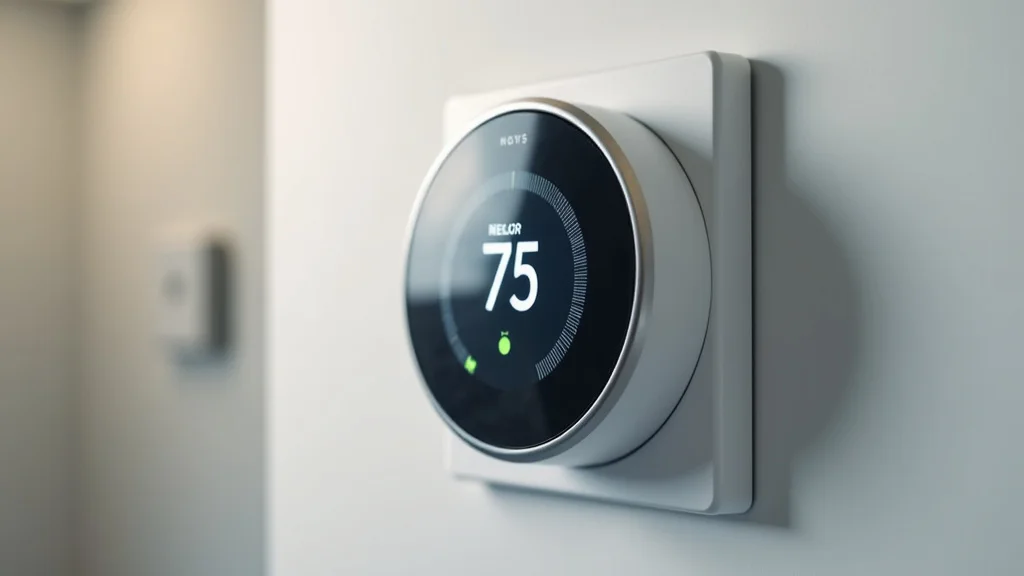
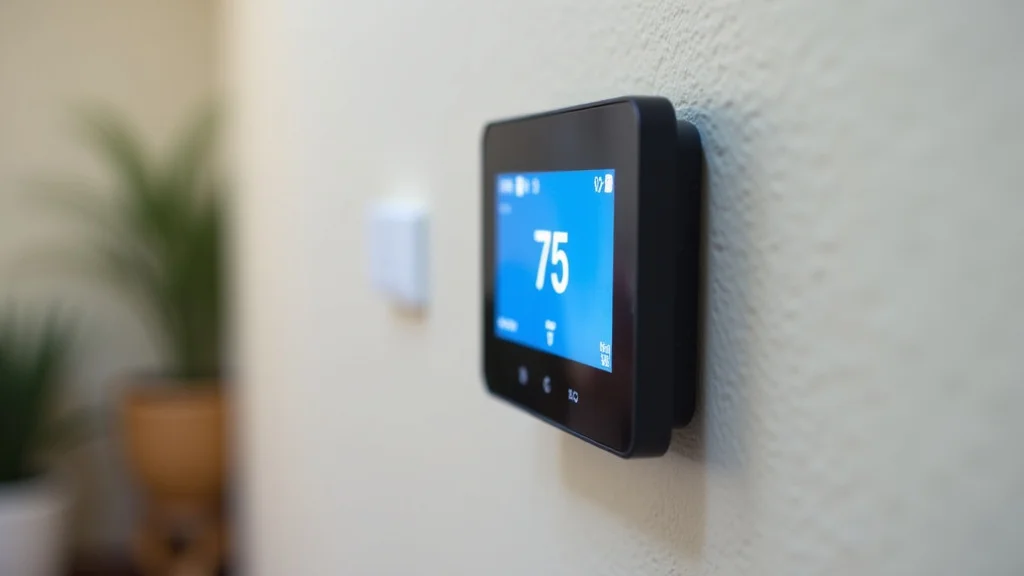
Smart thermostats have revolutionized how we manage our home’s climate control. They move beyond simple temperature adjustments, offering features that boost convenience and cut energy costs. These devices learn your habits and preferences, automatically adjusting settings to match your schedule. This intelligent automation removes the need for constant manual changes. Their ability to integrate with other smart home devices allows for a comprehensive system. This leads to increased home efficiency. They contribute to reduced energy consumption and lower utility bills. They are changing how we perceive home comfort and energy management. Smart thermostats are a smart investment for any homeowner wanting a smarter home.
Energy Savings Explained
Energy conservation is a primary advantage of smart thermostats. Their learning algorithms analyze your routines. They adapt to your presence and absence, reducing energy usage when you don’t need it. For instance, the thermostat can automatically lower the temperature when you’re at work and raise it before you return. They often use geofencing, which utilizes your smartphone’s location to make adjustments. This eliminates unnecessary heating or cooling when nobody is home. This automation minimizes energy waste and contributes to significant cost savings on your monthly bills. They can also offer detailed energy reports, giving insights into your consumption patterns, allowing you to adjust behaviors. This focus on efficiency not only cuts costs but also lessens your environmental footprint.
- Automated Schedules: Smart thermostats let you pre-set schedules that fit your routine. You can ensure your home is comfortable when you are there and energy-efficient when you are not.
- Geofencing Technology: Using your phone’s location, the thermostat detects when you are near or away, making automatic adjustments based on your presence.
- Energy Consumption Reports: Many models provide detailed reports. These reports enable you to understand your energy usage patterns and see how your adjustments impact your bills.
- Adaptive Learning: Some devices “learn” your preferences and adapt your temperature settings over time to optimize energy efficiency.
Enhanced Comfort and Convenience
Alongside energy savings, smart thermostats greatly boost home comfort and convenience. Remote access is a significant convenience; you can control your home’s temperature from anywhere using a smartphone. This means you can warm up the house before you arrive or adjust settings if the weather changes unexpectedly. Furthermore, these thermostats often integrate seamlessly with voice assistants like Amazon Alexa or Google Assistant. This facilitates hands-free control. Many models include features like humidity sensors and air quality monitoring, giving you greater control over your indoor environment. This provides a level of personalization not found in older models. They offer not just temperature control, but a whole new level of experience.
- Remote Access: Control your thermostat from anywhere via smartphone.
- Voice Control Integration: Use voice commands to adjust settings.
- Multi-Zone Control: Manage different zones of your home separately.
- Customizable Settings: Create personalized comfort settings.
- Air Quality Monitoring: Monitor and adjust settings to improve air quality.
Finding Smart Thermostat Discounts: A Shopper’s Guide
The hunt for smart thermostat discounts can be an enjoyable quest. Several avenues will help you find deals on these devices. Retailers regularly offer sales, especially during holiday periods like Black Friday and Cyber Monday. Online marketplaces and manufacturer websites are also good places to explore. You should be sure to compare prices between various sources. This can help you find the lowest costs. You might also want to explore bundle deals. These deals involve purchasing a smart thermostat with other smart home devices, which can often lead to savings. Keep an eye on rebates and incentives offered by your local utility companies. They frequently provide discounts on energy-efficient products, including smart thermostats. Being proactive in your search for smart thermostat discounts is key.
Exploring Retailer Sales and Promotions
Major retailers, both online and in physical stores, frequently host sales that feature smart thermostat discounts. These sales are often scheduled around key shopping holidays, like Presidents’ Day, Memorial Day, and Labor Day. Black Friday and Cyber Monday are especially prime times to shop, with retailers competing to offer the most competitive prices. Many retailers also run seasonal promotions, which may coincide with the start and end of heating and cooling seasons. To benefit from these sales, it pays to keep a close eye on retail websites. Sign up for email newsletters. These newsletters inform you about upcoming sales and special offers. You should check weekly ads and compare prices. Being informed and staying proactive will help you get the best possible deal.
- Holiday Sales: Major holidays, especially Black Friday and Cyber Monday.
- Seasonal Promotions: Deals often align with changes in weather.
- Email Newsletters: Sign up for alerts on sales and promotions.
- Price Comparison: Compare prices across multiple retailers.
Leveraging Online Marketplaces and Manufacturer Websites
Online marketplaces and manufacturer websites are useful when you’re looking for smart thermostat discounts. Platforms like Amazon, eBay, and Best Buy provide a vast selection of models from different brands. This enables easy price comparisons. Direct from the manufacturer websites can sometimes offer exclusive promotions, like bundle deals or discounts on refurbished models. Subscribing to newsletters from these websites will make you aware of their ongoing promotions and flash sales. Some offer loyalty programs. These can help save money on your next purchase. Reading customer reviews on these platforms will help you make an informed decision. Considering multiple sources boosts your chances of securing the best deal available.
- Price Comparison Tools: These tools let you compare prices across different retailers.
- Manufacturer Direct Sales: Offers exclusive promotions.
- Customer Reviews: Evaluate different models.
Rebates, Bundles, and Utility Incentives
Exploring rebates, bundles, and utility incentives adds to your savings on smart thermostat discounts. Local utility companies frequently offer rebates on energy-efficient devices, including smart thermostats. You should visit your utility provider’s website. They often have information on current rebate programs. Check for bundle deals offered by retailers. These packages involve purchasing a smart thermostat alongside other smart home devices, such as smart plugs or sensors. These bundles often come with a lower overall price than if you bought the devices separately. Be sure to explore if you qualify for any federal or state tax credits. You can benefit further from investing in an energy-efficient product. These opportunities will significantly increase your overall savings.
- Utility Rebates: Look for incentives from local utility companies.
- Bundle Deals: Purchase a smart thermostat with other devices.
- Tax Credits: Investigate eligibility for federal or state tax credits.
Understanding the Types of Smart Thermostats
The market has a wide range of smart thermostats, each with its own features and functionalities. The two main categories include Wi-Fi-enabled and learning thermostats. Wi-Fi-enabled models offer remote control and programmability, which enables you to set schedules and control temperatures via a smartphone or computer. Learning thermostats take this a step further. They use artificial intelligence to learn your habits. They adapt to your preferences. They automatically adjust the temperature to optimize comfort and energy savings. There are also zoning systems, which allow you to control the temperature in different areas of your home. You should research the different types of thermostats. You should consider your needs. Doing this will guide you in choosing the best smart thermostat for your home.
Wi-Fi-Enabled Thermostats: Features and Benefits
Wi-Fi-enabled thermostats are a popular choice. They let you control your home’s temperature using your smartphone, tablet, or computer. These devices are easily integrated with your home’s Wi-Fi network. You can set up schedules and adjust settings from anywhere. Wi-Fi-enabled thermostats are generally cost-effective. They offer significant improvements over traditional models. They allow for convenient, remote control over your heating and cooling systems. Many models also offer features like temperature and humidity sensors. These features let you monitor and improve your home’s environment. The ability to integrate with voice assistants adds to their convenience. This can be perfect for those who want to upgrade their home’s comfort and functionality.
- Remote Control: Manage your thermostat from anywhere.
- Programmability: Set schedules and automate temperature adjustments.
- Cost-Effective: Typically more affordable than learning thermostats.
- Integration: Easy integration with Wi-Fi and smart home systems.
- Monitoring Capabilities: Track temperature, humidity, and energy use.
Learning Thermostats: Advantages and Technologies
Learning thermostats use smart technology to adjust your home’s climate control. They learn from your habits and preferences. They automatically adjust temperatures to maximize both comfort and energy savings. These thermostats track your schedule. They understand when you’re usually home or away. Then, they adjust your settings accordingly. Some learning models also use geofencing. They use your phone’s location to make adjustments. This removes the need for constant manual changes. Their learning capabilities can reduce your energy bills. They offer a seamless user experience. By choosing one of these devices, homeowners can expect a sophisticated and efficient solution. This is a smart upgrade for modern living.
- Smart Learning: Automatically adapts to your preferences.
- Geofencing: Uses location to adjust temperature.
- Energy Savings: Optimizes temperature for efficiency.
- Personalized Comfort: Tailors settings to your habits.
- Compatibility: Works with various HVAC systems.
Zoning Systems: Custom Comfort Throughout Your Home
Zoning systems improve your home comfort by allowing you to control different areas independently. Zoning divides your home into separate zones. Each zone has its own thermostat. This setup offers highly tailored temperature control. Zoning is useful for homes with multiple levels, or rooms with different usage patterns. This system optimizes comfort and energy efficiency. It enables you to heat or cool only the areas you’re using. You can choose to set different temperatures in the bedroom, living room, and basement. Zoning systems use smart thermostats and dampers. They regulate airflow to each zone. This system gives you a higher degree of control. It saves energy by directing conditioned air. It is a fantastic option for maximizing both comfort and energy efficiency.
- Independent Zone Control: Manage temperatures in different areas.
- Enhanced Comfort: Customized climate control.
- Energy Efficiency: Prevents wasted energy in unoccupied areas.
- Customizable: Tailor the system to your home’s layout.
- Improved Airflow: Regulates airflow through dampers.
Installation and Maximizing Your Smart Thermostat Benefits
Installing a smart thermostat can be easy, provided you take a few preliminary steps. Start by verifying your HVAC system’s compatibility. Check to make sure your system’s wiring is compatible with the new thermostat. Many models have detailed installation guides. Also, many companies offer user-friendly instructions, and online tutorials. When you’re comfortable with the installation process, you can proceed. Ensure you follow all safety guidelines. Once installed, take the time to customize your settings. This involves setting up schedules, using geofencing, and connecting your thermostat with other smart devices. You’ll make the most of its features. This will contribute to energy savings and improved comfort. The careful configuration of your smart thermostat will improve its effectiveness. It will ensure you enjoy the maximum benefits.
Pre-Installation Checklist: Compatibility and Preparation
Preparation before installing a smart thermostat ensures an easy, successful upgrade. First, you should check your current thermostat’s compatibility with your HVAC system. Note the wiring configuration, and make sure the new thermostat supports it. Some systems need specific wiring or adapters. You should turn off the power to your HVAC system at the breaker box before beginning work. This will avoid any electrical hazards. Take a photo of your existing thermostat’s wiring. This will serve as a reference during installation. You should have the tools you’ll need. These tools include a screwdriver, wire strippers, and a level. After confirming compatibility, switching off the power, and gathering tools, you’ll be well-prepared for a smooth and safe installation experience.
- HVAC System Compatibility: Check wiring requirements.
- Power Off: Turn off the power to your HVAC system.
- Wiring Take a photo of your current wiring.
- Tool Checklist: Have a screwdriver, wire strippers, and level.
- Review Instructions: Read the user manual.
Step-by-Step Installation Guide
Installation typically involves removing your old thermostat. Then, you’ll install the new smart thermostat. First, disconnect your old thermostat’s wires one by one. Attach each wire to the corresponding terminal on the new smart thermostat. If you took a photo of the wiring, you can use it as a reference. Use the manufacturer’s instructions for the correct wiring configuration. Secure the smart thermostat to the wall, using the mounting hardware. You may need to use a level to ensure it’s straight. Restore power to your HVAC system. Follow the setup instructions on the new thermostat. This usually involves connecting it to your home’s Wi-Fi network. After you’ve completed these steps, you can set up the features. This helps you to take advantage of its smart functions.
- Turn off power to your HVAC system.
- Remove the old thermostat.
- Label and disconnect the wires.
- Connect the wires to the new thermostat.
- Mount the new thermostat.
- Restore power and configure the settings.
Customizing Settings and Integrating with Other Devices
Once your smart thermostat is installed and connected to your network, you can start setting it up. Customize your settings to fit your lifestyle and comfort preferences. Start by setting up a schedule. This schedule should match your daily routines. Take advantage of geofencing features, to automatically adjust the temperature as you arrive or leave. You should consider linking your thermostat to other smart home devices. For example, integrate it with smart lighting or smart blinds. This creates a fully automated system. Use your thermostat’s app to monitor energy usage. This will give insights into your energy consumption. It will also help you to maximize efficiency. Regular customization and integration with other devices will transform your home environment.
- Schedule Setup: Program your thermostat based on your routine.
- Geofencing: Use your location to automate settings.
- Smart Home Integration: Connect to other smart devices.
- Energy Monitoring: Track and analyze energy usage.
- Regular Adjustments: Fine-tune settings for optimal efficiency.
Common Myths Debunked
Myth 1: Smart thermostats are complicated to install.
Many people assume smart thermostats are difficult to install. However, the installation process is generally simple. Most models are designed to be user-friendly. Most manufacturers offer detailed instructions, and helpful online resources. Many devices work with existing wiring systems. The process can be comparable to changing a light fixture. If you are comfortable with basic DIY tasks, you should be able to do it yourself. If you are not comfortable, there are professionals who can help. There are plenty of resources to help you through the process.
Myth 2: Smart thermostats are not worth the investment.
Some people think smart thermostats aren’t worth the cost. This isn’t accurate. Smart thermostats often pay for themselves over time. They help reduce energy consumption and lower utility bills. These savings, combined with the convenience and comfort of remote control, make them a worthwhile investment. Rebates from utility companies can also offset the initial cost. They provide a quick return on investment. Smart thermostats provide advantages that improve the home experience. They save money, and improve comfort.
Myth 3: Smart thermostats are only for tech-savvy individuals.
While smart thermostats have advanced features, they are accessible to anyone. Their user interfaces are usually designed to be intuitive. Most smart thermostats are simple to operate. You should use a smartphone or computer to manage your home’s climate control. Most devices have step-by-step instructions. Many brands also offer customer support. You don’t need to be tech-savvy to take advantage of these thermostats. They are a good option for many homeowners.
Myth 4: Smart thermostats compromise privacy.
There are concerns about the privacy of smart home devices. Smart thermostats collect data on usage patterns. These systems offer security protocols, such as data encryption. Most manufacturers have policies to protect user information. Before purchasing, it is a good idea to understand each brand’s privacy policy. You should also take actions to protect your home network. By taking these measures, you can minimize any risks to your privacy.
Myth 5: Smart thermostats don’t work with all HVAC systems.
Many believe smart thermostats can only work with modern HVAC systems. The reality is that most smart thermostats are compatible with the majority of HVAC systems. You should verify your system’s compatibility before purchasing a smart thermostat. Most manufacturers provide guides. They tell you which systems their thermostats work with. If you aren’t sure, you can contact a customer service professional for help. You should be able to enjoy the benefits of a smart thermostat regardless of the age or make of your HVAC system.
Frequently Asked Questions
Question: How much money can I really save with a smart thermostat?
Answer: Savings vary. However, many users report a 10-20% reduction in their energy bills. The amount you save depends on factors like your current thermostat setup, climate, and how you use the device.
Question: Are smart thermostats difficult to install?
Answer: No, most are designed for easy installation, typically a straightforward process that you can do yourself. Instructions and online resources are often available.
Question: Do I need to have a smart home system to use a smart thermostat?
Answer: No. You can use a smart thermostat on its own. You can integrate it with other smart home devices later.
Question: How do smart thermostats learn my schedule and preferences?
Answer: Learning thermostats observe your temperature adjustments and daily routines to learn your habits. They use these observations to create an automated schedule.
Question: Are smart thermostats secure?
Answer: Yes. Smart thermostats have security features. They encrypt data transmission and follow privacy policies. You should consider steps to secure your home network.
Final Thoughts
Investing in a smart thermostat is a great move to enhance your home’s comfort and save on energy costs. By exploring smart thermostat discounts and understanding the features, you’re set to upgrade your climate control system. These devices offer both convenience and efficiency. You can remotely manage your home’s temperature, customize schedules, and even integrate with other smart home devices. Keep an eye out for seasonal sales and promotions to get the best price. Make sure to explore utility rebates and bundle offers, which will give you additional savings. Make sure you select the correct thermostat type for your needs. Following the installation guidelines and customizing your settings guarantees a smooth transition. Consider a smart thermostat, and enjoy a smarter, more efficient home.