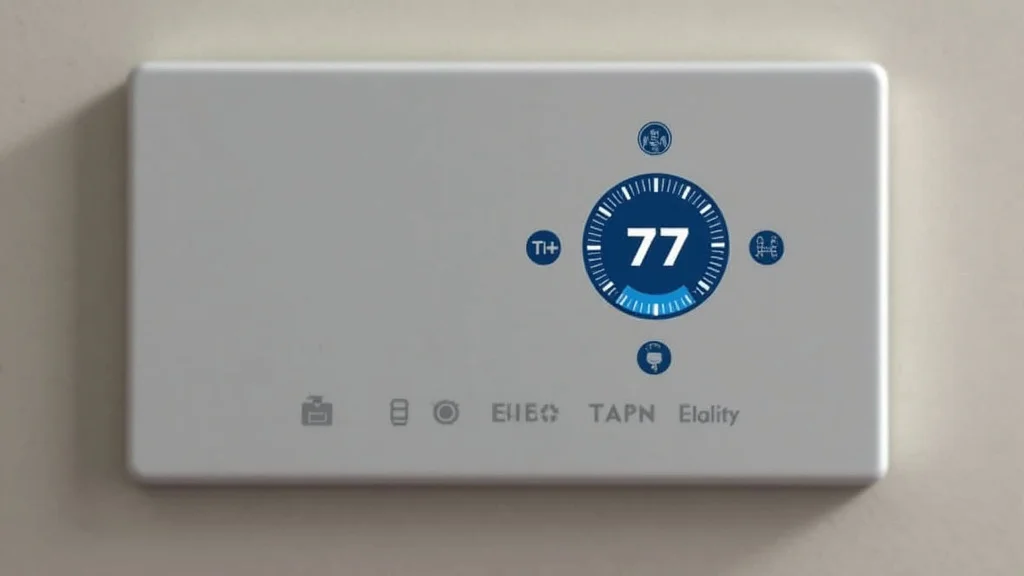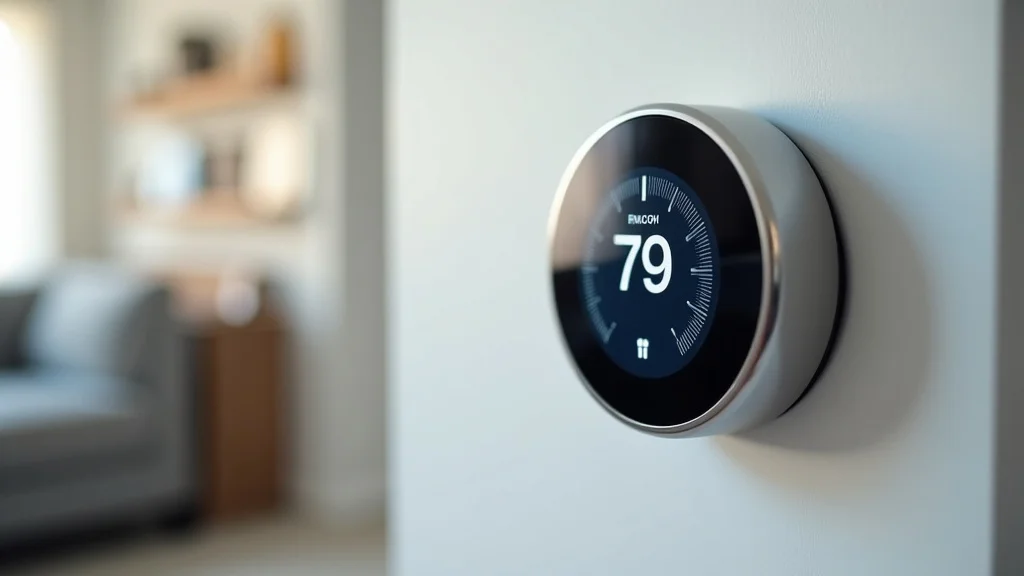
Picture this: You’re cozy on the couch, but the house is getting a little chilly. Instead of getting up, you simply adjust the temperature with your phone! This is the everyday convenience a smart thermostat offers. This blog post explores the exciting world of a smart thermostat demo, showing you how these devices work, what features they have, and the advantages of upgrading your home. You’ll gain valuable insights into energy savings and improved comfort. By the end, you’ll be well-informed to make a decision about whether a smart thermostat is right for you, making this a worthwhile read for anyone interested in home automation.
Key Takeaways
- Understand the fundamental operations of a smart thermostat.
- Discover the main features and benefits of installing a smart thermostat.
- Learn about the potential savings on energy bills.
- Get to know practical tips for integrating a smart thermostat into your home.
- Explore which smart thermostat is best for your unique needs.
- See how to troubleshoot common issues with smart thermostats.
Understanding Smart Thermostat Technology
Smart thermostats are much more than just digital upgrades of traditional thermostats. They represent a significant leap forward, utilizing internet connectivity, sophisticated sensors, and intelligent algorithms to offer a level of control and efficiency previously unattainable. They can learn your preferences, adapt to your schedule, and even predict your energy needs. This functionality provides a more comfortable and energy-efficient experience.
The Core Components
The core of a smart thermostat is its central processing unit (CPU), which is responsible for managing all operations. This includes receiving data from sensors, communicating with the internet, and controlling your heating, ventilation, and air conditioning (HVAC) system. The built-in sensors constantly monitor temperature and sometimes humidity, light, and motion. These sensors provide the data the thermostat needs to regulate your home’s climate accurately. A Wi-Fi module is essential for the thermostat’s connectivity, allowing it to communicate with your home network and access the internet. This allows for remote control and access to features like weather updates and energy-saving programs. Smart thermostats also use a user interface, either a touchscreen on the device itself or a dedicated app on your smartphone or tablet, to configure settings, view energy usage data, and customize schedules.
- Central Processing Unit (CPU): The ‘brain’ of the thermostat, managing all functions.
- Sensors: Used to monitor environmental conditions.
- Wi-Fi Module: Enables internet connectivity for remote control and more.
- User Interface: Allows you to control and monitor the thermostat.
The CPU is the central component that manages every aspect of the smart thermostat’s operations. It interprets data from the sensors, processes user inputs, and controls the HVAC system. The CPU also coordinates the Wi-Fi connection for remote control and access to data from the internet. Moreover, it processes the algorithms that enable the smart thermostat to learn your preferences and automatically adjust the temperature to optimize comfort and energy savings. The efficiency and intelligence of the CPU dictate how effective the thermostat is at conserving energy and responding to your unique needs.
Sensors are critical, acting as the ‘eyes and ears’ of the smart thermostat. They constantly gather data about your home’s environment, focusing on temperature as the primary metric. Some also measure humidity, which can affect perceived comfort levels. Advanced models may include motion sensors to detect occupancy, allowing the thermostat to adjust settings to save energy when a space is empty. These sensors send continuous streams of information to the CPU, which uses this data to make smart adjustments to your home’s climate. The accuracy and responsiveness of these sensors are essential for ensuring the thermostat functions reliably and efficiently.
The Wi-Fi module is the connection to the internet, giving you the ability to remotely control and monitor your smart thermostat from anywhere. This feature lets you adjust the temperature, view energy usage, and receive alerts directly from your smartphone or tablet. Additionally, the Wi-Fi module facilitates the download of software updates, which can introduce new features, improve performance, and enhance security. The Wi-Fi connection also allows the smart thermostat to integrate with other smart home devices and services, such as voice assistants, weather forecasts, and energy companies, making your home even more adaptable.
The user interface is your primary way of interacting with the smart thermostat. This can take the form of a touchscreen directly on the device or a mobile app on your smartphone or tablet. It allows you to set temperature preferences, create schedules, and view reports on energy consumption. The interface provides real-time information and feedback on the system’s performance. The design and intuitiveness of the user interface play a crucial role in the user experience, making it easier to manage and gain control over your home’s comfort and energy use. A well-designed interface ensures effortless operation and enhanced enjoyment.
Features of a Smart Thermostat Demo
A smart thermostat demo showcases the different features that these devices offer. The experience helps you grasp how these features can improve your home life. Features enhance convenience, increase savings, and contribute to sustainability.
Remote Access and Control
One of the most praised features of smart thermostats is the capability for remote access and control, allowing users to manage their home’s climate from anywhere using their smartphones, tablets, or even through voice commands via smart home assistants. This remote access offers great flexibility and convenience. Imagine you are traveling and need to change the temperature settings; you can do so through the corresponding app. This functionality is especially useful when your routine or daily needs change. It helps you save on energy bills by preventing excessive heating or cooling when the house is empty. Some smart thermostats also offer geofencing, which automatically adjusts the temperature based on your location.
- Convenience of Adjusting Temperature from Anywhere: This is a key advantage.
- Integration with Smart Home Assistants: Control via voice commands enhances usability.
- Geofencing Capabilities: Automatically adjusts temperature based on your location.
The convenience of adjusting the temperature from any location, using a smartphone or other connected device, is an essential feature of smart thermostats. This feature allows you to ensure comfort by making modifications to the climate settings remotely. If you’re running late, you can turn up the heat or air conditioning. Moreover, this flexibility reduces energy waste by enabling you to manage your home’s climate settings from anywhere at any time. This adaptability results in a more efficient use of energy, creating a sustainable environment for the home.
Most smart thermostats connect with popular smart home assistants, such as Amazon Alexa, Google Assistant, and Apple HomeKit. This feature allows voice control, enhancing the user experience. You can easily adjust the temperature by simply speaking, such as by saying, ‘Alexa, set the thermostat to 72 degrees.’ This integration promotes a hands-free experience. This integration allows effortless interaction and streamlines home automation. It’s a huge benefit to those with limited mobility and adds ease to everyday tasks.
Geofencing utilizes your smartphone’s location to automatically manage your thermostat settings. This feature enables the smart thermostat to know when you are approaching or leaving home. When you are a certain distance from your house, the thermostat will change the temperature to pre-set settings. This saves energy. For example, the thermostat will adjust to an energy-saving mode when you leave and resume the set temperature when you are back. This automation can optimize energy use by reducing unnecessary heating or cooling when you are away and ensuring the house is comfortable upon your return.
Learning and Adaptive Schedules
Smart thermostats stand out for their ability to learn your habits and adapt to your schedule. Using intelligent algorithms, these devices analyze your daily routines and adjust the temperature settings accordingly. They also offer the option to program specific schedules that cater to your needs. This adaptive nature leads to a more comfortable living environment while also increasing energy efficiency.
- Analyzing Your Daily Routines: Understands your schedule and preferences.
- Automated Temperature Adjustments: Adapts to your schedule automatically.
- Customizable Schedules: Manually program schedules if desired.
The thermostat ‘learns’ by observing your routine and temperature preferences over time. It can recognize the times you’re typically home and awake, as well as when you are likely to be asleep or away. This analysis allows the thermostat to tailor its adjustments to match your lifestyle. The thermostat’s ability to learn leads to a more personalized and comfortable living experience. The thermostat gradually optimizes its settings to meet your needs and reduce energy consumption. The goal is to maximize efficiency and convenience, with minimal input from the user.
Based on the analysis of your routines, the smart thermostat adjusts the temperature automatically, ensuring comfort when you are home. For example, it might start heating the house before your usual waking time. The automation means you can avoid having to continually adjust the thermostat, providing a ‘set it and forget it’ approach to climate control. It also ensures energy savings because the system can reduce heating or cooling when the house is empty, or during times when temperature adjustments are not needed. It provides a more energy-efficient and comfortable environment.
In addition to learning and automated adjustments, smart thermostats give the ability to manually program schedules. This feature is useful if you have a non-traditional or irregular schedule. You can set the thermostat to maintain specific temperatures at certain times of the day or week. This allows for total control over the climate control system. Manual scheduling can meet unique needs. You can manually adjust the thermostat’s settings according to your schedule. This flexibility makes a smart thermostat adaptable to all types of lifestyles.
Energy Saving Features
Smart thermostats have several energy-saving features designed to minimize energy consumption. These features have a positive effect on your utility bills. By leveraging these functions, you can significantly reduce your environmental footprint, contribute to a sustainable living environment, and experience financial savings.
- Energy Usage Tracking and Reports: Monitors and provides insights into energy use.
- Smart Alerts and Notifications: Alerts regarding unusual energy consumption or system problems.
- Integration with Energy Saving Programs: Participate in utility company programs.
Smart thermostats often include a feature to track and report on your energy consumption. You can monitor how much energy you use over time, often broken down by day, week, or month. These reports show consumption patterns and highlight areas where you could improve. This functionality offers detailed information about your energy habits, empowering you to make informed decisions about your energy usage. By tracking energy use, you can identify trends and modify settings to use energy more efficiently, which in turn leads to cost savings and reduced environmental impact.
Many smart thermostats provide smart alerts and notifications that inform you of unusual energy consumption or potential system problems. For example, you may receive an alert if your HVAC system runs for an unusually long time, or if the temperature in your home deviates significantly from your set points. These alerts enable you to troubleshoot issues. In some cases, the thermostat might detect a problem with your system and offer suggestions for solutions. By staying informed about your system’s performance, you can prevent major issues. This functionality ensures your system operates at peak efficiency.
Many smart thermostats connect to energy-saving programs offered by utility companies. This integration allows the thermostat to automatically adjust the temperature based on the utility company’s needs, often during peak demand times. In exchange, the utility may provide rebates, discounts, or other incentives. This is a mutually beneficial arrangement. It helps reduce overall energy demand. These programs not only benefit the utility companies, but they can also offer financial and environmental advantages for users. Participating in these programs contributes to grid stability and supports sustainable energy practices.
Implementing a Smart Thermostat
Switching to a smart thermostat isn’t just about the technology; it is about improving the way you manage your home’s comfort and energy use. Successful implementation relies on proper installation, integration with other smart home systems, and the ability to customize settings to match your specific needs. By taking the right approach, you can maximize the benefits and ensure a seamless transition.
Installation and Compatibility
Installing a smart thermostat typically involves replacing your existing thermostat. Many are designed to be user-friendly, with straightforward installation guides. It is important to confirm compatibility with your home’s HVAC system. This includes the type of system you have (forced air, radiant, etc.) and your wiring setup. Correct installation ensures the smart thermostat works efficiently and safely.
- Checking Compatibility with Your HVAC System: Essential for proper functionality.
- The Wiring Process: Step-by-step instructions.
- Professional Installation Considerations: When to seek help.
The first step in implementing a smart thermostat is to verify compatibility with your HVAC system. Different systems require various wiring configurations. Check the specifications for the smart thermostat to see if it supports your type of HVAC system (furnace, air conditioner, heat pump). You’ll also need to consider the voltage requirements of your system and verify that your existing wiring is suitable. If the wiring seems complex, it is best to consult with an HVAC professional. Compatibility helps guarantee that the smart thermostat will work correctly and will not damage your system.
Carefully follow the manufacturer’s instructions to properly connect the wires. You should disconnect power to the HVAC system before beginning the process. Note the existing wire configuration on your old thermostat. The smart thermostat will provide clear labeling. Match each wire from your old thermostat to the corresponding terminals on the new thermostat. After wiring, re-engage the power. The smart thermostat will guide you through the initial setup, including connecting to your Wi-Fi network and configuring basic settings.
If you’re unsure about the wiring or if your HVAC system is complex, it’s wise to hire a professional. An HVAC technician will have the skills and tools. They will ensure the thermostat is installed properly. A professional ensures that the new thermostat is safe and effective. They can also provide guidance on making the most of the thermostat’s features. This will provide you peace of mind that your system is functioning correctly, and can help resolve any issues quickly. It is worth the cost if you’re uncomfortable with electrical work.
Integrating with Other Smart Home Devices
The ability of smart thermostats to integrate with other smart home devices is a key factor. Such integration allows you to create a holistic and user-friendly home automation system. For example, your thermostat can sync with your smart lighting system. When you’re away from home, the lights and thermostat can work together to save energy. The result is a more convenient and efficient smart home environment.
- Connecting to Smart Home Hubs: Central control of all devices.
- Creating Automated Routines and Scenes: Customizing home behavior.
- Voice Control Integration: Seamless control.
Many smart thermostats are compatible with popular smart home hubs like Samsung SmartThings, Apple HomeKit, and Amazon Alexa. Connecting your thermostat to a hub allows you to control it along with your other smart devices from a single interface. This makes it easier to create and manage automated routines and scenes. For example, you could set up a routine to lower the temperature and turn off the lights when you leave for work. The hub can coordinate actions across multiple devices to improve both comfort and convenience, streamlining your smart home.
With smart home integration, you can set up automated routines and scenes. These routines automate specific actions across multiple devices. For instance, you could set up a ‘Good Night’ scene that lowers the thermostat temperature, locks the doors, and turns off the lights. Such automated functionality streamlines daily activities. It promotes energy efficiency. Using your daily habits and preferences, you can easily control how your home responds to various triggers, such as time of day, your location, or the status of other smart devices.
Voice control is a key part of smart home automation. Most smart thermostats integrate with voice assistants like Amazon Alexa, Google Assistant, and Apple Siri. This allows you to control your thermostat with simple voice commands, adjusting the temperature, checking energy usage, and more. This voice control provides a hands-free experience. If your hands are occupied, it will also provide a convenient way to manage your home’s environment. This hands-free control creates a convenient and seamless experience.
Customization and Optimization
The main benefit of a smart thermostat is the ability to adjust the settings to match your personal preferences and schedule. You can fine-tune the operation of the thermostat to fit your lifestyle, which will maximize comfort and energy efficiency. By adapting the settings to your requirements, you can enhance the utility and effectiveness of the device.
- Setting Up Schedules and Temperature Preferences: Tailor your comfort.
- Fine-tuning for Energy Efficiency: Maximize savings on your energy bills.
- Using Smart Home Learning Algorithms: Let the thermostat adjust.
Setting up schedules and temperature preferences is essential for customizing your smart thermostat. You can create different schedules for weekdays, weekends, and even specific times of the day to match your routine. For example, you can set the thermostat to lower the temperature while you are asleep and increase it shortly before you wake up. You can adjust the temperature to fit your personal comfort level. By adjusting the settings, you can greatly improve your home’s comfort and reduce energy consumption.
Besides setting up your comfort, you should fine-tune your settings to optimize energy efficiency. Smart thermostats offer features like ‘away modes’ and geofencing. These features can automatically adjust the temperature when you are away from home. You can track your energy usage in the thermostat’s reports to help understand consumption patterns. Making small adjustments to the temperature settings and scheduling will result in energy savings. Over time, these fine-tuned settings allow for more efficient use of energy, reducing utility bills.
Many smart thermostats have learning algorithms that learn from your behavior and adjust to your routines. After a learning period, the thermostat will begin to adjust its schedule based on your typical habits. You can allow the thermostat to take care of the heavy lifting. You can make adjustments to the schedule as needed, and the thermostat will quickly adapt. This will provide you with a high level of comfort without having to manually set the schedules constantly. The learning algorithms provide a convenient, automated, and personalized experience.
Common Myths Debunked
Myth 1: Smart Thermostats Are Difficult to Install
While some people assume installing a smart thermostat is complex, it’s often a straightforward process. Most modern smart thermostats are designed for easy installation, with detailed instructions and step-by-step guides. In most cases, you can install one using the existing wiring from your old thermostat. If you’re not comfortable with electrical work, professional installation is always an option, but it’s not always necessary.
Myth 2: Smart Thermostats Only Benefit Homeowners
Although smart thermostats are indeed beneficial for homeowners, they offer some advantages to renters too. Renters can enhance their living experience and potentially reduce energy costs. They provide convenience and control over temperature settings. Depending on the lease terms and if your landlord agrees, it may be possible to install a smart thermostat. It improves overall comfort and could lead to savings, even if those savings mostly benefit the landlord.
Myth 3: Smart Thermostats Are Not Secure
There is a worry about the security of smart home devices, and smart thermostats are no exception. Leading manufacturers invest heavily in security to protect against potential threats. Smart thermostats typically use encryption to protect data transmission and employ security protocols to protect your home network. Although no system is entirely invulnerable, the risk of a security breach with a smart thermostat is low, especially if you follow security best practices, like using a strong password.
Myth 4: Smart Thermostats Only Work with Modern HVAC Systems
Contrary to the belief that smart thermostats require cutting-edge HVAC systems, they’re often compatible with a broad range of systems, including older ones. Many smart thermostats work with different HVAC setups, from furnaces and air conditioners to heat pumps. Compatibility depends on factors such as the voltage and number of wires, which should be checked before purchase. You can often modernize your home’s climate control without replacing your entire HVAC system.
Myth 5: Smart Thermostats Provide Huge Energy Savings Immediately
Although smart thermostats have the potential to save you money on energy bills, immediate and substantial savings are not always guaranteed. The actual savings depend on several factors, including your existing thermostat setup, your usage habits, and the climate where you live. While smart thermostats can significantly improve energy efficiency through automated scheduling and energy-saving features, it may take some time to see the savings. Over time, the energy-saving features can result in significant benefits to your energy bills.
Frequently Asked Questions
Question: How do smart thermostats learn your preferences?
Answer: Smart thermostats use built-in algorithms and sensors to monitor your temperature adjustments and daily routines. Over time, the thermostat learns your comfort preferences and creates schedules accordingly.
Question: Can I control my smart thermostat from anywhere?
Answer: Yes, you can control your smart thermostat from anywhere via a smartphone app or web interface, provided you have an internet connection.
Question: Are smart thermostats compatible with all HVAC systems?
Answer: Most smart thermostats work with a wide range of HVAC systems. Before purchasing, check the compatibility information to ensure it works with your specific system.
Question: Do smart thermostats require a subscription?
Answer: No, the basic functionality of a smart thermostat does not usually require a subscription. However, some advanced features or integrations with energy providers may have associated fees.
Question: How secure are smart thermostats?
Answer: Smart thermostats typically use encryption and security protocols to protect data. Be sure to use a strong password and keep the firmware updated to maximize security.
Final Thoughts
A smart thermostat demo gives a great overview of the many advantages these devices offer. They provide comfort, convenience, and energy savings. From the ease of remote access to the adaptive learning capabilities, these thermostats provide a modern take on home climate management. They will integrate with other smart devices, automating and simplifying your home. With the potential for lower energy bills and a more comfortable living environment, a smart thermostat can be a great investment. Consider how your lifestyle could benefit from features like remote control, automated scheduling, and energy usage tracking. Evaluate your current energy consumption habits and assess how a smart thermostat can improve your home life. You will be able to maximize its potential and enjoy a smarter and more efficient home.