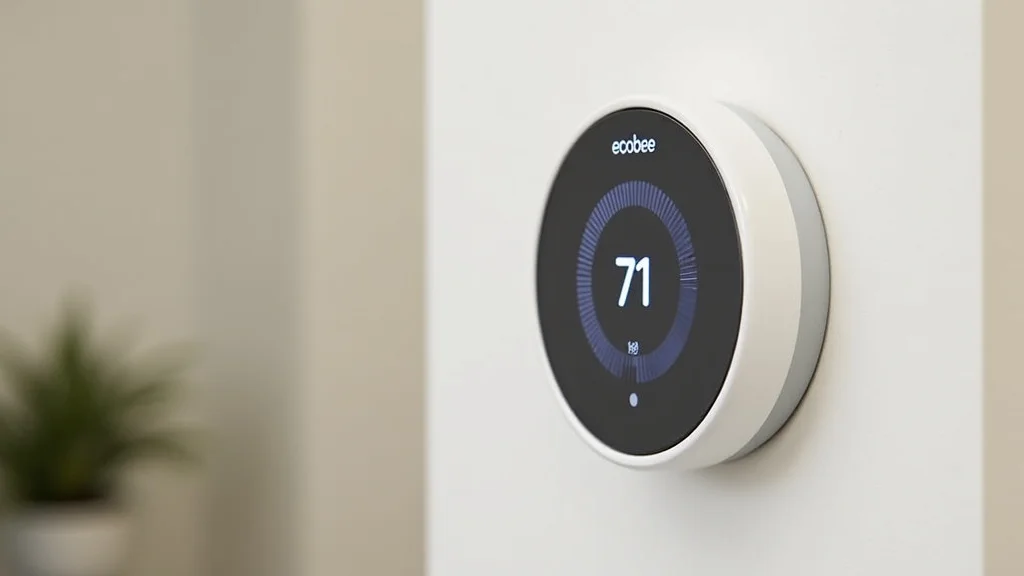
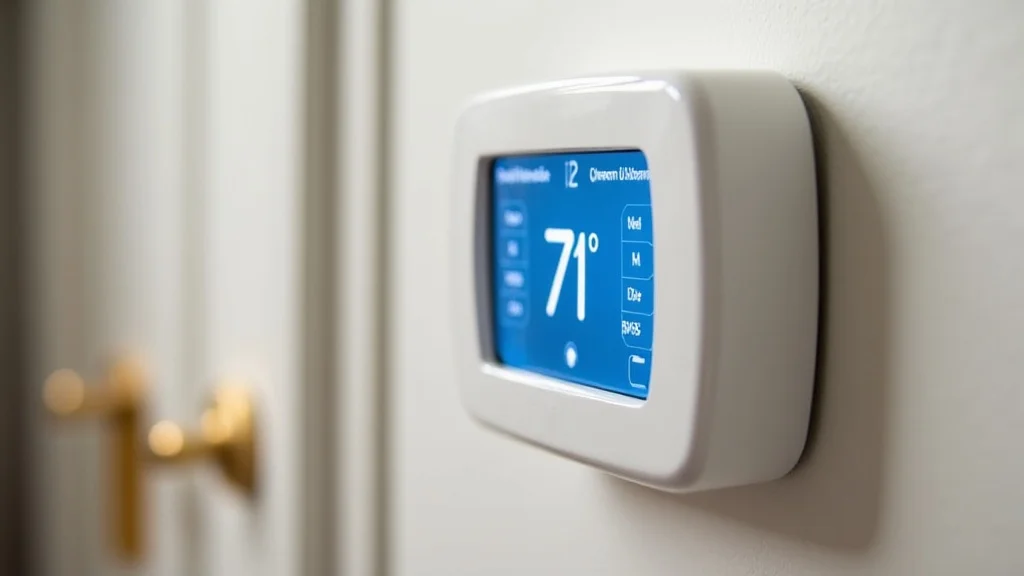
Remember that winter morning when you woke up freezing, the thermostat having inexplicably decided to lower the temperature overnight? Or perhaps the opposite, where the house was scorching hot because someone forgot to adjust the settings before leaving? These scenarios, and many others, highlight the need for better temperature control in our homes. Enter the smart thermostat. These innovative devices promise not only comfort but also substantial smart thermostat energy savings. This post will show you how these devices work and how you can significantly reduce your energy bills. You’ll learn the key benefits of these technologies and discover practical tips to maximize your home’s energy efficiency. Prepare to optimize your energy usage and see real-world results.
Key Takeaways
- Smart thermostats learn your habits to automatically adjust temperatures, minimizing energy waste.
- They offer remote access, allowing you to control your home’s climate from anywhere using a smartphone.
- Geofencing capabilities automatically adjust temperatures based on your location.
- Detailed energy reports help you monitor your consumption patterns and identify areas for improvement.
- Smart thermostats integrate with other smart home devices, creating a unified energy-efficient system.
- You can often qualify for rebates and incentives from utility companies by installing a smart thermostat.
How Smart Thermostats Work to Save Energy
The core function of a smart thermostat involves learning and adapting. Unlike traditional thermostats that simply maintain a set temperature, smart thermostats gather data about your daily routines, preferences, and home’s environment. They use sensors to monitor factors like indoor and outdoor temperatures, humidity, and the presence of people in the house. This information is processed by advanced algorithms that predict your heating and cooling needs. The thermostat then automatically adjusts the temperature to provide optimal comfort while minimizing energy consumption. For example, it might learn to lower the temperature while you are asleep or away at work, then automatically warm your home before you return. This intelligent automation is the foundation of smart thermostat energy savings.
Learning Algorithms and Automation
Smart thermostats utilize sophisticated learning algorithms, the brains behind their energy-saving capabilities. These algorithms analyze your historical usage data to create a personalized schedule. They begin by gathering data over a period, perhaps a week or two, to understand your typical temperature preferences and daily routines. For example, if you consistently set the temperature to 70 degrees Fahrenheit during waking hours and 65 degrees at night, the thermostat will learn this pattern. The thermostat adjusts the settings to optimize for energy savings. This intelligent automation means you don’t need to manually adjust the thermostat, saving both time and effort.
- Data Collection: The thermostat records temperature settings, time of day, and occupancy patterns. Sensors detect factors like sunlight and room temperature variations.
- Pattern Recognition: Advanced algorithms analyze the collected data to identify regular trends and predict future needs. They establish how long it takes to heat or cool your home.
- Adaptive Scheduling: The thermostat creates a personalized heating and cooling schedule, automatically adjusting the temperature based on the learned patterns. You can also customize the schedule.
- Predictive Capability: Based on historical data, the thermostat predicts when to pre-heat or pre-cool your home before you return, ensuring comfort without wasted energy.
Consider a scenario where a family typically leaves for work and school at 8 AM and returns around 5 PM. A smart thermostat, after observing this pattern, would automatically lower the temperature at 8 AM to conserve energy and begin warming the house around 4:30 PM, so it’s comfortable when they arrive. This automation eliminates the need for manual adjustments, making the process seamless. The learning process also extends to environmental factors. For example, if a room receives a lot of sunlight, the thermostat might adjust the cooling settings accordingly.
Geofencing and Remote Access
Beyond learning your habits, smart thermostats offer features like geofencing and remote access. Geofencing uses your smartphone’s location to determine when you are approaching or leaving your home. When you are away, the thermostat can automatically adjust the temperature to an energy-saving setting, and then return to your preferred temperature when you are on your way back. Remote access allows you to control your thermostat from anywhere using your smartphone, tablet, or computer. If you have an unexpected delay or change in plans, you can adjust the temperature remotely to ensure the comfort of your home without wasting energy. The combination of these features creates a powerful tool for smart thermostat energy savings.
- Geofencing: Uses your smartphone’s GPS to determine your location relative to your home. When you leave, the thermostat enters energy-saving mode; when you return, it returns to your preferred settings.
- Remote Control: Allows you to adjust the temperature, set schedules, and monitor energy usage from anywhere with an internet connection. Adjusting the thermostat from your phone provides convenience.
- Integration with Smart Home Systems: Works with other devices to create a more efficient home. Integrations can range from lighting control to security systems.
- Notifications and Alerts: You receive alerts if there are issues or if energy consumption exceeds a threshold. These alerts may inform you of equipment malfunctions.
Imagine you’re on vacation and realize you left the thermostat at its normal setting. With remote access, you can easily lower the temperature to conserve energy, ensuring your home isn’t unnecessarily heated or cooled while you’re away. Alternatively, imagine you are running late from work and want your home to be comfortable when you arrive. You can use remote access to turn up the heat or cool down the air before you return, ensuring maximum comfort and energy efficiency. These features provide a level of flexibility and convenience that traditional thermostats cannot match.
Benefits of Using a Smart Thermostat
The advantages of smart thermostats extend beyond mere convenience. They offer real, measurable benefits that can significantly improve your home life. Primarily, they provide substantial energy savings. They also contribute to greater comfort, offer enhanced control over your home’s environment, and provide valuable insights into your energy consumption habits. Smart thermostats integrate with other smart home devices to create a more efficient living space. These devices offer features like voice control integration. This provides hands-free control of your home’s temperature, providing a more intuitive experience.
Energy Savings and Cost Reduction
The primary advantage of smart thermostats is the potential for significant energy savings, translating directly into lower utility bills. By optimizing heating and cooling schedules, these thermostats prevent energy waste, reducing the amount of power needed to maintain a comfortable temperature. They automatically adjust the temperature based on your occupancy patterns. This intelligent functionality reduces energy use when you are away. Some smart thermostats provide detailed energy reports, which allow you to track your energy usage over time and identify areas for improvement. Data can guide your decisions regarding smart thermostat energy savings.
- Optimized Heating and Cooling Schedules: Automatically adjusts the temperature based on your schedule, avoiding heating or cooling an empty home.
- Reduced Energy Waste: Prevents energy loss by automatically lowering the temperature when you are away or asleep.
- Detailed Energy Reports: Provides insights into your energy consumption patterns, helping you to identify opportunities for further savings.
- Potential Rebates and Incentives: Many utility companies offer rebates or incentives for installing smart thermostats. Check local utility programs for eligibility.
Consider a household that is often away from home during the day. By automatically lowering the temperature during these hours, a smart thermostat can save a considerable amount of energy. For example, if a home is heated by natural gas, even a small reduction in the heating bill can lead to significant cost savings over a year. The U.S. Department of Energy estimates that by properly managing your thermostat, you can save approximately 10% on your energy bill. The installation costs of a smart thermostat are often quickly offset by the energy savings achieved.
Improved Comfort and Convenience
Smart thermostats are not just about saving energy; they also significantly improve home comfort and convenience. They allow you to set your preferred temperatures and maintain them more consistently. The automated features ensure your home is always at the right temperature when you arrive, whether that’s after work or returning from a trip. Features like remote control and geofencing further enhance convenience. This makes it easy to manage your home’s climate from anywhere. They also provide precise temperature control. They maintain consistent temperatures throughout your home, eliminating the temperature swings common with older thermostats.
- Precise Temperature Control: Maintains consistent temperatures, eliminating the temperature fluctuations typical of traditional thermostats.
- Personalized Comfort: Learns your preferences and adjusts the temperature to your needs. Create custom schedules and save on energy costs.
- Remote Access and Control: Allows you to adjust the temperature from anywhere using your smartphone, ensuring your home is always comfortable.
- Seamless Integration: Integrates with other smart home devices, creating a unified and convenient home environment.
Imagine waking up in the morning to a perfectly heated or cooled house, without having to manually adjust the thermostat. Or returning home after a long day to a comfortable environment, pre-heated or pre-cooled to your liking. Smart thermostats provide this level of comfort and convenience, taking the guesswork out of temperature control. The ability to control your thermostat remotely means you can adjust settings on the fly. Whether your day takes unexpected turns, you can always ensure that your home provides the comfort and support you need.
Installation and Setup
Installing and setting up a smart thermostat is usually a straightforward process. However, the exact steps can vary depending on the model you choose and your existing HVAC system. Typically, the process involves removing your old thermostat, wiring the new one, and connecting it to your Wi-Fi network. After the physical installation, you will configure the device through a mobile app or web interface, setting up schedules and preferences. Most smart thermostats come with detailed instructions and support resources. This makes the process manageable for most homeowners, even those with limited technical experience. The ease of setup helps make smart thermostat energy savings readily available.
Physical Installation Process
The physical installation process typically begins with shutting off the power to your HVAC system at the circuit breaker. This is a critical safety step that ensures you don’t risk electric shock during the installation. Next, you remove the cover of your old thermostat and take a picture of the wiring. This picture will serve as a reference when you connect the wires to the new smart thermostat. Disconnect the wires from the old thermostat, labeling them if needed, and attach them to the corresponding terminals on the new device. Finally, mount the new thermostat on the wall, and restore power to the HVAC system.
- Turn Off Power: Locate the circuit breaker for your HVAC system and turn it off to ensure safety.
- Remove the Old Thermostat: Remove the cover of your old thermostat, and take a photo of the wiring setup for reference.
- Disconnect and Label Wires: Carefully disconnect the wires from your old thermostat, labeling each wire to match its corresponding terminal.
- Wire the Smart Thermostat: Connect the wires to the appropriate terminals on your new smart thermostat, using the photo as a reference.
- Mount and Power Up: Mount the new thermostat on the wall, then restore power at the circuit breaker.
Before beginning, consult your smart thermostat’s instructions, or look up a YouTube tutorial that relates to your specific model. Most smart thermostats are designed to be compatible with a wide range of HVAC systems. However, some systems might require additional adapters or professional installation. If you are not comfortable with electrical work, it’s always best to hire a qualified professional to ensure a safe and proper installation. After installation, the setup process will be simplified.
Software Setup and Configuration
After the physical installation, the next step involves setting up the smart thermostat’s software. This typically involves downloading the manufacturer’s mobile app on your smartphone or tablet. The app will guide you through the process of connecting the thermostat to your home’s Wi-Fi network. Once connected, you will create an account and register your thermostat. This enables the device to communicate with the manufacturer’s servers and your mobile devices. Configure your settings, including your preferred temperature settings, energy-saving schedules, and any additional smart home integrations. Most apps provide helpful tutorials and guidance, making the setup process straightforward.
- Download the App: Download the mobile app from the manufacturer’s website. These apps are available for both iOS and Android.
- Connect to Wi-Fi: Follow the on-screen instructions to connect your thermostat to your home’s Wi-Fi network.
- Create an Account: Set up an account and register your thermostat to manage it from your device.
- Configure Settings: Customize your temperature preferences, and set up your energy-saving schedule.
- Integrate with Other Devices: Connect your thermostat with other smart home devices.
The app will often walk you through the process of setting up schedules, geofencing, and other features. This allows you to fully utilize the thermostat’s energy-saving capabilities. You may also be able to integrate your smart thermostat with other smart home devices, such as smart speakers or home automation systems. The goal is to maximize efficiency and convenience. During the setup process, carefully read the instructions, and make sure that all the settings are configured correctly to get the most out of your smart thermostat energy savings.
Choosing the Right Smart Thermostat
With numerous smart thermostat options available, choosing the right one for your home and needs can seem challenging. Several factors should be considered, including compatibility with your HVAC system, features like remote access and geofencing, and the overall user experience. Price is also a consideration, as smart thermostats vary in cost. The long-term savings in energy bills will often offset the initial investment. Research different models and compare their features to determine which one best fits your specific requirements and budget. You should also consider reviews and ratings from other users to assess the overall performance and reliability of each model.
Compatibility and Features
Before purchasing a smart thermostat, ensure it is compatible with your existing HVAC system. Most smart thermostats are designed to work with standard heating and cooling systems. However, some systems, especially older or more specialized models, may require additional adapters or may not be compatible at all. Check the thermostat’s specifications to confirm its compatibility before making a purchase. Also, consider the features that are most important to you. Remote access and geofencing are common features that enhance convenience and energy savings. Additional features, such as smart home integration or detailed energy reports, might also influence your decision.
- System Compatibility: Verify that the thermostat is compatible with your heating, ventilation, and air conditioning system (HVAC). Check the thermostat’s specification.
- Remote Access: Make sure the thermostat allows you to control it from anywhere using a smartphone. The ease of remote control is critical.
- Geofencing: Ensure the thermostat uses your smartphone’s location to automatically adjust the temperature. Geofencing is helpful for energy savings.
- Smart Home Integration: Look for a thermostat that integrates with other smart home devices, such as smart speakers or home automation systems.
- Energy Reporting: Choose a thermostat that provides detailed energy reports to monitor your consumption. This data can help you optimize usage.
Consider the size and layout of your home. If you have a large house or multiple zones, you might want to consider a smart thermostat system that supports multiple thermostats. This will allow you to control the temperature in each zone independently, further enhancing comfort and energy efficiency. Read reviews. They often reveal potential problems, helping you choose the best smart thermostat for your home. You can often make a more informed choice by comparing these key features.
Budget and User Experience
The price of a smart thermostat can range from affordable to premium. Consider your budget when evaluating different models. While the initial investment can vary, remember that the long-term energy savings often offset the cost over time. Look for models that offer a good balance of features and affordability. User experience is another important factor. The thermostat’s interface should be intuitive, with easy-to-understand controls and clear displays. Read reviews and watch video demonstrations to get a sense of the user experience before purchasing. Consider the mobile app’s ease of use, as you will likely be using the app frequently to control your thermostat and monitor your energy usage.
- Price: Establish a budget, and look for thermostats that offer a balance of features and cost.
- User Interface: Prioritize thermostats with an intuitive and easy-to-use interface.
- Mobile App: The mobile app should be user-friendly with clear controls.
- Reviews and Ratings: Read reviews to understand the experiences of other users.
- Warranty and Support: Check the warranty and customer support options provided by the manufacturer.
Choosing a smart thermostat is a blend of practical considerations. You can consider rebates or incentives. These reduce your investment. Consider your needs and prioritize features to find the best smart thermostat for your home. Prioritize the user experience, as a user-friendly device will make it easier to manage and optimize your home’s energy consumption. By weighing these factors, you can make an informed decision and take a significant step toward achieving smart thermostat energy savings.
Common Myths Debunked
Myth 1: Smart Thermostats Are Difficult to Install
Many people believe that installing a smart thermostat is a complicated process that requires professional help. However, most smart thermostats are designed for easy installation, and the process is typically straightforward. Most models come with detailed instructions and easy-to-follow diagrams. If you can change a lightbulb, you can install a smart thermostat. Of course, if you’re uncomfortable with electrical wiring, consider hiring a professional. The simplicity of the installation is often one of the unexpected advantages.
Myth 2: Smart Thermostats Only Save Energy in Certain Climates
Some believe that smart thermostats are most effective in mild climates. This is incorrect. Smart thermostats can provide energy savings in any climate where heating or cooling is required. Whether you live in a warm, sunny environment or a cold, snowy area, smart thermostats can optimize your heating and cooling schedules to reduce energy consumption. These devices work by adapting to your routines and providing on-demand comfort, making them beneficial regardless of weather conditions. These devices provide benefits across the board.
Myth 3: Smart Thermostats Are Expensive to Maintain
While the initial cost of a smart thermostat might be higher than that of a basic, traditional model, the ongoing maintenance costs are generally low. Smart thermostats do not require significant maintenance. They operate by using the existing infrastructure of your home’s HVAC system. There are no expensive filters to replace. You might occasionally need to update the device’s firmware or replace the batteries, but these costs are minimal. Energy savings over time often significantly outweigh any minor maintenance expenses. You can realize a long-term return on your investment.
Myth 4: Smart Thermostats Are Vulnerable to Cybersecurity Threats
Concern exists about the security of smart home devices, including smart thermostats. While any device connected to the internet can be vulnerable to cyber threats, manufacturers are continually improving the security of their devices. Smart thermostats employ various security measures to protect user data. Choose reputable brands that prioritize security. These brands often include encryption and regular software updates. By taking basic security precautions, such as using strong passwords and securing your home network, you can minimize the risk of a security breach. You can significantly reduce the risk of cybersecurity issues.
Myth 5: Smart Thermostats Are Unreliable
There is a misconception that smart thermostats are unreliable and prone to malfunction. While some older or less reputable models may have had reliability issues, modern smart thermostats are generally very reliable. Top brands invest in rigorous testing and quality control. Most smart thermostats have excellent reviews. These devices are designed to operate dependably. With regular updates, the reliability of these devices continues to improve. With proper installation and maintenance, smart thermostats can provide years of reliable service and significant energy savings.
Frequently Asked Questions
Question: How much energy can I save with a smart thermostat?
Answer: Savings vary based on usage habits and climate, but you can typically expect to save around 10% to 20% on your heating and cooling costs.
Question: Can I control my smart thermostat from anywhere?
Answer: Yes, most smart thermostats offer remote access, allowing you to control and monitor your system from your smartphone, tablet, or computer, provided you have an internet connection.
Question: Do I need to be tech-savvy to use a smart thermostat?
Answer: No, smart thermostats are designed to be user-friendly, with intuitive interfaces and easy-to-use mobile apps.
Question: Will my smart thermostat work with my existing HVAC system?
Answer: Most smart thermostats are compatible with standard HVAC systems, but it’s important to check the specifications to confirm compatibility.
Question: Are there any privacy concerns with smart thermostats?
Answer: Reputable manufacturers prioritize data security and privacy. You can take steps to secure your home network and choose a device with strong security features.
Final Thoughts
Smart thermostat energy savings are a reality, offering significant benefits to homeowners. These devices offer both tangible savings and improved comfort. The combination of learning algorithms, geofencing, and remote access provides unmatched control over your home’s climate. The initial investment is usually quickly offset by reduced energy bills. Moreover, the ease of installation and user-friendly interfaces make them accessible to everyone. By choosing a smart thermostat, you can create a more comfortable, efficient, and convenient home. Take the first step toward greater energy efficiency today. Consider comparing various models to find one that aligns with your needs.