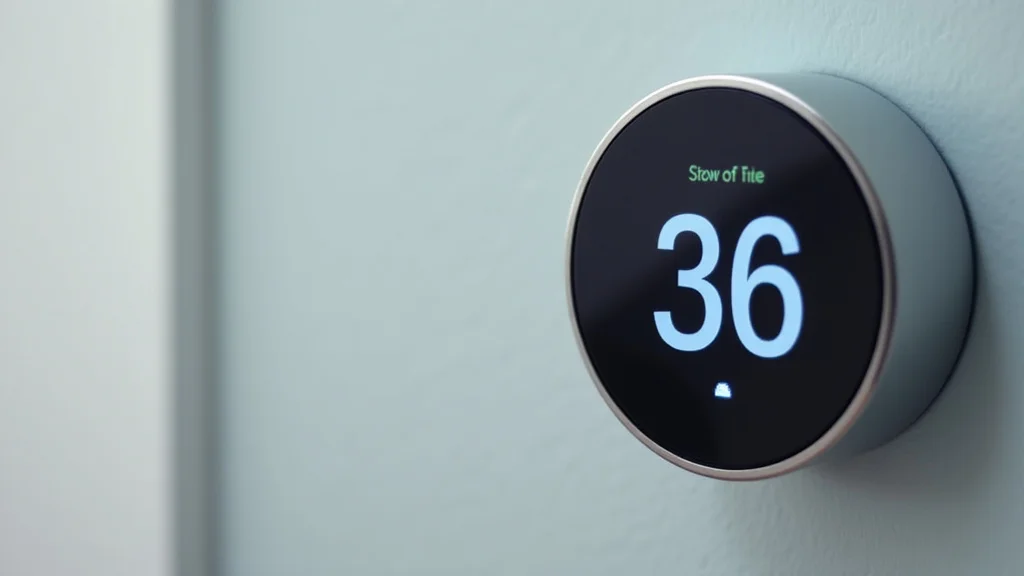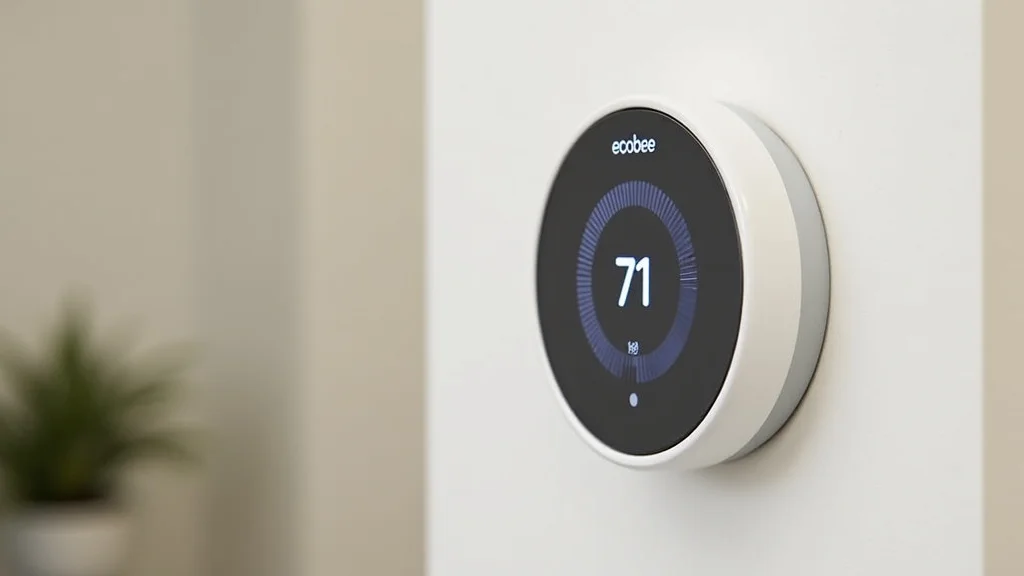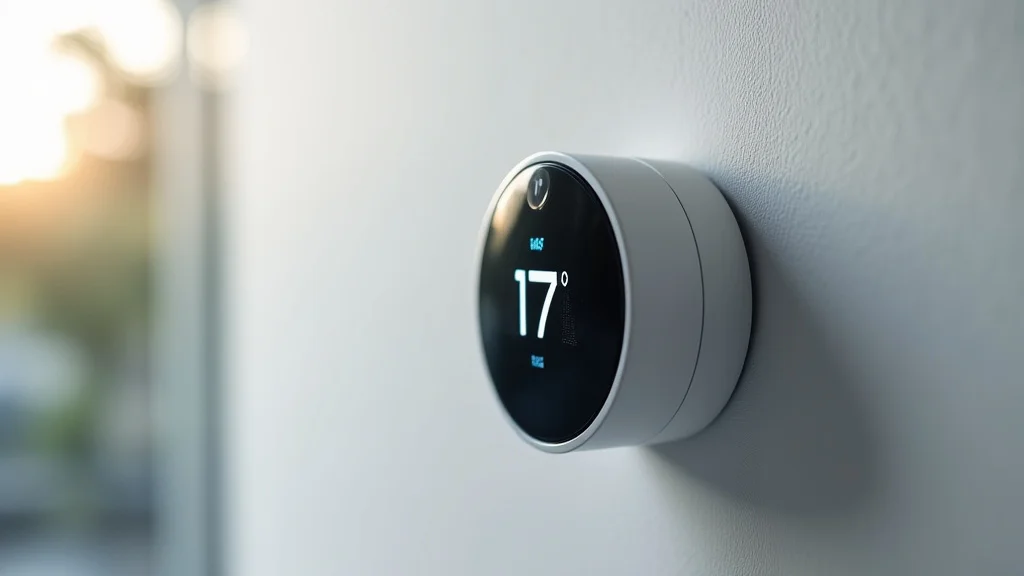
Picture this: you’re snuggled on the couch, the perfect temperature enveloping you, while outside, the weather is doing its unpredictable thing. You didn’t have to lift a finger, because your smart thermostat did it all. Now, imagine being able to visualize the inner workings of this comfort-providing device through a smart thermostat drawing. This post will give you a detailed walkthrough, helping you grasp the core principles. You will explore its functional aspects, and gain the skills to depict them in a drawing. Prepare to level up your knowledge and impress your friends. By the time you finish reading, you’ll have a clear picture of how these amazing gadgets function, improving your overall comprehension of their designs. This information is key to appreciating how technology can improve everyday life.
Key Takeaways
- Learn the fundamental components of a smart thermostat.
- Understand the relationship between the physical device and its digital interface.
- Discover how to create accurate smart thermostat drawing diagrams.
- Grasp the operational principles of temperature sensing and control.
- Explore the various design elements that make up a smart thermostat.
- Enhance your ability to visualize and represent technical concepts graphically.
Unpacking the Smart Thermostat
The modern smart thermostat isn’t just a simple on-off switch. It’s a sophisticated piece of technology designed to optimize your home’s climate control. From its sleek interface to its complex internal mechanisms, there’s a lot going on. A deeper exploration into its core elements will empower you to grasp the bigger picture. We’ll break down the basics, from the central processing unit (CPU) to the different sensors, making sure that every part gets a place in your visual representation. It’s more than just drawing lines; it’s about translating functionality into a clear, understandable visual format.
Essential Components of a Smart Thermostat
- Central Processing Unit (CPU): The brain of the thermostat, responsible for executing instructions and managing all functions.
- Temperature Sensors: Devices that measure the current temperature of the room and relay this information to the CPU.
- User Interface (UI): The screen and controls (touchscreen, buttons, or dial) that allow users to interact with the thermostat.
- Communication Module: Enables the thermostat to connect to a home network (Wi-Fi) for remote control and data transfer.
- Relay Switches: Control the on-off state of the heating, ventilation, and air conditioning (HVAC) system components.
- Power Supply: Provides the necessary electrical power to operate all the components.
The CPU is at the heart of the smart thermostat, much like the central nervous system in the human body. It receives input from the temperature sensors, the user interface, and the communication module. Based on this information, it makes decisions and sends signals to the relay switches to control the HVAC system. The CPU is essentially the decision-maker, managing all the processes involved in maintaining the desired temperature. It’s helpful to represent the CPU in your smart thermostat drawing as a central, highlighted element to show its critical role in the system. The power supply provides the lifeblood, the energy that fuels every function within the device.
Temperature Sensors and Their Role
- Types of Sensors: Thermistors, thermocouples, and resistance temperature detectors (RTDs) are common sensor types.
- Placement: Sensors are usually located within the thermostat housing, but some systems use remote sensors.
- Function: Sensors constantly monitor temperature and send signals to the CPU for comparison against set points.
- Accuracy: The precision of temperature readings is vital for effective climate control.
- Calibration: Regular calibration ensures sensors provide accurate temperature measurements.
Temperature sensors are crucial for the smart thermostat’s performance. They constantly monitor the surrounding air, giving the CPU accurate temperature data. These small devices are the foundation for the thermostat’s ability to provide comfort. There are several sensor technologies utilized, like thermistors, which change their resistance based on temperature changes. Thermocouples and RTDs also play important roles, each with its unique characteristics for precision and response time. The placement of these sensors is important for accuracy, with most being positioned within the thermostat itself.
Communication and Connectivity
- Wi-Fi Connectivity: Enables remote control and integration with other smart home devices.
- Protocols: Devices utilize various protocols (e.g., Zigbee, Z-Wave) for communication.
- Data Transmission: Temperature data, settings, and other information are transmitted via the network.
- Mobile Applications: User interfaces often include mobile apps for remote access and control.
- Security: Encryption and authentication protocols protect user data and device control.
Connectivity is a key feature of the smart thermostat, enabling users to control their home’s climate remotely and integrate the device with other smart home systems. The most common form of communication is through Wi-Fi, allowing the thermostat to connect to your home network. This connection makes it possible to adjust the temperature from anywhere using a smartphone app. Besides Wi-Fi, some systems might use other communication protocols such as Zigbee or Z-Wave, which are designed for low-power, short-range wireless communication. Security is vital; encryption and authentication are used to protect your data and the device’s settings.
Smart Thermostat Design and Aesthetics
Beyond its functionality, the design of a smart thermostat is carefully considered to enhance user experience. The physical appearance and interface of the device play a role in how a user interacts with it daily. Drawing the device requires an awareness of these design elements, from the shape of the casing to the arrangement of the screen and controls. The aesthetic choices are about functionality, but also about making a device that blends with any home decor.
Exterior Design Elements
- Form Factor: Designs vary, including round, square, or rectangular shapes.
- Materials: Thermostats can use plastic, metal, or glass, enhancing durability and aesthetics.
- Color and Finish: Colors are often neutral, with matte or glossy finishes to match décor.
- Display Types: Include LCD, LED, or OLED screens for information display.
- Button and Dial Design: Physical controls are used, or touch-sensitive interfaces for control.
The design of a smart thermostat influences its placement in your home and how it looks. The form factor, be it round, square, or rectangular, makes a big difference. The materials used, like plastic, metal, and glass, can influence the device’s durability. Color choices, such as neutral tones, give the thermostat a sleek look and make it fit into most homes. The display types, which might be LCD, LED, or OLED, are key for showing information. Buttons or dials, or touch-sensitive interfaces provide a simple method to control the thermostat.
User Interface and Display
- Screen Layout: Information like temperature, current settings, and schedule is displayed.
- Touchscreen vs. Buttons: The choices for UI control affect user interaction.
- Icons and Graphics: The use of clear icons and visuals improves user understanding.
- Brightness and Visibility: Adjustments ensure information is easily viewed in different lighting conditions.
- Customization Options: Some offer changeable display themes and layouts.
The user interface (UI) is the portal through which you interact with your smart thermostat, and its design has a direct impact on your experience. The layout of the screen must present important information at a glance. Touchscreens and physical buttons provide control options, with each having benefits. Clear icons and graphics guide users. Adjusting the screen brightness is important in different environments. Some UIs also come with personalization options, allowing you to modify the display themes.
Visualizing Internal Components
To produce a comprehensive smart thermostat drawing, you need to depict not just the exterior design, but also its inner workings. This includes the placement of components and the paths where power and communication signals travel. Doing so improves your appreciation of the technical aspects of the device. Drawing a smart thermostat is about more than just making a picture. It’s about putting together the internal logic and design.
Practical Smart Thermostat Drawing Techniques
Creating a smart thermostat drawing is a great way to grasp the device’s operation. This process helps you visualize the various components and their interactions, which helps with conceptualization. Understanding the basics of technical drawing, along with some tips, will help you produce a quality diagram. The final product won’t just be visually appealing; it will also provide a clear view of how the device functions.
Tools and Materials
- Pencils and Pens: For creating the initial sketches and refining lines.
- Rulers and Templates: To ensure straight lines and accurate shapes.
- Erasers: For correcting mistakes and cleaning up the drawing.
- Paper or Digital Canvas: To draw your final illustration.
- Coloring Tools: Such as colored pencils, markers, or digital brushes, to highlight components.
The right tools and materials can help produce a clear and professional smart thermostat drawing. Pencils and pens help you create your initial drawings. Rulers and templates are important for ensuring lines are precise. An eraser is useful for making corrections and tidying up the drawing. Selecting the best drawing medium is crucial to producing your diagram. Also, using coloring tools is crucial for identifying different components.
Step-by-Step Drawing Process
- Preliminary Sketch: Begin with a basic outline of the thermostat, including shape and size.
- Component Placement: Place key elements like the display, buttons, and sensors in the drawing.
- Internal Wiring: Visualize and draw the electrical pathways.
- Labeling: Identify different components with clear labels.
- Color Coding: Use color to differentiate the functions and systems.
Start with a simple outline of the thermostat’s main shape, including its size and proportions. Next, position the essential components such as the screen, buttons, and sensors in your drawing, noting their relative positions. Then, draw the electrical pathways. Finally, use labels to identify each component clearly. Use color coding to differentiate various systems, like the heating and cooling circuits. These steps will help you create a clear and effective illustration.
Tips for Accurate Representation
- Research: Gather references of existing smart thermostat models.
- Simplify: Avoid putting in unnecessary detail; emphasize essential features.
- Proportion: Keep the relative sizes of components correct.
- Clean Lines: Use smooth, well-defined lines for clarity.
- Consistent Style: Maintain a uniform style throughout the drawing.
Getting a good representation starts with conducting research and gathering information. Explore the various designs and features of existing thermostats to gain insight. Avoid overcrowding your drawing with unnecessary detail. The relative proportions of the components should be kept accurate to maintain clarity. Use clean, smooth lines to represent the structure. Maintaining a consistent drawing style through the whole diagram will provide a polished, unified look.
Understanding Smart Thermostat Functionality
Understanding the inner workings of a smart thermostat involves exploring its functional aspects, including temperature sensing, system control, and communication protocols. Each component plays a specific role. From temperature measurement to regulating the HVAC system, every aspect contributes to the thermostat’s ability to ensure home comfort. Grasping these functionalities is key to designing an effective visual representation of the device.
Temperature Sensing and Measurement
- Sensor Types: Thermistors, thermocouples, and RTDs are the most common.
- Calibration: Regular calibration is required to maintain accuracy.
- Data Processing: Sensors send signals to the CPU for interpretation.
- Feedback Loop: The system adjusts the HVAC based on sensor readings.
- Accuracy Considerations: Precision ensures the desired temperature is reached.
The ability of a smart thermostat to sense and measure temperature is a key function. Thermistors, thermocouples, and RTDs each provide unique capabilities to capture temperature readings. These sensors send signals to the CPU to interpret the data and make necessary adjustments to ensure correct temperature. A feedback loop is established, providing constant adjustments based on real-time temperature data.
HVAC System Control
- Relay Control: Relays open and close circuits to turn HVAC components on and off.
- Heating/Cooling Modes: Thermostats support different modes.
- Fan Control: Control for the fan allows for consistent air circulation.
- Setpoints: Users set temperature preferences (setpoints) on the thermostat.
- Scheduling: Many thermostats have programmable schedules for automation.
Once the temperature is sensed, the smart thermostat uses relay control to turn the HVAC system’s components on or off. Heating and cooling modes are usually supported. The fan also offers control for air circulation. Users can set temperature preferences, known as setpoints, based on their individual needs. In addition, many thermostats include scheduling capabilities, making the process of maintaining the desired home temperature even easier.
Connectivity and Data Handling
- Wi-Fi Integration: Enabling remote control and data transmission.
- Data Logging: Thermostats keep temperature and energy use records.
- Remote Access: Users can adjust settings via mobile apps.
- Integration: Integrate with smart home ecosystems.
- Over-the-Air Updates: Software and firmware updates are common.
Connectivity is a key feature of the modern smart thermostat. The Wi-Fi integration allows for remote control and data transmission. Data logging provides valuable insights into temperature patterns and energy consumption. Users can access these records. Integration with other smart home systems allows for enhanced functionality and efficiency. Over-the-air updates ensure the thermostat has the latest features.
Advanced Concepts in Smart Thermostat Drawing
When you advance your skills in drawing the smart thermostat, consider aspects like system logic, electrical circuit design, and software interface representations. These techniques go beyond basic component layouts and provide a deeper understanding of the device. This knowledge is important for a complete representation of a smart thermostat.
System Logic and Flow Diagrams
- State Diagrams: Depict the different operational states of the thermostat.
- Flowcharts: Show the sequence of steps and decision-making processes.
- Control Loops: Visualize how temperature is regulated.
- Input/Output: Describe the inputs (sensors) and outputs (HVAC control).
- Data Flow: Show data paths.
System logic involves visualizing the internal decision-making processes of the smart thermostat. State diagrams can illustrate the different modes in which the device can operate, like heating or cooling. Flowcharts show the specific steps and decisions that the device follows, when processing and responding to input data. Showing the control loops will demonstrate the system’s approach to maintaining a consistent temperature. Mapping the data flow helps show how information moves through the thermostat, making its function understandable.
Electrical Circuit Design
- Schematic Representation: Show electrical connections and circuit components.
- Power Supply: Illustrate the path for power distribution.
- Relay Circuits: Depict how relays control HVAC components.
- Sensor Wiring: Show the circuit of the temperature sensors.
- Protective Devices: Include fuses and other safety components.
To deepen the understanding, include electrical circuit diagrams in your smart thermostat drawing. A schematic representation is a symbolic diagram of the electrical connections. Include the power supply’s path, the distribution of power to each component, and the safety measures like fuses. Drawing the relay circuits will show how the HVAC components are turned on and off. Illustrating sensor wiring is critical because it displays how temperature data is collected.
Software Interface Representation
- UI Layouts: Sketch the main user interface screens.
- Iconography: Design clear and understandable icons for device functions.
- Menu Structure: Visualize the menu and its organization.
- Settings: Show the adjustment options.
- Remote Access Views: Represent the mobile app interface.
Drawing the software interface provides a view of how users interact with the smart thermostat. This includes sketching the main interface screens, including key information. Design clear, understandable icons for the various device functions, and clearly map the menu structure. Illustrate how settings can be adjusted and include the mobile app interface, making your drawing more informative. These additional components add depth to the overall representation of the device.
Common Myths Debunked
Myth 1: Smart Thermostats Are Difficult to Install
The common belief is that the setup process for a smart thermostat is complex. The reality is that installation is often straightforward. Many modern smart thermostats are designed for easy setup, with clear instructions and compatibility with standard HVAC systems. Most homeowners can install the device with simple tools.
Myth 2: Smart Thermostats Only Save Money for Those with Specific Heating or Cooling Needs
The myth suggests that smart thermostats are only helpful in certain conditions. The truth is that smart thermostats offer savings for many users. Their programmable features allow you to optimize energy usage based on your schedule and changing environment. The ability to control your home’s temperature remotely provides further potential to minimize costs.
Myth 3: Smart Thermostats Are Easily Hacked
A common misconception is that smart thermostats are vulnerable to hacking. The truth is that manufacturers have built in security measures to safeguard against unauthorized access. They use encryption, authentication, and secure network protocols to prevent security breaches, while also working to update their security measures.
Myth 4: Smart Thermostats are only for Tech-Savvy Individuals
Some think that using a smart thermostat requires a strong technical background. This is far from true. Modern smart thermostats are made to be used by all users, with user-friendly interfaces. The device’s interface is often very intuitive.
Myth 5: Smart Thermostats are Expensive and Out of Reach
Many people believe that smart thermostats are prohibitively expensive. In reality, while some high-end models have a greater price tag, there are many affordable choices available. The cost can often be offset by savings. Also, some utility companies provide rebates, making these devices affordable.
Frequently Asked Questions
Question: What is a smart thermostat?
Answer: A smart thermostat is a digitally controlled thermostat that connects to your home’s Wi-Fi, allowing for remote control and automation of your heating and cooling systems.
Question: Can a smart thermostat work with any HVAC system?
Answer: Most smart thermostats are compatible with the majority of HVAC systems, but it’s important to check compatibility before purchasing.
Question: How do smart thermostats save money?
Answer: By allowing you to program temperature schedules, optimize energy usage based on your needs, and provide remote control for enhanced efficiency.
Question: Are smart thermostats secure?
Answer: Yes, smart thermostats use encryption and other security measures to protect user data and prevent unauthorized access.
Question: Can I control my smart thermostat with my voice?
Answer: Many smart thermostats are compatible with voice assistants like Amazon Alexa and Google Assistant, allowing voice control.
Final Thoughts
You have now explored the core functionality and design principles that define the smart thermostat drawing process. You explored the internal components, design considerations, and functionalities. This will allow you to generate effective diagrams. As you move forward, keep practicing to hone your abilities. Explore other devices. Always aim for clarity and precision in your work. Embrace the chance to experiment with different techniques. Remember that your illustrations are not just art. They are a tool for a deeper technical understanding. Keep refining your skills.