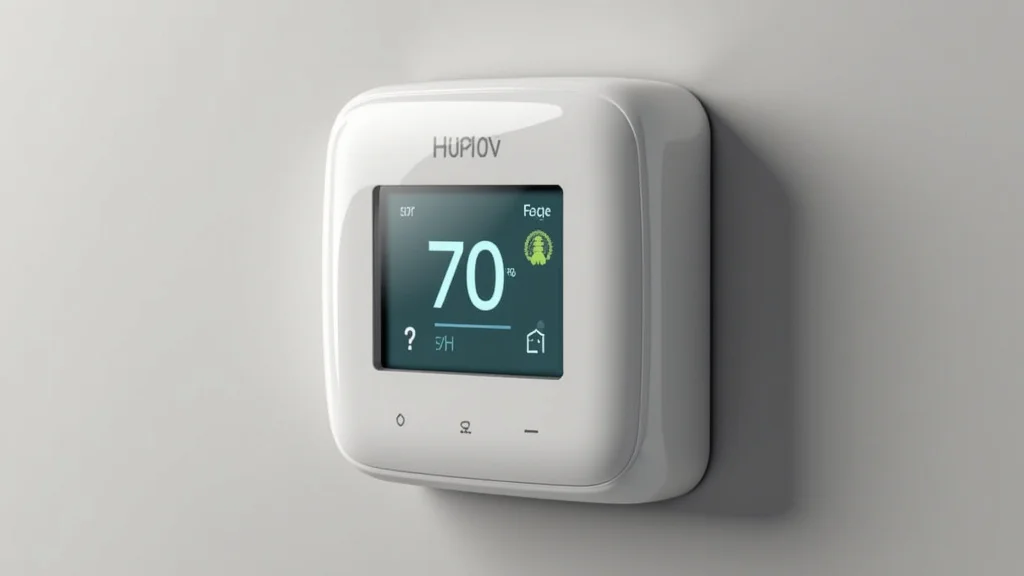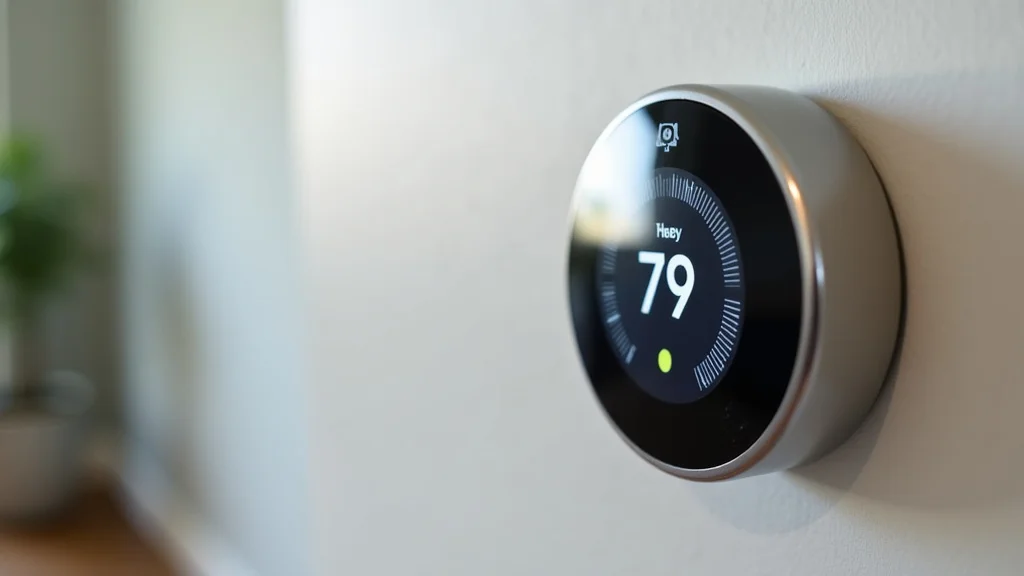
Remember that winter morning when you woke up freezing, and your heater hadn’t kicked in? Or that summer day when your AC ran all afternoon, even though you weren’t home? Many people face these challenges, and it’s a hassle to constantly adjust your thermostat. This is where the concept of a smart thermostat comes into play. In this detailed guide, you’ll gain a full view of the smart thermostat advantages and disadvantages. We will explore everything you need to know before making a decision, helping you optimize your home’s comfort and energy efficiency.
Key Takeaways
- Smart thermostats can help you reduce your energy bills by learning your habits and adjusting temperatures automatically.
- They offer convenient remote control features, allowing you to manage your home’s climate from anywhere.
- Installation can be straightforward, but compatibility with your existing HVAC system is crucial.
- Security and privacy are important considerations when connecting a device to your home network.
- Some models may require a subscription for advanced features or data analysis.
- The initial investment can be higher than traditional thermostats, so understanding the potential return on investment is key.
Smart Thermostat Advantages and Disadvantages Explained
The rise of smart home technology has brought about a wave of innovation, and one of the most popular additions to the modern home is the smart thermostat. These devices go beyond simply setting a temperature; they offer a range of features designed to enhance comfort, save energy, and provide convenience. While the promise of energy savings and remote control is appealing, it’s essential to look at both the benefits and potential drawbacks. We will now explore these points in detail.
Energy Efficiency Benefits
One of the primary driving forces behind the adoption of smart thermostats is the promise of lower energy bills. These devices leverage various strategies to optimize energy usage, from learning your heating and cooling preferences to automatically adjusting the temperature when you’re away. They can analyze your routines and habits to make informed decisions about your home’s climate control, leading to significant savings over time. This section will explore the core energy-saving advantages of using a smart thermostat.
- Learning Algorithms: Most smart thermostats learn your routines and preferences.
- Geofencing: Geofencing uses your smartphone’s location to control the temperature.
- Automated Scheduling: Set it and forget it with the automated scheduling feature.
- Energy Usage Reports: They provide detailed reports on energy consumption.
These devices use advanced algorithms to analyze your heating and cooling habits. They track when you’re home, when you’re away, and what temperatures you prefer. Over time, the thermostat creates a personalized schedule that anticipates your needs, minimizing energy usage when you don’t need it. For instance, if you usually leave for work at 8 AM and return at 6 PM, the thermostat can automatically lower the temperature while you’re away and warm it up just before you get home.
Geofencing is a helpful feature that uses your smartphone’s location to determine when you’re approaching or leaving home. When you’re a certain distance away, the thermostat can automatically adjust the temperature. If you’re on your way home, it can start heating or cooling the house to your desired temperature, so it’s comfortable when you arrive. If you leave, it can automatically lower the temperature to save energy. This feature eliminates the need to manually adjust the thermostat.
Smart thermostats provide an easy way to program your heating and cooling schedules. You can set different temperatures for different times of the day and different days of the week, allowing you to optimize energy usage based on your routines. For example, you can set the temperature to be lower while you sleep or when you are at work and higher when you are at home. They can also use preset templates for different schedules.
Smart thermostats give you access to detailed reports about your energy consumption. These reports usually show how much energy your heating and cooling system is using, and how that usage changes over time. Many times, you can compare your usage to historical data or even to your neighbors’ usage (anonymized, of course). This allows you to see where you’re using the most energy and what adjustments you can make to reduce your consumption.
Convenience and Control
In addition to energy savings, smart thermostat advantages and disadvantages include enhanced convenience and control over your home’s climate. The ability to manage your thermostat from anywhere, integrate it with other smart home devices, and receive alerts about your system’s performance adds a new level of ease to home management. The following will discuss the ease of use that smart thermostats are known for.
- Remote Access: Control your thermostat from anywhere in the world.
- Smart Home Integration: Many smart thermostats work with other devices.
- Alerts and Notifications: They can send notifications about system issues.
- User-Friendly Interfaces: They often come with easy-to-use apps and interfaces.
One of the key advantages of a smart thermostat is the ability to control it remotely. You can adjust the temperature, change schedules, and monitor your system’s performance from your smartphone, tablet, or computer, no matter where you are. This feature is especially useful if you are away from home and want to make sure your home is comfortable when you return, or if you want to make adjustments to your heating or cooling system when you’re on vacation.
Many smart thermostats are designed to work seamlessly with other smart home devices, such as voice assistants (like Amazon Alexa or Google Assistant), smart lighting, and security systems. This integration allows you to control your home’s climate with voice commands, automate tasks, and create a more interconnected home environment. You can, for instance, tell your voice assistant to “set the thermostat to 72 degrees,” or create a scene where the lights turn on and the temperature adjusts when you get home.
Smart thermostats can provide alerts and notifications about your HVAC system’s performance. They can alert you to issues such as extreme temperatures, filter changes, or unusual activity. This can help you identify potential problems early on, preventing more costly repairs. For instance, if your system detects that your furnace is not heating properly, the thermostat might send you an alert, allowing you to address the issue before your home becomes uncomfortably cold.
These devices often come with intuitive, user-friendly apps and interfaces that make it simple to control your home’s climate. These interfaces provide clear, concise information about your system’s status, energy usage, and settings. Many have touchscreens or mobile apps with straightforward controls, so you can easily adjust the temperature, change schedules, and view reports, regardless of your tech experience. Some have interfaces that will also show you the weather.
Installation and Compatibility
Before buying a smart thermostat, consider the installation process and compatibility with your existing HVAC system. While many models offer a straightforward setup, others may require professional help. Understanding these factors is important to ensuring a smooth experience. Let’s delve into the aspects of installation and compatibility to help you make an informed decision.
- DIY Installation: Many models can be installed by homeowners.
- Professional Installation: Professional help may be needed.
- Compatibility Checks: Confirm compatibility with your HVAC system.
- Wiring Diagrams: Follow the wiring diagrams.
Many smart thermostats are designed for do-it-yourself installation. The process usually involves removing your old thermostat, connecting the wires to the new device, and following the on-screen instructions to set it up. Many manufacturers provide detailed instructions, and some even offer online support or videos to guide you through the process. However, some thermostats may require more complex wiring, so it is important to be sure you are comfortable with the electrical work.
If you’re not comfortable with electrical wiring, or if your HVAC system is complex, it is best to hire a professional to install your smart thermostat. A qualified HVAC technician can ensure that the device is properly wired and configured to work with your system. Professional installation can also guarantee that the thermostat is functioning correctly and help you prevent potential problems, like damaging your equipment.
Before purchasing a smart thermostat, make sure it is compatible with your HVAC system. Most are compatible with standard systems, like forced air furnaces and air conditioners, but some are not compatible with heat pumps or other specialized systems. Check the thermostat’s specifications or consult the manufacturer’s website to confirm compatibility. You can also consult your HVAC technician to ensure the device will work with your system.
During the installation process, it’s very important to correctly identify and connect the wires from your old thermostat to the new one. Most smart thermostats include detailed wiring diagrams that guide you through this process. If you’re not sure about the wiring, take pictures of the existing setup before removing the old thermostat. If in doubt, it’s best to consult a professional to avoid damaging your equipment or causing safety hazards.
Security and Privacy Considerations
When you connect a smart thermostat to your home network, security and privacy become important considerations. It’s essential to understand the potential risks and take steps to protect your data and your home from cyber threats. Understanding the risks and taking appropriate security measures can help you enjoy the benefits of smart home technology with peace of mind. Here, we’ll discuss the security and privacy aspects of smart thermostats.
- Data Encryption: Look for thermostats with data encryption.
- Secure Wi-Fi: Secure your home’s Wi-Fi network.
- Privacy Policies: Review the manufacturer’s privacy policy.
- Regular Updates: Keep your devices updated.
Data encryption protects your information by scrambling it, making it unreadable to anyone who doesn’t have the key to decrypt it. Most smart thermostats encrypt the data they send and receive, protecting your information from unauthorized access. Make sure the thermostat you are considering uses strong encryption protocols to ensure that your data is safe.
Securing your home Wi-Fi network is a crucial step in protecting your smart devices. Make sure your Wi-Fi network uses a strong password and that the network is encrypted. Regularly update your router’s firmware to patch any security vulnerabilities. Keep an eye out for any suspicious activity on your network and take steps to resolve it quickly. This will help make your devices safer.
Before buying a smart thermostat, review the manufacturer’s privacy policy to learn how they collect, use, and protect your data. Pay attention to how the company uses your data, whether it shares it with third parties, and what steps they take to protect your information. Make sure you are comfortable with the privacy practices before you make a purchase.
Regularly updating your smart thermostat’s firmware is critical to maintaining security. Manufacturers often release updates that address security vulnerabilities, improve performance, and add new features. Be sure that you enable automatic updates or check for updates regularly and install them promptly. This will keep your device secure.
Smart Thermostat Disadvantages: Challenges to Consider
While smart thermostats have many advantages, it’s important to be aware of their potential downsides. From the initial cost to the potential for technical issues, understanding these challenges is important. Let’s explore the things that may impact your experience with a smart thermostat.
- Initial Cost: Smart thermostats can be expensive.
- Compatibility Issues: You may experience compatibility problems.
- Technical Difficulties: You may experience technical glitches.
- Dependence on Wi-Fi: Internet access is usually required.
One of the main disadvantages of smart thermostats is the initial cost. They are usually more expensive than traditional thermostats. While the long-term energy savings may offset this cost over time, the upfront investment can be a barrier for some people. It’s important to compare prices and features, and consider your budget when deciding if a smart thermostat is right for you.
Even though most smart thermostats are compatible with standard HVAC systems, some compatibility issues can arise. These can include problems with heat pumps, older systems, or specific wiring configurations. This is why it is very important to check the device’s compatibility with your system before buying. If you have any compatibility issues, you may need a professional installation.
Like any electronic device, smart thermostats can experience technical difficulties. These can include issues with connectivity, software bugs, or hardware failures. While manufacturers try to minimize these problems, they can still happen. Be sure to check online reviews and customer support resources for potential issues with the specific thermostat models you’re considering. It’s also a good idea to have a backup plan or a basic understanding of how to troubleshoot common problems.
Smart thermostats rely on a stable Wi-Fi connection to function properly. Without a working internet connection, you may lose some of the smart thermostat’s features, like remote control and energy monitoring. If your Wi-Fi is unreliable, or if you live in an area with poor internet coverage, this can be a significant disadvantage. Consider getting a thermostat with a built-in cellular backup or a thermostat that can still perform basic functions without an internet connection.
Subscription Fees and Ongoing Costs
Beyond the initial purchase, there might be ongoing costs with some smart thermostats. Subscriptions for extra features or data analysis can impact the overall cost of ownership. It is important to look at the long-term expenses. The following will explore subscription fees and other ongoing costs associated with these devices.
- Premium Features: Some features require paid subscriptions.
- Data Analysis: Extra data may be available for a fee.
- Software Updates: Consider any costs for software upgrades.
- Maintenance Costs: HVAC maintenance can add to overall expenses.
Some smart thermostat brands offer premium features that require a subscription. These features may include advanced energy reports, personalized recommendations, or access to additional smart home integrations. Decide if the features are worth the subscription cost before you decide to purchase the device. If the cost outweighs the value, you may want to look at a model that doesn’t require a subscription.
Some smart thermostats may provide in-depth data analysis of your energy consumption and habits. This extra analysis is offered at an extra cost. They may charge for detailed reports, long-term trends, and custom energy-saving recommendations. If you want these detailed insights, be prepared to pay extra.
Smart thermostats may require software updates to fix bugs, improve performance, or add new features. Though most updates are free, some manufacturers may charge for significant upgrades or new features. Be sure you know the manufacturer’s policy on software updates and any associated costs before you invest in the device.
In addition to subscription fees, you should also factor in maintenance costs. HVAC systems need regular maintenance, such as filter changes and professional servicing, to work efficiently and to extend their lifespan. You may incur these costs regardless of the thermostat you use, but they are a part of the total cost of ownership.
Common Myths Debunked
Myth 1: Smart thermostats are only for tech-savvy people.
Reality: Smart thermostats are designed to be user-friendly, with intuitive interfaces and straightforward controls. Many models have mobile apps that can be used on your smartphone or tablet, and most offer easy-to-understand setup and programming options. You don’t need to be an expert to use a smart thermostat; the purpose is to make managing your home’s climate simple and convenient for anyone.
Myth 2: Smart thermostats are always a better choice than traditional thermostats.
Reality: The best choice depends on your specific needs and situation. While smart thermostats offer many advantages, like energy savings and remote control, traditional thermostats may be a better choice if you have a limited budget, if you have a simple HVAC system, or if you’re concerned about data privacy. Consider your individual circumstances, energy-saving goals, and budget when deciding which type of thermostat is right for you.
Myth 3: Smart thermostats always save you money on energy bills.
Reality: Smart thermostats can help you save money on energy bills by optimizing your heating and cooling usage, but savings aren’t guaranteed. Energy savings depend on factors like your current energy usage habits, the efficiency of your HVAC system, and your willingness to use the smart features, such as scheduling and geofencing. Also, any savings may be offset by the initial cost of the device, subscription fees, or maintenance. By learning about your energy use, you can improve your energy efficiency.
Myth 4: Smart thermostats are not secure and can be easily hacked.
Reality: Smart thermostats can be secure if you take the necessary precautions. While any device connected to the internet carries some risk, manufacturers focus on security features like data encryption, secure Wi-Fi connections, and regular software updates. You can greatly reduce your risk by using strong passwords, securing your Wi-Fi network, and keeping your devices updated with the latest security patches.
Myth 5: Smart thermostats are difficult to install.
Reality: Many smart thermostats are designed for easy, do-it-yourself installation. Most models come with detailed instructions, wiring diagrams, and online support to guide you through the process. Installation often involves just a few steps: removing your old thermostat, connecting the wires to the new device, and following the on-screen setup instructions. If you’re not comfortable with electrical wiring, professional installation is always an option.
Frequently Asked Questions
Question: Are smart thermostats worth the investment?
Answer: It depends on your situation, but for many homeowners, the investment is worthwhile. The long-term energy savings, convenience features, and remote control capabilities can improve your home’s comfort and save you money. Be sure to consider your energy usage habits, the efficiency of your HVAC system, and the initial cost when making your decision.
Question: How much money can I save with a smart thermostat?
Answer: Savings vary depending on your usage, but most homeowners can see a 10-20% reduction in their energy bills with a smart thermostat. Savings depend on your habits, the efficiency of your HVAC system, and your willingness to use the smart features like scheduling and geofencing. Over time, these savings can help you recoup the initial investment in the device.
Question: Do smart thermostats work with all HVAC systems?
Answer: Most are compatible with standard HVAC systems like forced air furnaces and air conditioners, but it’s important to check the device’s compatibility before purchasing. Some may not be compatible with heat pumps or older systems. Check the manufacturer’s specifications to ensure it will work with your system, or ask your HVAC technician.
Question: Are smart thermostats safe and secure?
Answer: Smart thermostats use security measures like data encryption, secure Wi-Fi connections, and regular software updates to protect your data. You can increase security by using strong passwords, securing your Wi-Fi network, and keeping your devices updated with the latest security patches. While no device connected to the internet is 100% secure, these steps can greatly reduce your risk.
Question: How do I install a smart thermostat?
Answer: Installation generally involves removing your old thermostat, connecting the wires to the new device, and following the on-screen instructions to set it up. Many manufacturers include detailed instructions and wiring diagrams to guide you through the process. If you are not comfortable with electrical wiring, it is best to hire a professional to ensure safe installation.
Final Thoughts
The smart thermostat advantages and disadvantages present a modern solution for home climate control. These devices offer convenience, energy efficiency, and remote access, which can lead to cost savings and improved comfort. However, challenges like the initial cost, compatibility issues, and security concerns need to be addressed before making a purchase. As with any smart home technology, evaluating these points is necessary. Consider your energy-saving goals, budget, and comfort needs. Do your research, compare models, and assess your home’s unique requirements. With the right device, you can transform the way you manage your home’s climate and take a step towards a more comfortable and energy-efficient lifestyle.